

Health Concerns for Busy Modern Professionals: Managing Nutrition and Well-Being
1) Health Concerns for Busy Modern Professionals
These days, many office workers are increasingly concerned about their health. As most professionals can relate, a daily schedule that stretches from early morning to late evening places immense stress on both body and mind. Rushed lunches, reliance on caffeine and snacks, and an overall lack of proper nutrition contribute to rising cases of chronic fatigue, digestive issues, and declining physical stamina. The work culture in Korea, which often involves irregular schedules due to frequent late-night meetings and company dinners, makes it difficult to maintain consistent exercise and eating habits. This has led many professionals to turn to health supplements and functional foods to replenish lacking nutrients and improve their daily routines.
With increasing awareness of personal health, keywords like “fatigue recovery,” “immune system boost,” and “diet management” have become dominant trends in the health and wellness industry. A wide range of supplements is now available in different forms, easily accessible from supermarkets, pharmacies, and even online stores. However, choosing the right product tailored to individual needs can be challenging. Rather than blindly following recommendations or advertisements, it’s crucial to understand your body’s condition and determine which nutrients you genuinely need.
2) Popular Health Foods Among Koreans
One of the most commonly consumed health foods in Korea is red ginseng. Traditionally valued in East Asian medicine, red ginseng is produced by steaming and aging raw ginseng, and is believed to aid in fatigue relief and immune system enhancement. Major Korean pharmaceutical companies have developed various red ginseng products, including concentrated extracts, stick packs, and jellies, which are also popular as premium gifts. Although on the expensive side, red ginseng remains a go-to choice for many working professionals seeking to endure high-stress work environments.
Another widely favored option is probiotics. Many office workers experiencing digestive issues due to irregular meal schedules and long work hours turn to probiotics to improve gut health and relieve constipation or indigestion. Probiotics are available in various forms, such as yogurt, fermented drinks, capsules, and powders. Recently, products featuring probiotics (live beneficial bacteria), prebiotics (bacteria-nourishing fibers), and postbiotics (metabolites of probiotics) have emerged, catering to consumers looking for a more holistic digestive health approach.
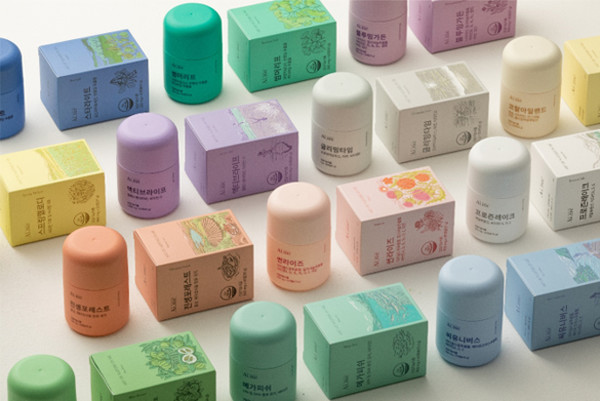
3) Types and Functions of Nutritional Supplements
Beyond traditional health foods, many office workers rely on scientifically formulated nutritional supplements to address specific deficiencies. Multivitamins are among the most popular choices, as they allow individuals to consume a broad spectrum of vitamins and minerals in a single dose—especially useful for professionals who struggle to maintain a balanced diet. Vitamin C, known for its antioxidant properties, helps with fatigue recovery and skin health, and some people opt for high-dose vitamin C before major work projects to strengthen their immune systems.
Omega-3 fatty acids, primarily derived from fish oil, are well known for their heart health and circulation benefits. As frequent social drinking is common in Korean work culture, many professionals also take milk thistle (silymarin) to support liver health. Additionally, an increasing number of people are supplementing individual micronutrients such as iron, calcium, vitamin D, and magnesium, leading to a growing market of highly specialized supplements.
4) Things to Consider When Purchasing and Taking Supplements
When choosing supplements or health foods, it’s essential to select products based on your personal health and nutritional needs. Start by reflecting on your diet, medical history, and lifestyle to determine what your body lacks. For instance, someone following a predominately vegetarian diet may require protein or iron supplementation. Conversely, someone who consumes excessive coffee or carbonated drinks daily might benefit from a multivitamin rich in B vitamins to counteract potential deficiencies.
It’s also important to watch for potential overconsumption risks. While water-soluble vitamins like vitamin C and B-complex are easily excreted from the body, fat-soluble vitamins (A, D, E, K) can accumulate and cause toxicity if taken in excessive amounts. Similarly, liver-supporting supplements like milk thistle can exert negative effects when overused. Instead of taking multiple supplements all at once, consider consulting a healthcare professional to create a safe and effective supplement plan. If necessary, getting a blood test at a medical facility can help pinpoint specific deficiencies for targeted supplementation.
5) Traditional Korean Health Habits and Functional Foods
Koreans have long supplemented their diets with various traditional foods, particularly vegetable side dishes and fermented foods. Staples like kimchi, doenjang (fermented soybean paste), and cheonggukjang (fermented soybean soup) are packed with beneficial probiotics and essential minerals, promoting gut health. Additionally, the vegetable-rich nature of Korean cuisine helps ensure sufficient intake of vitamins and dietary fiber.
In recent years, there has been a modernized reinterpretation of traditional Korean diets, making it easier for busy professionals to prepare nutritious home-cooked meals using simple recipes. Restaurants specializing in temple cuisine or herbal medicine-infused dishes are also gaining popularity, emphasizing Korea’s natural ingredients for holistic health benefits. Beyond red ginseng, balloon flower root, codonopsis, and pear are commonly used ingredients believed to enhance immune function and respiratory health. High-protein traditional dishes like samgyetang (ginseng chicken soup) and eel soup are frequently enjoyed for stamina and vitality, with many believing that incorporating such meals occasionally can significantly bolster overall well-being.
6) The Importance of Simple Lifestyle Changes
While supplements and health foods can be helpful, establishing healthy lifestyle habits should always come first. Even for the busiest office workers, simple actions like getting enough sleep, staying hydrated, and engaging in light exercise such as stretching or walking can make a difference. Reducing excessive consumption of coffee, alcohol, and late-night snacks can also contribute significantly to managing fatigue.
One common pitfall for modern professionals is excessive caffeine consumption. While caffeine boosts mental alertness, over-reliance on coffee and energy drinks can lead to heart palpitations and sleep disturbances. Instead, consider switching to caffeine-free alternatives like barley tea or roasted grain tea, or simply maintaining proper hydration with water to support overall bodily functions. Making small adjustments like these can help prevent fatigue buildup and enhance the effectiveness of nutritional supplements.
7) Consulting Experts and Regular Check-Ups
For effective long-term health management, regular health check-ups are essential. In South Korea, the national health insurance system provides periodic free medical exams, which include blood tests and X-ray screenings for early disease detection. These tests help individuals monitor key health indicators such as cholesterol levels, blood sugar, and liver function, enabling better-informed decisions about specific nutrients that need supplementation. For instance, those with anemia should prioritize iron intake, while individuals with high cholesterol may benefit from omega-3 supplements and dietary adjustments.
Additionally, for those taking supplements over an extended period, consulting a doctor or pharmacist is highly recommended. If you’re already taking prescription medications or have pre-existing conditions, understanding potential interactions with supplements is crucial. Rather than relying solely on internet reviews or advertisements, seeking expert advice ensures safe and effective health management.
8) Achieving a Balanced Life: Final Thoughts
Health management for working professionals is not just about taking supplements. A balanced lifestyle that includes regular exercise, sufficient rest, stress management, and strong personal relationships is necessary to achieve overall well-being. Nutritional supplements should be seen as supplements—not substitutes—for real food and healthy habits. Ultimately, maintaining a natural, well-balanced diet and an active lifestyle remains the most reliable secret to long-term health.
While many Koreans struggle with stress from long work hours, corporate dining obligations, and lack of personal time, consistent small changes in daily habits can gradually improve overall health. By incorporating supplements wisely and making conscious adjustments to diet, exercise, and rest patterns, professionals can enhance both their work efficiency and quality of life in the long run.
By proactively managing both physical and mental well-being, you can cultivate a sustainable and fulfilling lifestyle, allowing you to thrive both in your career and personal life.
K-Name Studio: Create your perfect Korean name based on your personality and style.
What’s My K-Beauty Personal Color?
WeBring Service : Provides personalized services to foreigners living in Korea
Exclusive offer: Introducing foreign car rental in Korea, WeBring-SoCar
Living in Korea? You don't have to figure it out alone
Insurance, visas, jobs and hospital interpretation — WeBring supports every step of settling in Korea, in your language.