
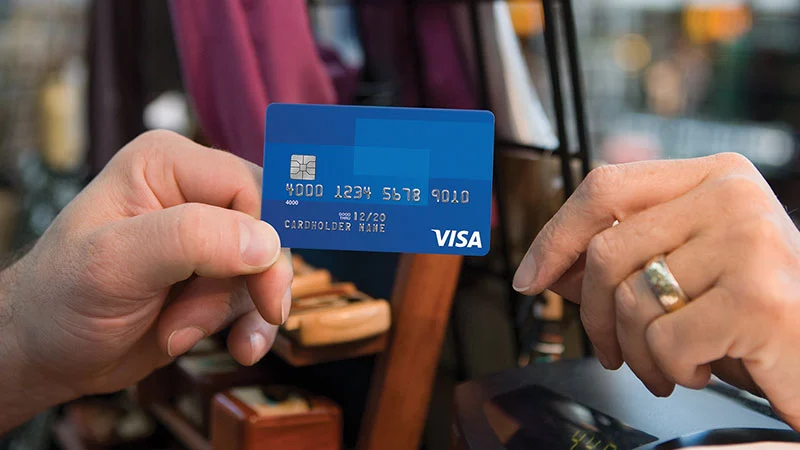

Korea is known for its highly developed card payment infrastructure, allowing people to pay in almost any setting—from restaurants and supermarkets to online shops—without cash. Credit cards are widely used thanks to their perks like discounts and reward points. However, foreigners often worry that getting a credit card in Korea might not be easy. In reality, even long-term residents may be declined due to visa status or lack of credit history.
So what are the requirements and steps to get a credit card for foreigners in Korea? Which card issuer or product should one choose? This article provides a complete guide for foreigners seeking to get a credit card in Korea, along with tips to increase your chances of approval and important things to keep in mind.
Check Your Visa Status & Creditworthiness: The Basic Requirements
Most Korean credit card companies require two basic conditions: possession of a valid Alien Registration Card and proof of stable income. Foreigners staying on short-term tourist visas are generally ineligible. To qualify, applicants typically need to hold a long-term visa such as F-2, F-4, F-5, F-6, or a work visa like E-7, along with verifiable income. It’s also important to have sufficient time remaining before the visa expires, as a short duration left could result in denial.
Your creditworthiness matters just as much. Maintaining a Korean bank account over time, consistent salary deposits, and a clean record with no payment defaults are key to eligibility. Since many foreign applicants lack a local credit history, card issuers may view them as high-risk customers. To offset this, it’s advisable to submit additional documentation such as employment certificates, payslips, and job contracts to demonstrate your ability to repay.
Secured Credit Cards: A Stable Alternative for Newcomers
Some Korean card issuers offer “secured credit cards” for foreigners. This type of card requires you to deposit a certain amount as collateral, which then serves as your credit limit. For instance, depositing KRW 2 million could give you a credit line of KRW 2 million. As long as you make timely payments, your deposit is refundable after a set period.
The main advantage is that foreigners without a local credit history can more easily obtain a secured card. Moreover, building usage history could eventually help you qualify for a standard credit card. The downside is, of course, that your deposit is tied up. Still, for those not yet established in Korea’s credit system, a secured card can be a practical stepping stone into financial credibility.
Corporate or University Affiliated Cards & VIP Banking Privileges
Foreigners affiliated with major corporations or prominent universities in Korea often receive more favorable consideration from banks. For example, university faculty members may be eligible for staff-exclusive credit cards. Employees of large companies may also benefit from corporate agreements with partnering banks that allow easier application processes.
If you’re a VIP customer at a bank, you could have an even smoother route to credit card approval. Achieving VIP status usually requires a certain amount of savings or regular financial transactions. Even as a foreigner, if you deposit a substantial amount, many banks will classify you as a high-priority customer, which can result in easier approval and higher credit limits.
Choosing the Right Card: Compare Perks and Annual Fees
Getting approved is just the beginning. Selecting a card that suits your lifestyle and offers meaningful rewards is just as important. Korean credit cards come with a wide range of perks like transit discounts, movie ticket savings, gas discounts, supermarket cashback, airline mileage, and more. Choosing a card aligned with your typical spending areas—like public transport, airlines, or online shopping—helps you maximize these benefits.
Don’t overlook the annual fee. This can vary depending on whether the card supports international payments with providers like Visa, MasterCard, or JCB. Mileage cards generally have higher annual fees, and premium cards that come with airport lounge or airport pickup services can charge over KRW 100,000 annually. Always consider your spending patterns and budget to avoid paying for features you won’t use.
Automatic Payments & Avoiding Late Fees
A credit card is essentially a loan based on your creditworthiness, and the key is timely repayment. Most Koreans set up automatic bank transfers from their salary accounts to cover their monthly bills. Foreigners should do the same; automatic withdrawals ensure your payments are made on time. Opting for manual payments significantly increases your risk of missing a due date.
Late payments can negatively impact your credit score, reduce your credit limit, or even lead to account suspension. If you’re abroad when your Korean account lacks sufficient funds, you’d be in a difficult situation. That’s why it’s crucial to maintain adequate balance before the due date or use your mobile banking app to make manual payments from overseas when necessary.
International Use and Foreign Transaction Fees
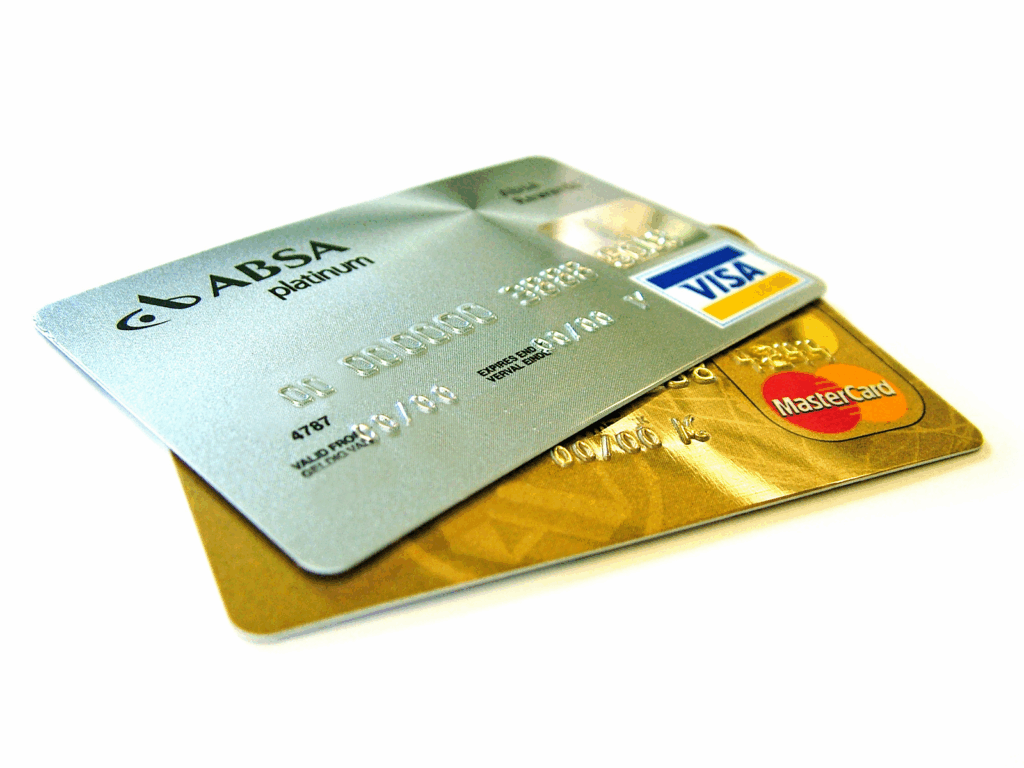
Credit cards that carry international logos like Visa, MasterCard, JCB, or AmEx can be used overseas. They’re convenient for travel or international online purchases, but be aware that foreign transaction fees apply. Typically, a 1% brand fee plus a 0.18–0.35% card issuer fee totals around 1.3–1.5% of your purchase amount. Currency exchange is also calculated based on the card issuer’s posted rates.
If you frequently spend overseas, consider getting a card with reduced foreign transaction fees. Some cards offer special travel-related perks such as insurance or access to international airport lounges. When paying in a foreign currency like USD or EUR, always opt to pay in local currency to avoid unnecessary currency conversion charges or double billed amounts.
Conclusion: Credit Cards Offer Convenience, But Come With Responsibilities
Using a credit card in Korea adds significant convenience, both for daily living and international travel. However, as a foreigner, you must meet visa and income requirements. Applications may be denied if your stay is short or your income is unstable. Ideally, apply after securing stable employment and a history of continuous salary deposits or building trust through large deposits with the bank.
Upon successful approval, managing your spending and avoiding missed payments becomes your responsibility. Understand your card’s fee structure and rewards to avoid overconsumption. For international usage, review fees and exchange rates to minimize unnecessary expenses.
Ultimately, a credit card isn’t just a payment tool; it’s a key component of your financial credibility. For long-term residents in Korea, building a positive credit history through responsible card use can help with future loans or other financial products. Though the process may seem daunting at first, steady preparation and smart usage can open the door to the many advantages that come with having a credit card in Korea.
Building a Credit History in Korea
The main reason applications are declined is not income but the absence of a domestic credit history. However strong your credit is at home, in Korea you start from blank. A history has to be built.
- Start with a debit card. It spends within your balance, requires almost no assessment, and creates a usage record.
- Consolidate your salary into one bank. A main-bank relationship works in your favor when that bank assesses a card application.
- Put telecom and utility bills on direct debit. A record of payments without arrears feeds into your credit information.
- Phone installments also build history. What matters is never missing one.
- Apply for a credit card after six to twelve months. Rather than chasing a high limit immediately, start with whatever is approved and build from there.
One principle above the rest: never be late, not even by a day. Even small arrears leave a record that takes time to recover from. If the balance may fall short on the payment date, moving money in beforehand is the only answer.
If You Are Declined
A refusal still leaves routes open. Work through them in order.
- Ask why. Insufficient income proof, no history, or a short remaining stay each call for a different response.
- Ask about a secured (deposit-backed) card. You place a sum and spend within it; availability differs by issuer.
- Try your main bank — the one receiving your salary has the best odds.
- Check your remaining period of stay. A short one can mean refusal, so applying just after a visa extension helps.
- Avoid applying repeatedly. Several applications in a short window leave inquiry records that can work against you.
Closing Cards When You Leave Korea
Cards come before bank accounts in the closing sequence. Closing the account while a balance is outstanding creates arrears.
- Clear installments and recurring payments first. Subscriptions continuing to bill is the most common mishap.
- Pay through the final statement before cancelling. Usage and billing dates differ, so charges land after you have gone.
- Annual fee refunds — a pro-rated amount is sometimes returned on cancellation, so ask.
- Cancel cards, then the account — in that order.
If you may return, keeping a card is a reasonable option. But once your Korean phone number lapses, authentication breaks and it becomes effectively unusable — so decide it together with whether you keep the number.
I lost my card
Report it lost to the issuer immediately, by phone or in the app. The timing matters because how fraudulent use is treated differs before and after the report. Reports are taken around the clock, so do not wait for morning.
After reporting, check what you had on automatic payment. A replacement card carries a new number, so telecom and subscription charges will fail. If you had consolidated recurring payments onto one card, this cleanup is larger than it sounds.
“Would you like to pay in KRW?”
Overseas merchants and foreign websites sometimes offer to charge in Korean won. It looks convenient but is generally worse for you — the merchant side’s exchange rate applies, with an additional margin built in.
Pay in the local currency so your card issuer’s and the network’s rates apply instead. Enabling the block on overseas won-denominated payments in your issuer’s app removes the prompt entirely.
K-Name Studio: Create your perfect Korean name based on your personality and style.
What’s My K-Beauty Personal Color?
WeBring Service : Provides personalized services to foreigners living in Korea
Exclusive offer: Introducing foreign car rental in Korea, WeBring-SoCar
Last updated: 16 September 2026
Rules, fees and procedures can change over time. Before an important decision, check the latest guidance from the relevant authority.
WeBring operates its own services for foreign residents in Korea. The following is a promotion for those services.
Living in Korea? You don't have to figure it out alone
Insurance, visas, jobs and hospital interpretation — WeBring supports every step of settling in Korea, in your language.


