
Renewing vs. Moving: Korean Rental Contract Expiry Guide

In Korea, rental contracts are often signed for one or two years, meaning that tenants must decide whether to renew their lease or move to a new place when the contract expires. This decision directly impacts monthly expenses, moving costs, and housing stability. Foreign tenants may find this process even more complex due to unfamiliar regulations and local customs of Korean rental.

In this article, we analyze the pros and cons of renewing a lease vs. moving out and share practical cost-saving tips to help you make the best financial decision.


1) Renewing: Familiar Environment, No Moving Costs

Pros: Stay Without the Hassle of Moving

One of the biggest advantages of renewing a lease is avoiding the cost and effort of moving. Packing, hiring a moving company, and reinstalling furniture or appliances can be expensive and time-consuming. Additionally, staying in the same neighborhood allows you to continue enjoying familiar local amenities, transportation options, and social connections without disruption.

Cons: Rent or Deposit Increase Pressure

Landlords usually attempt to raise the rent when renewing a lease. In Korea, the Tenancy Protection Act limits rent increases to a maximum of 5% (for two-year contracts), but landlords may still try to negotiate higher rates. Foreign tenants unfamiliar with these regulations might unknowingly accept excessive rent hikes. To avoid overpaying, it’s essential to check both legal limits and market rates before renewing.


2) Moving: Finding a New Place, Dealing with Costs

Pros: Potential for Better Housing Conditions

If the rent increase negotiations fail, or if you’re dissatisfied with the neighborhood, moving could be the best solution. Additionally, if rental prices have dropped or if better housing options are available elsewhere, you might secure a larger, newer, or better-located apartment for the same price.

Cons: Moving Costs, Brokerage Fees, and Time Investment

Relocating comes with several financial burdens, including moving expenses (such as hiring a truck or professional movers), real estate brokerage fees, and initial deposit payments for the new rental. Additionally, searching for a new home, negotiating contracts, and handling the logistics of moving requires significant time and effort.


3) Cost-Saving Tips: Renewal Edition

(1) Negotiating Rent Increases

If your landlord proposes rent increases, don’t accept them outright. Instead, use concrete data for negotiations:

  • Compare with market rates in your area to argue for a fair price.
  • Highlight property wear and tear requiring maintenance costs.
  • Leverage Korean Tenancy Protection Laws, which allow tenants to extend their lease for up to two years while capping the rent increase at 5%.

(2) Proposing Partial Repairs Instead of Rent Increases

If the landlord is open to property improvements, suggest a trade-off: “Instead of increasing my rent, could you replace the boiler or fix the mold issue?” This strategy creates a win-win situation—the landlord upgrades the property without losing a tenant, and the tenant enjoys better living conditions without higher rent.

(3) Avoiding Brokerage Fees

Renewing a contract directly with the landlord, without involving an agent, eliminates brokerage fees. However, if you need professional assistance with lease documents, a small administrative fee may still apply—but it’s far lower than the cost of hiring a real estate agent for a new rental.


4) Cost-Saving Tips: Moving Edition

(1) Negotiating Brokerage Fees

Even though real estate agencies charge legally regulated commission fees, negotiation is possible. Visiting multiple agencies and comparing listings may result in lower fees, as brokers compete to secure tenants. Make sure to check the legal maximum brokerage fees in advance to avoid overpaying.

(2) Choosing the Best Moving Time & Method

  • Peak moving seasons (Feb–Mar, Aug–Sep) are expensive due to high demand. Scheduling your move for April or October could save money.
  • Compare different moving options:
    • Full-service moving (packing, delivery, unpacking) is the most expensive.
    • Semi-packed moving (you pack small items, movers handle big furniture) is more affordable.
    • Simple truck rental is the cheapest option, ideal for minimal belongings.

(3) Exploring Direct Contracts or Online Rental Platforms

Directly renting from the landlord without an agent avoids brokerage fees, but be cautious of scams. Always verify property documents such as land registry records and consider using contract notarization. Apps like Zigbang and Dabang now allow direct landlord-to-tenant transactions, making the process more transparent.


5) Key Decision Factors: When Is It Better to Renew?

(1) If Market Rent Has Increased and Your Current Rent Is Still Low

If rental prices in your area have risen, your current rent may still be a better deal—even with a slight increase. Compare deposit and rent hikes with costs at other nearby properties.

(2) If Moving Costs Are Too High

Moving expenses—including moving services, brokerage fees, and early contract termination penalties—can be substantial. If the cost of relocating surpasses the total rent increase over the next year, renewing could be the more economical choice.

(3) If You’re Happy with the Neighborhood and Have Easy Commutes

If you enjoy the current surroundings, local conveniences, and a short commute to work or university, staying put reduces stress while saving time and transportation costs.


6) Case Study: International Student “M” and His Decision

M, an international student in Seoul, had been renting a one-room apartment on a D-2 visa for ₩500,000/month with a ₩5,000,000 deposit. When his lease was up for renewal, the landlord suggested raising the rent to ₩550,000/month.

M calculated potential moving costs:

  • Moving fee (~₩300,000, for a small-truck service)
  • Real estate commission (~₩200,000)
  • Possible financial strain from deposit changes

Even though the rent increase meant an extra ₩60,000 per year, moving would cost at least ₩500,000 upfront. After considering these factors, M chose to renew his lease, successfully negotiated minor repairs (bathroom + wallpaper refresh), and ultimately felt satisfied with his decision.


Conclusion: Choosing Stability vs. New Opportunities

When deciding between renewing your lease vs. moving, consider the economic, time, and convenience factors.

  • Pros of renewing: No moving costs, familiar neighborhood, stable routine
  • Cons of renewing: Potential rent hikes
  • Pros of moving: Potential for better housing, location improvements
  • Cons of moving: High upfront costs, time-consuming process

To make the optimal choice, compare rent increase + possible negotiations vs. moving costs + new rent rates. Whether you’re a local or a foreign tenant, Korean Tenancy Protection Laws safeguard your renting rights—so don’t overlook potential cost-saving opportunities.

By strategically assessing this decision, you can reduce unnecessary expenses, negotiate better deals, and maintain a comfortable living environment in Korea. Rather than simply accepting rent hikes, leverage your rights and explore alternative solutions. An informed approach will save both money and hassle, allowing you to keep your housing situation secure and affordable.

Korean Rental

Webring Newsletter

K-Name Studio: Create your perfect Korean name based on your personality and style.
What’s My K-Beauty Personal Color?
WeBring Service : Provides personalized services to foreigners living in Korea
Exclusive offer: Introducing foreign car rental in Korea, WeBring-SoCar


Seoul Palaces: Exploring Gyeongbokgung and Changdeokgung

Seoul’s cityscape is dotted with stunning historical palaces, testaments to Korea’s rich royal history. Among them, Gyeongbokgung Palace stands as the grandest and most iconic, while Changdeokgung Palace offers a more tranquil, nature-imbued experience. Though both were central to the Joseon Dynasty, they each possess unique architectural styles and atmospheres.

In this guide for seoul palaces, we’ll compare these two royal sites and provide tips to help you explore them efficiently, even on a tight schedule. Whether you seek majestic splendor or quiet contemplation, this itinerary will give you an immersive glimpse into the world of Korea’s royal family.

Gyeongbokgung: The First Royal Palace of Joseon

Gyeongbokgung Palace was the first palace built when King Taejo established the Joseon Dynasty and chose Hanyang (modern-day Seoul) as its capital. Its name means “Palace Greatly Blessed by Heaven,” symbolizing its role as the political and administrative center of the dynasty. Although destroyed during the Imjin War, it was later reconstructed during King Gojong’s reign.

One of the palace’s most eye-catching landmarks is Geunjeongjeon, the throne hall where significant national ceremonies were held. The grand, meticulously decorated wooden structure showcases the finest examples of traditional dancheong (multicolored paintwork), demonstrating the pinnacle of Joseon-era artistic skill. Looking up from Geunjeongjeon’s courtyard, the contrast between modern skyscrapers and historic architecture creates a striking blend of old and new.

Another must-visit site within Gyeongbokgung is Gyeonghoeru Pavilion, a two-story hall gracefully built over a reflective pond. Unlike the imposing designs of other buildings, Gyeonghoeru’s subtle beauty captures the essence of traditional Korean architecture. Throughout the year, its appearance changes with the seasons—pink cherry blossoms in spring, lush greenery in summer, fiery autumn foliage, and the serene snow-covered landscape in winter—offering photographers and history lovers unique perspectives during every visit.

Seoul Palaces

Changdeokgung: A Royal Retreat in Harmony with Nature

While Gyeongbokgung served as the main political hub, Changdeokgung Palace was built as a residential retreat for Joseon kings. Constructed during the reign of King Taejong, it emphasizes harmony with nature rather than rigid architectural formality. The palace is best known for its extensive Huwon (Secret Garden), which has been recognized as a UNESCO World Heritage site due to its historical and artistic significance.

Changdeokgung’s layout follows the natural curves of the landscape. Strolling through its tree-lined pathways, you might momentarily forget you’re still within a palace. The Secret Garden is especially mesmerizing, with its peaceful walking trails, serene lotus ponds, and hidden pavilions—spaces designed for quiet contemplation and relaxation for Joseon monarchs. Buyongji Pond, Juhamnu Pavilion, and Aeryeonjeong Pavilion are particularly picturesque highlights.

Unlike Gyeongbokgung’s majestic structures, Changdeokgung’s buildings exude an understated, elegant charm. Delicate wooden structures, traditional tiled roofs, and carefully arranged courtyards give insight into the daily lives of royal family members. Walking through its corridors, one can vividly imagine the routines of Joseon-era scholars, court ladies, and princes.

창덕궁

Comparing Gyeongbokgung and Changdeokgung: Scale, Layout, and Atmosphere

Although both palaces originated during the Joseon Dynasty, their purposes and layouts differ significantly. Gyeongbokgung represents power and authority, with large halls and symmetrical arrangements, while Changdeokgung is more personal and integrated with nature, resembling a noble countryside retreat rather than an imposing fortress.

  • Size & Design: Gyeongbokgung is larger and has a more structured, straightforward layout, emphasizing straight lines and open courtyards. Changdeokgung’s paths wind through hills and trees, making it feel like an expansive royal villa rather than a formal court.
  • Architectural Impressions: Gyeongbokgung boasts grand halls such as Geunjeongjeon and Sajeongjeon, designed to display the king’s authority. In contrast, Changdeokgung’s Huwon is an unparalleled example of how Joseon architecture blended seamlessly with nature.
  • Visitor Experience: Gyeongbokgung attracts large crowds due to its central role in Korean history, often feeling bustling and lively. Changdeokgung offers a quieter, more tranquil atmosphere, perfect for those seeking a peaceful cultural retreat.

If you’re short on time but wish to experience both palaces, a half-day itinerary is feasible. Start your morning at Gyeongbokgung, where you can watch the impressive changing of the royal guard ceremony at Heungnyemun Gate. Afterward, explore its main halls and walk through Gyeonghoeru Pavilion.

For lunch, visit a nearby traditional neighborhood such as Samcheong-dong, Bukchon Hanok Village, or Insadong, where you can enjoy a delicious Korean meal. Then, head to Changdeokgung in the afternoon. If possible, book a Secret Garden tour in advance, as access is granted only with a guided tour.

If time permits, enhance your experience by visiting the National Palace Museum of Korea or the National Folk Museum, both near Gyeongbokgung, to gain deeper insights into Joseon’s royal culture and traditions.

Insider Tips: Hanbok Experience & Guided Tours

Both palaces offer free entry for visitors wearing hanbok, Korea’s traditional attire—an excellent opportunity for unique travel photos. Hanbok rental shops are conveniently located near the palace entrances, allowing easy access for those who wish to dress in elegant historical clothing.

Joining a guided tour is highly recommended. Gyeongbokgung and Changdeokgung provide tours in multiple languages, including English, Chinese, and Japanese. Listening to the stories behind each landmark enhances the cultural depth of your visit. Many travelers remark that these tours turn an ordinary sightseeing trip into an unforgettable educational experience.

Best Photo Spots & Seasonal Beauty

Each season transforms the aesthetic charm of the palaces:

  • Spring: Cherry blossoms and magnolias bloom along palace walls and ponds.
  • Summer: Lush green leaves offer a refreshing contrast against the red and gold palace structures.
  • Autumn: Fiery red maple leaves and golden ginkgo trees create breathtaking backdrops.
  • Winter: Snow-covered rooftops offer a peaceful and ethereal ambience.

For photography enthusiasts, Gyeongbokgung’s Geunjeongjeon courtyard and Gyeonghoeru Pavilion are must-visit spots. Changdeokgung’s Secret Garden, especially near Buyongji Pond, offers some of the most serene, picturesque views. To avoid crowds, visit early in the morning or during weekday afternoons for a more relaxed photography session.

Final Thoughts: Immerse Yourself in Royal Korean Culture

While both palaces provide a glimpse into Korea’s royal history, they offer contrasting experiences—Gyeongbokgung impresses with grandeur and political symbolism, while Changdeokgung captivates with its tranquil, nature-infused layout. Visiting both gives a well-rounded perspective of how Joseon’s kings lived, ruled, and sought respite from the pressures of governance.

Even if you have limited time, a well-planned itinerary can allow for a deeply enriching experience in half a day to a full day. As you step back into history, you’ll not only gain a greater appreciation for traditional Korean architecture but also develop a profound understanding of Seoul’s unique blend of past and present.

A visit to these iconic palaces is an essential step in truly grasping the essence of Seoul, making your journey both unforgettable and culturally rewarding.

Webring Newsletter

K-Name Studio: Create your perfect Korean name based on your personality and style.
What’s My K-Beauty Personal Color?
WeBring Service : Provides personalized services to foreigners living in Korea
Exclusive offer: Introducing foreign car rental in Korea, WeBring-SoCar

Korean Small Talk: How to Connect Through Everyday Conversations

1) Why Small Talk Matters

While living or working in Korea, you might find that small talk plays a surprisingly significant role—not just in professional settings but in everyday life. If you want to build closer relationships with colleagues, neighbors, or new acquaintances, a simple greeting isn’t enough. Koreans tend to start discussions with work-related topics in formal meetings, but during coffee breaks or lunch outings, they naturally shift toward casual topics like the weather, food, or hobbies to create a sense of familiarity.

Engaging in small talk strengthens personal relationships and fosters a sense of connection. In Korea, where strong social bonds and group activities are highly valued, mastering small talk can be the key to smoother interactions. A few casual words exchanged over coffee or before a meeting can greatly impact first impressions and pave the way for deeper conversations.

2) Starting with the Weather

Discussing the weather is one of the most universal and safe small talk topics. In Korea, phrases like “It’s really hot today” or “Isn’t this winter especially cold?” are commonly used to start conversations. Due to Korea’s distinct four seasons and varying weather phenomena such as monsoons, yellow dust, and fine dust pollution, there’s always something to discuss about the weather. On a dusty spring day, asking “Did you wear a mask today?” shows concern for the other person’s health, while during the long rainy season in summer, you might bond over complaints like “The rain made commuting tough today, right?”

Weather-related conversations can also seamlessly transition into other topics like clothing choices or weekend plans. For example, you could say, “Since the weather has warmed up, I’m thinking of going for a walk this weekend. Do you have any good recommendations?” By asking questions, you signal interest in the other person’s experiences, making the conversation flow more naturally.

3) Talking About Food: The Ultimate Icebreaker

Koreans love talking about food. The phrase “What should we eat for lunch?” is commonly heard throughout the day, reflecting high interest in meal selections, trendy restaurants, and food experiences. Even with new acquaintances, you can easily start a conversation by asking, “Do you know any good kimchi stew restaurants around here?” or “What did you have for lunch today?”

Food-related discussions often go beyond just eating to include cooking methods and regional specialties. If someone mentions that they made kimbap at home, you can extend the conversation by asking, “What ingredients do you usually put in your kimbap?” If you are a foreigner, a great way to engage is by asking, “Which Korean dish do you like the most?” Learning about someone’s food preferences can help in planning future meals together, strengthening relationships and building camaraderie.

4) Travel & Leisure: Seasonal Destinations

Just like food and weather, travel is a universally enjoyable conversation topic. Koreans love short domestic trips on weekends and holidays and are also enthusiastic about international travel. Asking “Have you been to any nice places recently?” can effortlessly spark an engaging discussion. If someone has visited Jeju Island or Gangwon Province, the conversation can naturally branch into topics like scenic views or must-try local dishes. Discussions about international travel may lead to cultural comparisons and interesting anecdotes.

Seasons influence travel trends in Korea, making it easy to refresh your small talk topics throughout the year. In spring, cherry blossom festivals are popular; summer is ideal for beach trips and valley visits; autumn is perfect for foliage-viewing trips; and in winter, skiing and hot springs are common getaway choices. Asking about someone’s favorite travel experiences or sharing your own can create meaningful and enjoyable conversations.

5) Work Life: Stress & Relaxation

For office workers in Korea, small talk is a daily necessity, especially during coffee breaks or short downtime sessions. Conversations often revolve around work stress and relaxation methods. A simple “Things must be hectic with that project, right?” opens the door to deeper discussions like “What do you do to relieve stress?” which can lead to conversations about hobbies, exercise, or favorite pastimes.

Exchanging stress relief tips can help colleagues develop a bond beyond work-related discussions. If you mention, “I go cycling on weekends to relieve stress. Would you like to join sometime?” it might even lead to real-life social gatherings. Since Korean corporate culture values team-building and social outings, work-related small talk often evolves into lasting friendships and shared recreational activities.

6) Sharing Daily Life & Interests

Living in Korea, you’ll find that small talk is a useful way to gather practical information about daily life. Asking questions like “Do you know a good dry cleaner nearby?” or “Which internet provider do you recommend?” helps facilitate friendly exchanges while also improving your understanding of the local lifestyle. Seeking advice on everyday matters creates opportunities to build familiarity and mutual trust.

Another effective topic is entertainment, such as popular TV dramas, books, or music. As Koreans enjoy dramas, variety shows, and webtoons, chatting about a well-known series or asking “Have you watched any interesting dramas lately?” can easily spark conversation. Sports, gaming, and e-sports are also common interests that can help you connect with like-minded individuals. Engaging in lighthearted exchanges on entertainment topics can lead to both casual banter and deeper friendships.

7) A Positive & Considerate Approach

One important aspect of small talk in Korea is being mindful of appropriate topics and language. Avoid overly personal questions such as asking about someone’s age or salary, and steer clear of sensitive topics like politics or religion, which may lead to uncomfortable discussions. Instead, opt for universally relatable subjects like the weather, food, travel, or hobbies to facilitate smoother and more engaging interactions.

Active listening and responsive reactions are also crucial in Korean conversations. Simple phrases like “Really?” or “That’s amazing!” paired with nods and smiles can make dialogues more dynamic. Letting the other person finish before responding and following up with additional questions shows genuine interest in what they have to say.

8) Building Meaningful Relationships Through Small Talk

While small talk might seem like mere casual conversation, it plays a crucial role in building long-term relationships. Even among people from different cultural backgrounds, discussing common topics like the weather or food can reveal shared experiences and mutual interests, leading to deeper conversations. Over time, these exchanges help transition relationships from casual acquaintances to lunch buddies, and eventually to close friends who stay in touch outside of work.

If adjusting to life in Korea feels overwhelming, try embracing small talk. At first, it may feel unnatural, but starting with universally relatable topics—weather, food, travel—makes it easier to engage in conversations. Over time, these casual exchanges will help you feel more comfortable and connected, enriching your daily experiences and social interactions. By learning to navigate small talk effectively, you can integrate more seamlessly into Korean culture and enjoy a vibrant and fulfilling social life.

Korean Small Talk

Webring Newsletter

K-Name Studio: Create your perfect Korean name based on your personality and style.
What’s My K-Beauty Personal Color?
WeBring Service : Provides personalized services to foreigners living in Korea
Exclusive offer: Introducing foreign car rental in Korea, WeBring-SoCar
Foreign Professionals in Korea: Licensing and Opportunities

Introduction

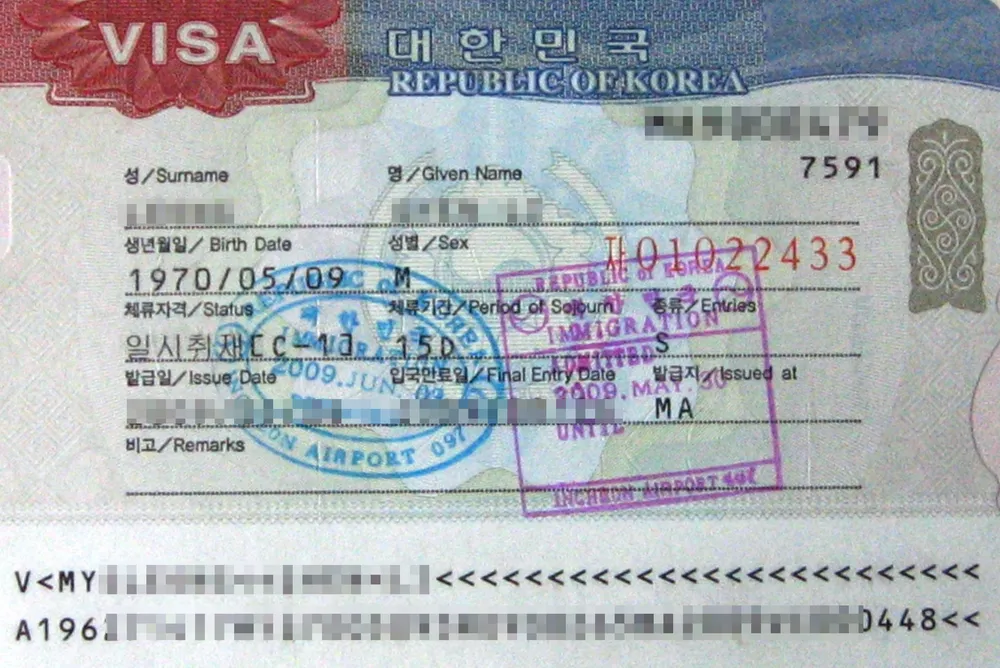
Korea is globally recognized for its high standards in medical, legal, and academic fields. As the domestic market expands, the demand for foreign professionals continues to grow. If you’re a foreigner aspiring to work as a doctor, lawyer, or professor in Korea, it’s crucial to gather comprehensive information about licensing requirements and the practical working environment. While cultural, linguistic, and institutional barriers can be challenging, meeting the necessary qualifications can open doors to a successful professional career in Korea.

This article provides an overview of the licensing process for foreign professionals in Korea and how international qualifications can be recognized. We will focus on key professional fields—medicine, law, and academia—outlining the requirements, work environment, and key considerations for each profession.

Doctors in Korea: Korean Medical License vs. Foreign License Recognition

To practice medicine in Korea, obtaining a Korean medical license is generally required. This involves graduating from a Korean medical school (6-year program) or a medical graduate school (4-year program) and passing the Korean Medical Licensing Examination (administered by the Korea Health Personnel Licensing Examination Institute, or KHPLEI). Foreign-trained doctors must have their education and training recognized as equivalent to Korean standards before they can take the exam. Additionally, fluency in Korean is essential for medical practice.

However, foreign doctors can work in Korea in non-clinical roles such as research or medical consulting without obtaining a full medical license. Foreign-trained physicians may be employed as consultants under contractual agreements that prohibit direct patient care. Many foreign doctors in Korea work in fields like basic medical research, pharmaceutical consulting, or biotechnology. For those wishing to engage in clinical practice, obtaining a Korean license is mandatory, which requires extensive preparation and Korean language proficiency.

Doctor

Lawyers in Korea: Law School & Bar Exam vs. Foreign Attorney Registration

To practice law in Korea, one must graduate from a Korean law school (3-year program) and pass the Korean Bar Exam. The traditional bar exam system has been phased out in favor of a law school-centered system. Admission to Korean law schools requires a domestic university degree (or equivalent), proficiency in Korean, and passing the Law School Admission Test (LEET).

Foreign lawyers can also work in Korea under the “Foreign Legal Consultant” system. Foreign attorneys with valid licenses from their home countries can register with the Korean Ministry of Justice and provide legal advice on foreign laws. However, they cannot represent clients in Korean courts or handle domestic legal matters without obtaining a Korean law license. Many foreign attorneys work for international law firms in Korea, specializing in areas such as cross-border investments, mergers and acquisitions, and intellectual property.

Professors in Korea: University & Research Institutes, English Lectures vs. Tenure Positions

To become a professor in Korea, candidates must go through official recruitment processes at universities or research institutes. A Ph.D. is typically required, along with a strong academic research record (publications, journal articles, etc.). Foreign professors are often invited to teach at international departments or exchange programs where classes are conducted in English, reducing the necessity for Korean language proficiency.

However, securing a tenure-track position requires competing with Korean applicants under the same evaluation standards, including document reviews and interviews. While some universities prioritize hiring foreign faculty, substantial academic achievements and an international research presence are crucial. Many foreign scholars start as adjunct or visiting professors before transitioning to full-time positions. In research-focused universities, faculty members are expected to secure research grants and publish in prestigious journals (e.g., SCI-indexed journals).

Work Visa and Language Requirements: Common Challenges

Regardless of the profession—whether a doctor, lawyer, or professor—Korean language proficiency is nearly essential in the workplace. Professional roles that involve direct interaction with patients, clients, or students require fluency in Korean. While certain positions, such as English-language instructors or foreign legal consultants, may have fewer language requirements, basic Korean communication skills are still necessary for long-term residency and integration.

Visa categories vary by profession. Professional work visas include E-5 (Specialist) and E-7 (Specific Occupation), whereas individuals with permanent residency or spousal visas (F-category) have more flexibility. Professional visas require sponsorship by an employer, such as a hospital, law firm, or university. Foreign professionals must carefully review visa requirements and renewal procedures, as freelance work is generally not permitted under these visas.

Required Documents and Procedures: Licensing Exams, Qualification Reviews, University Hiring

For foreign professionals seeking official recognition in Korea, the process typically involves the following steps:

  1. Obtaining notarized and translated academic and professional certificates.
  2. Submitting documents for validation by the relevant authorities (e.g., the Korean Medical Association, the Korean Bar Association, the Ministry of Education).
  3. Taking mandatory licensing exams if required, with potential additional requirements such as clinical internships or supervised training.
  4. Securing employment at a hospital, law firm, or university through a formal contract.

Since the review process can take considerable time, it’s advisable to prepare documents well in advance and confirm procedures with relevant institutions. For example, the verification of foreign degrees and licenses by Korean administrative bodies can take several months. Additionally, licensing exams are conducted primarily in Korean, making intensive language preparation necessary.

Reality and Challenges: Is It Worth the Effort?

Korea’s medical, legal, and academic fields are highly competitive, making it difficult for foreign professionals to enter the market. However, as globalization progresses, opportunities are emerging in specialized fields such as medical services for foreign patients, cross-border legal cases, and international research collaborations.

For instance, hospitals catering to international patients seek multilingual doctors, while law firms specializing in global mergers and patent disputes require foreign legal experts. Universities increasingly favor foreign faculty members with extensive international networks and high-impact research records. The key to success is possessing a unique competitive advantage—whether expertise in a niche field, strong research credentials, or a well-established professional network.

Case Study: An American Doctor’s Journey to Practicing in Korea

Dr. M, a Harvard Medical School graduate and board-certified internist in the U.S., decided to move to Korea after marrying a Korean spouse. Initially, his U.S. credentials did not grant him full medical practice rights in Korea. He invested time in learning Korean and submitted documentation to the Korea Health Personnel Licensing Examination Institute to qualify for the licensing exam. After months of paperwork processing, he was finally permitted to take the test.

The exam was rigorous, but his extensive clinical experience and dedicated Korean language study helped him pass. He was later hired as an internal medicine specialist at a major Korean hospital, managing both international and Korean patients. Dr. M reflected, “It took me over two years to prepare, and mastering Korean was the hardest part. But I now offer a unique service that benefits both the hospital and patients.”

Conclusion: Long-Term Planning and Thorough Preparation Are Essential

Pursuing a professional career in Korea as a foreigner is a challenging endeavor due to licensing, language, and visa requirements. It’s not a short-term goal but a long-term journey requiring careful preparation.

That said, Korea’s growing market and demand for global expertise create viable opportunities for foreign professionals. Whether it’s treating international patients at a Korean hospital, working as a foreign legal consultant in an international law firm, or leading research collaborations at a university, paths exist for those with the right expertise and determination.

The keys to success are thorough research, perseverance, and adaptability. Networking with professionals who have navigated the same path and seeking guidance from relevant associations and institutions can also be invaluable. Although the journey is rigorous, the rewards and professional fulfillment make the effort worthwhile.

Foreign Professionals in Korea

Webring Newsletter

K-Name Studio: Create your perfect Korean name based on your personality and style.
What’s My K-Beauty Personal Color?
WeBring Service : Provides personalized services to foreigners living in Korea
Exclusive offer: Introducing foreign car rental in Korea, WeBring-SoCar

Private Health Insurance for Foreigners in Korea: Why You Need It

What Is Private Health Insurance and Why Do You Need It?

Limitations of the National Health Insurance (NHI)

Private Health Insurance for Foreigners in Korea? As a foreign resident in Korea, unexpected medical expenses due to illness or accidents can arise. While being enrolled in the National Health Insurance (NHI) is mandatory, it does not cover all costs. Certain treatments such as MRI scans, ultrasounds, specific injections, and Oriental medicine treatments may not be fully covered or covered at all. Additionally, major surgeries and extended hospital stays can leave you with significant out-of-pocket expenses, sometimes exceeding millions of won.

The Role of Private Health Insurance

Private health insurance, also known as “Actual Expense Medical Insurance” (실손의료보험 or “silson”), reimburses a portion of the medical expenses that you pay out-of-pocket. For instance, if your hospital bill is 1 million KRW, and NHI covers 700,000 KRW, you would be responsible for the remaining 300,000 KRW. However, with private health insurance, you can typically receive 80–90% reimbursement on that amount, depending on your policy.

This insurance is particularly useful for covering expensive tests and non-reimbursed treatments such as manual therapy, specialized injections, and MRI scans. It serves as a financial safety net, preventing you from facing excessive medical bills.

Private Health Insurance for Foreigners in Korea

Can Foreign Residents Apply for Private Health Insurance?

Basic Eligibility for Foreigners

Foreign residents who live in Korea for an extended period are generally eligible to purchase private health insurance. Major insurance providers such as Samsung Fire & Marine, Hyundai Marine & Fire, and DB Insurance offer policies either specifically designed for foreigners or available to them through general insurance plans.

To apply, you will typically need:

  • Passport
  • Alien Registration Card (ARC)
  • Proof of residence in Korea (e.g., rental contract, employment certificate, or student ID for international students)

If you are employed, you may be able to join a company-sponsored group insurance plan, and universities sometimes offer student insurance packages. However, insurers may require additional screening based on nationality, visa status, and medical history.

Residency Duration and Visa Type

Typically, you need at least a six-month stay in Korea to qualify for private health insurance. Those on short-term visas (e.g., less than three months) may find traveler’s insurance a better fit. Long-term visa holders, such as those on work (E-visa) or residency (F-visa) permits, often have an easier time obtaining coverage.

Coverage Details: Non-Reimbursed Treatments and Optional Riders

Standard Coverage: Reimbursed and Non-Reimbursed Medical Expenses

Private health insurance supplements NHI by reimbursing a portion of your co-payment for covered treatments. For example, if an MRI scan costs 800,000 KRW and NHI only covers 300,000 KRW, the remaining 500,000 KRW would be your responsibility. A typical policy would reimburse 90% of this amount, leaving you with only 50,000 KRW to pay.

Additionally, it covers non-NHI treatments, such as manual therapy, shockwave therapy, and specialized injections, within a specified limit.

Insurance products have separate options for reimbursed and non-reimbursed treatments, allowing you to choose whether you want additional coverage for non-reimbursed services. Since foreigners often require additional medical care (e.g., Oriental medicine, manual therapy, or specialized tests), it’s crucial to assess whether adding these options is beneficial.

Out-of-Pocket Deductibles

Private health insurance does not cover 100% of the medical expenses. Policies include deductibles, usually ranging from 10–20%, meaning you will be responsible for a small percentage of your medical bills. Lower deductibles generally result in higher insurance premiums, so you should select a balance that matches your healthcare needs.

Tips for Choosing the Right Policy

1) Pre-Existing Medical Conditions

If you have a pre-existing condition, your application may be rejected or come with limited coverage. Severe health conditions such as cancer or heart disease often lead to policy denial, while minor conditions may result in higher premiums. Insurers require full disclosure of medical history, and failure to provide accurate information can result in denied claims.

2) Comparing Multiple Insurance Companies Is Essential

Insurance coverage, deductibles, and reimbursement rates vary by provider. Some insurers are more accommodating to foreign applicants, while others impose stricter screening procedures. Compare at least two to three insurance companies before making a decision. Additionally, certain providers offer English-speaking customer support, making it easier for non-Korean speakers to navigate the process.

3) Policy Renewal Period

Private health insurance in Korea typically renews annually, and premiums may increase based on factors like age and claim history. If you plan to stay in Korea long-term, be sure to monitor your renewal conditions every year. Canceling your policy midway might require a new application process when re-enrolling, which could be subject to stricter underwriting.

Real-Life Example: A Case Study of an International Student

A (24-year-old American student) has been living in Seoul for two years. Despite having NHI, he was concerned about high dental expenses. After researching multiple insurers, he selected a policy from B Insurance that included standard private health coverage plus a non-reimbursed dental rider. The plan cost around 50,000 KRW per month with a 20% deductible and covered manual therapy and MRI scans.

A few months later, A injured his knee and required MRI testing and physical therapy at a university hospital. His out-of-pocket medical expenses totaled 600,000 KRW, but thanks to his private insurance, he was reimbursed 480,000 KRW (80%), ultimately paying only 120,000 KRW himself. Without this coverage, he would have faced a significant financial burden. In hindsight, he considered the monthly 50,000 KRW premium a worthwhile investment in his financial security.

Conclusion: NHI + Private Health Insurance = Comprehensive Protection

For long-term foreign residents in Korea, National Health Insurance (NHI) is mandatory, but private health insurance can offer extra protection against high medical costs, especially for non-reimbursed services. Since certain medical services can be disproportionately expensive, having private insurance significantly alleviates the cost burden.

However, due to variations in pre-existing condition policies, deductibles, and non-reimbursed treatment riders, careful comparison is necessary.

While no one wishes to need insurance, medical emergencies can happen unexpectedly. Many foreigners regret not having private coverage when they face high medical expenses for hospital stays, advanced treatments, or surgeries.

By investing a small monthly premium, you can secure peace of mind and financial stability. Use this guide to understand the best private health insurance options available for foreign residents in Korea, and choose a plan that best suits your needs.

Foreigners in Korea Need Private Health Insurance

Private Health Insurance for Foreigners in Korea

Webring Newsletter

K-Name Studio: Create your perfect Korean name based on your personality and style.
What’s My K-Beauty Personal Color?
WeBring Service : Provides personalized services to foreigners living in Korea
Exclusive offer: Introducing foreign car rental in Korea, WeBring-SoCar