Hanbok Rental: Experience Korean Palaces in Traditional Attire

If you’re a foreign traveler visiting Korea, you may have dreamed of strolling through a traditional royal palace in a hanbok at least once. Hanbok is Korea’s traditional attire and a symbolic garment steeped in centuries of history and cultural meaning. Its vibrant yet elegant colors, voluminous skirt lines, and graceful curves exude a captivating charm that makes anyone say, “I’ve always wanted to try it on.” In this blog post, we’ll explore the experience of a hanbok rental and strolling through representative Korean palaces such as Gyeongbokgung and Changdeokgung. Experiencing the historical significance of these palaces alongside the emotional depth of wearing a hanbok offers one of the most authentic ways to connect with Korean culture.

Starting Your Hanbok Rental: Choosing the Perfect Design and Color

Hanbok rental shops are conveniently concentrated around Gyeongbokgung, Changdeokgung, and Changgyeonggung in Seoul, making it easy to stop by a shop before heading into the palace. One of the most exciting parts of the renting process is contemplating which design and color scheme to choose. From soft pastel tones to bold, primary-colored hanboks with striking accents, the variety makes the selection process feel like a mini fashion show.

Women’s hanbok typically consists of a jeogori (jacket) and a voluminous skirt, with more billowing styles offering a grander look. Men’s hanbok usually includes pants, a jeogori, and a vest or a durumagi (overcoat), with color matching playing an important role in creating a refined feel. Couples and friends sometimes coordinate matching hanboks, creating delightfully charming scenes for onlookers as well.

The Charm of Palace Strolls in Hanbok: Immersive Scenery & Stunning Photos

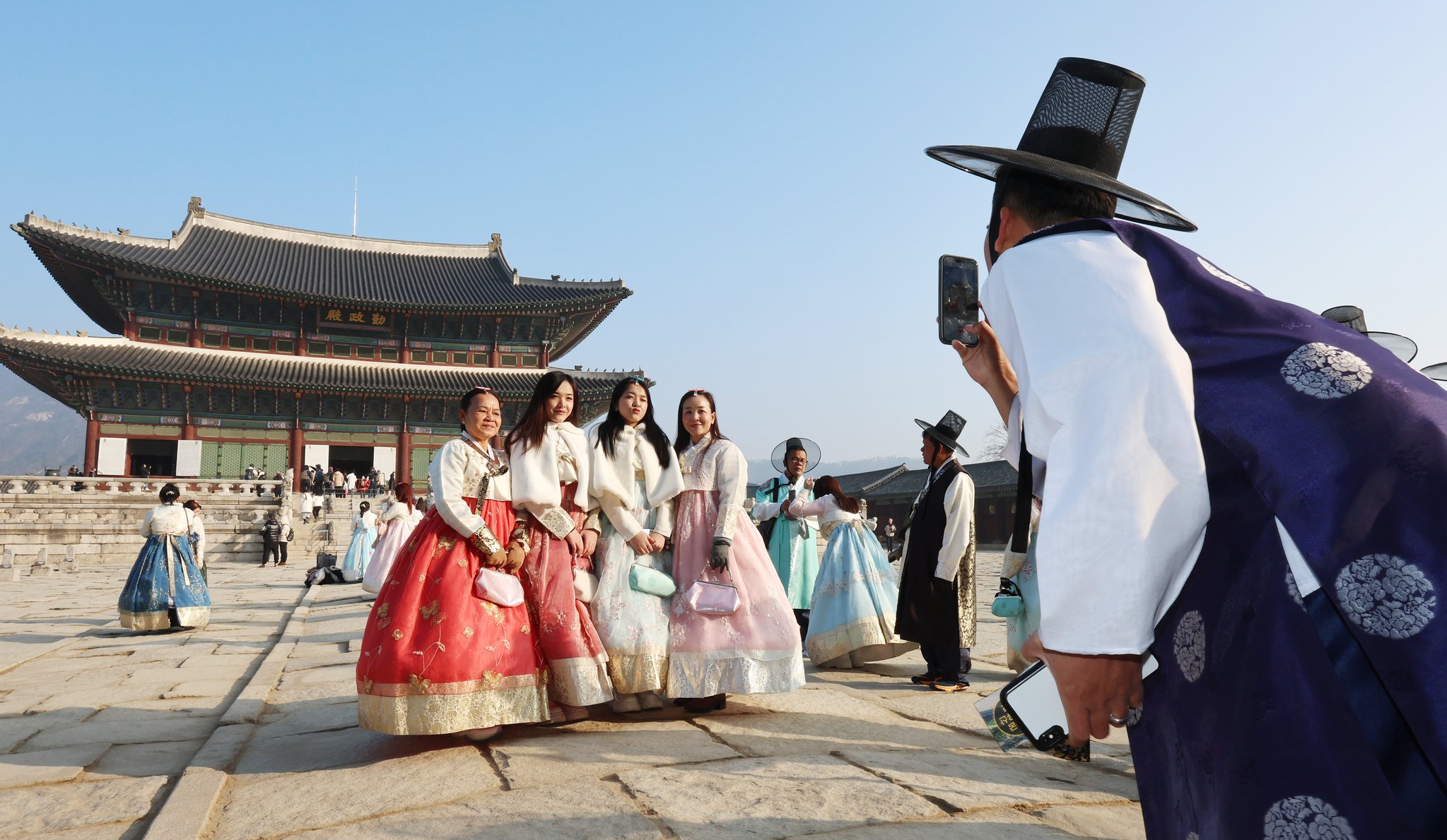
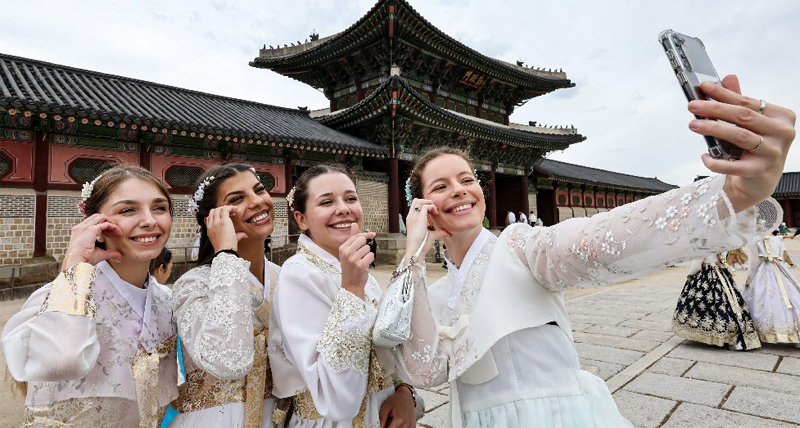
Once you step into a palace wearing hanbok, the architecture takes on a whole new perspective. Many describe it as feeling like they’ve been transported back to the Joseon Dynasty, either as royalty or nobility. Korean palaces are renowned for their architectural harmony, combining colorful dancheong patterns, soaring columns, and graceful tiled roofs that evoke a serene atmosphere. Posing for photos in this setting while wearing a hanbok feels like capturing a moment from a time-travel experience—making these palaces top contenders for bucket-list photo spots.

At Gyeongbokgung, prime photo spots include the expansive courtyard in front of Geunjeongjeon and the scenic pond near Gyeonghoeru. At Changdeokgung, the picturesque Secret Garden provides stunning natural backdrops. Autumn foliage and winter snow elevate the palace ambiance even further, allowing visitors to enjoy the seasonal charm. Many visitors also love capturing spontaneous snapshots, like the flow of hanbok sleeves caught in the breeze, and sharing them on social media to eternalize the memory.
Hanbok at the Palace

Etiquette and Comfort: How to Fully Enjoy Wearing Hanbok

While wearing hanbok, people naturally become more mindful of their posture and manners. Since palaces are historic and cultural sites, behaviors that cause excessive noise or potential damage to structures should be strictly avoided. Because hanbok skirts and pants tend to be long and the jeogori fits differently than Western clothing, it’s wise to exercise caution when walking or climbing stairs. For instance, gently holding the end of your skirt as you walk prevents it from dragging or getting dirty.

Wearing hanbok doesn’t mean you need to be overly formal, but maintaining proper etiquette and graceful posture can feel like a delightful bit of role-play. For foreign visitors, it creates an immersive experience—“Is this what it feels like to be a character from Korea’s historical past?” Many are inspired to develop a deeper appreciation for Korean culture as a result.

Nearby Experiences: From Traditional Tea to Tasty Snacks

After walking around in your hanbok for a while, you’re likely to feel a bit peckish. That’s the perfect time to visit a nearby café for traditional Korean tea or enjoy light snacks. Just a short walk to areas like Insadong, Bukchon, or Seochon gives access to a variety of atmospheric teahouses. Savoring jujube tea, citron tea, or green tea while dressed in hanbok creates yet another unforgettable experience. Alternatively, strolling palace alleyways with street foods like hotteok (sweet pancakes), fish cakes, or spicy tteokbokki is a fan-favorite activity among travelers.

Some travelers opt for visually appealing hanok cafés, where tradition meets modernity. While you may attract curious glances in your hanbok, they are often filled with admiration—“That traveler looks like they’re having such a great time.” Places with Instagrammable interiors allow your hanbok attire to beautifully complement the vintage ambiance, ensuring memorable photo ops.

Practical Tips: Rental Duration and Costs

Hanbok rental rates are typically structured around four-hour or full-day sessions. While prices vary somewhat depending on the area and shop, renting a full set—hanbok, underskirt, and accessories like hairpieces—is generally affordable. Optional extras such as norigae (ornamental pendants), vests, or hair and makeup services may increase the cost, so it’s a good idea to check in advance.

If you’re looking to save on palace admission fees, take advantage of the policy allowing free entry when wearing a hanbok (subject to change depending on the season or special events). However, since international visitors have significantly increased in number, there might be waiting times at rental shops or palace entrances during weekends and peak travel seasons, so plan your itinerary with some flexibility to avoid delays.

In Conclusion: Immersed in the Scenery of a Bygone Era

Walking through a royal palace in hanbok is a meaningful experience not only for Koreans, but also for international tourists—evoking feelings of stepping into an entirely different world. When you, dressed in traditional Korean attire, walk the very grounds once tread by kings and ministers, it creates a uniquely emotional and unforgettable moment. Alongside the respectful appreciation of historic heritage, observing how these landmarks harmonize with today’s urban lifestyle adds yet another layer of beauty.

If you ever get the chance to visit Korea, renting a hanbok and strolling through a traditional palace is a must-try adventure. In the midst of a busy life, it allows you to pause and reconnect with timeless elegance and history. As you catch a glimpse of your skirt hem fluttering in the breeze or the graceful sway of a jeogori sleeve, you may well find yourself thinking, “This is the true elegance of Korean culture.” Whether captured in a photo or cherished as a vivid memory, this day will remain with you for years to come.

Hanbok at the Palace

Webring Newsletter

K-Name Studio: Create your perfect Korean name based on your personality and style.
What’s My K-Beauty Personal Color?
WeBring Service : Provides personalized services to foreigners living in Korea
Exclusive offer: Introducing foreign car rental in Korea, WeBring-SoCar


Korean Language Institute: Your Guide to Choosing the Right One

For those planning to study in Korea—whether through a full degree program, exchange program, or graduate school—Korean language institutes (어학당) serve as an essential starting point. Your choice of language institute can significantly impact the speed and quality of your Korean learning, as well as your chances of being accepted into degree programs. However, with many university-affiliated and private institutes offering different programs, beginners may feel overwhelmed when trying to decide where to begin.

This post explores the key factors to consider when choosing a Korean language institute, how programs vary depending on your TOPIK goal level, and useful practical tips to know before enrollment.

1) Types of Language Institutes: University-Affiliated vs. Private Academies

First, it’s important to understand that there are two major types of Korean language institutes: university-affiliated programs and private academies. Many university-affiliated language centers are operated directly by Korean universities and typically follow a quarterly system (spring, summer, fall, winter), offering 10- to 12-week programs per term. Tuition generally ranges from KRW 1.6 million to KRW 2 million per term. These programs usually feature organized curricula and well-equipped facilities, making them a stable choice for long-term study.

On the other hand, private academies tend to offer more flexibility with rolling admissions and a variety of class options, including beginner to advanced levels and private tutoring. Tuition may be lower than university programs, but the quality varies significantly, so it’s important to check reviews or get personal recommendations. Private academies are often favored by those with limited time or who seek intensive one-on-one instruction.

Korean language institute

2) TOPIK Target Level and Study Duration

The Test of Proficiency in Korean (TOPIK) is the most recognized exam for evaluating Korean language proficiency. Your choice of language program should align with your goals—whether it’s reaching TOPIK Level 3 for university admission, or aiming for Level 4 or higher to qualify for scholarships or jobs.

Generally, achieving TOPIK Level 3 requires at least 6 months to 1 year of study through beginner and intermediate levels. However, your personal language aptitude and study effort will play a large role, and a longer period is usually required to move from intermediate to advanced levels. It is important to evaluate your current proficiency and set clear goals—such as aiming for a certain TOPIK level within a set number of months—then select a suitable program and duration accordingly.

3) Admission Periods and Application Process

Most Korean language institutes offer quarterly sessions throughout the year (spring, summer, fall, winter). Be sure to check application deadlines, which usually close at least a month before the term begins. Required documents typically include a passport copy, graduation certificate, academic transcripts, and proof of financial support. Depending on your country, you may also need apostilles or certified translations.

Especially for those applying for a D-4 (language training) visa, obtaining an acceptance letter from the language institute is essential. Make sure to follow the application timeline precisely, or you may miss your term or experience visa delays. Check the school’s official website or contact the international office in advance to confirm the specific deadlines and required documents.

4) Curriculum Comparison: Intensive vs. Part-Time

Most language programs offer intensive courses that run for 20–25 hours per week (4–5 hours per day). These programs can dramatically improve language skills, but they may also leave little time for part-time jobs or other personal activities.

Some institutes offer part-time courses with fewer than 10 hours per week, or weekend classes. These are ideal for combining with work or other studies, though they are slower-paced and potentially less effective. If your goal is to pass TOPIK quickly, an intensive course offers the most efficient path. Supplementing with extra review and speaking practice outside of class can further boost your progress.

5) Class Atmosphere and Teaching Methods

Even within the same university-affiliated institute, class atmosphere and teaching styles may vary by level and instructor. Some classes focus on conversation and speaking, while others emphasize grammar and reading comprehension. If you have specific needs—such as wanting more speaking practice or focused TOPIK test prep—it’s wise to review the curriculum and check teacher evaluations before classes begin.

In fact, students sometimes seek language exchange meetups or study groups to supplement classes that lack speaking opportunities. Conversely, those good at speaking but weak in grammar may benefit more from curriculum-heavy grammar-focused classes. Asking staff or senior students about course characteristics in advance can help ensure a better fit.

6) Facilities and Surrounding Environment

The location of the language institute—on campus or within the city—is also important. Check whether dormitory housing is available or if off-campus options like studio apartments or shared houses are nearby. It also helps to ensure the area has ample library space or quiet study environments.

Convenient transport and active student clubs or exchange events with Korean students can provide more opportunities to practice Korean in real-life situations. Also, check for nearby restaurants, supermarkets, and useful amenities. Choosing a location where you can interact with Korean friends and engage in local experiences may help you use Korean more often in daily life. Institutes in quieter suburban areas might be great for focused study, but they may offer fewer cultural experiences, so weigh the pros and cons carefully.

7) Tuition and Scholarship Programs

University-affiliated institutes usually have higher tuition but benefit from larger student communities and more stable instructional quality. In contrast, private academies often offer more affordable pricing, short-term courses, or flexible personal lessons. Consider your budget and whether you can commit to daily intensive study before making a decision.

Some language institutes offer scholarship programs for students with high attendance rates or academic excellence. Occasionally, bonus scholarships are awarded for achieving certain TOPIK levels. To avoid missing out on these chances, be sure to regularly monitor the school’s website and official announcements.

8) Field Activities and Cultural Experience Programs

Many university-affiliated language institutes organize regular cultural activities beyond language classes. These could include wearing hanbok (traditional clothing), cooking traditional Korean foods, temple visits, K-POP dance or Taekwondo sessions, and participation in local festivals. Such programs provide real-life practice of Korean language skills and a vivid introduction to Korean culture.

Participating with classmates in cultural activities can also strengthen bonds and naturally lead to more Korean-language partnerships. These extracurricular elements can be just as important as tuition in evaluating a language program.

9) Leveraging Alumni Experiences and Reviews

One of the best ways to gather realistic information about a language institute is to read reviews and testimonials from former students. Through online communities, social media, or blogs, you can find valuable insights that aren’t listed on official websites—such as classroom atmosphere or teaching style. For example, “Institute A has strict attendance policies but excellent instruction quality,” or “Institute B is fun and conversation-focused but weak in grammar structure.”

Look for open chat rooms on KakaoTalk or Facebook groups in your native language, where international students share advice on school reputation, textbooks used, or how class levels are structured. These firsthand accounts can be crucial to your decision-making process.

10) Final Decision and Mindset

Ultimately, the most important factor in choosing a language institute is knowing why you want to learn Korean and what your goals and timeline are. Are you pursuing a TOPIK score, deeper cultural immersion, or meeting language requirements for a degree program? Having a clear purpose will help keep you focused throughout your studies.

No matter which institute you attend, your personal dedication and study habits will heavily influence your progress. Attending classes without reviewing afterward will limit your improvement. On the other hand, making Korean friends, joining language exchanges, and watching K-dramas or variety shows can make your learning journey more dynamic and enjoyable.

Conclusion

Choosing the right Korean language institute involves considering many factors, but taking the time to make a thoughtful decision can significantly shape your study abroad experience. Find a program that matches your goals, budget, and lifestyle so you can build a solid foundation in Korean, pass TOPIK, and take the next steps toward your academic or career goals. Though your time in a language program may seem brief, it lays the cornerstone for your journey in Korea.

Korean language institute

Webring Newsletter

K-Name Studio: Create your perfect Korean name based on your personality and style.
What’s My K-Beauty Personal Color?
WeBring Service : Provides personalized services to foreigners living in Korea
Exclusive offer: Introducing foreign car rental in Korea, WeBring-SoCar
Top 3 Korean Gukbap: Seolleongtang, Gamjatang, Dwaeji-gukbap

When talking about Korean food culture, one dish that can’t be left out is “gukbap.” Gukbap, literally meaning “soup with rice,” is a quintessential comfort food beloved by the masses. It fills the stomach and captures the humble spirit of Korean cuisine. There are countless types of gukbap, but among them, three are often referred to as the “Top 3 Korean Gukbaps”: seolleongtang, gamjatang, and dwaeji-gukbap. In this article, we’ll explore the unique characteristics and historical backgrounds of each, along with tips on how to best enjoy them.


1) Seolleongtang: Clear, Deep Broth with a Touch of History

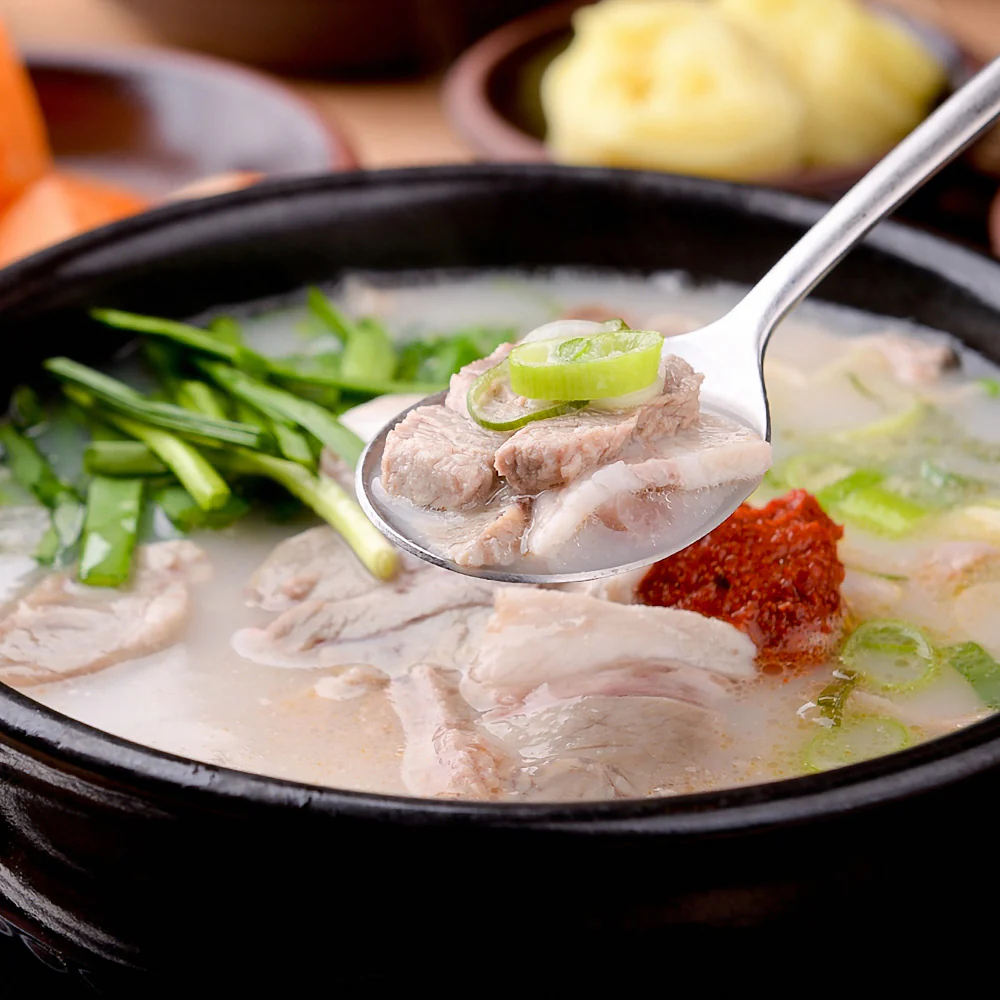
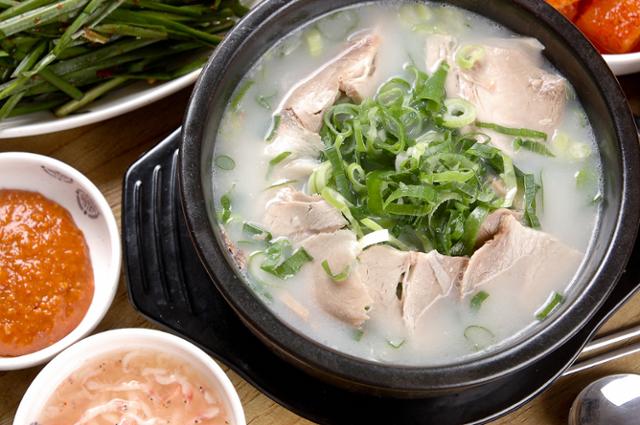
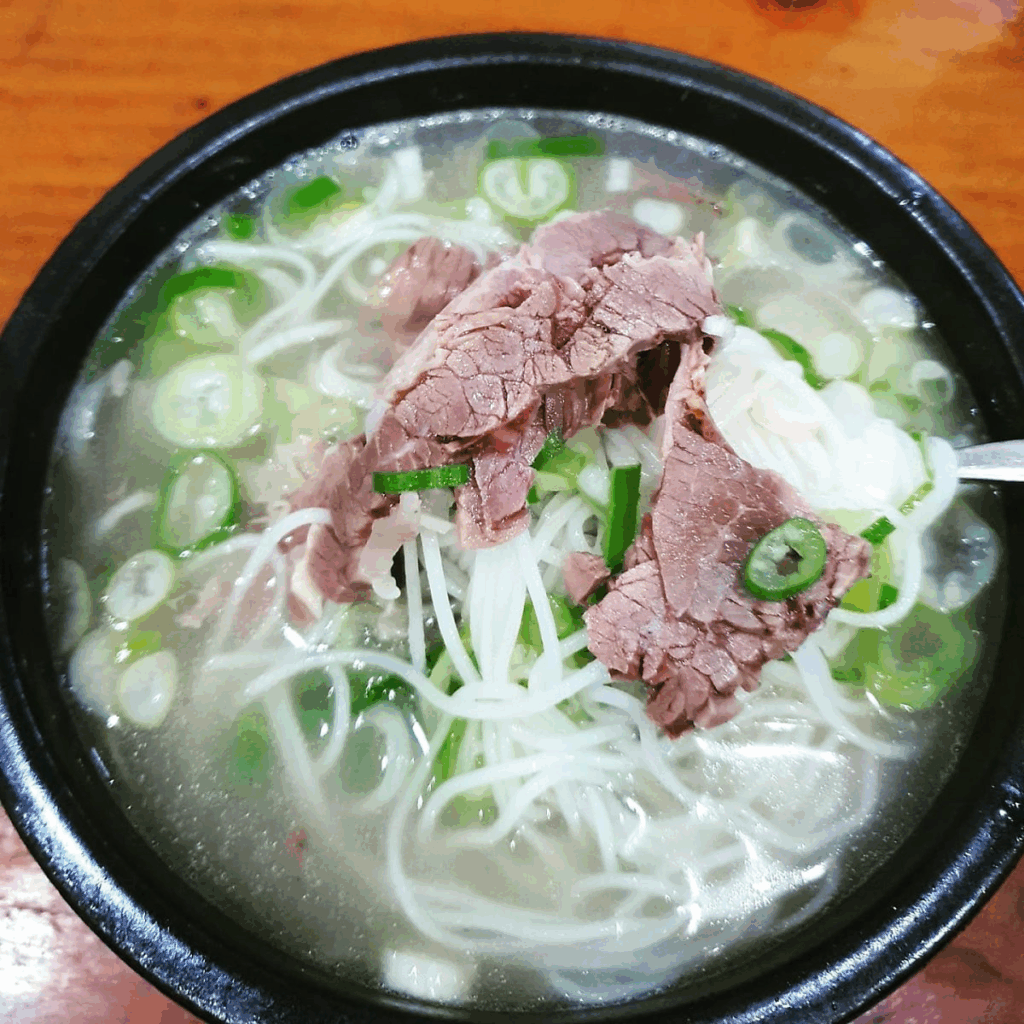
Seolleongtang is a dish made by simmering ox bones, head, internal organs, and various cuts of meat for hours to create a rich, milky-white broth into which rice is added. The color of the soup is generally opaque white, and its taste varies subtly depending on the region and how each restaurant prepares it.

The Origin of Seolleongtang

It is believed that seolleongtang originated during the Joseon Dynasty. According to legend, after the king held the Seonnongje (先農祭)—a ritual to pray for a good harvest with his officials—an entire ox was boiled in a large pot and served at a feast. Over time, the dish evolved from “Seonnong-tang (Seonnong + soup)” to today’s “Seolleongtang.”
While there may be discrepancies from official historical records, what’s certain is that seolleongtang has long been a staple among the general populace. Back in difficult times, simmering a whole cow to extract every bit of nutrition into a single bowl of soup with rice made for a nutritious and satisfying meal.

Flavor Profile and How to Enjoy

Though the broth of seolleongtang is cloudy, its taste is clean and not overly rich. Depending on the ratio of bones, offal, and simmering time, the umami flavor can vary from place to place.
Since seolleongtang is typically served without much seasoning, it is customary to adjust the flavor at the table with salt, pepper, and chopped green onions to your liking. Pairing it with side dishes like kkakdugi (radish kimchi) or napa cabbage kimchi enhances the experience. There’s nothing quite like that first spoonful of hot soup served in a stone bowl, followed by the savory depth of flavor that seeps out the longer you chew—it’s the true charm of seolleongtang.

Seolleongtang


2) Gamjatang: Hearty Flavor Clinging to the Bone

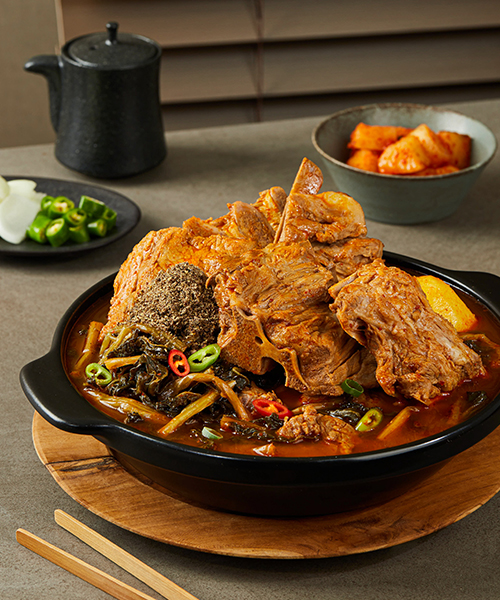
Despite its name, gamjatang doesn’t get its name from potatoes. Rather, its main ingredient is pork spine. Potatoes, spicy seasonings, and hearty greens are added and slow-cooked into a flavorful stew. When poured over rice, it becomes a satisfying gukbap that warms both body and soul. Depending on the region and preparation, it’s also known as “bone hangover soup” or “bone stew.”

The Name “Gamjatang” – Where It Comes From

There are several theories regarding the origin of the name “gamjatang.” One suggests that pork spine was colloquially referred to as “gamja bones,” while another attributes the name to the addition of large chunks of potato to the broth. During cooking, potatoes release starch, thickening the soup naturally and enhancing the richness of the pork-based broth.

Spicy and Deeply Savory

Gamjatang is spicy, savory, and often chosen as a hangover cure. The deep broth made from pork spine, layered with napa cabbage leaves, perilla leaves, and other greens, adds a rustic earthiness.
The joy of gamjatang comes from stripping the meat from the bone and mixing the remaining broth with rice for a final, spicy spoonful. Some restaurants even offer fried rice made with the leftover broth at the end of a meal—a bonus treat that’s hard to resist no matter how full you are.

Gamjatang


3) Dwaeji-gukbap: A Hearty Pride of Busan and Gyeongsangnam-do

Dwaeji-gukbap (pork soup with rice) is a beloved local dish in the southeastern regions of Busan and Gyeongnam. Made by simmering pork bones and leg bones into a thick stock, then generously topping it with sliced boiled pork and rice, it is considered a nourishing go-to meal by locals. Many even say, “One bowl of dwaeji-gukbap powers me through the whole day.”

Regional Variations

Even within Busan and Gyeongnam, preparation and taste differ by eatery. Some offer a milky-white bone broth, while others prefer a clearer, lighter soup. Some places mix in seasonings from the kitchen; others provide a condiment tray at the table so guests can customize the taste. A blend of green onion, chives, garlic, chili flakes, and a spicy sauce enhances the dish’s depth and complexity dramatically.

A Warm and Satisfying Meal

As its name suggests, dwaeji-gukbap doesn’t skimp on pork, offering a protein-rich and filling meal in a single bowl. To remove the odor associated with pork, ingredients like garlic, soybean paste, ginger, and even a splash of soju are added during the cooking process. This creates tender meat packed with flavor.
When enjoying this dish, it’s recommended to pair it with kkakdugi or napa cabbage kimchi. A touch of saeujeot (fermented shrimp) added to the bowl might seem unexpected, but it perfectly complements the porky broth, further enriching its flavor.

Dwaeji-gukbap


4) Tips for Enjoying Each Gukbap

These three gukbap varieties are beloved everyday meals in Korea, each with distinct character and flavor. For travelers, sampling all three and comparing their differences can be a deeply rewarding culinary experience. Here are a few tips to enhance your enjoyment:

  1. Side Dishes: Essential flavor enhancers include kimchi, kkakdugi, saeujeot (fermented shrimp), chopped scallions, and spicy sauces. Since the broth is usually mild, feel free to season it to your preference at the table.
  2. Best Timing: Though soups may seem like cold-weather or hangover food, Koreans enjoy gukbap year-round. Still, it can be especially comforting during rainy days, late nights, or when you’re feeling peckish.
  3. Local Specialties: While you can find decent gukbap in Seoul, specialty spots in their respective regions offer deeper, more authentic flavors. Try dwaeji-gukbap in Busan or Gyeongnam, visit a longstanding seolleongtang restaurant in Seoul, or explore gamjatang-focused eateries around the capital.

Conclusion: The Warmth of Korea’s Top 3 Gukbaps

Each bowl of gukbap carries deep meaning. It offers comfort to the working class, nourishment after a hard day’s toil, and a strong sense of regional food identity passed down through generations.
Whether it’s seolleongtang, gamjatang, or dwaeji-gukbap, each soup has a distinct flavor and history. What they share in common is the heartwarming, soul-satisfying experience they offer in a single bowl. For anyone traveling in Korea, trying all three and discovering your personal favorite is a journey worth taking. With each steaming spoonful, you’ll not only savor the flavor—but also feel the emotional depth of Korean cuisine at its finest.

Top 3 Korean Gukbaps

Webring Newsletter

K-Name Studio: Create your perfect Korean name based on your personality and style.
What’s My K-Beauty Personal Color?
WeBring Service : Provides personalized services to foreigners living in Korea
Exclusive offer: Introducing foreign car rental in Korea, WeBring-SoCar
Used Car for Foreigners: Complete Guide for Buying in Korea

One of the very first challenges foreigners face while staying in Korea is transportation. Although South Korea boasts a highly developed public transportation system, having your own vehicle allows for significantly more freedom and flexibility. However, buying a brand-new car can be too costly, and for those with a limited stay, exploring used cars for foreigners may seem like a practical alternative. That said, for those not fluent in Korean or unfamiliar with the domestic used car purchasing process, it can feel like a daunting task.

In this blog post, we’ll cover “A to Z of Buying a Used Car in Korea for Foreigners”, walking you through everything you need to know as a foreigner purchasing a used car in South Korea. From the necessary documents to step-by-step procedures and essential precautions, this guide will help ensure a safe and reasonable car purchase, even in an unfamiliar environment.


Used Car Basics for Foreigners: Why Choose a Used Vehicle?

Benefits and Purpose

There are various reasons why foreigners opt for used cars in Korea. Firstly, the lower cost is a major factor. Buying a new car requires significant upfront investment, which may be burdensome if your stay in Korea is not long-term. Secondly, there’s a perception that the paperwork and inspection process is simpler for used cars compared to new ones. While careful inspection is still necessary, used cars offer advantages in terms of cost and overall processes.

Another reason is the wider selection of vehicles. Korea has an active market with various used car brands and models, accessible both online and offline. This makes it easier to find a vehicle that fits your budget, preferences, and purpose—whether for commuting or weekend travel.

Features of the Korean Used Car Market

The used car market in Korea can be broadly categorized into offline dealerships and online platforms. In the Seoul metropolitan area, large dealership complexes are located near Bucheon Ojeong Agricultural Market, Suwon Auto Collection, Janghanpyeong, and Incheon. Online, you can browse listings through sites like Encar, K-Car, and Bobaedream. Some platforms offer basic English support for foreigners, but most are primarily in Korean.

Be aware of potential issues like false listings or unclear pricing. To stay safe, it’s best to use a reputable dealer or a certified used car center. Foreigners are often more vulnerable to scams, so bringing a trusted translator or seeking businesses that offer multilingual support can be very helpful.

Used Car for Foreigners


Step 1: Preparation and Document Requirements

1) Check Your Alien Registration Card and Visa Status

To buy a used car in Korea, you need an Alien Registration Card (ARC). Your vehicle registration eligibility depends on your visa type, so make sure your visa is valid—short-term tourist visas may not be eligible. Generally, those with long-term visas such as student (D-2), employee (E-7), or spouse (F-6) visas can purchase a vehicle.

You’ll also need identity documents like a driver’s license (an international driving permit is acceptable, though a Korean license is more convenient) and your passport. While you may assume a driver’s license is necessary to buy a car, technically it’s not required for ownership. However, if you plan to drive, having a license in advance is obviously advantageous.

2) Budget and Financial Planning

Start by setting your car purchase budget. Aside from the used car price, additional expenses include acquisition tax, registration tax, insurance premiums, and ownership transfer fees. Expect to pay around 7–8% of the vehicle price for acquisition and registration taxes—this may vary by region and vehicle category.

Factor in maintenance costs like fuel, servicing, and parking fees to avoid stretching your overall budget. Since foreigners may find it more difficult to open Korean bank accounts or acquire credit cards, consider preparing bank balance certificates or cash deposits in advance.


Step 2: Searching & Verifying a Vehicle

1) Explore Online Platforms

You can easily search for cars by model or price on platforms such as Encar, K-Car, and Bobaedream. Narrow your search by filters like year, mileage, and accident history. Once you find promising options, list them out. When contacting dealers through phone or message boards, mention that you’re a foreigner and ask if language support or interpreters are available.

Thoroughly review photos and specs—but to avoid fake listings, always insist on inspecting the car in person before purchase. Don’t be swayed by overly polished images or prices that seem too good to be true. Check the actual vehicle and take a test drive.

2) Visit Offline Dealerships

Another helpful strategy is visiting offline dealerships to talk directly with various dealers. Bring someone fluent in Korean or look up dealerships offering multilingual services in advance. A reliable dealer will transparently provide all information regarding car performance, repair history, and offer a proper test drive.

If possible, bring a mechanic or arrange an inspection at an auto shop. Checking the underbody, engine compartment, and frame condition is a crucial step in buying a used car. If a dealer refuses inspection, consider that a major red flag.


Step 3: Signing the Contract & Paperwork

1) Review the Sales Contract & Performance Report

Once you’ve chosen a car, sign a purchase contract with the dealer. This should clearly state the price, model, vehicle number, year, accident history, etc. You’ll also receive a “Performance Inspection Report,” a document legally required for dealers to disclose the vehicle’s condition. This helps determine liability if issues arise after purchase.

Since contracts may not be available in English, ask about translation assistance or carefully review Korean documents. Confirm return policies, compensation terms, and whether the vehicle has been flood-damaged. If the wording is unclear, don’t hesitate to demand clarification from the dealer.

2) Insurance Purchase

Anyone driving in Korea must purchase car insurance. In addition to mandatory liability coverage, you can opt for optional coverage like collision damage waiver (CDW). Foreigners will need their Alien Registration Number, and some insurers may set higher premiums based on driving history or nationality. Compare quotes from multiple companies to choose what’s right for you.

Even if the previous owner had active insurance, it does not carry over. A new vehicle owner must purchase a separate policy upon acquisition. Make sure insurance is active before driving the car home to avoid issues in case of an accident.

3) Vehicle Ownership Transfer

After signing and payment, the final step is transferring vehicle ownership. This is normally handled at offices within the dealership complexes or a regional vehicle registration agency. Foreigners follow nearly the same procedure as locals but are required to submit an Alien Registration Card. Some forms may substitute personal seals with signatures; it’s wise to check in advance if notarizations or document translations are needed.

Once registration is complete, you’ll receive a new vehicle registration certificate showing your name, address, and vehicle details. From this point forward, you are legally recognized as the vehicle owner—and responsible for related taxes and obligations.


After Purchase: Taxes, Maintenance & Responsibilities

Taxes, Insurance, and Routine Inspections

Once you own a car, you must pay vehicle tax periodically and undergo a regular car inspection (usually every two years). Notices are sent by local governments or made available online. If you’re late on tax payments, they can accumulate and potentially affect your departure from Korea.

Insurance must also be renewed yearly (or periodically). Short-term policies may be available for those with limited stays. Regular maintenance like engine oil changes and tire checks are also vital for safe driving.

Address Change & Vehicle Disposal on Departure

If your Korean address changes, you must update your vehicle registration with your local district office or DMV. This ensures that mails or tax bills are properly delivered to your new address. If you’re leaving Korea when your stay ends, the car must be either sold (resold/transferred) or scrapped. Sign a new sales contract to transfer ownership or have the vehicle deregistered at a scrap yard.

Exporting the vehicle is possible, but it involves complex procedures not suitable for typical tourists, students, or short-term residents. The easier option is usually selling the car back to a used car dealer in Korea.


Conclusion: A Safe Used Car Purchase Through Thorough Preparation

Buying a used car as a foreigner in Korea may seem complicated at first, but it is completely manageable if you approach each step carefully. Start with checking your Alien Registration Card and visa status, choose a vehicle based on your budget and purpose, and work with a trustworthy dealer or dealership center. Go through each process—sales contract, performance report, insurance registration, and vehicle transfer—diligently. If language is an obstacle, make sure to get interpretation support.

Don’t forget to stay on top of taxes, mandatory inspections, and observe safe driving habits post-purchase. If staying short-term, consider pre-planning your car sale or disposal strategy. In the end, detailed information gathering and careful steps will lead to a safe and satisfying used car purchase. The process might feel unfamiliar at first, but once you go through it, you’ll find it much easier—and life in Korea will become that much more convenient.

Used Car for Foreigners

Webring Newsletter

K-Name Studio: Create your perfect Korean name based on your personality and style.
What’s My K-Beauty Personal Color?
WeBring Service : Provides personalized services to foreigners living in Korea
Exclusive offer: Introducing foreign car rental in Korea, WeBring-SoCar
Chartered Buses vs Minivans: Choosing the Right Group Transportation

When planning group transportation, the first questions that usually come to mind are, “How many people will be joining?” and “Which type of vehicle would be the most efficient?” Some may recommend a minivan, while others advocate for a chartered bus. However, the best choice ultimately depends on the specific situation. In this article, we’ll compare chartered buses and minivans by group size, and go over the pros and cons of each. This vehicle selection guide applies not only to travel but also to corporate events, family gatherings, and group tours for foreign visitors—read through the various scenarios below to find the most suitable option for your needs.

Group of 10 or Less? A Minivan Is Practical

For small groups of 10 or fewer people, it’s often more advantageous to go with a minivan than to consider renting a full-sized bus. As the name suggests, a minivan is a mid-sized vehicle positioned between a small bus and a car, typically accommodating 7 to 9 passengers, or up to 11 seats in some models. Popular examples include the Kia Carnival, Hyundai Starex (or Staria), and international brands like Mercedes-Benz vans, with interior features and configurations that may vary by model.

Thanks to their relatively compact size, minivans are great for driving in urban areas, navigating narrow alleys, and parking in tight spots. If your itinerary includes frequent stops throughout the city, a minivan is significantly more convenient than a large bus. Because driving a smaller vehicle is easier, there’s less stress on the driver and fewer restrictions on where you can go. The vehicle’s agility also helps reduce travel time between destinations.

In small groups, it’s easier to maintain a fun and friendly atmosphere inside the vehicle. Whether you’re enjoying packed lunches during the ride or using a laptop in the back seat for a mini-meeting, the close-knit setting is ideal. Many minivans come with built-in entertainment systems, such as a TV or audio setup, providing just enough fun to enhance the ride.

Of course, minivans aren’t a flawless solution. If you’re close to the 10-person capacity and have a lot of luggage, trunk space can quickly become an issue. Legroom between seats isn’t always generous, which could lead to discomfort on long drives. And if one person is doing all the driving, you’ll need to plan for break times. That said, a flexible schedule—say, a 5–7 hour trip with breaks every 2–3 hours—can help offset these drawbacks and maximize a minivan’s strengths.

minivan

Group of 30 or More? Chartered Buses Are More Efficient

On the other hand, if you’re planning for a large group of 20 to 30 people or more, a chartered bus is significantly more cost-effective. These buses usually come in 25-seater (mid-size) or 45-seater (full-size) configurations, and most of them include spacious luggage compartments. For student retreats, corporate workshops, or large tour groups with foreign visitors—all requiring simultaneous travel to the same destination—chartered buses offer great advantages in both time management and cost savings.

Since chartered buses can transport a large number of passengers at once, you can synchronize departure and arrival times with precision. If multiple sedans or minivans are rented instead, syncing everyone’s schedule becomes difficult, and extra costs like parking fees and fuel charges can quickly add up. For events, seminars, or group trips with strict timetables, managing all participants in a single bus also helps organizers maintain better control.

Chartered buses are especially handy when there’s a lot of luggage. Whether you’ve got hard-shell suitcases, outdoor gear, promotional materials, or boxes of beverages, it’s far more convenient to load everything onto one bus rather than having to distribute the cargo across several minivans. The spacious undercarriage storage handles bulky items with ease, and you can make use of overhead racks and the aisle for extra room. Souvenirs or regional delicacies purchased along the way can also be comfortably stored.

However, due to their large size, chartered buses have limitations when navigating city streets or finding suitable parking. If your itinerary includes frequent urban stops, it may be difficult to find proper drop-off and parking zones. For groups of around 15—a somewhat ambiguous number—you might need to reassess whether renting a full-sized bus is truly efficient. A 25-seater mini-bus or two 11-seater minivans might be better suited.

Minivan vs. Chartered Bus: Cost Considerations & Travel Style

Cost is another important factor when choosing a vehicle. Generally, the daily rental fee for a minivan is lower than that of a chartered bus. However, if multiple minivans are required, the total cost may rise significantly. Chartered buses can often be rented for several hundred thousand Korean won per day, but the fewer the passengers, the higher the cost per person. Hence, for groups of 10 or fewer, minivans tend to be more cost-efficient, while groups of 20–30 or more usually benefit from chartered buses.

That said, travel style should also influence your decision. For example, if you have a group of around 12 people, you may wonder whether it’s better to rent “two minivans” or “one 25-seater bus.” A single bus simplifies coordination but may pose challenges when it comes to city parking or accessing narrow roads. It can also feel too spacious for a small group, making it harder to maintain a cohesive atmosphere. Two minivans offer more flexibility and easier parking but require two drivers and duplicate rental fees, which could be burdensome.

Ultimately, the right choice depends on various factors such as whether the route is city- or countryside-based, who will do the driving, how much luggage you’re bringing, and whether in-vehicle group activities (like games, singing, or discussions) are planned. With chartered buses, a driver is typically included, eliminating the stress of driving. However, keep in mind that your itinerary may need to align with the bus schedule and the driver’s required rest time.

Foreign Groups & Convenience

When dealing with tour groups or student gatherings from overseas, language and transportation culture barriers can add complexity. That’s why it’s often beneficial for foreign groups to stay together in a single vehicle. While it is possible to hire English-speaking drivers for minivans, larger groups are generally better served with a chartered bus featuring a guide who can double as an interpreter. Through in-vehicle microphones and speakers, it’s easier to deliver sightseeing information and schedule announcements all at once. A minivan works well for foreign groups of 10 or fewer, but for 15–20 people or more, a chartered bus is usually the go-to option.

Foreign travelers also tend to carry more luggage—extra suitcases and large shopping hauls are common. If all that can’t fit into a minivan, you may be left with no choice but to rent a larger bus. Spacious interiors also allow for cultural exchanges or group conversations during the ride, so it’s worth factoring in comfort when choosing a vehicle.

Conclusion: Choose Wisely Based on Group Size & Trip Purpose

In summary, minivans offer excellent mobility and convenience for small groups under 10 people. They’re especially well-suited for short, city-centric trips with family or friends. However, for parties approaching 30 people, or when there’s significant luggage and a longer route involved, chartered buses clearly become the more efficient option. Traveling together in a single large vehicle streamlines time, costs, and group management—making it ideal for events, business outings, and university trips.

Whether you choose a minivan or a chartered bus, be sure to consider the nature of your trip or event, budget, route, luggage volume, and other details. Request quotes from multiple providers and make sure to factor in driver fees, insurance, and fuel costs to make a well-rounded decision. With a well-thought-out plan and the right vehicle, even transportation can become part of the travel experience itself. Free yourself from the stress of driving, enjoy conversations and songs on the road, and build unforgettable memories of teamwork and fun.

Chartered Bus vs. Minivan

Webring Newsletter

K-Name Studio: Create your perfect Korean name based on your personality and style.
What’s My K-Beauty Personal Color?
WeBring Service : Provides personalized services to foreigners living in Korea
Exclusive offer: Introducing foreign car rental in Korea, WeBring-SoCar