Explore Seoul Inside the Four Great Gates: A Joseon Dynasty Journey

The area inside the “Four Great Gates” (Sadaemun-an) of Seoul refers today to the districts of Jongno-gu and Jung-gu, with Gwanghwamun as its center. This area has been the heart of the capital since the Joseon Dynasty. Known in the past as “Hanyang,” it was the core of politics, economy, and culture, and the scene of a vibrant urban life. Palaces, government offices, bustling markets, residences of nobles, and commoners’ neighborhoods all coexisted, creating a space full of stories that eventually became the very roots of modern Seoul. In this article, we’ll briefly look into how people lived inside the Four Great Gates during the Joseon era, and how the capital city was managed at that time.

Structure of the Four Great Gates and the Capital Fortress

The “Four Great Gates” region was established when King Taejo Yi Seong-gye founded Joseon and designated Hanyang as the capital, centering it on the royal palace, Gyeongbokgung. He ordered the construction of four main gates (Heunginjimun, Sukjeongmun, Sungnyemun, and Donuimun) along with four minor gates, surrounded by fortress walls. The purpose of this wall was both defense against invasions and maintaining urban order. People passed through the gates for trade, administration, and daily life, creating a lively hub of activity.

Royal palaces such as Gyeongbokgung, Changdeokgung, Changgyeonggung, Deoksugung, and Gyeonghuigung were distributed inside and around the gates, creating the center of governance. Surrounding these were government offices and residences of the Joseon aristocracy. At the same time, markets and commoners’ neighborhoods were interspersed throughout the city, resulting in a relatively dense population. Over time, the inside of the Four Great Gates developed into a dynamic and noisy metropolis, filled with bull carts, street merchants, government officials’ processions, and the daily echoes of ordinary people’s lives.
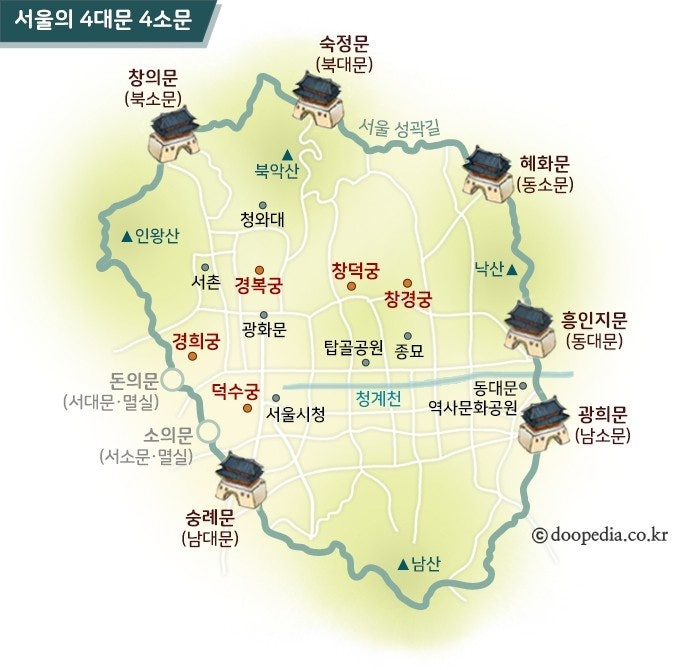
The Four Great Gates

Life of Nobles and Commoners

Inside the Four Great Gates, the noble class (yangban) led politics, scholarship, and culture, while commoners, middle-class professionals, and merchants sustained their livelihoods through various occupations. The yangban frequently moved between government offices and the royal palaces to manage state affairs and prepare for civil service examinations. Meanwhile, in the Jongno area, bustling markets and shops created an active commercial district. By the late Joseon Dynasty, peddlers and professional merchants increased, and the so-called “Jongno commercial network” rose to become a major axis of the national economy.

Living spaces also reflected social class distinctions. Nobles displayed their status by owning traditional Korean mansions (hanok) near Jongno or Bukchon (around Changdeokgung), while commoners rented modest houses or small shop buildings in alleyways. However, as the city expanded and markets grew, some upward mobility was possible. At the same time, poorer residents were pushed out to peripheral neighborhoods such as Nakwon-dong or Hyehwa-dong.

Market Culture and Commercial Growth

Within the Four Great Gates, government-licensed stores known as “Yukijeon” thrived. In the Jongno area, numerous textile shops, herbal medicine vendors, and hardware stores lined the streets. The Yukijeon monopolized sales of items such as silk, cotton, seafood, ginseng, medicine, and general goods, contributing to state finances. Meanwhile, independent merchants competed with them and provided diverse products, enriching urban life even further. Old paintings of these marketplaces illustrate the busy mixture of pedestrians, vendors, and street stalls.

From early morning until evening, the movement of goods and people never ceased. In the late Joseon period, with the wider circulation of Sangpyeong Tongbo (a standardized copper coin), commerce flourished more than ever. The Four Great Gates grew into the driving engine of Joseon’s economy, drawing goods from rural areas and provinces—salt, seafood, rice—into large-scale trade. As a result, lifestyles diversified, and leisure spaces such as tea houses, taverns, and eateries appeared, providing entertainment for city dwellers.

Royal Ceremonies and Festivals

Because the royal palaces were nearby, the Four Great Gates often transformed into grand stages for national ceremonies and festivals. Military reviews personally attended by the king, receptions for foreign envoys, and royal wedding processions of crown princes were major spectacles, drawing citizens to the streets. Such events were so influential that they even affected market prices, deeply intertwining official state affairs with ordinary life.

Sacred spaces like Jongmyo Shrine and Sajikdan Altar provided solemn backdrops for state rituals. During these ceremonies, large groups of court musicians and ceremonial guards were mobilized, creating a majestic atmosphere. Common people either observed from afar or sometimes took part, collectively wishing for the prosperity of the royal family and the nation. Thus, the Four Great Gates became both the very heart of monarchical politics and a lived-in space for common people, fostering a uniquely rich urban culture.

Alley Culture and Transport

The alleys inside the Four Great Gates during the Joseon era were far narrower than today. Houses densely filled the narrow winding streets. Carts, horses, and human porters were the main modes of transport. Except for the government roads, pavements were often poor, causing muddy conditions on rainy days. Yet, stalls and small vendors lined alleyways, offering food and goods that supported daily city life, while these spaces also fostered casual interactions among neighbors.

It is also said that Seoul’s capital city plan was aligned with traditional geomancy (pungsu-jiri), framed by the protective mountains of Mt. Namsan in the east (Blue Dragon) and Mt. Inwang in the west (White Tiger). This gave the city a balance of nature and aesthetics. Walking along preserved sections of the Seoul City Wall today offers a glimpse into the ancient notion of urban design and how Joseon people conceptualized their capital.

Modern-day Jongno and Jung-gu mix high-rise buildings with historic landmarks. Palaces such as Gyeongbokgung, Changdeokgung, Changgyeonggung, and Jongmyo Shrine remain, testifying to the dynasty’s legacy. Bukchon, Seochon, and Ikseon-dong have transformed hanok houses into cultural hubs, while remnants of old markets and shops still stand on Jongno streets, embodying the coexistence of tradition and modernity in Seoul’s urban aesthetics.

Recently, historical programs like the “Four Great Gates Tour” and “Seoul Fortress Trekking” have become popular with travelers. These routes allow visitors to explore fortress walls, city gates, palaces, Jongmyo Shrine, alleyways, and markets—experiencing Seoul’s story from the Joseon Dynasty to the present. This type of immersive urban exploration often sparks awe, revealing the deep layers of history hidden behind today’s skyscrapers.

Conclusion: Breath of History within the Capital Fortress

Life inside the Four Great Gates during the Joseon Dynasty was a living drama of politics, culture, and economy combined in one place. Major state decisions and ceremonies influenced everyday routines, while marketplaces and alleys bustled with energy provided by ordinary people. Exploring the roots of modern Seoul, one realizes these traces and stories still linger and breathe through the city today.

For travelers, a relaxed stroll through the palaces, traditional streets, museums, and alleys within the Four Great Gates area is highly recommended. Even amidst the neon signs and constant traffic, at locations like Cheonggyecheon Stream or Jongmyo Shrine, you may suddenly catch a glimpse of the Joseon era. Imagining, “Perhaps a royal parade walked here? Perhaps vendors once called out here?” allows past and present to overlap, leaving a heart-stirring impression of Seoul’s living history.

Inside the Four Great Gates

Webring Newsletter

K-Name Studio: Create your perfect Korean name based on your personality and style.
What’s My K-Beauty Personal Color?
WeBring Service : Provides personalized services to foreigners living in Korea
Exclusive offer: Introducing foreign car rental in Korea, WeBring-SoCar


Foreigner Freelancer Korea: Visa, Tax, and Legal Guide

A freelancer refers to someone who is not affiliated with a single company but earns income by taking on projects or contracts individually. While this mode of work has long been established abroad, it is also becoming increasingly common in South Korea across various fields such as IT, design, translation, writing, and video editing. But can foreign nationals also work as freelancers in Korea? The answer is yes, but it requires a solid understanding of visas, taxes, and legal issues in advance.

This article provides practical tips as well as tax and legal considerations for foreigner freelancer Korea. While freelancing allows flexible hours and diverse projects, jumping in without preparation can lead to issues such as illegal stay or unreported income.

The first step is to check whether your visa allows freelance work. For example, visas such as F-6 (marriage visa), F-5 (permanent residency), and F-4 (overseas Korean) provide more freedom for employment or business activities, which makes freelancing possible. On the other hand, sponsor-based visas like E-7 (specific activity) only allow work for the sponsoring company. If you are caught freelancing in addition to your main employment under such a visa, it is considered illegal.

For those who plan to come to Korea solely to freelance, the D-10 (job-seeking visa) or specific conditions under the E-7 should be reviewed. However, it is difficult to maintain an E-7 without an employer. Some choose to obtain a D-8 (business investment) visa and register as a sole proprietor to work on a contract basis, but the procedures are complex. In conclusion, you must secure a visa type that permits freelancing or consider collaborating with a Korean partner to set up a business structure.

Tax Reporting: Business Income vs Employment Income

Freelance income is typically classified as “business income.” Unlike employment income, which involves monthly salaries from a company, freelance payments are made per project or contract. Therefore, it is common for freelancers in Korea to register as sole proprietors. Without registration, payments can still be made under “other income” with a 3.3% withholding tax, but if income is high or recurring, the tax office may recommend business registration.

Once registered as a business, freelancers issue tax invoices monthly or quarterly, and file a comprehensive income tax return at the end of the year (or in May of the following year). Value-added tax (VAT) may also need to be filed semi-annually, which is why many freelancers hire a tax accountant once their business grows. Foreigners are also eligible to register as sole proprietors, but since this ties directly to visa conditions, it requires careful consideration.

Foreigner Freelancer in Korea

3.3% Withholding Tax and Comprehensive Income Tax

When freelancers receive payments from companies or individual clients, 3.3% is usually withheld upfront, and the remaining amount is paid out. This 3.3% acts as a “prepaid tax.” In May of the following year, during the annual income tax return, the exact tax is calculated, and any overpaid amount is refunded, or additional taxes are paid if necessary.

For example, if you complete a ₩1,000,000 project, ₩33,000 will be withheld, leaving you with ₩967,000 deposited. Later, all annual income will be tallied to calculate the actual tax liability, which may vary depending on the progressive tax brackets. Business expenses (office rent, materials, transportation, etc.) can help reduce taxable income, but proper documentation such as receipts and card statements is essential.

Starting freelance projects based only on verbal agreements can lead to disputes later. Therefore, signing a contract—or at least having written proof such as email exchanges—is crucial. These documents should clearly define deliverables, deadlines, compensation, and copyright ownership. This reduces the risk of clients delaying payment or unfairly expanding the project scope.

For creative outputs like design, writing, or video, defining copyright ownership is essential. If the contract states that “all copyrights belong to the client,” the freelancer may not be able to reuse their work. However, terms such as “joint copyright” or “allowed for portfolio use” can be included. Understanding Korean copyright law to a certain degree helps prevent disputes, and consulting a lawyer or expert organization when necessary is highly advisable.

National Insurance and Social Safety Nets

Since freelancers are not employees, they cannot be automatically enrolled in employment insurance or workers’ compensation like regular workers. Instead, they can enroll as regional subscribers to the National Pension and National Health Insurance, and apply for special freelancers’ workers’ compensation coverage if needed. However, the procedures can be complicated and expensive, leading many freelancers to avoid them.
That said, long-term residents in Korea must have health insurance. Depending on visa type, foreigners are often required to enroll in the regional health insurance system after a certain period. Although premiums can be significant, having health insurance greatly reduces medical expenses, making it an essential investment. The same applies to national pension contributions, which are calculated based on reported income.

Working with Overseas Clients

If a freelancer works for overseas clients and earns foreign currency, how should it be reported? In principle, foreign income is still subject to Korean comprehensive income tax if you reside in Korea. When receiving wire transfers, the bank may require clarification on the nature of the income, and large transactions may trigger additional reporting obligations under foreign exchange laws.

Double taxation may also arise, so it is necessary to check the tax treaty between Korea and your home country. Some treaties allow tax exemption or credit to reduce the burden, or specify a single country for taxation. If you are liable to report income to your home country as well, freelance income earned in Korea might also need to be declared to your home tax authority.

Case Study: A Freelance Translator’s Tax Management

A freelancer named A, originally from Spain, works in Korea as a translator for Spanish, English, and Korean. At first, A held an E-2 (teaching visa) and worked as an English instructor at a language academy, but later found out that freelancing on the side was illegal under that visa. A then switched to an F-2 (residency visa), registered as a sole proprietor, and officially started freelancing.

In practice, A either had 3.3% withheld from individual contracts with publishers, companies, and government offices, or issued tax invoices directly. Every May, A compiled income and expenses (internet, office supplies, travel) with the help of a tax accountant for the annual comprehensive income tax filing. For overseas clients paying via PayPal, A recorded the deposit amount converted to KRW at the time of transfer. A says, “It seemed complicated at first, but once I organized the paperwork with the help of a tax accountant, it was manageable.”

Freelancing in Korea offers the advantage of flexible working hours and the opportunity to participate in a wide variety of projects. For foreigners, leveraging their native language skills in translation, interpretation, or marketing can create strong niche opportunities. However, along with freedom comes responsibility—visas, taxes, insurance, and contract disputes must all be managed systematically from the start.
The most important factor is maintaining valid legal status and work authorization. Freelancing on a restricted visa may result in deportation. Accurate income reporting, whether through business registration or 3.3% withholding, is also essential to avoid fines or penalties. Moreover, contracts, copyright, and intellectual property issues should never be overlooked.

In short, freelancing in Korea can be a gateway to a successful career if approached with proper preparation, but starting without readiness can cause serious setbacks. By leveraging your expertise, network, and language skills, building a stable client base, and handling legal and tax matters transparently, freelancing can offer earnings and freedom comparable to regular employment. With careful planning tailored to local conditions, explore the opportunities of the Korean freelance market.

Foreigner Freelancer

Webring Newsletter

K-Name Studio: Create your perfect Korean name based on your personality and style.
What’s My K-Beauty Personal Color?
WeBring Service : Provides personalized services to foreigners living in Korea
Exclusive offer: Introducing foreign car rental in Korea, WeBring-SoCar
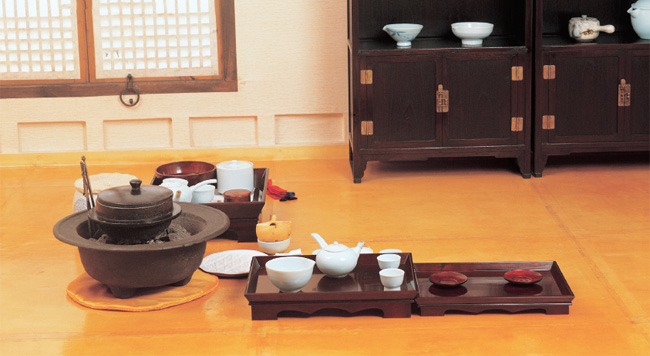
Hanok Ondol: Discover the Traditional Korean House and Underfloor Heating

When people think of Korea, many naturally picture the traditional house known as Hanok. The elegant pillars, latticed windows, and warm wooden structures beneath the tiled roofs capture the essence of Korean traditional architecture. To truly understand Hanok Ondol, however, one must also pay attention to its unique living spaces and its ingenious heating method. Let’s explore how the architectural style of Hanok, combined with the globally unique Ondol (underfloor heating) culture, created homes perfectly optimized for Korea’s distinct four seasons.

The Basic Structure and Philosophy of Hanok

Hanok houses are typically built using wood as the central material—pillars, beams, and rafters—assembled with joinery techniques instead of nails or metal fastenings. Each wooden piece is connected through a technique called gyeolgu (traditional joinery), creating a sturdy framework. The spaces between the pillars are filled with walls made of clay or papered with hanji, balancing ventilation and insulation simultaneously. This design reflects traditional wisdom for maintaining an optimal indoor temperature between the sweltering summers and freezing winters of Korea.

Harmony with nature is one of Hanok’s core philosophies. Spaces such as the daecheong maru (central wooden hall) and verandas smoothly connect the indoors with the outdoors. Opening the doors reveals unobstructed views and allows residents to experience seasonal changes closely. This design philosophy showcases the foresight of ancestors who maximized sunlight and breezes rather than sealing themselves off entirely indoors. The inner quarters are divided into spaces like anchae (women’s quarters), sarangchae (men’s quarters and guest area), and daecheong, reflecting both daily living needs and social customs of the era.

Ondol: Heating the Body with the Warmth of the Earth

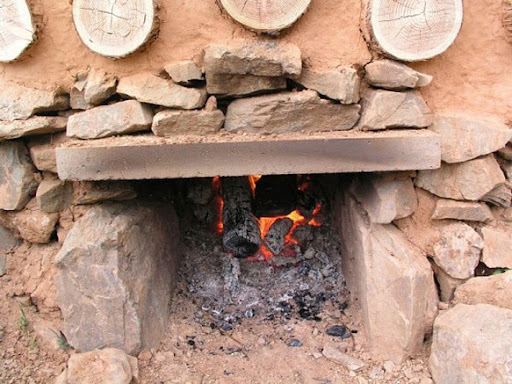
What truly sets Hanok apart is the Ondol. This traditional floor heating system distributes heat from a fire lit in the kitchen furnace through flues built beneath the floors. When wood is burned in the furnace, the heat travels under stone slabs (gudeuljang) toward the chimney, warming the entire floor in the process. The heated floor kept interiors comfortably warm during cold winters, allowing Koreans to enjoy a cozy home life while conserving fuel costs.

Tracing back to the Goryeo and Joseon dynasties, Ondol was the foundation of winter life. It developed as a response to the biting cold of northern regions and central Seoul inside the Four Great Gates. Once the fire heated the floors, the warmth would linger throughout the night. Lying on bedding in an Ondol room, people could feel gentle heat seeping into their bodies from head to toe, bringing deep relaxation. Even today, visitors from abroad often find the experience of sleeping in a heated Ondol room both fascinating and unforgettable.

Hanok Ondol

The Evolution of Ondol: Integration with Modern Boilers

In modern times, people no longer stoke fires with wood in the kitchen hearth. Instead, homes now use oil, gas, or electric boilers to heat water and circulate it beneath the floors. Yet the principle remains the same—warming the entire room evenly through the floor, while preserving Korea’s unique lifestyle of sitting, eating, and resting close to the ground.

Thanks to this, Korean living culture continues to embrace what is called “floor-based living.” Dining tables, desks, and bedding are all designed close to the ground, and because the heated floor keeps interiors warm, it’s common to walk barefoot or in socks indoors even during winter. This contrasts with the Western “chair-centered” lifestyle, but for foreign visitors, experiencing an Ondol-heated room in a Hanok or Korean household leaves a lasting impression.

The Aesthetics of Hanok: Roof Tiles and Eaves

Many admire the graceful curves of Hanok’s tiled roofs. The extended eaves not only direct rainwater away but also cast dramatic patterns of sunlight and shadow, creating a unique aesthetic charm. Traditional tiles, crafted from baked clay, are both heavy and sturdy, protecting the roof while enhancing ventilation and insulation. Once each individual tile is carefully laid to form the roof, the result radiates a quintessentially Korean atmosphere, even from afar.

Thatched-roof houses without tiles were another form of traditional housing. However, upper-class families and the nobility often used roof tiles to elevate the dignity of their homes. The type of roof often reflected social class and building importance. Palaces and temples, for instance, showcased authority with elaborately ornamented roof tiles and beautifully painted dancheong on their eaves.

Hanok Stay and Experience Programs

Today, Hanok houses are not just old structures; they have become popular destinations for unique cultural stays. Guesthouses known as “Hanok Stay” preserve elements like wooden floors, Ondol rooms, and traditional windows, while integrating modern bathrooms and amenities for comfort. Staying in such accommodations, guests can wake up to soft sunlight streaming through wooden window frames and enjoy the subtle sounds of rain falling on tiled roofs.

Beyond accommodation, there are workshops and experiences centered on Hanok architecture. Visitors can learn about joinery techniques by assembling wooden columns or model structures, or even craft miniatures showcasing the Ondol heating method. These hands-on experiences offer deeper appreciation, helping participants understand why Koreans have long viewed the home as both sanctuary and the core of daily life.

Harmony Between Hanok and Modern Cities

At one point, Hanok seemed to disappear from modern cities crowded with high-rise apartments and skyscrapers. However, in recent years, there has been a revival of efforts to harmonize tradition with modern lifestyles. In areas such as Bukchon, Ikseon-dong, and Seochon in Seoul, restored Hanok buildings now serve as cafes, restaurants, or art galleries. These adaptions preserve architectural heritage while modernizing spaces like kitchens and bathrooms for convenience. Walking through these neighborhoods, one can enjoy the striking contrast of tiled roofs against the city skyline.

Some architects and construction companies are even designing modern homes inspired by Hanok principles. By preserving wooden frameworks and Ondol systems while incorporating large windows and advanced insulation materials, they improve energy efficiency. Such innovations demonstrate the coexistence of tradition and modern technology, attracting attention both in Korea and abroad.

Conclusion: Wisdom Embedded in Space

The Hanok and Ondol exemplify Korea’s cultural wisdom and way of life. Intelligent design adapted to the four seasons, the distinctive Ondol heating system that warms from beneath, and the harmonious aesthetics with nature elevate Hanok beyond just a dwelling. This is why Hanok continues to captivate both travelers and architectural scholars today.

Visiting a traditional Hanok village or staying in a Hanok inn allows one to experience the serenity of wooden pillars and earthy walls firsthand. Looking up at the sky beneath tiled roofs, lying on the warm Ondol floor, and listening to the gentle whispers of wind impress a sense of true rest. Korean traditional architecture embodies the philosophy of unity between humans and nature, with Ondol adding an essential warmth to this harmony. The moment you step inside a Hanok, you may feel ancient wisdom and aesthetics quietly speaking to you.

Hanok Ondol

Webring Newsletter

K-Name Studio: Create your perfect Korean name based on your personality and style.
What’s My K-Beauty Personal Color?
WeBring Service : Provides personalized services to foreigners living in Korea
Exclusive offer: Introducing foreign car rental in Korea, WeBring-SoCar
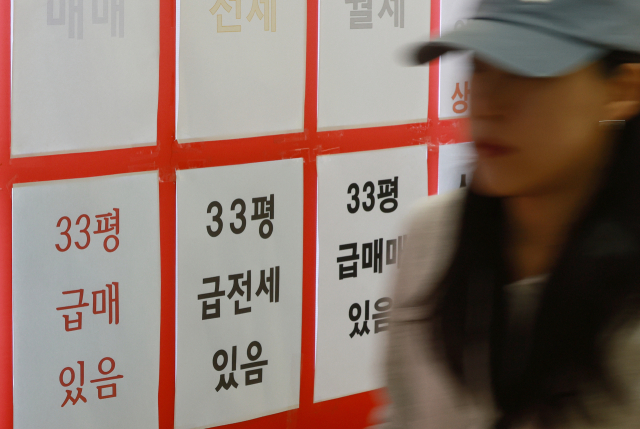
Foreigners Paying Rent in Korea: A Comprehensive Guide

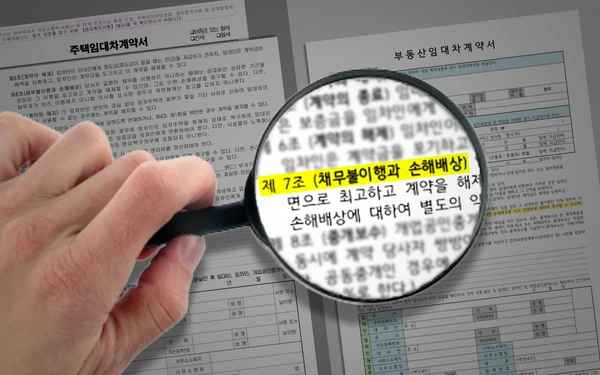
If you decide to live alone in Korea—whether in a studio apartment, a one-room, a lease (jeonse), or a boarding house—the most basic yet crucial responsibility is “paying rent on time.” You need to manage this either by transferring the money to your landlord on the exact due date each month or by setting up an automatic transfer. If payment is late or the amount is incorrect, it may cause issues with your landlord, and in some cases, it could even lead to the termination of your lease. In this post, we’ll take a closer look at the process and important considerations for foreigners paying rent in Korea, with a focus on monthly rent payments (wolse).

1) Different Payment Methods for Foreigners Paying Rent in Korea

There are several common ways to pay rent in Korea. The most traditional method is bank transfer. Landlords usually provide their own bank account or one under a family member’s name. The tenant then transfers the rent on the agreed date each month. Although some landlords may prefer receiving cash in person to avoid transfer fees, for international students or foreigners, bank transfers are safer since they leave a verifiable record.

In the case of dormitories or corporate-style share houses, you may be able to pay through their website or a dedicated app via credit card or automated billing. Sometimes, these options may include benefits like reward points or interest-free installments. However, make sure to check if there are any hidden service charges.

2) Things to Watch Out for When Making a Bank Transfer

While bank transfers are convenient, they may lead to errors if not handled carefully. For example, inputting the wrong account number or name could result in sending money to the wrong recipient. Therefore, always double-check the landlord’s bank details (bank name, account holder, and account number) before transferring. When using mobile or internet banking, make sure the account holder’s name appears correctly before confirming the payment.

After completing the transfer, it’s wise to keep a receipt or capture a screenshot of the transaction. If the landlord ever claims that payment wasn’t received, you can present this as proof. Typically, international students pay rent from a Korean bank account, but if you must transfer from an overseas account, don’t forget to factor in exchange rates and international transfer fees.

3) Pros and Cons of Setting Up Automatic Transfers

If you often forget to pay rent, using the bank’s automatic transfer service may be a good solution. By setting the landlord’s account information, the amount, and the date in advance, the transfer will take place automatically each month. This prevents late fees and the stress of remembering payment deadlines.

However, automatic transfers require that your account always has sufficient funds. If your balance is too low on the scheduled date, the rent will remain unpaid. Also, when moving out or at the end of your lease, don’t forget to cancel the automatic transfer to prevent unnecessary duplicate payments.

4) The Importance of Keeping Receipts and Transaction Records

In Korea, receipts are not only paper documents—digital transaction receipts are also legally valid. After paying rent, make sure to save a screenshot of your mobile banking record or take a picture of your bankbook entry. These serve as solid evidence in case of any disputes.

This is especially important for international students who may face difficulties due to language barriers. While verbal claims can be disputed, proper receipts provide undeniable proof of payment. Details such as date, bank used, recipient’s account holder name, and the amount must always be clear.

5) Payment Deadlines and Late Fees

Most contracts clearly state: “Monthly rent must be paid by [specific date].” Missing this date may lead the landlord to charge late fees. The rate differs by contract, but it is often calculated as a daily percentage of the rent. Some contracts even state that if rent is unpaid for over three months, the landlord may terminate the agreement—so international tenants must be very cautious.

If delays are unavoidable—such as waiting for your salary or scholarship—it’s better to inform your landlord beforehand. A simple explanation like, “I will pay in a few days,” can go a long way in maintaining a good relationship. Ignoring the deadline without communication, however, can damage trust.

6) Important Notes for Paying Rent in Cash

Some landlords still prefer cash payments over bank transfers. In this case, you must always request a receipt or prepare a written acknowledgment yourself. A document including the date, amount paid, and the landlord’s signature such as “Received ₩500,000 rent on [date]” can be extremely helpful in preventing future disputes.

When paying in cash, always count the money carefully and confirm the date. For foreigners, even an English-written receipt is acceptable as long as the details are clear. Since verbal claims can create uncertainty—such as “I paid cash but the landlord says they didn’t receive it”—keeping written records protects you from such conflicts.

Foreigners Paying Rent in Korea

7) Things to Know When Transferring Rent from a Foreign Account

If you need to send rent from your home country to Korea, currency exchange rates and international transfer fees can add up quickly. A more cost-efficient option may be to open a Korean bank account, transfer a lump sum when the exchange rate is favorable, and then make monthly transfers domestically.

Additionally, many landlords are unfamiliar with international transfers. Be sure to explain that payments may take a few days to arrive and confirm once funds are deposited. While some tenants try using PayPal or third-party services, landlords may not accept them, so it’s crucial to reach an agreement in advance.

8) Renegotiating Payment Terms During Lease Renewal

As your one- or two-year lease approaches expiration, renewing your contract may involve changes in deposit or monthly rent. Rental prices in Korea tend to fluctuate with the housing market, and landlords may request a rent increase. During such negotiations, you can emphasize that you have always paid on time and responsibly reported issues—these factors strengthen your position for more favorable terms.

You might also negotiate by increasing your deposit to lower monthly rent or vice versa. Regardless of the adjustment, always ensure a written renewal contract is prepared to prevent future disputes.

9) Final Settlement When Ending the Lease: Deposit and Rent

The most important step in the rent process is settling accounts at the end of the lease. When your contract ends, you are entitled to receive your security deposit back, considering any deductions for damages or unpaid utilities. If you are an international student leaving Korea before your lease officially ends, you may face early termination fees, so plan ahead carefully.

The landlord will inspect the property, deduct repair costs if needed, and return the remaining deposit. Sometimes, differences between the last rent payment date and the actual move-out date must be settled as well. Once everything is clear, both parties should provide written confirmation and signatures to finalize properly.

10) Conclusion: Attention to Detail is the Best Protection

Making mistakes in your rent payment can create unnecessary stress, late fees, and tension with your landlord, which could affect your study abroad experience in Korea. However, by mastering how to use bank transfers or automatic payments, keeping detailed receipts, and never missing deadlines, you can maintain a smooth and stress-free rental life.

Above all, communication with your landlord is key. If you’re unsure about the payment method or due date, ask in advance. If you expect delays, be honest and transparent. Although Korea’s rental system may feel unfamiliar at first, you’ll adapt quickly within a few months. Remember—being thorough, prepared, and consistent is the simplest way to secure a safe and stable living environment while studying or working in Korea.

Paying Monthly Rent in Korea

Webring Newsletter

K-Name Studio: Create your perfect Korean name based on your personality and style.
What’s My K-Beauty Personal Color?
WeBring Service : Provides personalized services to foreigners living in Korea
Exclusive offer: Introducing foreign car rental in Korea, WeBring-SoCar
IT Jobs in Korea: Opportunities and Insights for Foreign Professionals

South Korea is renowned for having one of the world’s most advanced internet infrastructures and for its rapid digital transformation. In fields such as 5G networks, AI, big data, cloud computing, and autonomous driving, the country not only demonstrates strong global competitiveness but also actively introduces new technologies. As demand for IT professionals rises sharply, the Korean job market is bustling with opportunities and constantly seeking skilled developers, engineers, data scientists, and cybersecurity experts.

For foreign IT specialists, South Korea can be an appealing job market. Options range from large conglomerates to startups and global IT companies’ local subsidiaries. The government, aiming to attract international talent in advanced industries, has been easing visa regulations and expanding various support programs. In this article, we will explore the landscape of IT Jobs in Korea, highlighting job market trends and important considerations for foreign professionals.

Conglomerates vs Startups vs Foreign Subsidiaries: Distinct Characteristics

When it comes to IT employment opportunities for foreigners in Korea, the choices typically fall into three categories. First, Korea’s major conglomerates such as Samsung, LG, SK, and Hyundai. These companies run large-scale R&D centers or IT departments and are actively engaged in global recruitment of highly skilled professionals. While they offer stability in terms of salary and benefits, their larger and conservative structures can make work processes feel somewhat slow.

Second, fast-growing startups and small to mid-sized IT companies. These firms usually offer a free organizational culture and quick decision-making processes, though they may lack financial stability or structured HR systems. For companies aiming to expand overseas, there is a strong chance of creating attractive roles for foreign hires.

Third, the Korean branches of global IT companies such as Google, Microsoft, Amazon Web Services (AWS), and IBM. These offices often share a significant amount of their headquarters’ culture while also adapting strategies to fit the Korean market. With English often being the working language, foreigners may find it easier to adjust. However, the local workforce can be relatively small, and strict HR policies aligned with headquarters can make recruitment highly competitive.

IT Jobs in Korea

Visa Issues: E-7, D-8, and F Categories for Skilled Professionals

The most common visa for working in the IT industry is the E-7 (Specific Activities) visa. This requires signing an employment contract with a Korean company and meeting certain academic or professional experience standards. In some cases, restrictions may apply depending on the company’s size or industry, so it’s wise to discuss visa feasibility in advance with the HR manager of the company you’re applying to.

If you are considering entrepreneurship or investment, the D-8 (Corporate Investment) visa provides a pathway for founding and running a startup in Korea. By investing funds and hiring local employees, one can maintain this visa while growing the business. Other visa types—such as F-6 (marriage), F-5 (permanent residency), or family-dependent visas—can make employment much more flexible. Identifying the right visa type early can also send a positive signal to potential employers during the application process.

In-Demand Roles: Developers, Data Scientists, and Cloud Engineers

Among the most sought-after roles in the Korean IT market are software developers. From web and mobile applications to backend/frontend, gaming, and embedded systems, countless job postings are open for skilled programmers. For foreigners with expertise in languages such as C++, Java, Python, or Go, along with solid project experience, higher salaries and strong benefits packages are within reach.
Other positions in high demand include data science, machine learning, and cloud engineering (AWS, Azure, GCP). Professionals with experience in building big data platforms, optimizing machine learning models, or handling DevOps are especially valued. Cybersecurity experts specializing in ethical hacking, network security, and other fields are also emerging as core roles in Korea’s era of rapid digital transformation.

Salary and Benefits: Global Standards at the Top, Big Gaps Among SMEs

For experienced developers and engineers, major Korean IT companies sometimes offer salaries exceeding 100 million KRW (approximately USD 80,000–90,000). Leading internet and gaming companies such as Naver, Kakao, NCSoft, and Nexon are in fierce competition to raise salaries and offer stock options or performance bonuses. Successful startups can also offer competitive pay packages and equity options.
On the other hand, salaries at small and early-stage IT firms may be significantly lower, so it is essential to review the company’s financial status and investment history.

Companies may also provide relocation support, housing allowances, or other benefits for foreign employees, so remember to ask about these when negotiating offers. Additionally, keep in mind that taxes and Korea’s four major insurances (National Pension, Health Insurance, Employment Insurance, and Industrial Accident Insurance) can reduce take-home pay, making financial planning crucial.

Workplace Culture Shifts: Remote Work and Horizontal Structures

Since COVID-19, the IT industry has been at the forefront of remote and flexible work adoption. Many companies are well-versed in remote collaboration tools and project management systems, with some allowing two to three days of remote work per week or even fully remote arrangements. For foreign professionals, this flexibility is often attractive, making it important to check a company’s work policy in advance.

In addition, more IT companies are adopting horizontal workplace cultures. Instead of rigid titles, employees may use more casual honorifics, and practices such as mandatory after-work gatherings or excessive overtime are being reduced. While traditional conglomerates may still display clear hierarchies, younger and newer companies often embrace global workplace standards. Observing a company’s website, social media, or asking during interviews can give useful insights into its culture.

Hiring Process: Coding Tests and Portfolios

IT recruitment in Korea often goes beyond resumes and cover letters, incorporating coding tests and project-based assignments. Candidates may be asked to share repositories from GitHub or complete online coding challenges within a set time. Foreigners are not given exemptions, so preparing a strong portfolio is essential.
Interviews may combine English and Korean depending on the role. Technical discussions often take place in English, while HR or team fit interviews may lean on Korean. If you are comfortable keeping up with international trends in English, this could be advantageous, but since many internal documents and chats are in Korean, demonstrating even basic Korean proficiency can help set you apart.

Case Study: Russian IT Professional G, Joining a Korean Conglomerate as a Cloud Engineer

G, a professional from Russia, accumulated five years of experience in AWS cloud architecture and DevOps before being approached by a headhunter from a major Korean conglomerate, S Company, via LinkedIn. Though his Korean proficiency was at a beginner’s level, his skills were thoroughly assessed through an English interview and technical assignment, leading to an employment offer. During salary negotiations, G asked for a 20% increase over his former salary, which was largely accepted by the company.

What surprised G the most was the relatively horizontal and global environment within the IT department of a Korean conglomerate. Because many of the cloud projects were international, English communication was frequent, and remote work was widely practiced. While Korean documents and internal chats posed initial challenges, colleagues helped translate or summarize, making adaptation smooth. G remarked, “I never realized how open the Korean IT job market was, but with the right expertise, opportunities are abundant.”

Conclusion: Seizing New Opportunities with Strong Skills and a Global Mindset

As South Korea’s IT industry rapidly grows, the shortage of skilled professionals has created a welcoming environment for foreign experts. Opportunities exist across large corporations, startups, and foreign subsidiaries, with high demand in specialized areas such as development, data, cybersecurity, and cloud computing. Salaries and benefits at top-tier companies are increasingly competitive on a global level.
However, foreign professionals must also prepare for visa requirements, language and cultural differences, and variations in workplace atmosphere across companies. Conducting thorough research, networking, asking detailed questions during interviews, and understanding Korean labor laws and taxation will be crucial. Given how fast the IT industry evolves, continuous learning and portfolio updates are equally important.

Ultimately, foreigners with strong technical expertise and a global mindset can seize abundant opportunities within the Korean job market. Korean companies are eager to recruit international talent to strengthen competitiveness, and as digital transformation accelerates, demand is expected to grow even further. Finding the right company and role that align with your skills could be an exciting step toward building a rewarding career in South Korea.

IT Jobs in Korea

Webring Newsletter

K-Name Studio: Create your perfect Korean name based on your personality and style.
What’s My K-Beauty Personal Color?
WeBring Service : Provides personalized services to foreigners living in Korea
Exclusive offer: Introducing foreign car rental in Korea, WeBring-SoCar