Convenience Store Food: Must-Try Items and Combos in Korea

While studying abroad in Korea, there are countless times when you need a quick and easy meal. Whether you’re trying to meet a deadline, cramming late at night, or grabbing a bite on your way back to the dorm after a part-time job, convenience store food becomes a lifesaver. But with so many products available, you might wonder, “Which ones actually taste good? What are the best food combos?” In this post, we’ll review popular convenience store items such as samgak-gimbap, instant ramen, cup rice, and lunch boxes, along with tasty pairing ideas (known as “honey combos”) involving soups, drinks, and side dishes.

1) Samgak-gimbap: Simple but full of variety

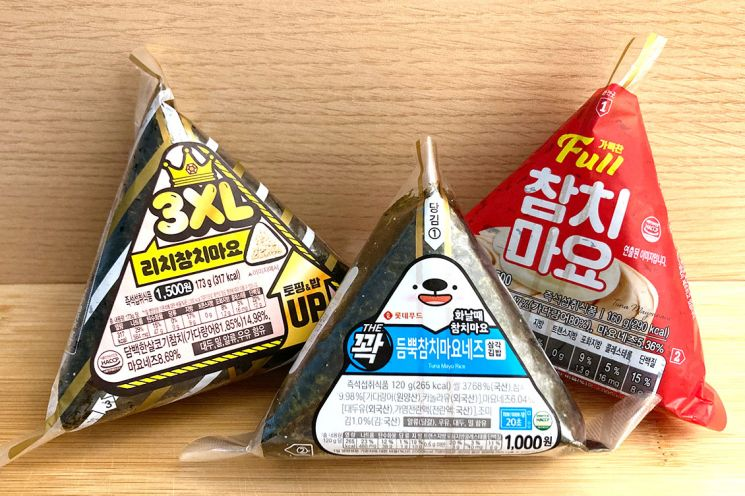
Samgak-gimbap (triangular rice ball) is one of the signature convenience foods in Korea. It’s a triangle-shaped rice ball wrapped in seaweed, filled with ingredients like tuna mayo, bulgogi, or stir-fried kimchi. Priced around 1,000–1,200 KRW, it’s affordable and hearty enough for a light meal with just one or two pieces.

  • Best combo: Samgak-gimbap + cup ramen = the classic duo. Dip the gimbap into the ramen broth for a rice-and-noodle meal in one bite. You can also heat it briefly in a microwave for a softer texture.
  • Tip: Follow the unwrapping order exactly to prevent tearing the seaweed and ensure a clean peel.

International student tip: Start with the mild “tuna mayo” flavor. Bold varieties like “Spicy Cheese Buldak” or “Galbi Heaven” exist, but they can be very spicy if you’re not used to heat.
convenience store food

2) Cup Ramen: Endless options from broth to spice

Convenience stores display rows of cup noodles in all kinds—Shin Ramen, Jin Ramen, Buldak noodles, udon-style, and more—priced around 1,000–2,000 KRW. Just add hot water and wait three minutes for a ready-to-eat meal, perfect for busy moments.

  • Best combo: Cup ramen + samgak-gimbap or kimchi. After finishing the noodles, add rice into the leftover broth for extra comfort. You can also enhance flavor with cheese sticks or Spam slices.
  • Caution: Some noodles (like the Buldak series) are intensely spicy and can upset your stomach on first try. Also, since they contain lots of sodium and additives, eat in moderation for better health.

International student tip: Most convenience stores have microwaves and water dispensers (hot and cold). After adding hot water to your noodles, briefly microwave to keep them extra hot.

3) Cup Rice: A complete rice meal in a cup

Cup rice combines rice with seasoned dishes like bulgogi, kimchi stew, or black bean sauce. Just add water or sauce and heat it in the microwave—ready in minutes. It’s a favorite for dorm and studio apartment residents who want a quick full meal.

  • Examples: Pork donburi cup, kimchi roe rice, spicy pork over rice, and jjajang (black bean) rice. Just 2–3 minutes in the microwave and you’re good to go.
  • Best combo: It can feel dry alone, so pair it with instant soup, a mini cup broth, or even a small salad or kimchi to make it more satisfying.

International student tip: Measure water and sauce carefully. Too much or too little can throw off the taste, so follow the instructions but adjust slightly to your preference.

4) Convenience Store Lunch Boxes: Well-balanced Korean-style meals

Korean convenience store lunch boxes come packed with rice and various side dishes (main meat dish, rolled omelet, sausage, kimchi, seasoned veggies, etc.), priced around 3,000–5,000 KRW. Options include ham & sausage boxes, bulgogi lunch boxes, and boneless fried chicken boxes. Some even feature soups like kimchi stew rice boxes.

  • Pros: Microwave it for a quick one-person Korean meal. With multiple side dishes, it’s satisfying and less monotonous. Variants like chicken mayo bowls are also popular.
  • Cons: Some items can get soggy or require mixing after heating. Also, since they have short shelf lives, it’s best to eat them soon after purchase.

International student tip: Some boxes highlight “spicy” or “low-calorie” on the label, so check those based on your taste and dietary needs. You can also find pork-free or seafood options by checking the ingredient list.

5) Drinks and Snacks Combos

Convenience stores in Korea also feature a huge variety of drinks and snacks, from coffee, carbonated beverages, and juices to chips, bread, and ice cream—all irresistible to browse.

  • Drink pairing: Enjoy sparkling water (lemon flavor) or iced coffee with cup ramen for a clean balance. Korean traditional teas like yuja (citron) tea or corn silk tea are also worth trying.
  • Snacks: New items keep appearing—potato chips, chocolate bars, sticky rice cakes, steamed buns—making each visit an adventure.

Pro tip: Many private-label (PB) products offer great value. Stores like 7-Eleven, CU, and GS25 often hold half-price promotions on PB drinks, jellies, or snacks—keep an eye on those event corners to discover new favorites.

6) Korea’s Unique “Combo Culture”

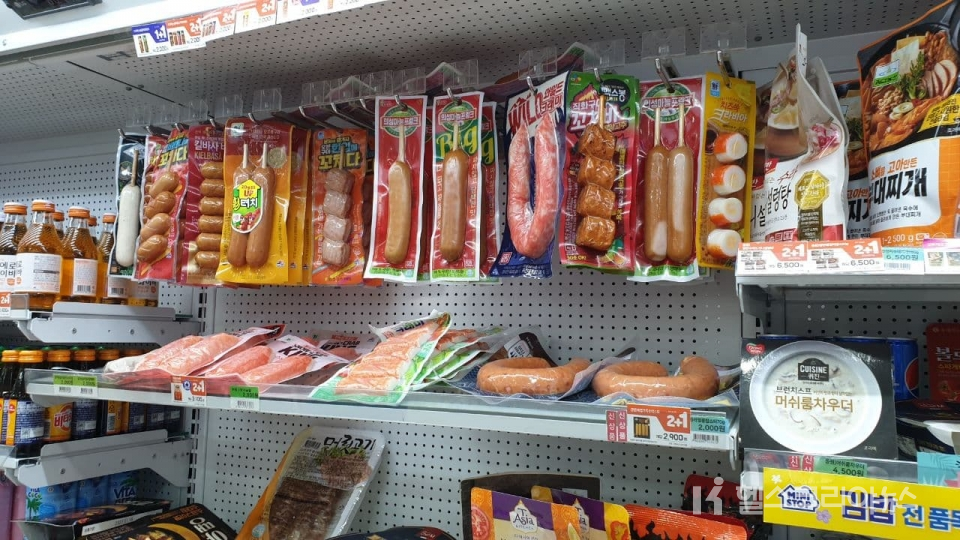
In Korea, creative combinations like “convenience store beer parties (Pyeon-maek)” and makeshift “ramen + sausage + rice cake = instant army stew” are wildly popular. Search “convenience store combo recipes” on social media or YouTube, and you’ll find endless quirky ideas.
Examples include: “pouring ramen broth over tuna-mayo gimbap” or “mixing cheese with Buldak noodles to make cheesy spicy pasta.” Such creative meals not only spark curiosity but also create fun memories among students living alone.

7) Health and Balance Tips

Although convenience store meals are delicious and convenient, many contain high levels of sodium and additives. For your health, try not to rely on them too frequently, and make sure to consume fresh vegetables and fruits regularly. To stay balanced, add cup salads, fruit cups, or bottled water to your meal.
Ideally, limit convenience store meals to 2–3 times a week and spend the rest on freshly cooked food—either from restaurants or your own cooking.

8) Using In-store Facilities

Most Korean convenience stores have microwaves, hot water dispensers, and even small dining tables, so you can heat and enjoy food right on site. It’s a perfect option for busy students, especially for defrosting frozen foods like pizza or fried rice for immediate dining.
However, smaller stores may require you to wait your turn, and microwaves can get crowded during peak hours—so it helps to find a nearby favorite store to frequent.

9) Regional Specialty Convenience Store Items

Some convenience stores offer limited-edition items featuring local specialties. For example, in Jeju Island, you might find Hallabong-flavored snacks or green tea bread made with local ingredients. In Busan, you’ll see more fish cake-related items. Exploring local convenience stores while traveling can be a fun and tasty experience.

International student tip: If you want to bring unique gifts or snacks back home, stop by local convenience stores. You may find quirky products unavailable in regular supermarkets or duty-free shops.

10) Conclusion

Korean convenience stores are more than just quick-meal stops—they’re like small treasure chests full of variety, creativity, and tasty food combos. From samgak-gimbap and ramen to cup rice and lunch boxes, the combinations and variations are endless. For international students, they’re perfect for late-night study snacks or quick meals during exam season—and exploring new products with friends can be a delightful memory in itself.

Of course, moderation and balance are key—pair these foods with veggies or fruits whenever possible. Still, with 24-hour service, rich product lines, and fun combo recipes, Korean convenience stores offer a taste of everyday comfort. So give the classic combo—cup ramen, gimbap, and an ice-cold drink—a try someday. You’ll discover the cozy side of Korean daily life and its small but satisfying joys.

convenience store food

Webring Newsletter

K-Name Studio: Create your perfect Korean name based on your personality and style.
What’s My K-Beauty Personal Color?
WeBring Service : Provides personalized services to foreigners living in Korea
Exclusive offer: Introducing foreign car rental in Korea, WeBring-SoCar
Explore Delicious Food at Gyeongsang-do Traditional Markets

Gyeongsang-do refers to the Yeongnam region of Korea, encompassing Daegu, Busan, North Gyeongsang Province, and South Gyeongsang Province. This vast region is home to countless traditional markets and renowned eateries, each offering diverse local specialties and cooking methods that spark the curiosity of food travelers. In this article, we will introduce some of the most representative Gyeongsang-do Traditional Markets along with nearby restaurants, exploring the rich food culture hidden in every alleyway.

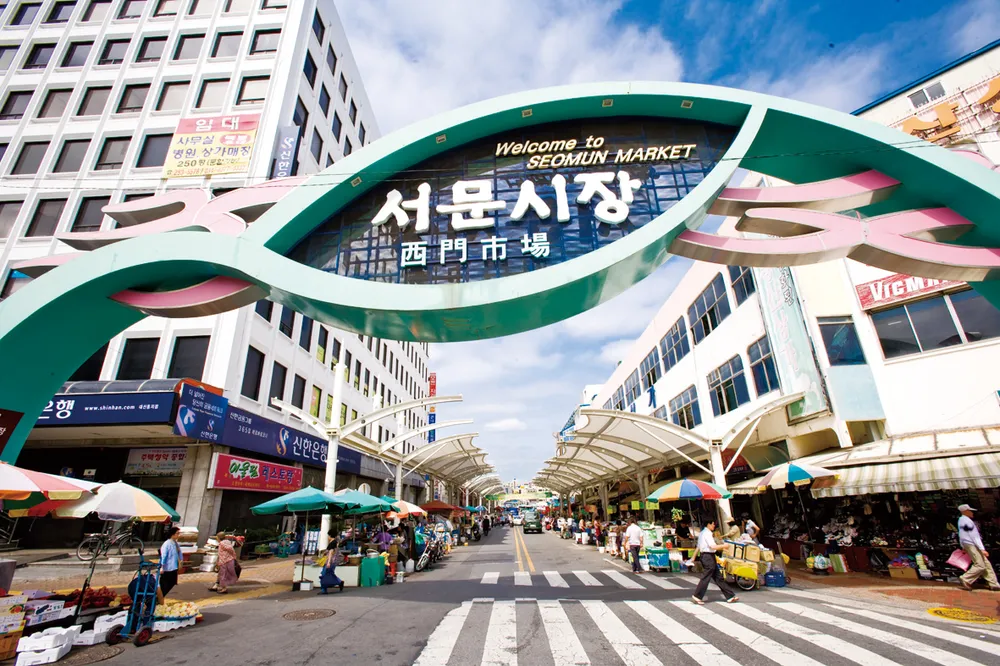
Daegu Seomun Market: A Centuries-Old Marketplace

Daegu Seomun Market is one of the “Three Great Markets” of the Joseon Dynasty and boasts over 400 years of history, making it the largest traditional market in Daegu. It offers everything from clothing, medicinal herbs, and food products to accessories, attracting bargain hunters from all around. Especially famous is its night market—once the sun sets, rows of food stalls light up with noodles, tteokbokki, steak, and desserts, making it one of Daegu’s most iconic night attractions.

Among Seomun Market’s must-try foods are flat dumplings, spicy sashimi salad, and steamed short ribs, which represent Daegu’s signature street flavors. The flat dumpling is grilled thin with only a little filling of shredded vegetables, offering an addictive taste when paired with dipping sauce or tteokbokki broth. Wandering through the bustling food alleys late into the night, you can truly experience Daegu’s energetic spirit.

Gyeongsang-do Traditional Markets

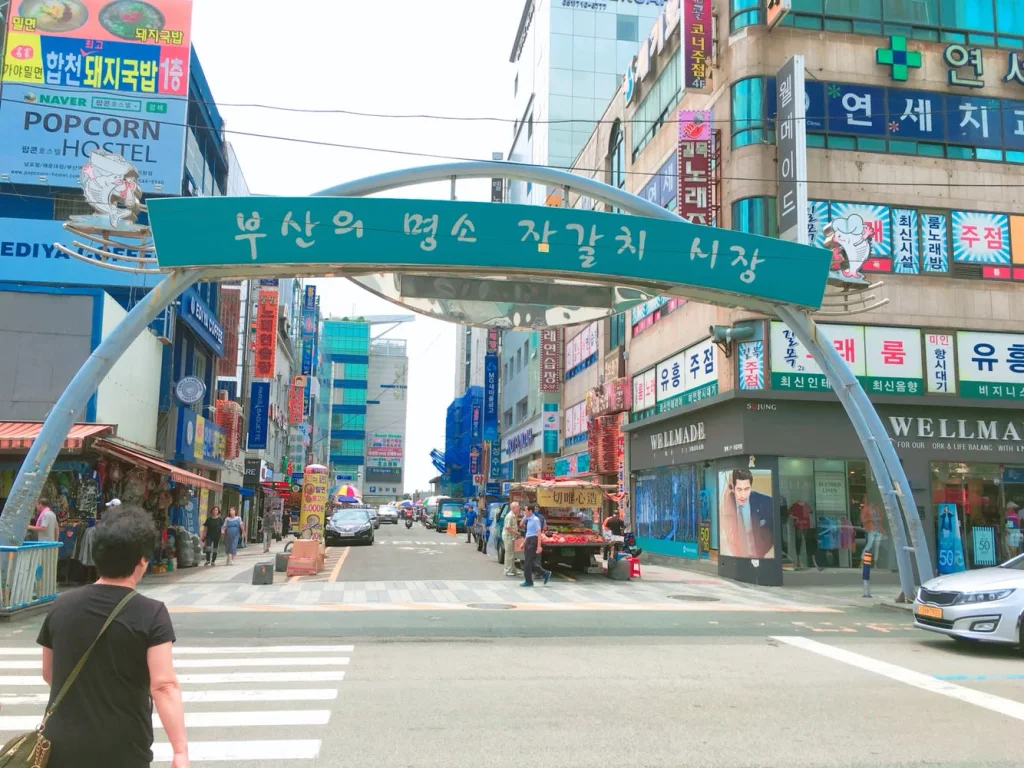
Busan Jagalchi Market: A Seafood Paradise

Busan Jagalchi Market is one of Korea’s largest and most famous fish markets, so much so that locals say, “If you want fresh seafood, go to Jagalchi!” Located near the harbor, the market is supplied daily with freshly caught fish and shellfish. Walking through its alleys filled with the smell of the sea, you’ll find sashimi centers, seafood restaurants, and endless stalls selling salted seafood and dried fish. The vendor’s cheerful calls of “Come and buy, it’s cheap!” add warmth and charm to the lively market atmosphere.

The highlight of Jagalchi is undoubtedly its sashimi. After purchasing freshly cut fish inside the market or from a connected restaurant, visitors can take it to a dining spot where it’s served immediately. Choices range from basics such as snapper, flounder, and rockfish to seasonal delicacies like amberjack, sea squirt, and sea cucumber. A spicy fish stew after the sashimi is the perfect finishing touch to savor the essence of the Busan sea. Additionally, other seafood dishes such as braised hairtail, codfish stew, and grilled eel make Busan a true seafood lover’s city.

Pohang Jukdo Market and Ulsan Jungang Market

Moving along the eastern coast of Gyeongsang-do, Pohang’s Jukdo Market and Ulsan’s Jungang Market are vibrant centers of local food and commerce. Jukdo Market is famous for its large fish market, offering local specialties like dried herring (gwamegi) and fermented flatfish at affordable prices. Many restaurants within the market highlight “mulhoe” (cold raw fish soup), a Pohang specialty served with spicy gochujang seasoning for a refreshing, tangy kick that bursts with flavor.

Ulsan Jungang Market, on the other hand, is a comprehensive marketplace combining traditional food stalls with clothing and household goods. If you’re craving hearty meals such as beef bone soup or eel rice bowls, the surrounding restaurants are worth a visit. You can also purchase fresh seafood or vegetables to cook yourself. Stumbling upon hidden snack bars or local pork soup eateries provides a glimpse into the everyday dining culture of locals.

Tongyeong Jungang Market and Geoje Seafood

Traveling down to the southern coast of Gyeongsang-do, Tongyeong and Geoje also offer rich market cultures. Tongyeong Jungang Market is a representative harbor market brimming with fresh seafood such as octopus, sea squirt, eel, and conger eel. Visitors can select seafood from street stalls nestled among old alleyways and take it to a nearby sashimi restaurant, or enjoy it prepared fresh on-site. Tongyeong is also renowned for oyster farming, drawing crowds in winter who seek grilled oysters, oyster rice dishes, and oyster sweet-and-sour specialties.

Geoje Island also boasts top-quality sashimi and seafood from the pristine South Sea waters. Local markets like Gohyeon Market or Jangseungpo Fish Market are perfect places to indulge. Many visitors also ship their seafood purchases home. Geoje is further famous for unique dishes like anchovy ssambap in Ssanggeun Village and the scenic Windy Hill café views that pair perfectly with the ocean. It’s a destination where culinary delights and natural beauty come together.

Cities Where Tradition Meets Modernity

Exploring Gyeongsang-do’s traditional markets, you’ll often notice old and new coexisting side by side. Modernized indoor shopping mall-style structures operate next to vendors calling out while carrying baskets of goods. To revitalize these markets, some have introduced youth-run shops and hosted food festivals, creating collaboration between young entrepreneurs and long-standing merchants. This blend connects tradition with the future, showcasing how traditional markets continue to thrive.

It’s also common to find contemporary cafés and galleries near the markets, often transformed as part of “alley regeneration projects.” For example, an old building might be renovated into an artist’s workshop, or a former eatery turned into a trendy coffee shop, attracting both locals and tourists. Such changes reflect how life and culture in Gyeongsang-do’s cities are constantly evolving rather than remaining stagnant.

Gyeongsang-do Traditional Markets Conclusion: The Soul of the Region Found in Its Markets

A journey through Gyeongsang-do’s traditional markets and local restaurants is more than just a culinary adventure—it’s an exploration of history and regional atmosphere. These markets are filled not only with fresh local produce and seafood but also with the warmth of human interaction and the spirit of preserving cultural heritage. Sitting down to a table full of regional dishes, you’ll taste the unique ingredients and techniques that have been passed down through generations.

When planning your trip, consider adding traditional markets to your itinerary instead of focusing solely on modern shopping centers or tourist attractions. Asking a vendor, “What’s the specialty of this market?” can open the door to genuine cultural connections. From hearty street foods to heartfelt hospitality, the markets of Gyeongsang-do will leave you with warm, flavorful memories that enrich your journey.

Traditional Market in Gyeongsang-do

Webring Newsletter

K-Name Studio: Create your perfect Korean name based on your personality and style.
What’s My K-Beauty Personal Color?
WeBring Service : Provides personalized services to foreigners living in Korea
Exclusive offer: Introducing foreign car rental in Korea, WeBring-SoCar

Explore 8 Must-Visit K-POP Demon Hunters Spot in Korea

Recently, the popular animation ‘K-POP Demon Hunters’ has brought major landmarks of Korea into the spotlight as K-POP Demon Hunters Spot. Among anime fans, these eight destinations are quickly becoming hot tourist spots. They not only showcase the beauty of Korea but also its modern charm, offering fans a meaningful and immersive experience. Let’s take a closer look at these must-visit K-POP Demon Hunters Spot in Korea!


K-POP Demon Hunters Spot 1. Naksan Park ⛰️

Naksan Park is one of the best places to see the stunning Seoul nightscape. Famous for its scenic fortress wall trail, the park blends the tranquility of ancient stone walls with the dazzling backdrop of the modern city. It’s an ideal spot for photography, especially at sunset and nighttime when the romantic atmosphere deepens. Fans can imagine the characters of K-POP Demon Hunters moving against the illuminated Seoul skyline.

K-POP Demon Hunters Spot Naksan Park


K-POP Demon Hunters Spot 2. Gyeongbokgung Palace 👑

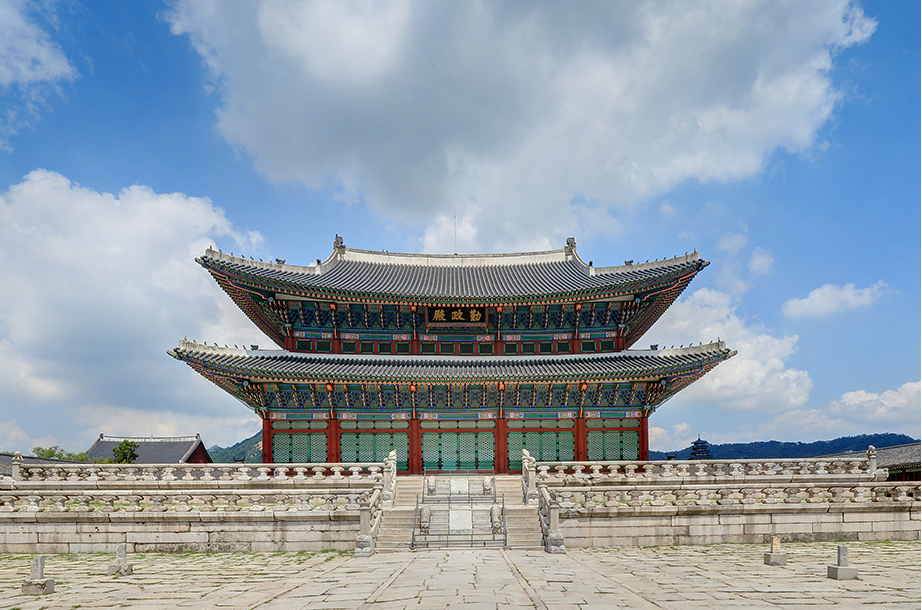
As the main palace of the Joseon Dynasty, Gyeongbokgung offers a true glimpse into Korea’s traditional architectural beauty. The grandeur of Geunjeongjeon Hall and the elegance of Gyeonghoeru Pavilion leave a lasting impression on visitors. Walking through the palace in a Hanbok feels like stepping back in time. Fans of K-POP Demon Hunters can’t help but wonder how such a historic site inspired certain backdrops in the anime.

Gyeongbokgung Palace Kedeheon Spot


K-POP Demon Hunters Spot 3. Cheongdam Bridge 🌉

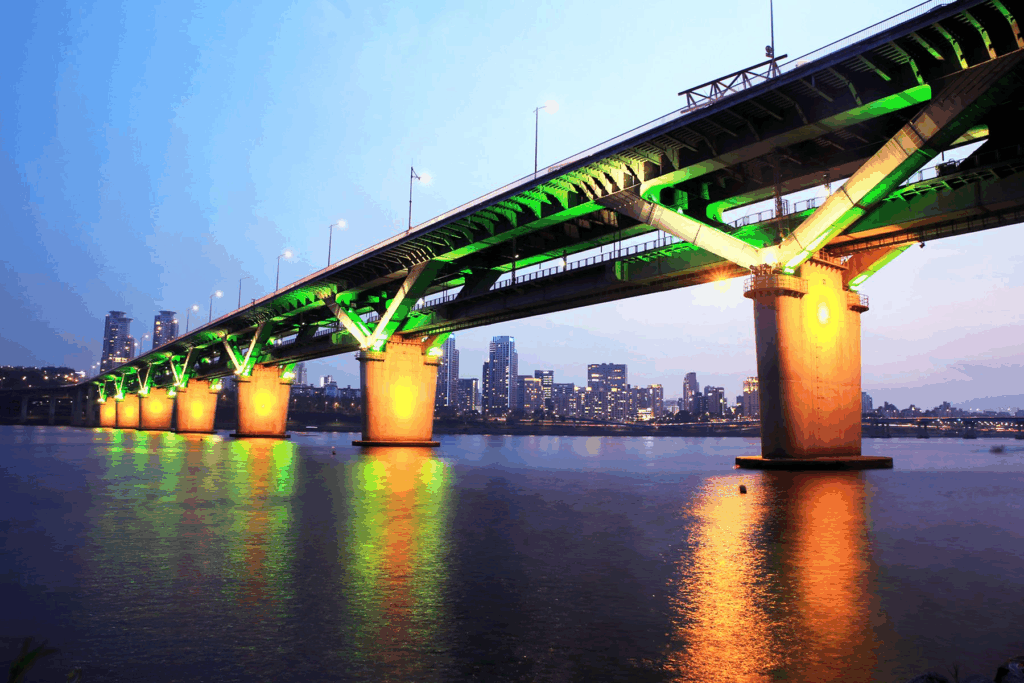
Cheongdam Bridge stretches across the Han River and represents the vibrant energy of Seoul. At night, the bridge glows with colorful lights, offering a breathtaking panoramic view of the city. It’s easy to imagine modern Seoul scenes in K-POP Demon Hunters being vividly inspired by this iconic bridge.

Cheongdam Bridge night view


K-POP Demon Hunters Spot 4. Samseong Station Billboards 🏙️

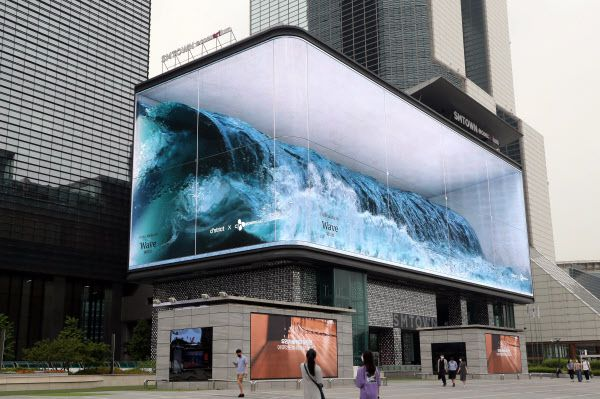
The massive LED billboards around Samseong Station near COEX symbolize the technological brilliance and dazzling allure of Seoul. The ever-changing high-definition displays reflect the city’s dynamism and its role as the heart of K-POP and Korean cultural trends. It’s the perfect setting to match the dynamic vibe of K-POP Demon Hunters.

Samseong Station Billboards


K-POP Demon Hunters Spot 5. Bukchon Hanok Village 🏡

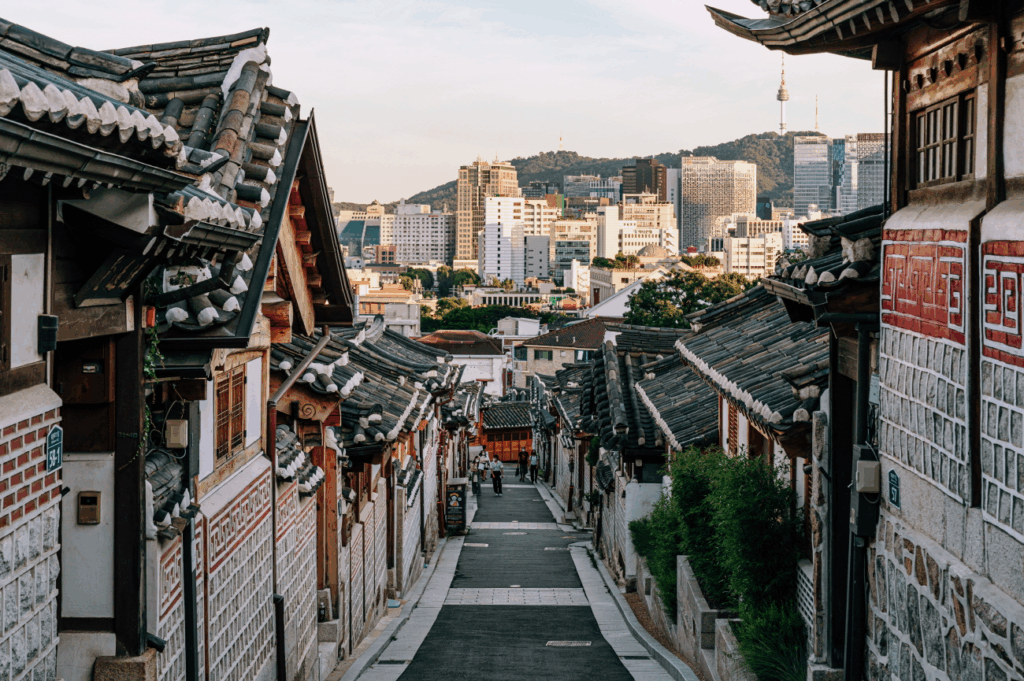
Bukchon Hanok Village preserves the charm of traditional Korea, with clusters of beautifully maintained Hanok houses. Walking through its narrow alleys offers a journey into the past and a glimpse of Korea’s cultural heritage. Within K-POP Demon Hunters, fans look forward to seeing how these traditional elements blend seamlessly with the modern Seoul setting.

Bukchon Hanok Village


K-POP Demon Hunters Spot 6. Myeongdong Street 🛍️

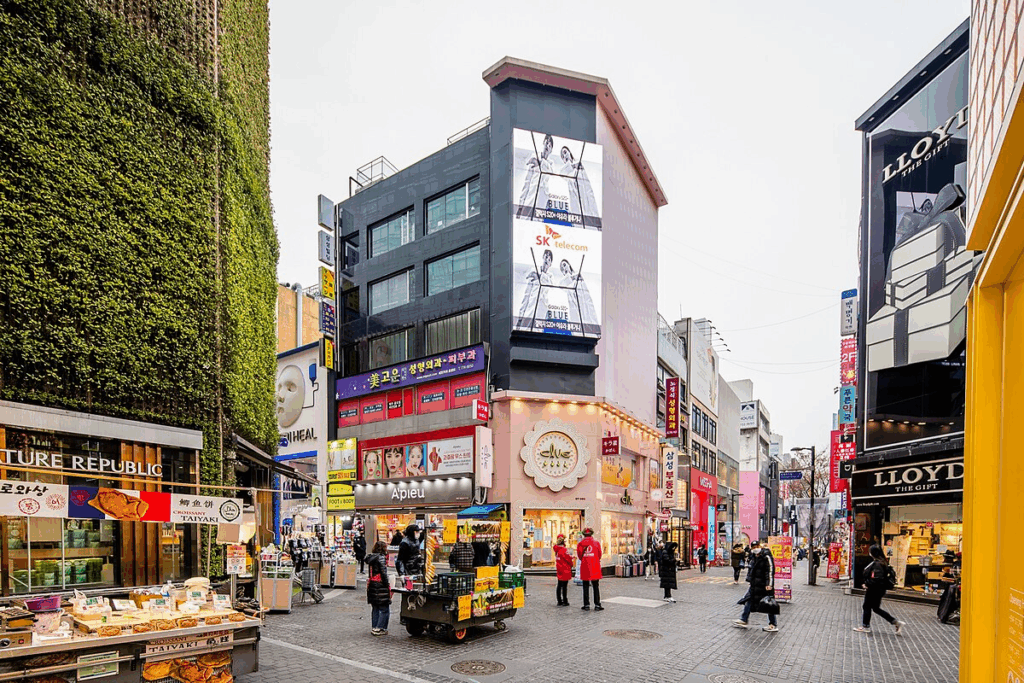
Myeongdong is one of the busiest shopping and cultural districts in Korea. It’s filled with trendy shops, restaurants, and vibrant street scenes. Always bustling with locals and tourists alike, the area is a hub for street food and the latest K-fashion trends. Within K-POP Demon Hunters, this energetic setting likely gave birth to many exciting episodes and stories.

Myeongdong Street Korea


K-POP Demon Hunters Spot 7. Jayang Station (Ttukseom Resort Area) 🚉

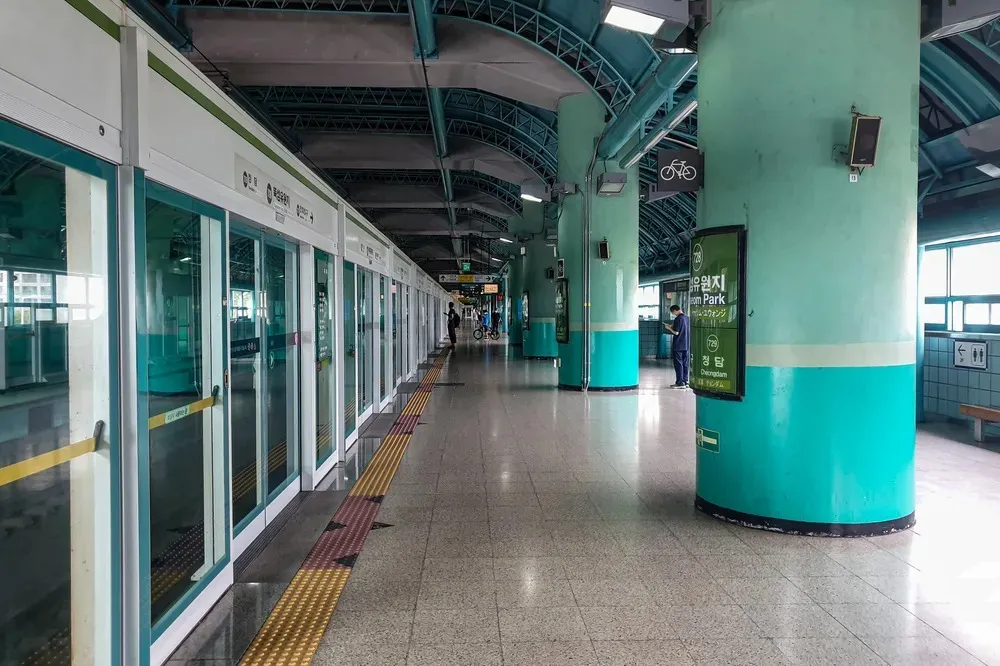
Located near Ttukseom Resort, Jayang Station provides visitors with a relaxing riverside experience. You can stroll or bike along the riverbanks, enjoying a calm escape in the middle of Seoul. During warmer seasons, this area becomes a popular urban retreat. In K-POP Demon Hunters, it likely appears as a natural contrast to the city’s concrete skyline.

Jayang Station Ttukseom area


K-POP Demon Hunters Spot 8. Seoul Tower & Lotte World Tower 🌃

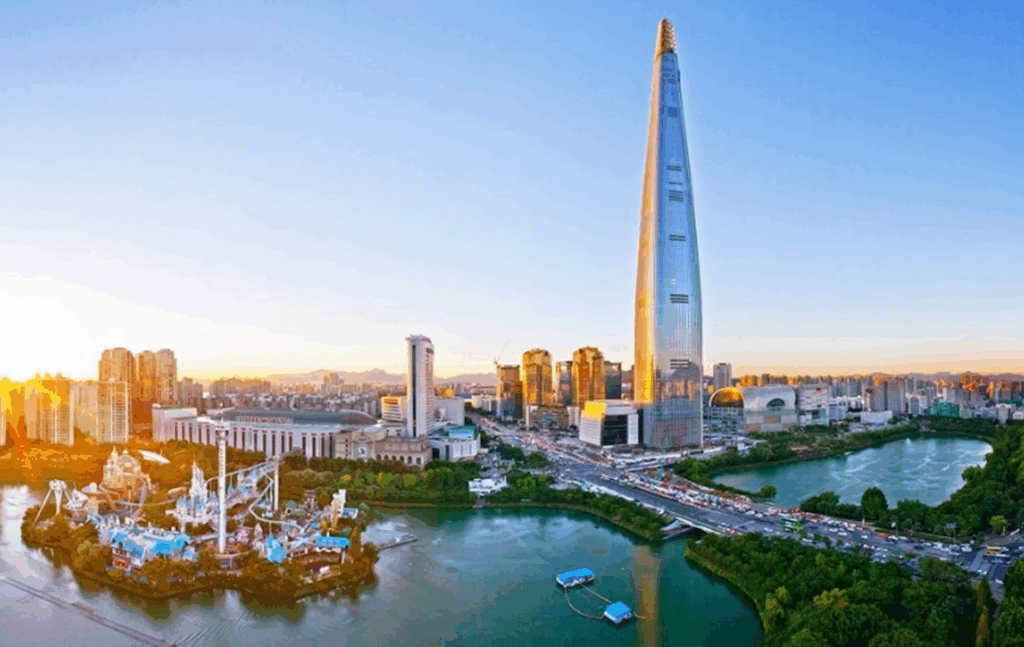
Seoul Tower (Namsan Tower) and Lotte World Tower are two of the most iconic landmarks of the Seoul skyline. Seoul Tower sits atop Namsan Mountain, providing panoramic views of the entire city, while Lotte World Tower stands as the tallest building in Korea, embodying modern architectural power. In K-POP Demon Hunters, these towering giants undoubtedly amplify the grand scale of the city in breathtaking ways.

Seoul Namsan Tower Kedeheon background

Lotte World Tower Seoul


These eight K-POP Demon Hunters Spot are not only central backdrops in the animation but also some of Korea’s most captivating tourist destinations. Even if you are not an anime fan, visiting these landmarks will let you experience Korea’s beauty, culture, and energetic atmosphere firsthand!

Kedeheon Anime Tourist Spots

Webring Newsletter

K-Name Studio: Create your perfect Korean name based on your personality and style.
What’s My K-Beauty Personal Color?
WeBring Service : Provides personalized services to foreigners living in Korea
Exclusive offer: Introducing foreign car rental in Korea, WeBring-SoCar

Unlock Korean Language Learning Through K-Dramas: Proven Methods

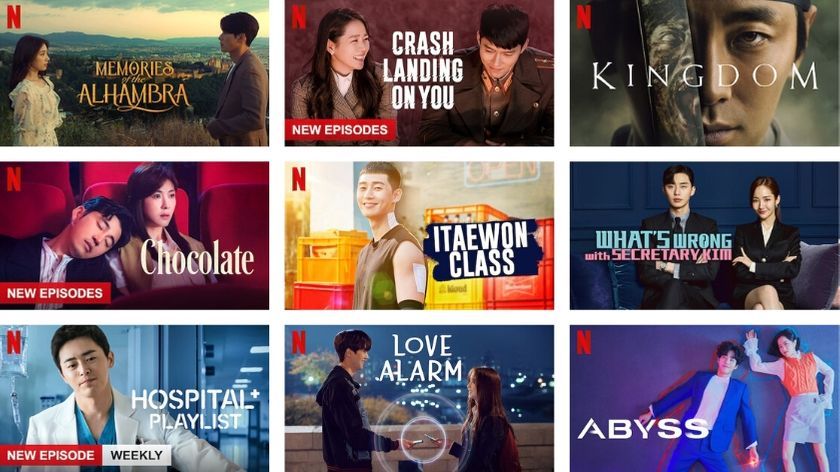
“K-Dramas” and Korean variety shows are loved by audiences all over the world. For international students, these aren’t just entertaining programs—they can be powerful tools for Korean language learning through K-Dramas. They provide a natural opportunity to pick up real conversational expressions, different intonations and dialects, and even the latest slang. In this post, we’ll share specific study methods such as dictation, role-play, and shadowing to help you maximize your learning with K-Dramas and variety shows.

1) Why K-Dramas and Variety Shows Are Effective

Textbook learning is great for building grammar and vocabulary systematically, but it often has limits when it comes to real-life conversation and subtle nuances. On the other hand, dramas and variety shows are filled with “living” Korean, where characters’ tones and expressions vary by situation. With engaging storylines, they capture your interest and keep motivation naturally high.

In dramas, you encounter shifts between formal and informal speech, emotional expressions, or even historical phrasing if it’s a period piece. In variety shows, you’ll hear slang, jokes, and subtitle humor that bring you closer to colloquial Korean. However, be aware that some slang or exaggerated expressions aren’t appropriate for learning, so use your judgment carefully.

Korean Language Learning

2) Dictation (Detailed Listening)

Dictation involves pausing the video (or audio) and writing down exactly what you hear in Korean. This practice builds both listening skills and vocabulary while allowing you to analyze real conversational sentences closely.
How to do it: Choose a short scene (about 1–2 minutes) and play it without subtitles. Pause after each sentence and write down what you hear. At first it may feel frustrating when pronunciation is unclear, but repeated playback helps you grasp missed words and grammar structures.
Benefit: You’ll notice how connected sounds, contractions, and casual expressions are actually spoken, while also pinpointing where your listening gaps are.

3) Role-play: Expression Practice

One effective method is using a script from a memorable drama scene and practicing the characters’ lines through ‘Role-play.’ With a partner, you can split roles, and if alone, you can take on two parts yourself. Reading with intonation and emotion while following the script helps the sentence structures stick deeply in your memory.
Example: Take a confession scene script from a romantic comedy (about 10 lines) and alternate between the male and female leads. Later, compare with the original video to check how close your intonation, word choice, and emotional delivery are.

4) Shadowing

Shadowing is listening to a video (or audio) and repeating the lines almost simultaneously. Since the pace can be fast, start with slower scenes or variety show clips (like interviews or talk segments). If subtitles are available, follow them at first, but aim to eventually repeat immediately without subtitles.
Benefit: You naturally absorb pronunciation, intonation, and rhythm, while also improving breathing and pacing. Mimicking the speech style of drama actors or variety show hosts helps bring your Korean intonation closer to natural fluency.

5) Comparing Korean & English Subtitles

At the beginner stage, Korean subtitles may be necessary for understanding context. However, if you’re at an intermediate or advanced level, it’s better to challenge yourself with Korean subtitles (or no subtitles) rather than relying on English ones. Depending too much on English forces you to read instead of listen, taking away from real listening practice.

That said, for completely confusing parts, it’s fine to briefly switch to English subtitles or review with Korean captions to check vocabulary. In variety shows, subtitles often highlight key phrases, making it easier to catch important expressions.

6) Choosing Genres: Historical, Modern, and Dialect Variety

K-Dramas come in many different genres:

  • Historical Dramas: Set in the Joseon era, featuring lots of classical vocabulary, formal speech, and special verb endings like “-haopnida.” You’ll also encounter royal etiquette expressions. Fascinating, but not very practical for everyday conversation.
  • Modern Dramas: Urban romances, family stories, and school dramas provide vocabulary closely tied to real life—very useful for international students.
  • Dialect Variety Shows: Many entertainers from Busan, Jeolla, or Chungcheong use regional dialects. Beginners may find this challenging, but if you’re curious, it can be a fun way to broaden your skills.

By choosing works that fit your level and interests, you can enjoy learning while keeping it entertaining.

7) Note-taking and Vocabulary Expansion

When watching dramas or variety shows, write down new expressions or words immediately in your phone notes or a notebook. For example, if you hear trendy terms like “갑분싸” (suddenly kills the mood) or “마상” (emotional hurt), look them up later to learn their meanings. Do the same for new verbs and adjectives—record their meanings and example sentences, then review weekly to grow your vocabulary quickly.

Using expressions you learned from dramas in real conversations with friends makes them more memorable and fun. However, be cautious with swear words, vulgar slang, or generational slang. Using them in the wrong context can be inappropriate.

8) Combine with Language Exchange and Study Groups

Maximize learning by finding chances to use the expressions immediately. For example, you can ask your language partner or study group: “I heard this phrase in a variety show yesterday—what nuance does it have?” Watching a short clip together and analyzing the dialogue helps deepen understanding.

This cycle of media study + real conversation practice helps expressions stick in your speech. Don’t just watch drama lines passively, but actively re-create them in actual conversation—you’ll internalize them much faster.

9) Things to Watch Out for: Exaggerations and Slang

Variety shows exaggerate speech styles for entertainment, often mixing in slang or vulgar words. Certain dramas also contain heavy swearing or over-the-top melodramatic lines, which—if imitated literally—might be inappropriate. For example, playful banter among comedians like Yoo Jae-suk or Lee Kwang-soo may sound funny on screen, but using those casual or witty retorts with strangers can come off as rude.

That’s why understanding context is crucial. Figure out whether an expression is used playfully among close friends, in anger during arguments, or in a mix of formal and informal tones. Instead of trying it immediately with strangers, ask a Korean friend first: “I heard this phrase on a show—can I actually use it?”

10) Korean Language Learning, Conclusion

K-Dramas and variety shows are some of the best tools for learning Korean with enjoyment. Don’t just watch passively—use dictation to sharpen listening, role-play and shadowing to refine pronunciation and intonation, and strengthen memory through note-taking and study groups. By actively engaging, you’ll notice significant improvement in your speaking skills in a short time.

At the same time, choose programs based on your learning goals and interests, while being cautious about exaggerated speech or slang usage in real life. Even after just a month or two of steady learning with K-Dramas and variety shows, your Korean listening and speaking skills can show remarkable progress. The key advantage is that learning feels fun, not stressful—so try balancing both entertainment and study.

K-drama Korean learning

Webring Newsletter

K-Name Studio: Create your perfect Korean name based on your personality and style.
What’s My K-Beauty Personal Color?
WeBring Service : Provides personalized services to foreigners living in Korea
Exclusive offer: Introducing foreign car rental in Korea, WeBring-SoCar
Ulsan Travel: Exploring Industry and Nature in South Korea

Ulsan is one of South Korea’s largest industrial cities, home to global giants such as Hyundai Motor Company and Hyundai Heavy Industries, playing a vital role in supporting the national economy. While many people often imagine Ulsan travel simply as an “industrial city,” it is also a remarkable natural destination where beautiful coastlines meet scenic mountain landscapes. In this post, we’ll explore Ulsan’s unique ‘industrial tourism’ attractions alongside its unexpectedly breathtaking natural scenery.

Industrial Tourism: Gigantic Factories and Museums

Industrial tourism in Ulsan includes guided tours of large-scale shipyards, automobile factories, energy plants, and port facilities. Hyundai Heavy Industries and other shipbuilding & offshore platforms rank among the largest in the world. Seeing massive vessels under construction up close is an awe-inspiring experience—almost like viewing monumental architecture. With advance reservations, visitors can take part in bus tours through designated areas, accompanied by explanations from onsite engineers or professional guides.

The Hyundai Motor Ulsan Plant is also one of the world’s largest automobile manufacturing complexes. Through its official tour program, visitors can witness how cars are built—from frames and assembly to the final product—at a cutting-edge facility where robots and human workers collaborate. Although not all areas are accessible due to security, the sights and sounds along the main production lines—clinking machinery and the rhythm of human hands—deliver a vivid sense of the “heartbeat of industry.”

Ulsan Travel

Jangsaengpo Whale Culture Village: Where Ocean and History Coexist

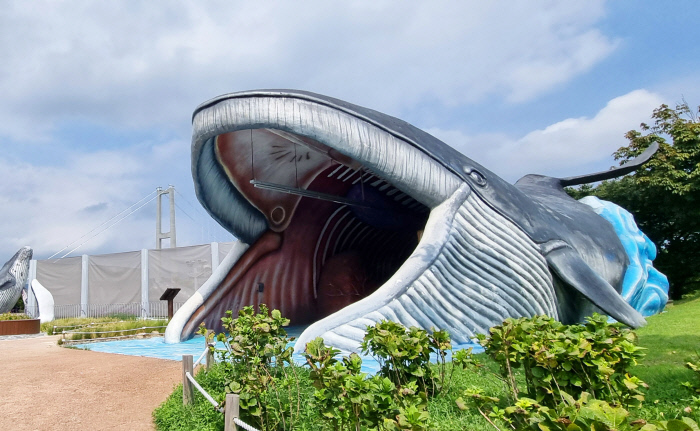
Located near Ulsan Port, Jangsaengpo was once famous for whaling. Today, however, as whaling is banned, the area has transformed into a hub for whale tourism and marine conservation. At Jangsaengpo Whale Culture Village, visitors can explore the Whale Museum and Whale Ecology Experience Hall, which showcase how whales shape marine ecosystems and how humans have historically interacted with them. On the first floor, exhibits of whale skeletons and cultural artifacts provide historical context, while from the observatory, the ocean view vividly recalls the days when whaling fleets once gathered here.

Nowadays, whale-watching tours also depart from the pier next to the Whale Ecology Experience Hall. Guests can board a “whale exploration ship” and head out to sea—with some luck, even spotting real whales. However, whale sightings are not guaranteed, and many days pass without them. Even so, simply cruising across Ulsan’s coastal waters is a precious marine experience in itself. During the trip, reflecting on the relationship between modern industry and natural ecosystems makes for a truly memorable journey.

Natural Scenery: Daewangam Park and Taehwagang National Garden

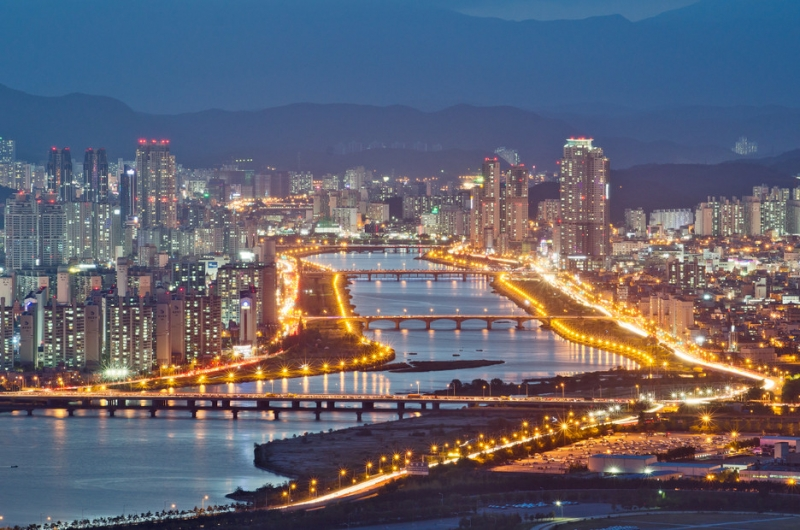
Ulsan is blessed with both the Taehwagang River and the East Sea coastline, allowing visitors to enjoy nature even in the heart of the city. Along the East Coast lies Ulgi Lighthouse and Daewangam Park, where pine forests, rugged cliffs, and endless blue sea create a stunning landscape. Daewangam is steeped in history, connected to the Silla-era legend of King Munmu’s underwater tomb. Walking along the coastal trails, the sound of waves and seagulls brings an undeniable sense of peace.

Taehwagang National Garden is a vast green space that stretches along the Taehwagang River right through downtown Ulsan. On both riverbanks, you’ll find flower fields, walking paths, cycling trails, and sculptures, making it a true oasis in the city. In spring, golden canola blossoms brighten the landscape, while in summer, the cool river breeze provides a welcome respite from the heat. At night, the illuminated pathways create a romantic ambiance, and during festivals or concerts, the riverside comes alive with crowds of locals and travelers alike.

Flavors of Ulsan: Fresh Local Produce and Modern Fusion

Although known as an industrial hub, Ulsan is just as rich in fresh seafood and produce, giving rise to a vibrant food culture. The seas around Ulsan offer delicacies like sea squirts, sea cucumbers, octopus, and squid, while autumn brings seasonal favorites such as snow crab, flounder, and mackerel. Around Jangsaengpo, some restaurants continue to serve whale meat as a specialty, though this remains a matter of personal choice depending on taste and ethical viewpoint.

Beyond seafood, the fertile inland fields and orchards around Ulsan produce high-quality pears, apples, and the region’s renowned Korean beef (Hanwoo). Many city restaurants blend traditional dishes with modern culinary fusion, offering creative cooking styles and visually striking plating. Near Ulsan Port, some eateries have even transformed shipping containers into trendy food zones, offering visitors unique and memorable dining experiences.

Travel Tips & Final Thoughts

Many visitors are amazed by Ulsan’s combination of modern industry, urban spaces, and natural coastal scenery all in one trip. For industrial tours, advance reservations are essential, and some facilities require identification, so make sure to check ahead. Attractions such as Jangsaengpo Whale Culture Village and Daewangam Park are heavily influenced by the weather and seasons—visiting on a clear day makes the experience even more rewarding. When choosing accommodation, consider transportation and proximity to your destinations; even without a car, city buses and taxis offer convenient travel options.

Ulsan’s unique coexistence of industrial development and natural preservation encourages reflection on “how humanity and the environment can progress together.” Despite its rapid growth as a global industrial city, Ulsan has actively created ecological parks along its shores and rivers while also preserving its whaling heritage. The time you spend here weaves together diverse visuals—the lights of factories, the horizon of the sea, and the greenery of riverside parks. A trip to Ulsan is an invitation to experience firsthand the captivating balance of industry and nature that defines this remarkable city.

Ulsan Travel

Webring Newsletter

K-Name Studio: Create your perfect Korean name based on your personality and style.
What’s My K-Beauty Personal Color?
WeBring Service : Provides personalized services to foreigners living in Korea
Exclusive offer: Introducing foreign car rental in Korea, WeBring-SoCar