Hanok Ondol: Discover the Traditional Korean House and Underfloor Heating
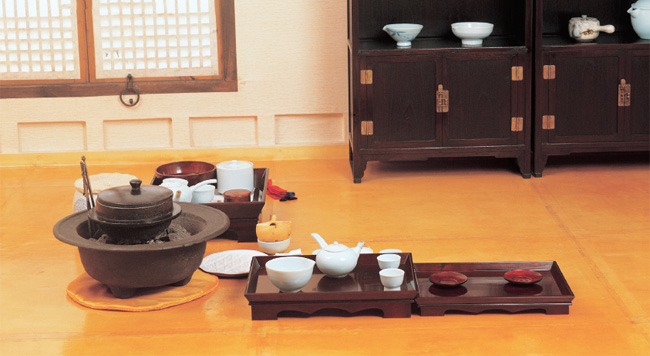
When people think of Korea, many naturally picture the traditional house known as Hanok. The elegant pillars, latticed windows, and warm wooden structures beneath the tiled roofs capture the essence of Korean traditional architecture. To truly understand Hanok Ondol, however, one must also pay attention to its unique living spaces and its ingenious heating method. Let’s explore how the architectural style of Hanok, combined with the globally unique Ondol (underfloor heating) culture, created homes perfectly optimized for Korea’s distinct four seasons.
The Basic Structure and Philosophy of Hanok
Hanok houses are typically built using wood as the central material—pillars, beams, and rafters—assembled with joinery techniques instead of nails or metal fastenings. Each wooden piece is connected through a technique called gyeolgu (traditional joinery), creating a sturdy framework. The spaces between the pillars are filled with walls made of clay or papered with hanji, balancing ventilation and insulation simultaneously. This design reflects traditional wisdom for maintaining an optimal indoor temperature between the sweltering summers and freezing winters of Korea.
Harmony with nature is one of Hanok’s core philosophies. Spaces such as the daecheong maru (central wooden hall) and verandas smoothly connect the indoors with the outdoors. Opening the doors reveals unobstructed views and allows residents to experience seasonal changes closely. This design philosophy showcases the foresight of ancestors who maximized sunlight and breezes rather than sealing themselves off entirely indoors. The inner quarters are divided into spaces like anchae (women’s quarters), sarangchae (men’s quarters and guest area), and daecheong, reflecting both daily living needs and social customs of the era.
Ondol: Heating the Body with the Warmth of the Earth
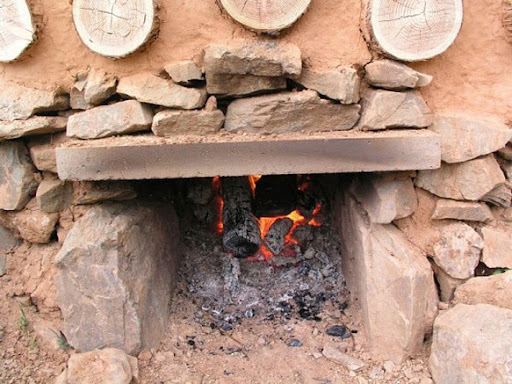
What truly sets Hanok apart is the Ondol. This traditional floor heating system distributes heat from a fire lit in the kitchen furnace through flues built beneath the floors. When wood is burned in the furnace, the heat travels under stone slabs (gudeuljang) toward the chimney, warming the entire floor in the process. The heated floor kept interiors comfortably warm during cold winters, allowing Koreans to enjoy a cozy home life while conserving fuel costs.
Tracing back to the Goryeo and Joseon dynasties, Ondol was the foundation of winter life. It developed as a response to the biting cold of northern regions and central Seoul inside the Four Great Gates. Once the fire heated the floors, the warmth would linger throughout the night. Lying on bedding in an Ondol room, people could feel gentle heat seeping into their bodies from head to toe, bringing deep relaxation. Even today, visitors from abroad often find the experience of sleeping in a heated Ondol room both fascinating and unforgettable.
The Evolution of Ondol: Integration with Modern Boilers
In modern times, people no longer stoke fires with wood in the kitchen hearth. Instead, homes now use oil, gas, or electric boilers to heat water and circulate it beneath the floors. Yet the principle remains the same—warming the entire room evenly through the floor, while preserving Korea’s unique lifestyle of sitting, eating, and resting close to the ground.
Thanks to this, Korean living culture continues to embrace what is called “floor-based living.” Dining tables, desks, and bedding are all designed close to the ground, and because the heated floor keeps interiors warm, it’s common to walk barefoot or in socks indoors even during winter. This contrasts with the Western “chair-centered” lifestyle, but for foreign visitors, experiencing an Ondol-heated room in a Hanok or Korean household leaves a lasting impression.
The Aesthetics of Hanok: Roof Tiles and Eaves
Many admire the graceful curves of Hanok’s tiled roofs. The extended eaves not only direct rainwater away but also cast dramatic patterns of sunlight and shadow, creating a unique aesthetic charm. Traditional tiles, crafted from baked clay, are both heavy and sturdy, protecting the roof while enhancing ventilation and insulation. Once each individual tile is carefully laid to form the roof, the result radiates a quintessentially Korean atmosphere, even from afar.
Thatched-roof houses without tiles were another form of traditional housing. However, upper-class families and the nobility often used roof tiles to elevate the dignity of their homes. The type of roof often reflected social class and building importance. Palaces and temples, for instance, showcased authority with elaborately ornamented roof tiles and beautifully painted dancheong on their eaves.
Hanok Stay and Experience Programs
Today, Hanok houses are not just old structures; they have become popular destinations for unique cultural stays. Guesthouses known as “Hanok Stay” preserve elements like wooden floors, Ondol rooms, and traditional windows, while integrating modern bathrooms and amenities for comfort. Staying in such accommodations, guests can wake up to soft sunlight streaming through wooden window frames and enjoy the subtle sounds of rain falling on tiled roofs.
Beyond accommodation, there are workshops and experiences centered on Hanok architecture. Visitors can learn about joinery techniques by assembling wooden columns or model structures, or even craft miniatures showcasing the Ondol heating method. These hands-on experiences offer deeper appreciation, helping participants understand why Koreans have long viewed the home as both sanctuary and the core of daily life.
Harmony Between Hanok and Modern Cities
At one point, Hanok seemed to disappear from modern cities crowded with high-rise apartments and skyscrapers. However, in recent years, there has been a revival of efforts to harmonize tradition with modern lifestyles. In areas such as Bukchon, Ikseon-dong, and Seochon in Seoul, restored Hanok buildings now serve as cafes, restaurants, or art galleries. These adaptions preserve architectural heritage while modernizing spaces like kitchens and bathrooms for convenience. Walking through these neighborhoods, one can enjoy the striking contrast of tiled roofs against the city skyline.
Some architects and construction companies are even designing modern homes inspired by Hanok principles. By preserving wooden frameworks and Ondol systems while incorporating large windows and advanced insulation materials, they improve energy efficiency. Such innovations demonstrate the coexistence of tradition and modern technology, attracting attention both in Korea and abroad.
Conclusion: Wisdom Embedded in Space
The Hanok and Ondol exemplify Korea’s cultural wisdom and way of life. Intelligent design adapted to the four seasons, the distinctive Ondol heating system that warms from beneath, and the harmonious aesthetics with nature elevate Hanok beyond just a dwelling. This is why Hanok continues to captivate both travelers and architectural scholars today.
Visiting a traditional Hanok village or staying in a Hanok inn allows one to experience the serenity of wooden pillars and earthy walls firsthand. Looking up at the sky beneath tiled roofs, lying on the warm Ondol floor, and listening to the gentle whispers of wind impress a sense of true rest. Korean traditional architecture embodies the philosophy of unity between humans and nature, with Ondol adding an essential warmth to this harmony. The moment you step inside a Hanok, you may feel ancient wisdom and aesthetics quietly speaking to you.


K-Name Studio: Create your perfect Korean name based on your personality and style.
What’s My K-Beauty Personal Color?
WeBring Service : Provides personalized services to foreigners living in Korea
Exclusive offer: Introducing foreign car rental in Korea, WeBring-SoCar
Explore Korea's mountains — guides in your language
Courses, transport and seasonal tips for 30 mountains, from Bukhansan to Hallasan, available in 11 languages. Pick up essential travel Korean and find events for the global community, too.