
Korean Banchan: Unveiling the Heart of Korean Cuisine
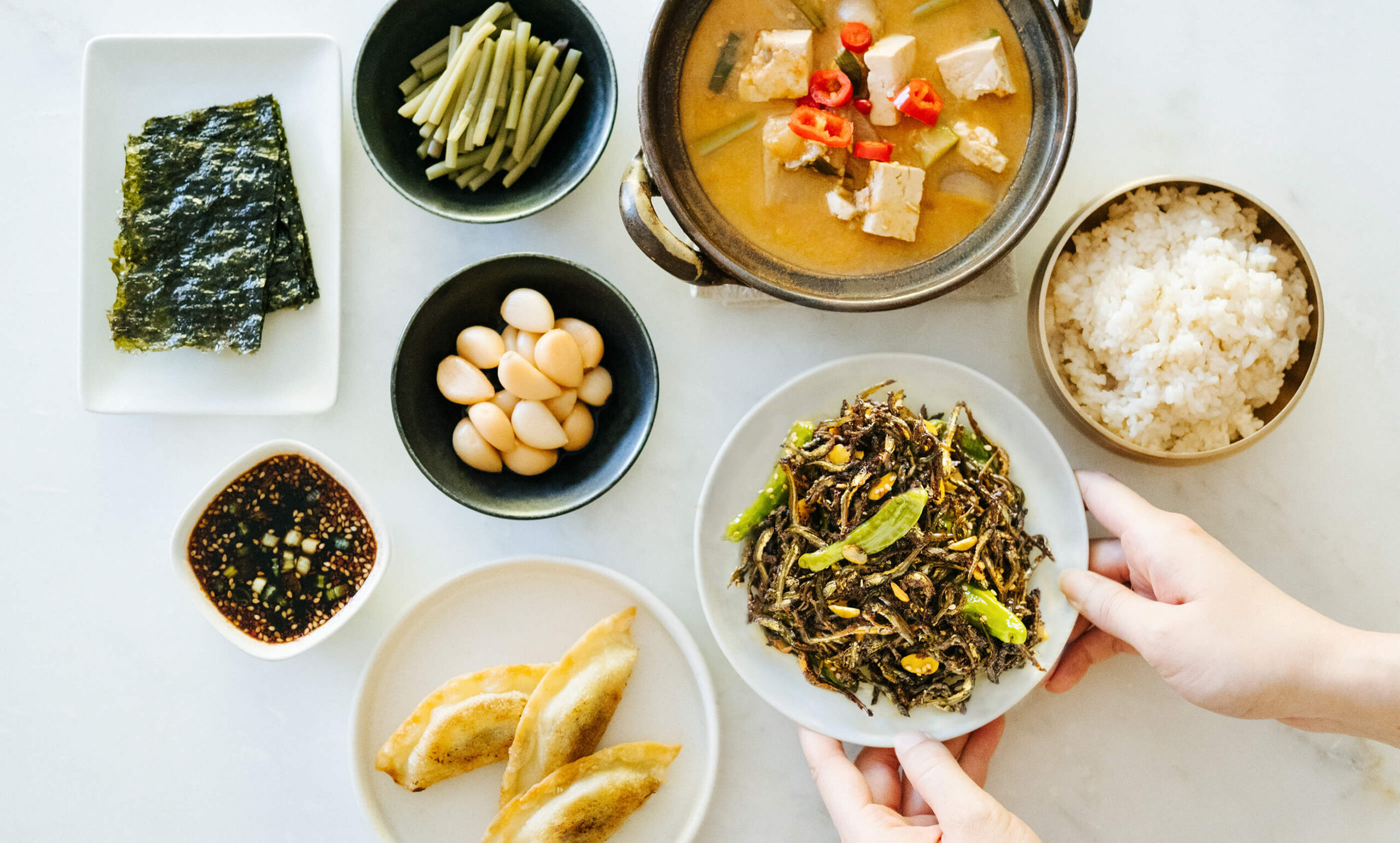
People encountering Korean cuisine for the first time often say, “I was amazed that the side dishes accompanying the main dish filled the entire table!” Indeed, the arrangement of the table and the side dishes (banchan) are essential elements of Korean food culture. It is common to enjoy a meal centered around a variety of banchan, accompanied by rice, soup, and a main dish. In this post, we delve into how this traditional table setting and the culture of side dishes developed, and why they are an inseparable part of Korean cuisine.
Historical Background of ‘Bansang’ Culture
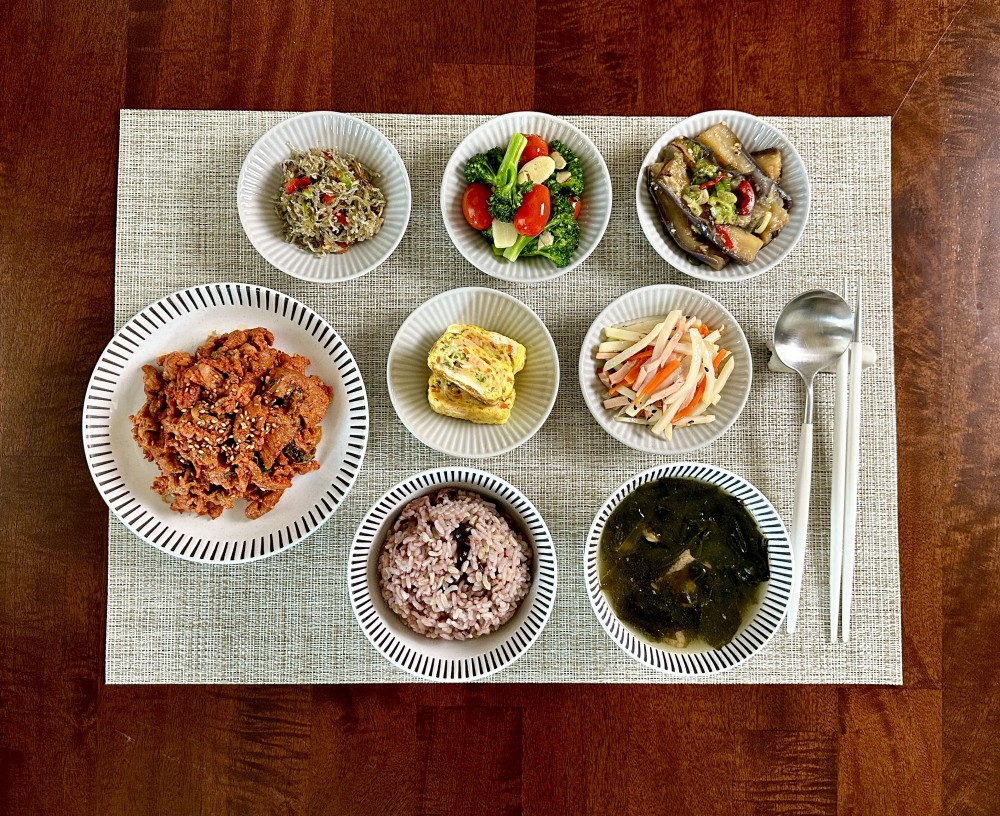
The traditional Korean dining style is epitomized by the concept of “bansang (飯床),” literally meaning “rice table.” It refers to a structured layout of rice, soup, and multiple banchan. During the Joseon Dynasty, noble families developed meal formats such as “gyeomsang” or “gyojasang,” where rice and soup were accompanied by an even number of side dishes—commonly 3, 5, or 7. This format reflected the social class of the diner, with different types and numbers of side dishes depending on status.
Ordinary people also prepared diverse side dishes at home, though more modest compared to noble households. Dishes like seasoned beans, stir-fried anchovies, seasoned vegetables, and stews were common additions. Meals centered around a bowl of rice, with the addition of soup or stew, kimchi, pickles, and namul created a “simple yet abundant table.” This basic structure has remained largely unchanged even today.
Types and Characteristics of Banchan
Korean side dishes vary widely by region, season, and household. However, they can generally be classified into categories such as seasoned vegetables (namul), stir-fries (bokkeum), braised dishes (jorim), steamed dishes (jjim), kimchi types, and pickled vegetables (jangajji). For example, namul dishes are made by blanching or stir-frying mountain herbs and vegetables like spinach, fernbrake, or bellflower root, then seasoning them. Stir-fried items often include sweet or spicy seafood and vegetables, like dried anchovies or seasoned squid. Braised dishes typically involve simmering radish, potatoes, or fish in soy sauce-based broth to infuse deep flavor.
Through various ingredients and cooking methods, each Korean meal contains a balanced medley of flavors and nutrients. From spicy and salty notes to sweet, tangy, and savory tastes, the small variations in side dishes keep each bite of rice exciting. This sampling style—tasting a spoonful of rice followed by a different banchan—is a unique joy of Korean dining, making it fair to describe banchan culture as the centerpiece of Korean cuisine’s distinct appeal.
Kimchi and Traditional Sauces (Jang) Culture
No discussion of Korean side dishes is complete without mentioning kimchi and jang (fermented sauces). Kimchi, made by salting vegetables like napa cabbage, radish, or cucumber, then fermenting them with red chili flakes, garlic, ginger, and fermented seafood, reigns supreme among banchan. A single plate of kimchi is often flavorful enough to accompany a bowl of rice on its own. Regional varieties such as baek-kimchi (white kimchi), gat-kimchi (mustard leaf kimchi), and chonggak-kimchi (ponytail radish kimchi) offer seasonal diversity in ingredients and fermentation styles.
Jang—specifically doenjang (soybean paste), ganjang (soy sauce), and gochujang (red chili paste)—forms the backbone of Korean seasoning. These fermented sauces, made primarily from soybeans, served as essential protein sources and the key to the deep, savory flavors of Korean cuisine. Most side dishes incorporate soy sauce for saltiness, gochujang for spiciness, or doenjang for umami. In this way, jang plays the silent yet pivotal role in uniting the flavors of Korean banchan.
Formal Table Setting: Hospitality and Family Meals
In the past, formal table settings differed according to the status of the diner. Royal banquets for kings featured luxurious meals with dozens of side dishes, while aristocrats typically offered meals with at least five banchan as a matter of etiquette. For commoners, however, such extravagance was rare. Meals often consisted of just kimchi, doenjang jjigae (soybean paste stew), and a couple of side dishes. Nonetheless, even a modest assortment of banchan fostered an atmosphere of family bonding and table manners.
Today, many Korean households still take special care when hosting guests or during family gatherings. It is commonly believed that “preparing many side dishes shows sincerity.” As a result, dishes such as kimchi, namul, braised items, hot pots, and pickles cover the table, offering guests the pleasure of choosing what to eat. Meanwhile, the host expresses their hospitality by telling guests to “eat plenty.”
Global Popularity: The Rise of Banchan with K-Food
Korean side dish culture is becoming increasingly known abroad thanks to the global surge of K-food. Kimchi is a prime example—it is now commonly found in grocery stores across the U.S. and Europe. At Korean restaurants overseas, complimentary “banchan on arrival” surprises many foreigners, making a strong impression: “I get several side dishes automatically!” This leads to a favorable perception of Korean dining.
While some people feel it’s burdensome to prepare multiple banchan at once, this very aspect earns Korean meals praise for delivering rich flavor and balanced nutrition in one spread. The popularity of Korean cooking classes and banchan workshops abroad reflects this appeal. The concept of “presenting various small dishes on one table” resonates with people seeking to break free from monotonous eating patterns.
Modern Changes and Continuity in Table Settings
Today’s Korean households may not prepare numerous side dishes for every meal. With more dual-income couples and single-person households, the number of banchan tends to decrease, and ready-to-eat items or food delivery is more common. Still, during holidays, family gatherings, or special occasions, the tradition of serving diverse side dishes remains, helping to preserve a cultural identity.
Furthermore, on social media and cooking shows, banchan recipes are shared continuously, encouraging younger generations to try “banchan-making” on weekends. Some even experiment with creative combinations, such as fusion dishes blending bulgogi or tofu with Western ingredients, elevating banchan to standalone entrees. This demonstrates how traditional roots are maintained while embracing modern culinary trends, proving the evolution of Korean side dish culture.
The culture of table setting and side dishes transcends food—it reflects how Koreans view community and family. Bringing an array of banchan to one table and sharing openly encourages the genuine practice of “jeong” (affection) and communal spirit. On a table where ingredients, recipes, tastes, and aesthetics come together, laughter and conversation flow abundantly, and sometimes, comfort and strength are found in a single bowl.
For travelers, simply asking “What is this?” when presented with banchan can offer meaningful cultural insight. After tasting a few, one begins to realize the profound variety and richness of Korean food and emotion. Ultimately, a single meal holds more than just food—it carries connection. That small sincerity contained in one dish of banchan might just be the core philosophy of Korean table setting.


K-Name Studio: Create your perfect Korean name based on your personality and style.
What’s My K-Beauty Personal Color?
WeBring Service : Provides personalized services to foreigners living in Korea
Exclusive offer: Introducing foreign car rental in Korea, WeBring-SoCar
Living in Korea? You don't have to figure it out alone
Insurance, visas, jobs and hospital interpretation — WeBring supports every step of settling in Korea, in your language.


