Korean Road Traffic Laws: A Comprehensive Guide for Foreign Drivers
If you’re driving in Korea, you might notice that the traffic signs, speed limits, and traffic light systems feel different from those in other countries. For foreign drivers, these differences can be even more noticeable. To drive safely, it’s important to understand and follow the basics of Korea’s Road Traffic Act. In this post, we’ve compiled frequently asked questions about Korean Road Traffic Laws—covering everything from signal violations and speeding cameras to seatbelt rules—in this essential safe driving guide for foreigners.
What Makes Korean Road Traffic Laws Unique?
If you’ve driven in other countries, you might find that traffic signs and safety rules are fairly consistent. However, Korea’s road traffic system has some unique features. For example, in some countries, turning right on red is freely permitted, while others have more relaxed rules on speed limits or seatbelt usage. In Korea, the following are heavily emphasized:
- Strict adherence to traffic lights.
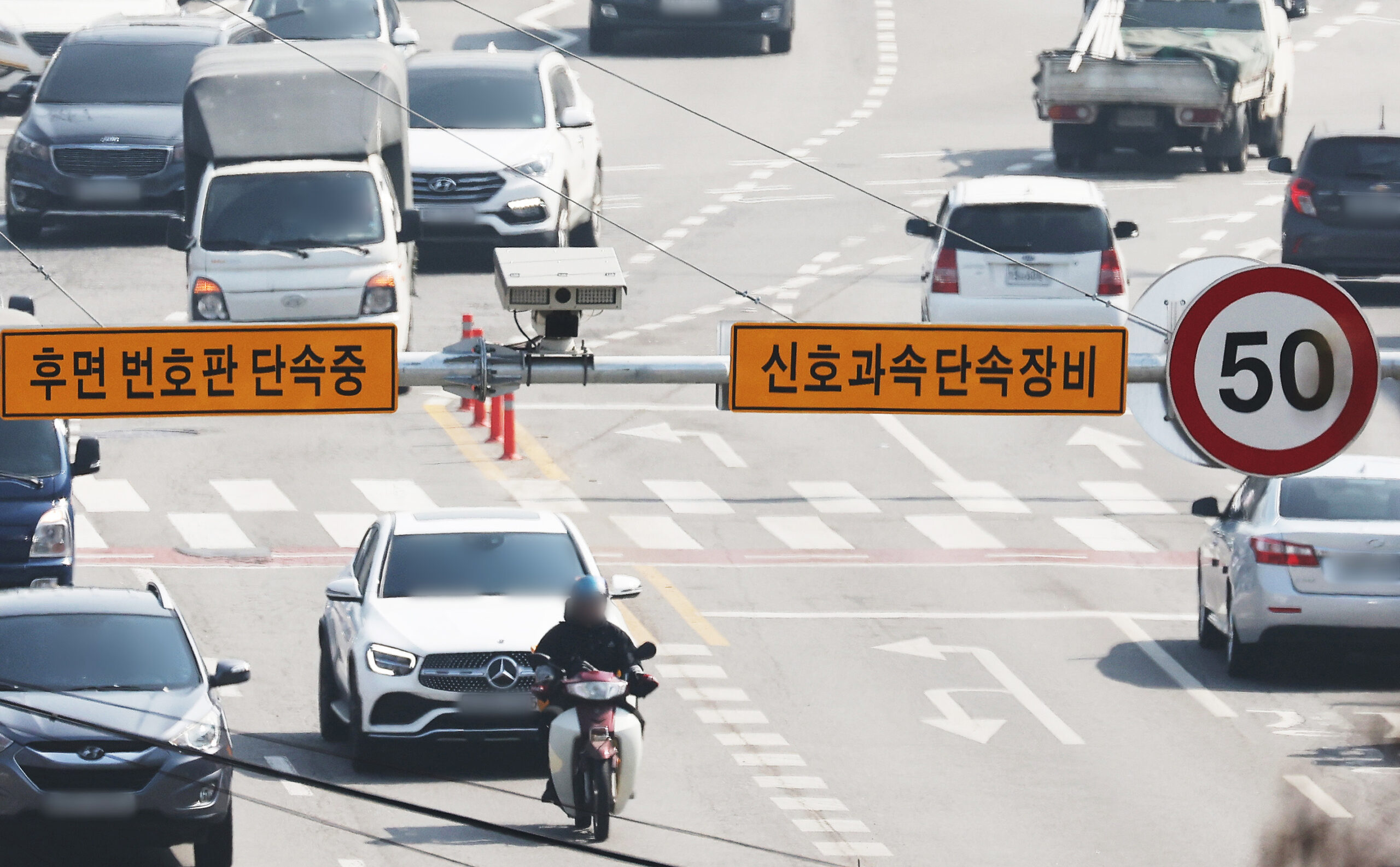
- Speed enforcement cameras are widely installed across the country.
- Seatbelt use is mandatory for all passengers.
- Drivers must slow down in designated zones such as school zones.
These aspects reflect the Korean legal framework’s strict enforcement of safe driving, often resulting in a reputation for being highly rigorous.
Q1. What Counts as a Signal Violation in Korea?
Stopping at a Red Light
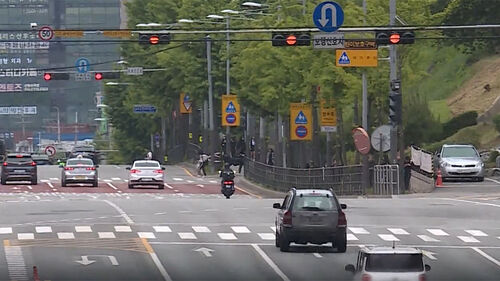
The golden rule is: always stop at a red light. While many countries allow right turns on red after a brief stop, Korea permits it under the condition that it does not interfere with pedestrians or other traffic. Importantly, a complete stop and a careful check in both directions are mandatory before making the turn. Failing to stop fully can result in a signal violation if caught on camera.
What Does the Yellow Light Mean?
A yellow light signals that the light is about to turn red, advising drivers to prepare to stop safely. One common misunderstanding among foreign drivers is interpreting a yellow light as a prompt to speed up. While it’s acceptable to proceed if already within the intersection, it’s safer to stop before entering. This is particularly important in busy intersections or pedestrian-heavy areas, where aggressive driving during a yellow light can easily lead to accidents.
Automated Traffic Signal Enforcement
Korea has a highly developed automated traffic enforcement system, with red light cameras installed nationwide. These automatically record violations. Foreign drivers, especially those using rental cars, may receive fines mailed to their rental company or registered residence. Because infractions can lead to costly penalties, it’s best to avoid even minor mistakes.
Q2. How Strict Are Speed Cameras in Korea?
Speed Limits and Camera Zones
In Korea, general speed limits are as follows: 50–60 km/h in urban areas, 70–80 km/h on peripheral roads, and 100–120 km/h on expressways. Recently, stricter speed laws have extended 50 km/h zones within city areas. Many speed enforcement cameras are calibrated to record vehicles that slightly exceed the limit. The tolerance margin may be around 5–10 km/h, but exact thresholds depend on the police and camera type. To stay safe, always follow posted speed limits.
Mobile and Section Speed Enforcement
In addition to fixed cameras, mobile enforcement units may park at the roadside using radar guns for spot checks. These are common on suburban roads where drivers may unconsciously speed. There’s also “section speed enforcement,” where average speed is measured between two camera points. Slowing down at the start but speeding up before the end will still get you penalized, so maintain the speed limit through the entire zone.
Fines and Penalty Points
Speeding violations result in fines and, in some cases, penalty points. For foreigners, fines are usually the main consequence, but extreme speeding or reckless behavior may lead to harsher penalties. In rental car cases, the company often pays the fine first and bills the driver later, sometimes adding service fees—so be sure to check the company’s policy in advance.
Q3. How Important Is Wearing a Seatbelt?
Mandatory Seatbelts for All Seats
Korean law requires that all vehicle occupants wear seatbelts. This applies not only to the driver and front-seat passenger but also to passengers in the back seats. Although this rule was only recently strengthened, and some locals remain unfamiliar with it, foreign drivers—who often have higher traffic safety awareness—should make sure everyone in the vehicle fastens their seatbelt.
Child Safety Seats
Children under 6 years old must be seated in an approved child car seat. Most rental car companies in Korea offer baby seat rentals upon request. Failure to comply may result in fines, but more importantly, a child safety seat is a life-saving necessity.
Q4. How Do I Follow the Pedestrian Priority Rule?
Stop at Crosswalks
Korea has significantly tightened its pedestrian safety laws. Even at crosswalks without traffic lights, drivers must stop if pedestrians are waiting to cross. Foreign drivers might wonder, “Can’t I just pass before they step onto the road?” The answer is no—Korean law prioritizes pedestrian safety, and vehicles must yield. In school zones, rules are even stricter, requiring speeds under 30 km/h and extra caution.
Driver Responsibility in Pedestrian Accidents
In most incidents involving pedestrians, drivers are held primarily responsible. Korea emphasizes pedestrian protection, and accidents in school zones or elderly/disabled care areas result in more severe penalties. Always slow down and scan the surroundings in crosswalks, residential alleys, and neighborhood roads to prevent accidents.
Q5. Safe Driving Tips for Foreign Visitors in Korea
Use Mobile Navigation Apps
Even if you’re well-versed in traffic laws, driving in unfamiliar environments can lead to mistakes. If you’re not fluent in Korean, use mobile GPS apps with English support—such as Google Maps or international navigation apps—that offer real-time traffic updates and route suggestions. These can help you avoid traffic violations and stay on a safe path.
Familiarize Yourself with Local Signage
Most road signs in Korea include international symbols alongside Hangul, so they’re generally understandable. However, you should still learn markings used only in specific zones, such as “Bus Only Lane” signs or road markings for school zones. Entering a bus-only lane by mistake can result in fines, so check for blue road lines and corresponding signs in advance.
What to Do in Case of an Accident
If you’re involved in a traffic accident, first move your vehicle to a safe location, turn on your hazard lights, and call the police (112) and your insurance provider. Foreigners who face language barriers should know that police and emergency responders have access to on-site interpretation services. If someone is seriously injured, also call emergency services (119) immediately.
Conclusion: Following the Road Traffic Law Is the First Step to Safer Driving
Safe driving in Korea starts with obeying the Road Traffic Act. Following basic rules such as signal obedience, speed limits, and seatbelt use protects not only you but also those around you. As a foreigner, Korean traffic laws may seem strict at first, but you’ll soon realize that these regulations foster a safer driving environment.
Now that you’re familiar with the core principles and frequently asked questions about Korean traffic laws, hit the road with confidence and responsibility. By practicing empathy and following the rules, we can all contribute to safer, more comfortable roads. Drive smart, stay safe, and enjoy your road trip in Korea.
K-Name Studio: Create your perfect Korean name based on your personality and style.
What’s My K-Beauty Personal Color?
WeBring Service : Provides personalized services to foreigners living in Korea
Exclusive offer: Introducing foreign car rental in Korea, WeBring-SoCar
Living in Korea? You don't have to figure it out alone
Insurance, visas, jobs and hospital interpretation — WeBring supports every step of settling in Korea, in your language.