Long-term Living in Korea vs Travel: 20 Differences Long-Term Residents Agree On
Looking for the truth about long-term living in Korea? This guide is for you. Tourists see only the pretty side; long-term residents deal with the everyday systems. Even in the same Seoul, “tourist mode” and “resident mode” play by completely different rules.
Today we condense 20 points that foreigners who actually stay in Korea long-term agree with the most, with practical survival tips you can apply right away.
Long-term Living in Korea: The Bottom Line First
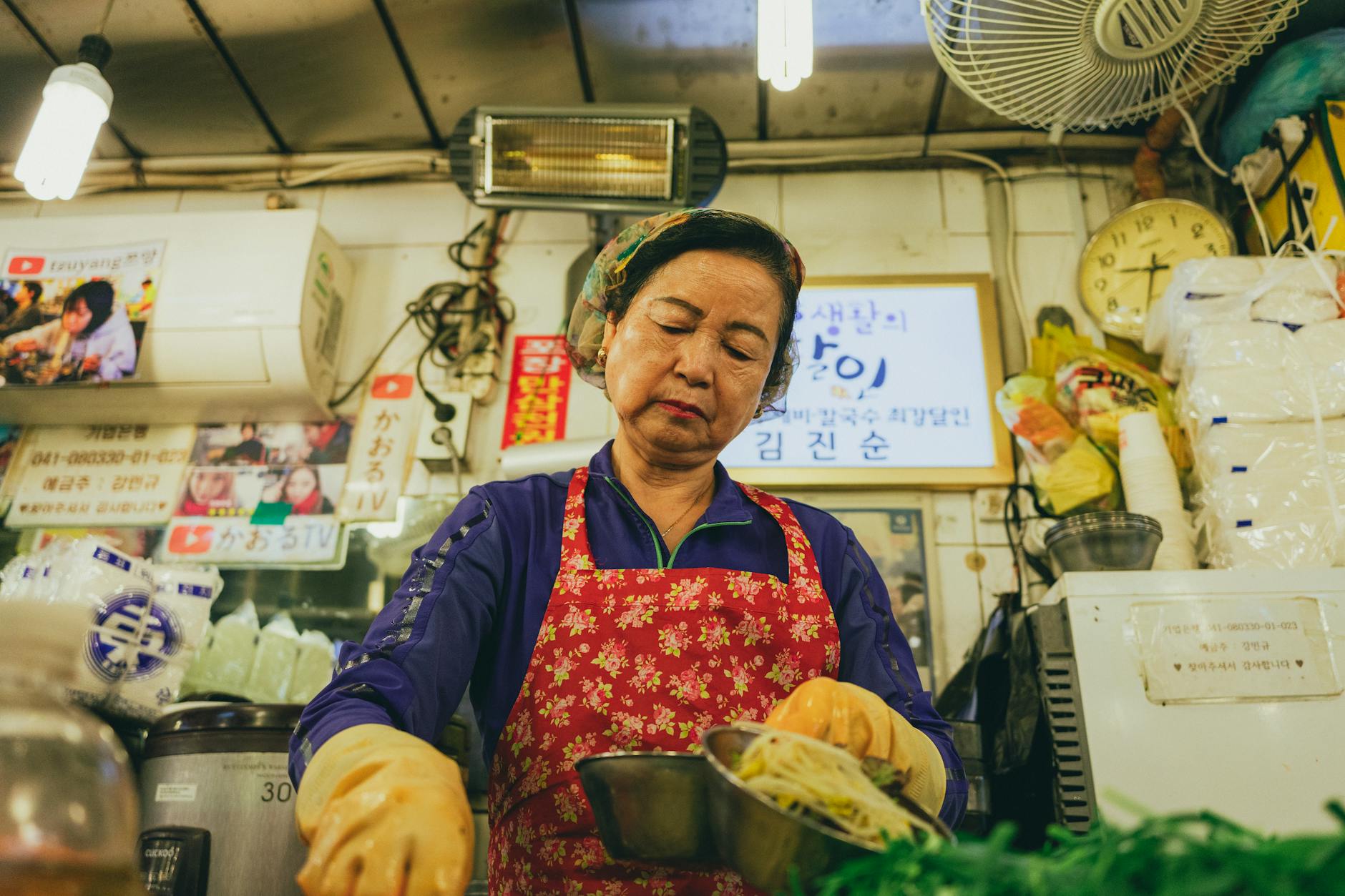
Travel is an experience; long-term living in Korea is a game of adapting to systems (administration, contracts, rules). For details you can check the Korea Tourism Organization. For related info, also see the Bukchon Hanok Village Walking Guide.
Long-term Living in Korea 1: The Residence Card Matters More Than Your Passport
Tourists only need a passport, but for residents the Residence Card (Alien Registration Card) becomes the de facto ID. If you plan to stay more than 90 days, registration becomes a core routine. (Study in Korea) For related info, also see the Namsan Tower Dullegil Comparison Guide.
Resident tip: In long-term living in Korea, the #1 source of being stuck is usually ID number or authentication issues.
Long-term Living in Korea 2: Entry is Not the End, Registration is the Beginning (90-Day Rule)
Foreigners staying in Korea more than 90 days are advised to register within 90 days of entry. (Study in Korea)
Tourist mode: Passing through the airport = done. Resident mode: Passing through the airport = the start (book appointments, prepare documents).
Long-term Living in Korea 3: When You Move, You Don’t Just Pack — You Also File
Tourists just change hotels, but residents have to file an address change report after moving. The government guide (Study in Korea) clearly states that registered foreigners must report an address change within 15 days of moving. (Study in Korea)
Resident tip: Put the address change report on your moving checklist alongside the realtor and landlord. Related: Foreigner Address Change Report Guide.
Long-term Living in Korea 4: Visa Expiry Becomes a Life Risk, Not a Travel Date
For tourists, the deadline is the return flight; for residents, it’s the visa expiration date. The government guide also explains that visa extensions must be applied for before the expiration date. (Study in Korea) Also check the Korea Overstay Solution Guide.
Long-term Living in Korea 5: Who Do You Call When Something Goes Wrong? 1345 / 120 / 1330
- Visa / Immigration / Stay consultation: 1345 (Immigration Contact Center) — weekdays 09:00–22:00, primarily Korean / English / Chinese after 18:00 (Immigration Office)
- Seoul living and city services: 120 Dasan Call (foreign language support) — dial 02-120 + ARS 9, weekdays 09:00–18:00 (120dasan.or.kr)
- Travel and tourism help: 1330 Korea Travel Hotline (phone / chat) — 1330 inside Korea / +82-2-1330 from abroad (VISITKOREA)
Tourist mode: “I’ll just google it.” Resident mode: One phone call is the fastest path.
Long-term Living in Korea 6: Your Home Stops Being a Hotel and Becomes a Contract
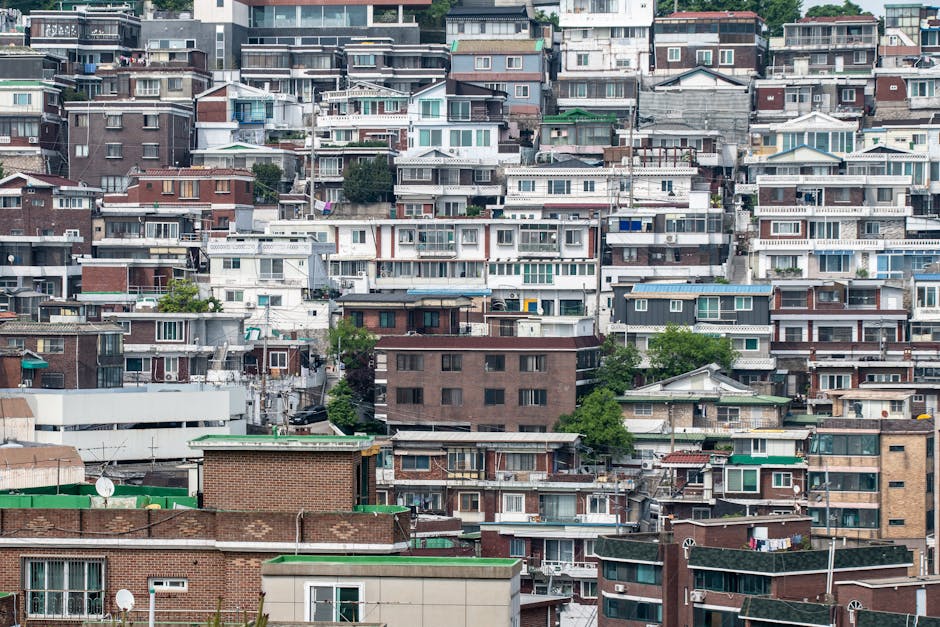
For tourists, check-in and check-out are the whole story. For residents, the lease, special clauses, repair scope, move-out cleaning, and early termination all become real. The Korean Housing Types Comparison Guide makes the house hunt much easier.
Resident tip: Always photograph the special clauses in the contract. They become the reference if a dispute comes later.
Long-term Living in Korea 7: Jeonse — A Housing System Unique to Korea
Jeonse is widely known as a system where you pay a large deposit instead of monthly rent, live there for the contract period, and get the deposit back at the end. (weave-living.com)
Tourist mode: Lodging cost = daily unit. Resident mode: Deposit = a life-asset-scale number.
Long-term Living in Korea 8: A Word Scarier Than Monthly Rent — Maintenance Fee (Gwanribi)
When you live in Korea, beyond monthly rent there is often a maintenance fee (shared electricity, cleaning, elevator, security, heating, etc.), which changes your actual monthly spending.
Resident tip: Ask these 3 questions when viewing a place
- What is the average monthly maintenance fee?
- What is the heating type (individual / central)?
- What is included / excluded (water / internet)?
Long-term Living in Korea 9: Hospitals Are a System of Insurance and Registration
For foreigners, according to the National Health Insurance Service (NHIS), foreigners and overseas Koreans staying in Korea more than 6 months may be subject to mandatory enrollment (depending on eligibility and visa type). (NHIS) Find more in the Foreigner Korea Hospital Cost & Insurance Guide.
Resident tip: Confirming whether your visa or status applies, and whether exemption is possible, is safest via the official guide. (NHIS)
Long-term Living in Korea 10: It’s a Card Paradise, But You Need a Residence Card to Get One
The working holiday guide (WHIC, Overseas Koreans Agency) also notes that a residence card is needed for bank accounts, mobile phone purchases, lease contracts, and legal employment. (whic.mofa.go.kr) See also the Foreigner Bank Account Opening Guide.
Tourist mode: Get by with roaming and cash. Resident mode: Phone / bank / authentication are everyday infrastructure.
Long-term Living in Korea 11: Trash Isn’t Just “Throwing Away” — It’s Categories, Rules, and Weekdays
Korea has detailed separation rules that vary by region and building, and some districts specify designated bags and disposal methods (for example, the Dongdaemun-gu English page describes designated bags for food waste and separate disposal for recycling). (ddm.go.kr)
Resident tip: When you first move in, ask the management office or landlord 3 things.
- Where do I buy the official general-waste bag (jongnyangje)?
- How is food waste disposed of (bag vs RFID)?
- What are the disposal days / hours?
Long-term Living in Korea 12: Convenience Stores Go From Snack Stops to Living Centers
During travel, convenience stores are for ramen and snacks; once you start living, they become small pieces of everyday infrastructure for parcels (pickup / returns), household items, ready meals, and various payments.
Long-term Living in Korea 13: Delivery Goes From Travel Novelty to Routine
Korean delivery and parcel services are fast and convenient, but as a resident you also pick up these extras.
- How to write addresses in Korean
- Front-door codes and “leave at door” requests
- Receiving when you’re away (security office / parcel locker)
Long-term Living in Korea 14: You Start Optimizing Life Routes, Not Tourist Routes
Tourists focus on landmarks, but residents care about function-driven routes: home–subway–mart–gym–hospital–district office. The Korea Transportation Guide helps you design efficient daily routes.
Long-term Living in Korea 15: Cafés Become Offices and Meeting Rooms Rather Than Healing Spots
Korean café culture (seats, laptops, study sessions) is often closer to “use of space for daily life” than to the aesthetic experience tourists expect.
Long-term Living in Korea 16: Making Korean Friends Runs on Regular-Meeting Structures
Travel has the romance of a one-day connection, but everyday life needs repeated touchpoints. Hobby clubs, language exchanges, volunteer groups, and running crews — regular cadence is what makes real friendships.
Long-term Living in Korea 17: Communication and Appointment Culture Differs From the Lightness of Travel
On a trip, spontaneity is a virtue, but in long-term living in Korea the “when, what time, where” tends to be settled more concretely and quickly.
Long-term Living in Korea 18: Dating Becomes Life Negotiation, Not Tourism
Dating and relationships are one of the areas where cultural differences hit hardest. When defaults differ — contact frequency, relationship labels, anniversaries, who pays — misunderstandings show up often.
Long-term Living in Korea 19: Korean Shifts From Travel Phrases to Documents, Contracts, and Notices
Tourists are happy with just “delicious” and “how much?”, but residents face contracts, building notices, hospital intake forms, and administrative documents — the reading difficulty goes up.
Resident tip: If Korean is still hard, combining photo-and-translate with official hotlines like 120 / 1345 is stronger than expected. (120dasan.or.kr) Also check the 15 Essential Apps for Foreigners in Korea.
Long-term Living in Korea 20: The Biggest Difference of All — Travel is Excitement, Living is Settling In
After living here a while, you’ll have moments where you ask: “I came because I loved Korea — why is it sometimes hard?” It’s not that Korea is strange. It’s that you’re living the reality of daily life (contracts, rules, relationships) rather than the dopamine of a tourist.
Long-term Living in Korea Bonus: 30-Day Korea Settlement Checklist
Days 0–7
- Get a Korean phone number (by whatever method available)
- Confirm a home / accommodation address (so you can receive mail)
Days 7–14
- Prepare immigration-related appointments and documents (the within-90-days registration routine) (Study in Korea)
- Save essential hotline numbers: 1345 / 120 / 1330 (Immigration Office)
Days 14–30
- Connect everyday infrastructure — bank, telecom, lease — the stage where the residence card becomes necessary (whic.mofa.go.kr)
- Confirm trash disposal rules (bag type / day / food waste method) (ddm.go.kr)
Long-term Living in Korea FAQ
Q1. If I stay more than 90 days in Korea, do I have to register?
The government guide (Study in Korea) advises foreigners planning to stay more than 90 days to register within 90 days of entry. The working holiday guide states the same 90-day rule. (Study in Korea)
Q2. If I move, do I need to file an address change?
Yes. According to the government guide, registered foreigners who move must file an address change within 15 days. (Study in Korea)
Q3. Do foreigners have to enroll in National Health Insurance?
According to the NHIS English guide, foreigners and overseas Koreans staying more than 6 months may be subject to mandatory enrollment (depending on eligibility, visa and other conditions). (NHIS)
Q4. Where do I ask about visa and stay issues?
The Ministry of Justice Immigration 1345 Contact Center offers multilingual consultation, with published operating hours. (Immigration Office)
Q5. For living-administration help in Seoul (transport, civil services, interpretation), where should I go?
120 Dasan Call’s foreign-language service provides living and administration info for foreigners, with usage instructions (02-120 + ARS 9) and operating hours. (120dasan.or.kr)
Q6. For travel inconveniences, lost items, or tourism questions, who do I contact?
According to the Korea Tourism Organization (KTO), the 1330 Korea Travel Hotline offers phone and live chat service, accessible at 1330 within Korea and +82-2-1330 from abroad. (VISITKOREA)
Q7. I heard the cost of the foreigner residence card changed?
According to a Ministry of Justice (Immigration) notice, starting January 1, 2025, the Alien Registration Card (Residence Card) integrates an IC chip, and the issuance fee was raised from 30,000 KRW to 35,000 KRW. (Immigration Office)
Q8. Korean trash and food-waste separation is too hard. Where do I check the rules?
Rules vary by municipality, so the English-language guide for your gu/dong or your building’s management notice is the most accurate source. For example, the Dongdaemun-gu English page describes food-waste and recycling disposal methods (designated bags, transparent bags, etc.). (ddm.go.kr)
K-Name Studio: Create your perfect Korean name based on your personality and style.
What’s My K-Beauty Personal Color?
WeBring Service : Provides personalized services to foreigners living in Korea
Exclusive offer: Introducing foreign car rental in Korea, WeBring-SoCar
Living in Korea? You don't have to figure it out alone
Insurance, visas, jobs and hospital interpretation — WeBring supports every step of settling in Korea, in your language.