A Day in Jeonju Hanok Village: Your Ultimate Travel Guide
Jeonju is widely recognized as the “City of Taste” and a center of traditional culture in Korea. Among its many attractions, Jeonju Hanok Village stands out with hundreds of traditional Korean houses clustered together, creating an exceptional space where every alley is filled with historical charm and old-world atmosphere. If you are a foreign visitor on a short trip to Korea, spending a day in Jeonju Hanok Village—so different from Seoul’s sleek cityscape—will be a truly meaningful experience. Here, you can stay in a traditional Korean house called a hanok, enjoy a variety of street foods, and immerse yourself in engaging art and cultural experiences. In this article, under the theme of “A Day in Jeonju Hanok Village,” we will introduce how to plan your itinerary, explore the area efficiently, and highlight must-see attractions you shouldn’t miss.
First Encounter: Tranquil Alley Views and the Beauty of Hanok Architecture
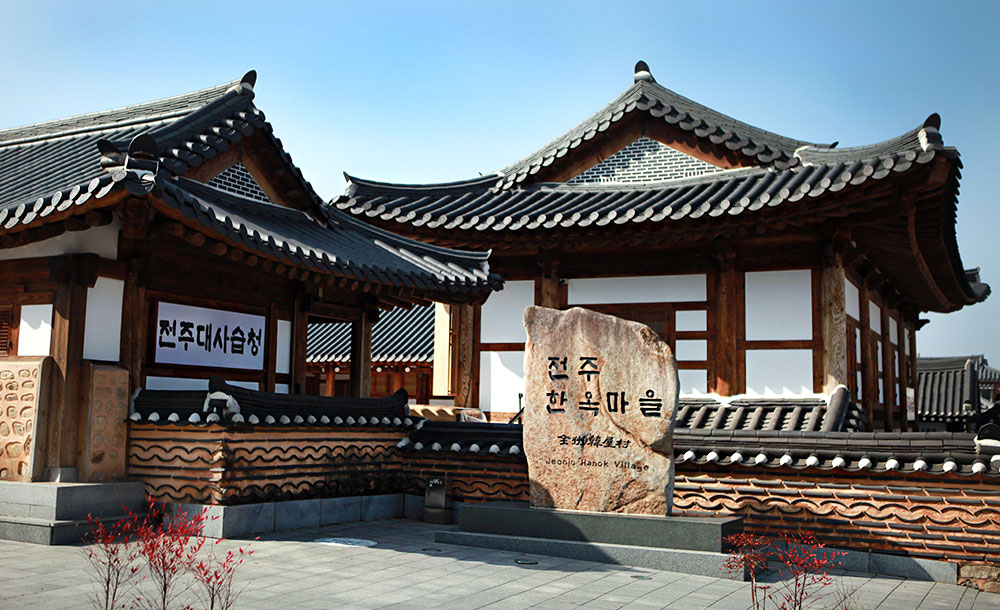
As soon as you arrive in Jeonju Hanok Village, you’ll be greeted by a breathtaking sight of endless rows of elegant tiled roofs. Walking through the alleys feels almost like stepping back in time to the Joseon Dynasty. While modern cafés and restaurants line the entrance, just a few steps deeper into the village, the stone walls, wooden gates, and travelers in traditional hanbok seamlessly blend to amplify the unique, nostalgic charm of the Hanok Village.
One of the joys of visiting is observing the distinctive structure and design of hanok houses. Traditional Korean hanok are built to harmonize with nature, allowing air to circulate freely. Their graceful curves and exposed wooden textures—rather than ornate decorations—create their understated elegance. As you stroll through the alleys, you might glimpse small courtyards beyond stone walls, where the boundaries between living space and nature blur beautifully. Simply walking around Jeonju Hanok Village can bring a sense of calm and visual serenity to anyone who visits.

Hanbok Rental and Traditional Experience Programs
There are plenty of opportunities to rent and wear a hanbok in Jeonju Hanok Village. Numerous rental shops allow visitors to choose from various designs and colors. For many international travelers, trying on a hanbok for the first time is a truly unique cultural experience. Once dressed, every corner of the village transforms into a natural photo spot—the combination of hanbok and the old hanok backdrop makes for perfect keepsake photos.
Many visitors say that wandering through the village in a hanbok feels like becoming a noble or royal from centuries past. Some even rent traditional wedding or aristocratic costumes for a more striking look. If you visit historic landmarks such as Gyeonggijeon Shrine, Omokdae, or Hyanggyo while wearing hanbok, your trip becomes even more immersive and memorable.
Traditional craft workshops such as hanji (traditional paper) art, pottery making, and tea ceremonies are also available here. If time permits, booking a session in advance can be a rewarding experience. For instance, you can make bookmarks or fans with hanji, or craft small teacups at a pottery studio. These hands-on experiences offer a glimpse into the craftsmanship and artistic spirit that have been passed down for generations—one of the many reasons Jeonju Hanok Village is so captivating.
Food Paradise: From Bibimbap to Street Snacks
When people think of Jeonju, they immediately think of “Jeonju Bibimbap.” This signature Korean dish, a nutritious mix of rice, vegetables, beef, egg, and gochujang (chili paste), has long been loved as a wholesome meal. Around the Hanok Village, you can easily find restaurants specializing in bibimbap and other traditional dishes, making it a must-try. Be sure to enjoy the side dishes and bean sprout soup that often accompany the meal—they are just as delightful and flavorful.
As you stroll through the alleys, you’ll encounter countless street food stalls. Handcrafted choco pies, dumplings, hotteok (sweet pancakes), and omija juice are just a few of the tempting snacks waiting to be discovered. Creative fusion foods like the famous “Jeonju Cheese Bomb Hotteok” are also worth a try. Since Jeonju is renowned for its abundant culinary scene, plan your visit with some empty stomach space—you’ll want room to taste as many delights as possible.
Where History Meets Art: Gyeonggijeon Shrine and Traditional Performances
At the heart of Jeonju Hanok Village lies Gyeonggijeon Shrine, which houses the portrait of King Taejo, the founder of the Joseon Dynasty. Its stately stone steps and wooden architecture exude a sense of majesty distinct from the rest of the village. Exploring Gyeonggijeon offers a meaningful way to reflect on Korea’s royal heritage while its spacious grounds provide a peaceful place for a quiet stroll among well-kept trees and plants.
If you’re lucky, you might catch a traditional performance or gugak (Korean music) concert taking place within the Hanok Village. On weekends or during festivals, the streets come alive with pansori (folk singing), samulnori (traditional percussion), and graceful Korean dance—each performance filling the air with energy and excitement. To make the most of your visit, check the festival schedule in advance to experience these artistic moments firsthand.
Traditional Hanok Stay: Sleeping Amid the Scenery of Jeonju
To fully embrace the charm of Jeonju Hanok Village, spending a night in a hanok is highly recommended. Many hanok guesthouses today have been beautifully remodeled, preserving traditional elements while offering modern amenities. As you sit in a warm ondol room (heated floor) and gaze at the tiled roofs outside the window, you’ll feel time blend seamlessly between past and present.
When night falls, the village takes on a completely different aura. As shops close, the peaceful stillness is softly illuminated by lights reflecting off the tiles, adding to the village’s allure. Staying overnight allows you to savor this quiet beauty—the same streets bustling by day turn tranquil and magical by night. Waking up at dawn to birdsong and enjoying a warm cup of tea by the window is a rare and peaceful luxury you won’t easily forget.
Conclusion: A Heartwarming and Relaxing Day in Jeonju
Jeonju Hanok Village is more than just a tourist destination—it is a living showcase of Korea’s traditional beauty, rich cuisine, and dynamic cultural heritage. Spending a day here reveals a fascinating harmony between past and present, as the nostalgic atmosphere of hanok alleys meets the creativity of modern interpretations. For foreign visitors, it’s a rare chance to witness how Koreans once lived; for locals, it’s an opportunity to rediscover the sentimental charm of Jeonju.
Even if your stay is short, planning ahead by researching restaurants, cultural programs, and accommodations will help you make the most of your visit. Wandering spontaneously through the alleys can be wonderful, but knowing a few must-visit spots in advance allows for a richer experience. Spend your daytime strolling across streets where old meets new, and your evening cozied up in an ondol room within a traditional hanok. Your trip to Jeonju Hanok Village will surely be remembered as a heartwarming and leisurely day well spent.

K-Name Studio: Create your perfect Korean name based on your personality and style.
What’s My K-Beauty Personal Color?
WeBring Service : Provides personalized services to foreigners living in Korea
Exclusive offer: Introducing foreign car rental in Korea, WeBring-SoCar
Explore Korea's mountains — guides in your language
Courses, transport and seasonal tips for 30 mountains, from Bukhansan to Hallasan, available in 11 languages. Pick up essential travel Korean and find events for the global community, too.