Pop-up store exhibitions for foreigners visiting Korea: the latest trends and strategies for success

Limited-Time Pop-Up Store and Immersive Exhibition Information

1) Pop-Up Stores: The Appeal of Novelty and Limited Editions

Pop-up stores are temporary shops that open for a limited time and then disappear. They operate for a few weeks to a few months, typically used by brands or artists to showcase new products, unique collaborations, or distinctive experiences. The recent boom of pop-up stores in Korea is largely due to consumers’ strong interest in limited-edition products and unique experiences. Additionally, the MZ generation, known for spreading trends quickly on social media, eagerly visits pop-ups, taking photos to post and share online.

In this post, we’ll introduce some of the hottest pop-up stores and exhibitions happening now and explore why these events are gaining such popularity. We’ll also share tips on how to make the most of your visit and what to watch out for. Since these events only last for a limited time, it’s a good idea to check in advance so you don’t miss out on the exclusive experience.

Pop-up stores go beyond merely selling products—they create spaces that visually and experientially showcase a brand’s identity or collaborations. For instance, a luxury brand might set up a gallery-style pop-up to introduce a seasonal collection, allowing visitors to experience the products like an art exhibit. In another example, a popular K-pop group might team up with a beverage brand to create a themed pop-up café where fans can enjoy exclusive goods and curated events aligned with the group’s image.

Pop-ups inspired by hit animations or character IPs often include photo zones or gamified activities. Guests may take part in QR-activated missions or collect stamps to receive exclusive merchandise, enhancing the overall fun. These exclusive, location-based experiences fuel curiosity and the desire to collect, making them irresistible to many visitors.
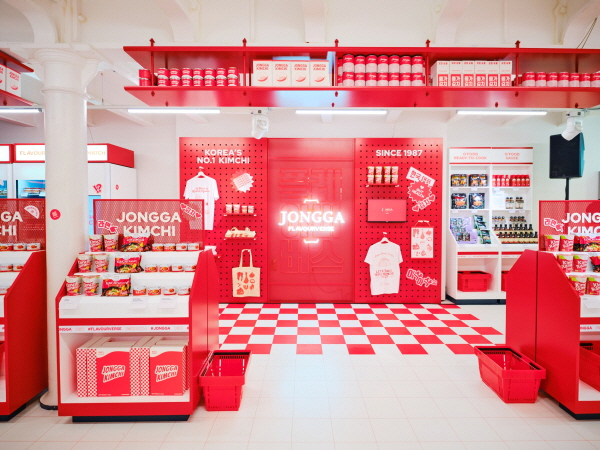
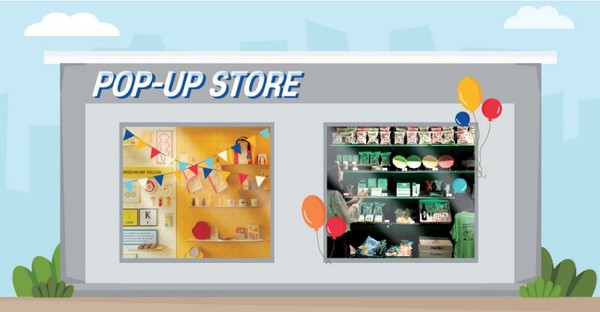
Pop-up Store

One notable example includes a fashion brand launching a shoe line made from recycled plastic, showcased through a large-scale exhibition booth. Inside, an interactive art installation showed ocean waste disappearing each time a visitor stepped on the floor screen—conveying a powerful message about environmental protection. This blending of brand values and social causes left a memorable impact on guests.

Another example involved a collaboration between a popular dessert brand and a character IP company. They opened a pop-up café featuring a giant bear sculpture and a sweets bar, drawing hundreds of visitors who lined up each weekend. Social media was flooded with photos taken next to the bear and posts proudly displaying limited-edition cups and merchandise, underscoring how much consumers value one-of-a-kind experiences.

4) Immersive Exhibitions: Where Art Meets Technology

Much like pop-up stores, immersive exhibitions are gaining attention as cultural events that stimulate multiple senses. Unlike traditional art shows where visitors only view paintings, these exhibits allow free movement within interactive environments, attracting people interested in experiencing art firsthand. Digital media art shows, projection mapping displays, holograms, and AR setups are all part of this tech-driven trend.

A great example is the series of immersive Van Gogh exhibitions across cities, where his artworks are displayed on massive screens accompanied by music. Attendees have described the experience as stepping into the paintings themselves. These exhibitions are photo-friendly as well, helping them go viral on social media.

5) Limited-Edition Merch and Social Media Virality

During a pop-up store or immersive exhibition’s open period, it’s common to see lines forming as people wait to purchase limited-edition goods or exclusive merchandise. Some brands release small batches on specific dates only, turning these items into must-have collectibles. This rarity drives people to post photos like “I finally got the pop-up merch today!” with envious responses spreading across social media.

The exhibitions and pop-up venues themselves are often designed as photogenic spaces, making the “shareable moment” almost a requirement. Many include theme-based sets, walls, or installations where visitors can pose, hashtag, and upload their shots—sometimes earning event-related perks in return. As a result, these events inspire powerful and cost-effective viral marketing.

6) Pre-Visit Checklist: Reservations and Timing

Popular events nowadays often require advanced reservations. While on-site tickets might be available, weekends and holidays usually come with long wait times and capacity limits. Reservation slots via official websites or social media may sell out within minutes, so setting alerts and preparing in advance is key.

For timed-experience exhibitions, plan to arrive early and be flexible in case of additional wait times. At pop-up stores, hot items may sell out quickly, so visiting close to opening hours is recommended. While not much is needed in terms of preparation, be sure to charge your phone or camera if you plan on taking pictures and wear comfortable clothes for ease of movement.

7) How to Plan a Tour of Multiple Pop-Ups and Exhibitions

Multiple pop-ups and exhibitions are often held simultaneously in urban areas. For example, Seoul’s hotspots—Gangnam, Hongdae, and Seongsu—frequently host such events, making it possible to enjoy a “pop-up tour” in a single day. However, careful planning regarding travel routes and scheduling is necessary to avoid burnout. Each event has its own theme, so mixing in café visits or meal breaks can enhance the overall experience.

For instance, you could start your day with a fashion pop-up at a department store in Gangnam, grab lunch nearby, head to a nearby immersive gallery in the afternoon, and visit a pop-up dessert café by evening. With a well-planned schedule, you can squeeze in 2–3 events in one day. Just remember to stay flexible, as there could be unexpected wait times at each venue.

8) Global Interest in Korean Pop-Up Culture

With the global boom of K-pop and K-beauty, international fans are also taking notice of Korea’s vibrant pop-up and exhibition culture. Some global brands and artists even launch exclusive collaborations only in Korea, prompting foreign fans to travel just for the experience. This reflects Korea’s growing status as a trendsetting and fast-adopting market. International fans often discover Korean pop-ups on Instagram and plan trips timed around these limited-time events.

  1. Satisfaction Gained from Visiting Pop-Ups and Exhibitions
    Attending pop-up stores and immersive exhibitions offers a refreshing chance to absorb creative concepts and artistic experiences not found in daily life. Spending a few hours fully engaged with new brands or artworks and sharing those moments on social media is a delightful way of expressing individual tastes. More than just consumption, these events allow visitors to connect with a brand’s or artist’s core philosophy, adding depth to the overall experience.

Some pop-ups also incorporate social causes or philanthropy—for instance, promoting environmental awareness or donating a portion of proceeds. Visitors get to enjoy something both fun and meaningful, which boosts their satisfaction. These culturally and socially impactful pop-ups often gain traction through word of mouth, increasing their influence over time.

10) In Summary: Capturing the Magic of Limited-Time Events

Pop-up stores and exhibitions stand out for their “only for now” rarity, offering guests a chance to create lasting memories. Breaking away from daily routines to buy special products, enjoy unique experiences, and take stylized photos feels closer to a mini vacation or playdate. When shared through social media, these memories inspire others and spark curiosity.

Even if you miss out on a limited-edition item, there’s no need for regret. New pop-ups and exhibitions debut every month, often featuring fresh collaborations. What matters most is knowing your own interests and staying tuned to which brands and artists are offering exciting experiences. Visiting pop-ups and exhibitions with a sense of purpose can add a refreshing spark to your everyday life.

At this very moment, a new pop-up may be opening its doors somewhere nearby. Search for the latest limited-time exhibitions or experience-based pop-ups and plan a visit over the weekend or on your day off. Beautiful spaces perfect for photography, imaginative displays, and exclusive items that can only be found there await your discovery. Why not take a moment to step into a special world during its short run?

Pop-up Store Exhibition

Webring Newsletter

K-Name Studio: Create your perfect Korean name based on your personality and style.
What’s My K-Beauty Personal Color?
WeBring Service : Provides personalized services to foreigners living in Korea
Exclusive offer: Introducing foreign car rental in Korea, WeBring-SoCar

Jeolla Travel: Exploring the Southern Coastal Road

The southern coast of Jeolla Province is a picturesque mosaic of rugged terrain and scattered islands, where fishing villages and coastal roads create postcard-worthy landscapes. The ocean route connecting cities such as Yeosu, Suncheon, Gwangyang, Boseong, and Goheung is like a watercolor painting, filled with both refreshing openness and lyrical charm. In this post, we’ll explore the theme of “Jeolla Travel Along the Southern Coastal Road,” taking a slow and enriching journey through sea towns full of local warmth and abundance.

Yeosu: City of Night Sea and Romance

No trip along Korea’s southern coast is complete without visiting Yeosu. Popularized by the famous song “Yeosu Night Sea,” this city is beloved for its romantic nightscapes and coastal views. Its marine park and ocean cable car, developed further after the Yeosu Expo, have become must-visit attractions. At night, the colorful lights reflecting on the sea create a surreal and dreamy atmosphere.

Seafood lovers will find Yeosu a culinary delight. Local specialties like marinated crab, grilled eel, and pen shell clam shabu-shabu are highly sought after, along with unique regional dishes like Dolsan gat kimchi and seodaehoe (raw fish salad). Dining by the night sea or taking a boat from the dock to nearby islands is highly recommended for those wanting to immerse themselves in the charm of island village life.

Jeolla Travel

Jeolla Travel: Suncheon and Gwangyang, Harmony of Ecology and Industry

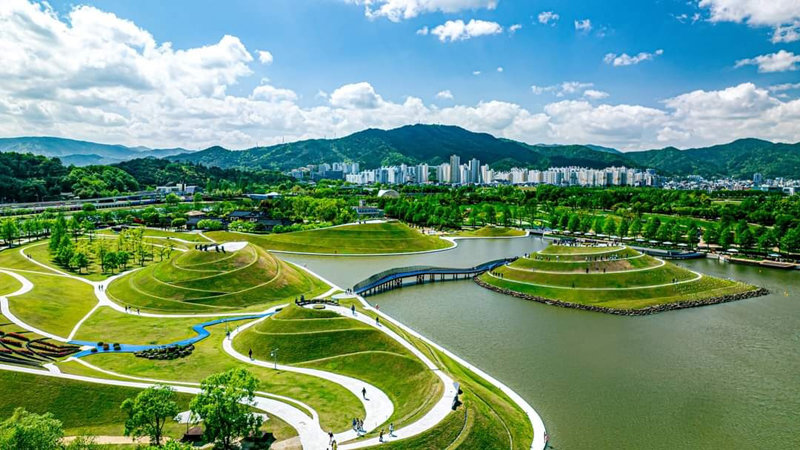
Moving slightly inland from Yeosu, you’ll find Suncheon and Gwangyang. Suncheon is a leading eco-tourism city known for Suncheon Bay National Garden and Suncheon Bay Wetland Reserve. The silver mudflats, dancing migratory birds, and golden reeds offer breathtaking landscapes. At sunset, the sky paints the wetland in brilliant hues of gold. A walk along the wooden deck path provides a front-row view of this natural spectacle. With quaint fishing villages and kind-hearted locals, many visitors find peace and tranquility in Suncheon.

In contrast, Gwangyang is a city where industry and nature coexist. Home to the massive Gwangyang Steelworks, it also boasts pristine valleys flowing from Baegunsan Mountain and the famous Maehwa Village (known for its plum blossom festival). During peak bloom, the city transforms into a dreamy scene bathed in white blossoms, making it a top destination for photography enthusiasts.

Suncheon Bay Wetlands

Jeolla Travel: Goheung and Boseong, Rest Shaped by Islands and Tea Fields

At the southern tip of Jeolla, the areas of Goheung and Boseong await. Goheung is a peninsula-like region protruding into the sea, offering endless scenic views of islands along its coastal road. It is home to the Naro Space Center, where visitors can take part in a rocket launch tour and discover futuristic science. Neighboring islands like Geogeumdo and Sorokdo have also developed into charming resorts, adding extra excitement to your coastal road trip.

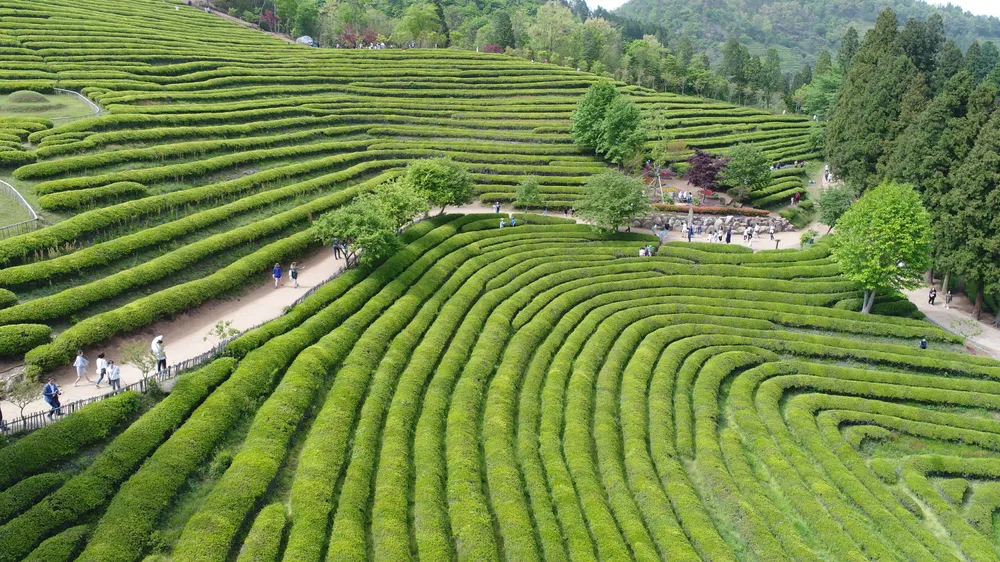
Boseong, on the other hand, is famous for its lush green tea fields. The vast terraced landscapes of Daehan Dawon and other tea farms have often served as dreamy backdrops in TV shows and films. Tasting green tea ice cream here or joining a hands-on tea-making experience is a perfect way to unwind and rejuvenate yourself. Nearby spots such as Deungnyang Station’s Memory Lane and Beolgyo’s cockle dishes also deserve a visit.

Boseong Green Tea Fields

Jeolla Travel: Coastal Drive, a Road of Serenity and Sentiment

Driving along Jeolla’s southern coast offers not only breathtaking ocean views but also a leisurely pace of life. The curving coastal roads often wind around hills and cliffs, revealing an expansive horizon beyond your car window. Taking quick breaks at seaside rest areas to enjoy seafood ramyun or traditional Korean beverages adds to the charm of the journey. Slowing down your thoughts with the sound of waves allows you to let go of stress and reconnect with yourself.

During these drives, discovering local eateries becomes a highlight. Restaurants serving handmade kalguksu (knife-cut noodle soup) made with freshly dug clams, sashimi, and seaweed bibimbap are abundant. Checking Google Maps or social media for well-reviewed spots will ensure a satisfying culinary stop. A simple meal followed by a beach walk easily fills up half a day—and this humble pleasure is what makes a coastal road trip truly unforgettable.

Conclusion: Serenity Found by the Sea

The southern coastal route of Jeolla Province offers a glimpse into a “slow yet abundant way of life.” The dazzling nightscape of Yeosu, the serene and mystical mudflats of Suncheon Bay, the pure valleys of Baegunsan in Gwangyang, the verdant green tea fields of Boseong, and the vibrant island views along Goheung’s coast each greet travelers in their own unique hue. These colors come together to provide weary travelers with a sense of comfort and peace found only here.

The rich local seafood and delicacies satisfy the palate, while the warm greetings from coastal villagers kindle a small flame in the heart. When you slow your thoughts with the sea breeze, you’re finally able to reflect on yourself and let go of small worries. We encourage you to experience this gentle, generous journey that the southern seaside of Jeolla offers—at least once. Whether you’re a foreign traveler visiting Korea or a resident looking to explore, a trip along Jeolla’s southern coast is a perfect way to recharge and reconnect.

Southern Coastal Road Trip in Jeolla

Webring Newsletter

K-Name Studio: Create your perfect Korean name based on your personality and style.
What’s My K-Beauty Personal Color?
WeBring Service : Provides personalized services to foreigners living in Korea
Exclusive offer: Introducing foreign car rental in Korea, WeBring-SoCar
Korean Souvenirs: The Ultimate Guide to Must-Have Gifts

Visiting Korea or wrapping up your study abroad experience often raises the question: “What Korean souvenirs should I bring back for family and friends?” When living abroad, it’s natural to want to gift something unique to that country. However, the wide variety of options can make it difficult to choose. Although K-pop and Korean dramas have made Korean products globally recognizable, not knowing the right brands or where to buy them can lead to disappointment. In this post, we’ll highlight must-have souvenirs that best represent Korea—focusing on traditional crafts, K-pop merchandise, and cosmetics.

Traditional Crafts: Gifting the Grace of Korean Heritage

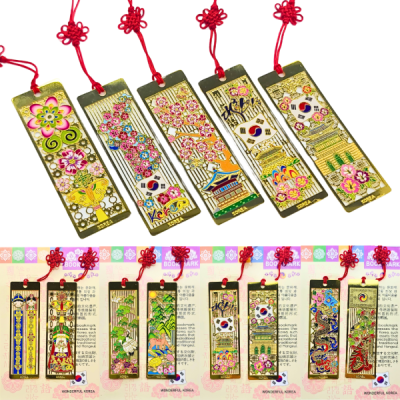
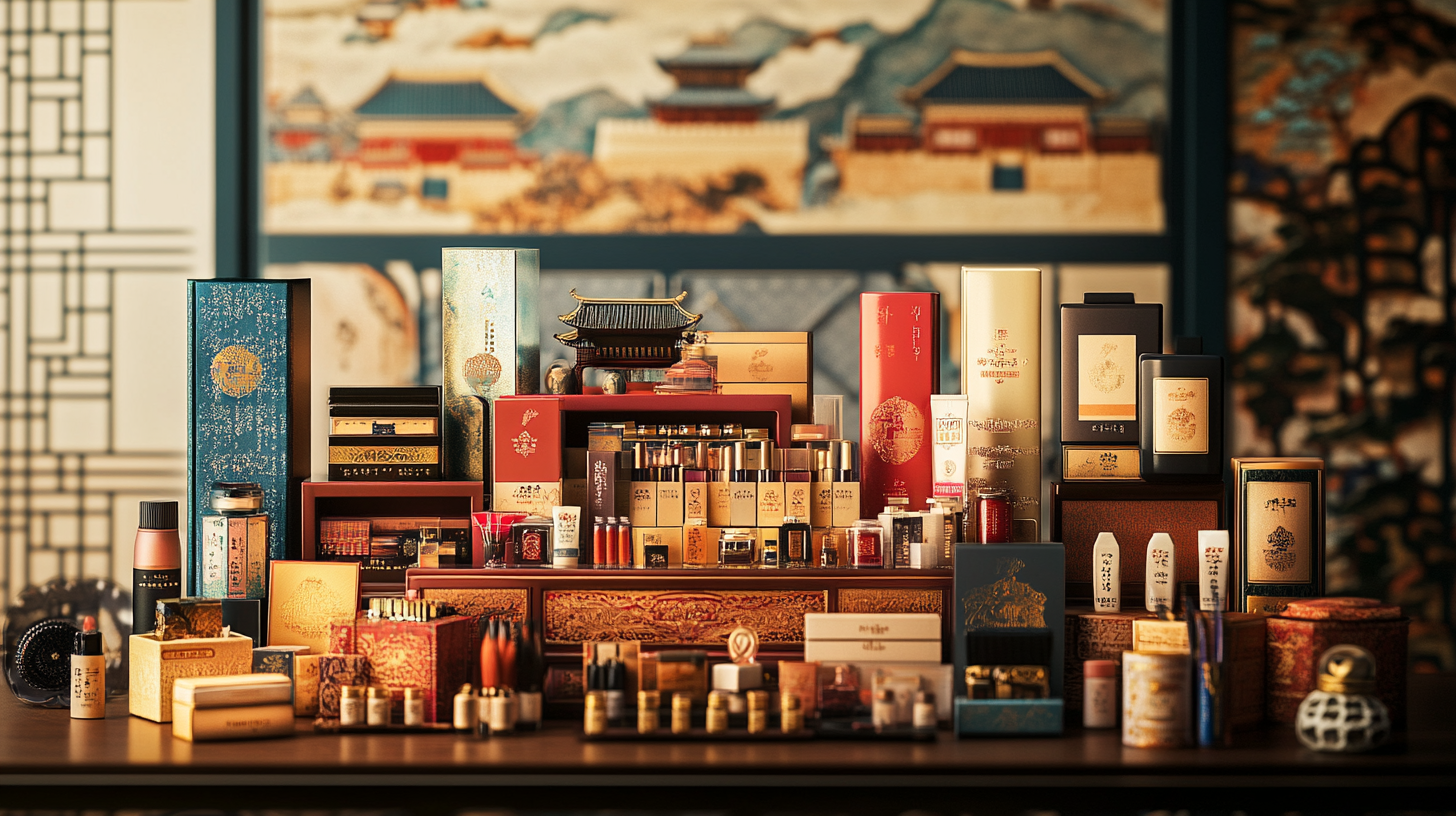
Korea boasts unique traditional craft techniques, especially renowned for mother-of-pearl inlay, ceramics, and hanji (traditional Korean paper) crafts. These traditional items not only reflect the touch of history and skilled artisans but also embody the charm of Korea’s deep cultural roots.

Among the top picks are jewelry boxes, compact mirrors, and business card holders adorned with mother-of-pearl. This craft technique uses delicate shell patterns that shimmer subtly in the light, creating an elegant and timeless beauty. From small accessories to larger storage boxes, options abound. Another classic choice is Korean ceramics, known for celadon and white porcelain. Today’s versions often come in practical forms like mugs and plates with a modern twist, blending traditional methods with contemporary design—making them excellent everyday keepsakes.

Hanji-based crafts are also worth exploring, including lampshades, pencil cases, and notebook covers. These items are lightweight, have a luxurious texture and soft colors, and are easy to carry overseas. You can easily find these crafts in Insadong, Bukchon Hanok Village, or in craft specialty shops across Seoul. Price and quality vary, so you can choose according to your budget.

Traditional Korean Souvenirs

K-Pop Merchandise: The Ultimate Gift for Fans

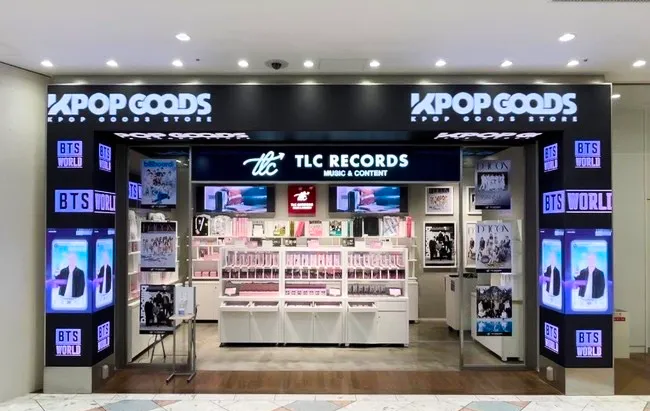
As the Korean Wave (Hallyu) sweeps across the globe, official K-pop merchandise has become a hot item among international fans. If your gift recipient is a devoted follower of BTS, BLACKPINK, EXO, TWICE, or other major groups, official goods could be a dream gift. Options range from albums, photo books, merchandise (MD), and concert light sticks to a wide array of novelty items.

You can purchase K-pop goods at official agency stores or major record shops in areas like Myeongdong, Hongdae, and Gangnam. Although online stores offer convenience, shopping in person ensures authenticity and gives you the chance to compare products directly. Many K-pop dedicated shops have also emerged, where you can buy items such as T-shirts, blankets, and accessories featuring your favorite idols. These goods are often exclusive to Korea, adding rarity and value when gifted abroad.

K-pop Gifts

Korean Cosmetics: Combining Quality and Trend

Korean cosmetics are already highly praised overseas for their price-performance ratio and high quality. Whether you’re exploring skincare or makeup, the choices can be overwhelming. In such cases, it’s helpful to ask local friends or beauty experts for recommendations.

From popular roadshop brands like Missha, Innisfree, Tony Moly, and Etude House to trendy labels like Clio and 3CE, and premium lines such as Sulwhasoo or brands under LG Household & Health Care—K-beauty has it all. For dry skin, sheet mask sets are an accessible and popular option, often sold in bulk for gifting. Makeup enthusiasts may appreciate cushion foundations, lip tints, or eyeshadow palettes. Functional cosmetics offering whitening, wrinkle care, and UV protection are also in demand, as are luxury lines that feature herbal and traditional ingredients.

While K-beauty products are increasingly available worldwide, don’t miss out on exclusive discounts and limited-edition sets available only in Korean stores. Especially in Myeongdong, many shops offer special promotions for international tourists that may include samples and coupons.

Traditional Teas and Snacks: Experience Korean Flavor

If your giftee loves food and drinks, Korean traditional teas and snacks are fantastic gift ideas. Korea offers a wide range of teas like green tea, pu-erh tea (boeicha), ssanghwa-cha (a traditional herbal tea), plum tea, and citron (yuja) tea, each with its unique flavor and health benefits. Nowadays, many are conveniently available in tea bag form, making them perfect for brewing overseas. These teas make great gifts for health-conscious friends while offering a tasteful introduction to Korea’s tea culture.

For snacks, you can consider hangwa (traditional sweets), rice cakes, walnut cookies, and dried squid. Popular Korean junk food like Shrimp Crackers or Yangnyeom Potato Chips are also fun options. And of course, the notorious “Fire Noodles” (Buldak-bokkeum-myeon) are known internationally for their intense heat. Just be mindful of customs regulations in each country. Importing meat or fruit-based snacks in large quantities can cause issues, so research what’s allowed ahead of time.

Character Merchandise and Stationery: Cute and Functional Gifts

Korea is home to several beloved character brands. From LINE Friends’ Brown and Cony to Kakao Friends’ Ryan and Muzi, character-themed goods are widely available in the form of keychains, pens, notebooks, mugs, and other daily-use items. Their cute and practical nature makes them great souvenirs.

Premium stationery brands for students and professionals are also popular, with stylish diaries, pens, and pouches readily available at bookstores and stationery shops. For authenticity, we recommend purchasing from official stores like the Line Friends and Kakao Friends flagship locations. You’ll find an extensive lineup of items, from plush toys to apparel. International fans are often surprised to learn these brands are Korean, adding an element of novelty to the gift. Stationery items are usually budget-friendly and come in a wide range of styles and prices.

Fashion Accessories: Clothing and Style with a Korean Touch

Korean fashion has garnered worldwide attention thanks to its unique aesthetic. From boutique designer labels to trendy SPA brands, Korea’s fashion scene offers something for everyone. Fashion lovers should explore districts like Dongdaemun, Myeongdong, Garosugil, and Hongdae for their vibrant shopping scenes. While fashion items may be trickier as souvenirs due to sizing and preferences, they make great gifts for yourself or close friends.

Korean-branded bags, shoes, and accessories are also highly sought after. Popular brands include Beanpole, Hazzys, Andersson Bell, and Gentle Monster. With stylish and well-crafted pieces, especially in the eyewear category, Korea’s fashion makes a statement. Before purchasing, compare in-store prices versus duty-free options, and keep in mind your country’s customs allowance.

Where to Buy and Shopping Tips

There’s no shortage of places to buy souvenirs in Korea. Key spots include tourist hotbeds, duty-free shops, traditional markets, and department stores. Visit Insadong for traditional crafts, antiques, and art; Myeongdong for cosmetics, character goods, and fashion; and explore Hongdae or Itaewon for quirky designer stores and K-pop shops. Duty-free shops are especially useful for international travelers looking to purchase high-end items at lower prices.

For better value, check prices online beforehand. However, buying in person allows you to inspect the product and avoid fakes. Be cautious of vendors selling traditional crafts at suspiciously low prices—they may be mass-produced replicas of lower quality. Having a rough idea of market prices beforehand is a smart move.

Conclusion: Gifting the Heart of Korea

Ultimately, a souvenir is a reflection of how you want to share Korea with others, and what cultural impression you hope to leave. A traditional craft tells a story of history and craftsmanship. K-pop goods deliver a pulse of modern pop culture. Cosmetics, snacks, and fashion items capture Korea’s stylish everyday appeal. No matter what you choose, the best souvenirs are those wrapped in thoughtfulness.

Souvenirs that capture Korea’s beauty and spirit can convey meaningful messages, regardless of their price tag. With a dash of tradition, a hint of trend, and a whole lot of love for Korea, even the smallest items become treasures. Whether you’re bringing something home, gifting a foreign friend, or collecting something for yourself—think about the story you want it to tell. That moment of reflection will make your souvenir selection even more exciting.

Korean Souvenirs

Webring Newsletter

K-Name Studio: Create your perfect Korean name based on your personality and style.
What’s My K-Beauty Personal Color?
WeBring Service : Provides personalized services to foreigners living in Korea
Exclusive offer: Introducing foreign car rental in Korea, WeBring-SoCar
Explore Korean Regional Cuisine: A Food Tour Across Korea

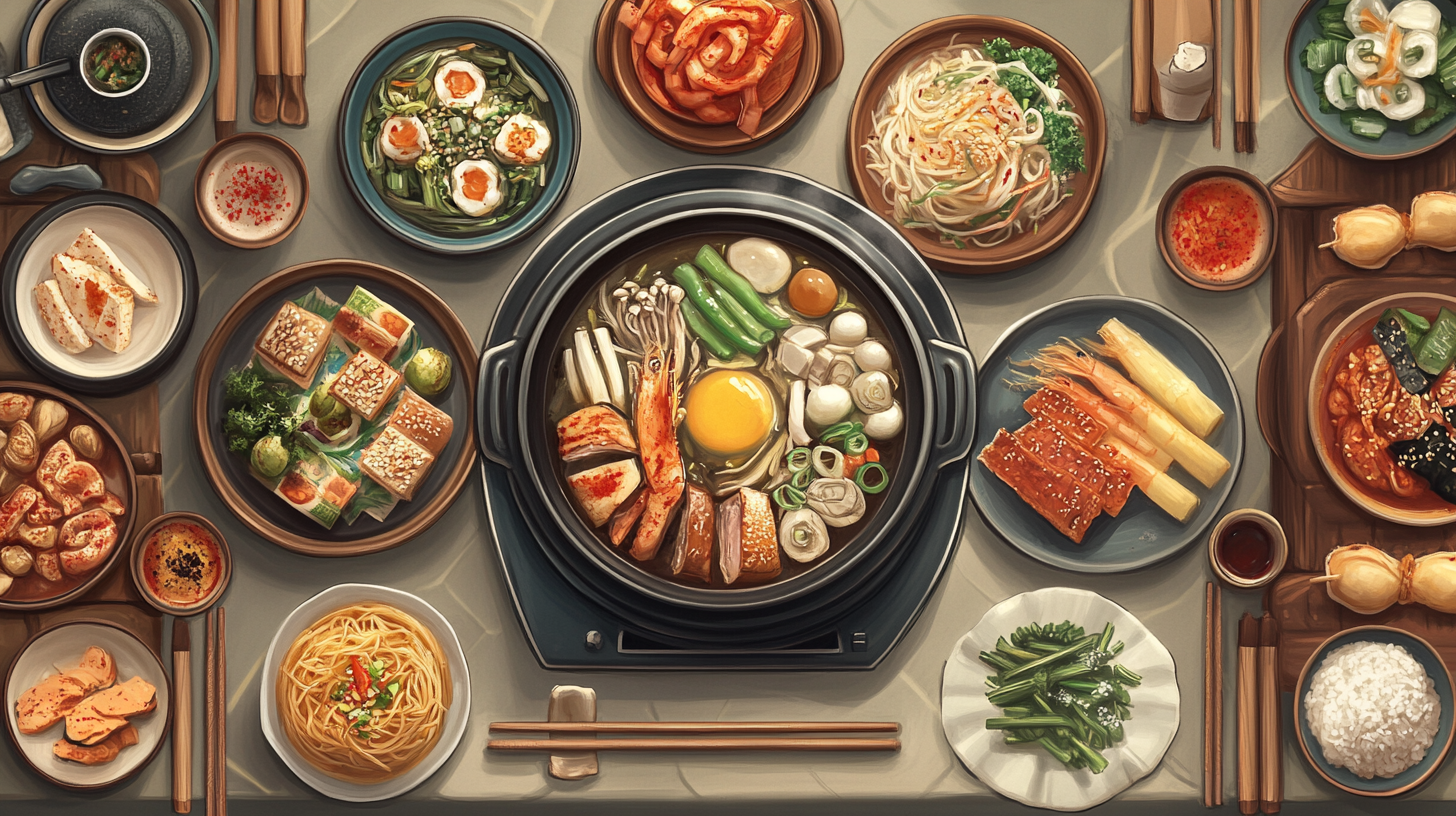
Korean regional cuisine reflects the unique flavors and rich history of each area, making a nationwide gourmet tour one of the most rewarding hobbies for food lovers. Thanks to Korea’s diverse natural environment—ranging from mountains and seas to fertile plains—the variety of ingredients is vast, and cooking styles differ according to local culture and climate. In this post, we’ll explore signature dishes from various regions and recommend must-visit restaurants and foodie tour routes.


1) Seoul and the Capital Area: A Harmony of Modern and Traditional Cuisine

Seoul: Hanok Dining in Bukchon and Ikseon-dong
As a vibrant metropolis hosting people from all over the country, Seoul is a culinary hub where tradition meets modern gastronomy. The Jongno area features a mix of historic hanok (traditional Korean houses) and upscale Korean dining establishments, where you can experience everything from royal cuisine to innovative fusion dishes. Restaurants in Bukchon and Ikseon-dong are often set inside renovated hanok, offering a serene atmosphere to enjoy beautifully arranged traditional set meals (hanjeongsik).

Younger crowds gather around Gangnam and Hongdae, where fine dining coexists with street food stalls. From premium Korean beef steakhouses to global food trucks and contemporary izakayas, the options are endless. What makes Seoul’s restaurants special isn’t just the flavor—it’s also the ambiance, presentation, and storytelling behind the ingredients that enhance the overall gastronomic experience.

Restaurants in Bukchon


2) Gyeonggi Province and Incheon: Where Seafood Meets Rural Flavors

Incheon: Sinpo Market and Chinatown
Being a port city, Incheon offers a variety of seafood dishes along with popular Chinese-style cuisine centered around its Chinatown. Sinpo Market is known for street food classics like sweet and spicy fried chicken (dakgangjeong) and glutinous rice tangsuyuk (sweet and sour pork), which blend crispy texture and bold seasoning and are loved by locals. Chinatown is famous for jjajangmyeon (black bean noodles), pan-fried dumplings, and crispy hollow bread snacks, drawing plenty of families on weekends.

Southern Gyeonggi: Suwon Galbi and Osan Food Streets
Southern Gyeonggi is synonymous with Suwon galbi (grilled beef ribs)—a thick, flavorful rib portion marinated and grilled over charcoal, producing tender, juicy meat that has long been a local favorite. Nearby towns like Osan and Pyeongtaek feature food alleys filled with both traditional eateries and creative new restaurants launched by young chefs looking to mix authenticity with innovation.

Suwon Galbi


3) Gangwon Province: Pure Flavors from Pristine Nature

Chuncheon Dakgalbi and Makguksu
When thinking of Gangwon Province, Chuncheon dakgalbi often comes to mind first. This spicy stir-fried chicken dish cooked on a hot iron plate with vegetables is highly addictive thanks to its flavorful marinade and tender meat. It’s customary to finish your meal by adding rice to the remaining sauce and frying it up for a crispy bottom layer. Chuncheon is also known for buckwheat noodles (makguksu), which pair excellently with dakgalbi.

Gangneung Seafood and Chodang Sundubu
Located along Korea’s east coast, Gangneung boasts an abundance of fresh seafood. Local specialties include fermented fish (gajami sikhae), red snow crab, grilled fish dishes, and seaweed salads. Restaurants near Jumunjin Harbor serve seasonal raw cold fish soup (mulhoe). Chodang sundubu (soft tofu made with seawater instead of salt) is another famous local specialty, known for its silky texture and nutty flavor that attracts gourmet travelers from across the country.


4) Chungcheong Province: Humble but Deeply Flavored Local Dishes

Gongju and Buyeo: Flavors from the Baekje Era
In Gongju and Buyeo, you’ll discover traditional dishes that use local ingredients like chestnuts, peanuts, and perilla seeds. Chestnut rice, chestnut full-course meals, and chestnut makgeolli (rice wine) have a subtle sweetness and mildness that offer a unique dining experience. Nearby farms also sell freshly harvested produce, making it easy to pick up memorable souvenirs like Gongju chestnuts or peanuts.

Cheongju: Olgae Soup and Grilled Pork Intestines
In Cheongju, olgae soup—made with freshwater snails—is a local delicacy appreciated for its clean, light flavor that also makes it a popular hangover remedy. Also worth trying is Cheongju-style grilled pork intestines (makchang), which may not be as widely known as Daegu’s, but still receive praise for their rich and savory taste. For those seeking off-the-beaten-path flavors, Cheongju offers exceptional culinary gems.


5) Jeolla Region: Rich and Flavorful Korean Tables

Gwangju and Jeonju: Traditional Baekban and Bibimbap
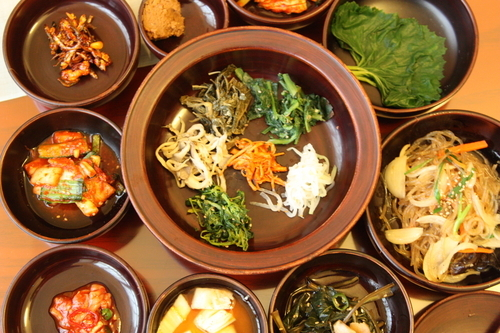
Jeolla is often regarded as the heartland of Korean cuisine. Restaurants in Gwangju are famous for serving baekban (set meals) with 10 to 20 side dishes, turning every meal into a lavish spread. Featuring various seasoned greens, fermented seafood, soups, and stews, these meals resemble a warm taste of home and are especially welcoming for foreigners new to Korean food.

Jeonju bibimbap is one of Korea’s internationally recognized traditional dishes. With a colorful mix of bean sprouts, spinach, radish, bracken, and seasoned meat topped with spicy gochujang, it’s a delicious harmony of textures and flavors. Enjoying bibimbap in Jeonju Hanok Village adds a unique atmosphere for a memorable culinary moment.


6) Gyeongsang Province: Spicy Soul Food and Sea Delights

Busan: Milmyeon and Pork Rice Soup
Busan serves not only the freshest seafood but also unique street food items. Milmyeon (wheat noodles) have a softer texture than naengmyeon and are usually topped with fresh vegetables and meats, making it a perfect summer dish. Dwaeji-gukbap (pork rice soup) is a staple soul food in Busan and Gyeongnam, featuring hearty broth and generous portions of pork—best enjoyed with spicy seasoning paste mixed in for a comforting dish.

Daegu: Ttarogukbap and Flat Dumplings
Foods representing Daegu’s regional character remain strong favorites. Ttarogukbap (rice and soup served separately) is a distinct local way to enjoy broth, letting you control how much soup you add to your rice. Daegu’s flat dumplings are thin, almost filling-less dumplings eaten with soy sauce or chili sauce—simple yet addictive.


7) Jeju Island: Nature’s Blessings on a Volcanic Island

Black Pork, Braised Cutlassfish, and Seafood Buffets
Thanks to its volcanic terrain and coastal environment, Jeju Island offers unique ingredients found nowhere else. Jeju black pork is especially famous—its texture and flavor set it apart from regular pork, offering a nutty, chewy delight with its signature aroma when grilled.

Jeju’s braised cutlassfish, grilled tilefish, and damselfish soup feature seafood freshly caught from nearby waters. Jeju cuisine often avoids heavy seasoning, focusing instead on the natural sweetness and saltiness of the ingredients. Enjoying fresh sashimi or a seafood buffet on your trip makes for a truly joyful experience for both your eyes and your taste buds.


8) Top Tips for Your Korean Food Tour: Local Picks and Smart Timing

Ask Locals and Avoid Peak Dining Hours
Popular restaurants often come with long lines, so try visiting a bit earlier or later than standard meal times. Be cautious with flashy “SNS hotspots” as they may be more hype than substance. Instead, trust local recommendations or reviews from regional forums. Sometimes, longstanding hole-in-the-wall eateries with modest facades serve up hidden culinary treasures, so stay open-minded and adventurous in your exploration.


9) Customize Your Food Tour by Personal Preference

Seafood, Spicy Food, Desserts—Theme Your Trip
If traveling across the whole country at once isn’t feasible, curate your route based on your favorite type of cuisine. For seafood lovers, a “coastal delicacy” tour covering the East Sea, South Sea, and Jeju Island could be ideal. Fans of spicy food might enjoy a trail including Daegu’s spicy galbi, Jeolla’s peppery fish stew, and the home of Cheongyang chili peppers. Dessert enthusiasts can plan bakery and cafe tours for a sweet and unique travel experience.


10) Balancing Indulgence with Health

Avoid Overeating on Food Tours
When going on a national food tour, it’s easy to overindulge with multiple meals and snacks each day, which may strain your digestion. Try not to consume too many spicy or high-calorie dishes in a row, and be sure to stay hydrated and take breaks. Light walks and digestive exercise between meals help. Consider fully enjoying just one or two quality meals per day and keeping the rest light to maintain energy and comfort.


11) Conclusion: A Cultural Journey Through Korean Cuisine

Food as a Reflection of History and People
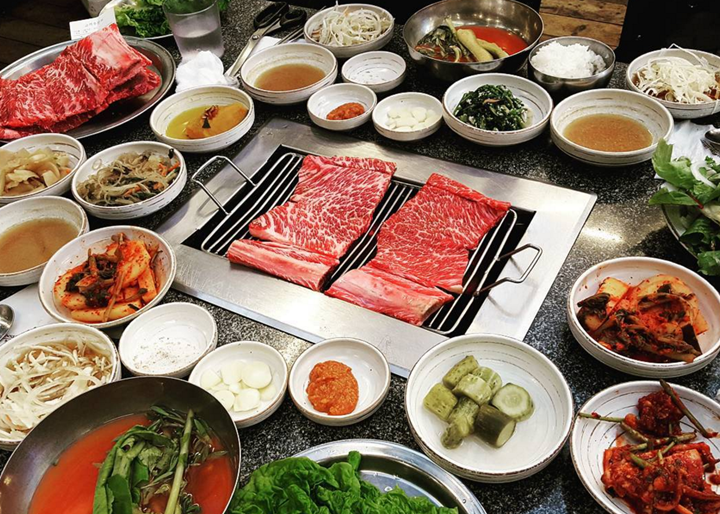
Experiencing local food in Korea goes beyond satisfying hunger—it’s about connecting with the region’s history, culture, and people. From fermented delicacies like kimchi and jeotgal to dishes featuring signature local seafood and produce, Korean cuisine continues to evolve through reinterpretation and innovation.

The dishes covered here are just the tip of the iceberg—there’s so much more to discover on-site. Each destination adds warm hospitality and unique stories, turning meals into cultural encounters. As you plan your next adventure, why not use “regional Korean dishes” as your theme and set off on a delicious and enriching journey?

Korean regional cuisine

Webring Newsletter

K-Name Studio: Create your perfect Korean name based on your personality and style.
What’s My K-Beauty Personal Color?
WeBring Service : Provides personalized services to foreigners living in Korea
Exclusive offer: Introducing foreign car rental in Korea, WeBring-SoCar
Seoul Observatory Comparison: Lotte Tower vs N Seoul Tower – Which View is Best?

Seoul is a unique city where ultra-modern skyscrapers coexist with traditional hanok houses. There are several observation decks where you can enjoy sweeping views of the city’s skyline, but two of the most iconic are Lotte World Tower (commonly known as Lotte Tower) and N Seoul Tower (also called Namsan Tower). Both are symbolic landmarks of Seoul, drawing travelers with their differing heights, locations, and overall ambiance.

In this article, we’ll compare Seoul Observatory Comparison – Lotte Tower and N Seoul Tower as observation spots, helping travelers decide, “Where should I go to view Seoul from above?” If visiting both is not possible, you’ll be guided to the more fitting choice based on your preferences and the purpose of your trip.

Lotte Tower: A Modern Face of Seoul from an Ultra-High Skyscraper

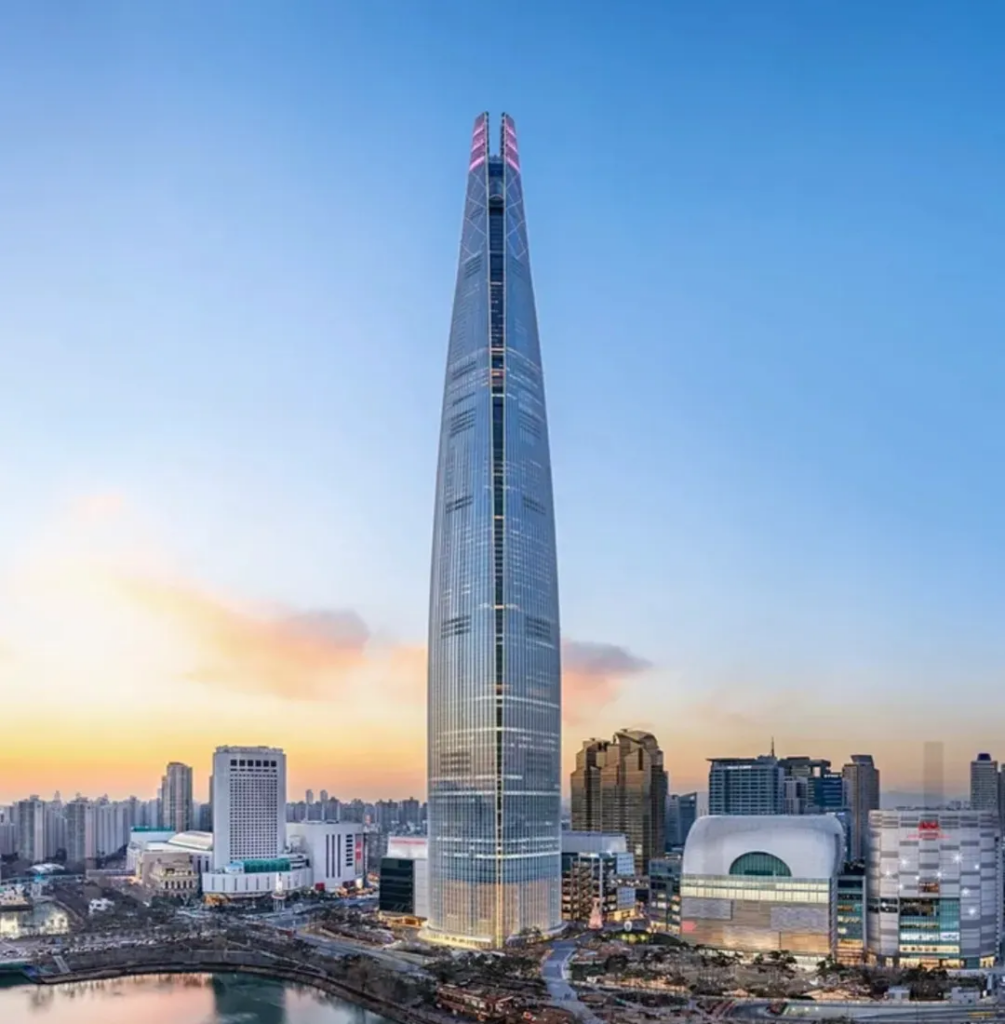
Lotte World Tower, located in Jamsil, stands 123 stories high with a soaring height of about 555 meters. It’s one of the tallest skyscrapers in the world, not just in Seoul. When viewed from the ground, the top seems to disappear into the sky, creating an awe-inspiring sense of scale as you approach.

Features of Lotte Tower’s Observatory (Seoul Sky)

Located at the top of the tower, the ‘Seoul Sky’ observatory is the highest in Korea. On clear days, it’s even said you can see as far as the Incheon coastline. Spanning multiple floors, the observatory features a glass-floored Sky Deck, cafes, and gift shops, allowing visitors to enjoy Seoul’s panoramic views in diverse ways. Even the high-speed elevator ride is immersive, with visual displays enhancing the sensation of ascending the tower.

The tower’s interior is sleek and modern, managed with top-tier cleanliness and convenience—making it a favorite among travelers who value comfort. Signage and digital displays are helpful, providing orientation and background on the cityscape, making even first-time visitors feel at ease. Go up around sunset to witness Seoul lit in golden hues as it transforms into a vibrant city of neon lights—perfect for those seeking a touch of luxury and romance.

Lotte Tower

Nearby Attractions and Facilities

As a Jamsil landmark, Lotte Tower is surrounded by attractions like Lotte World Theme Park, Lotte Department Store, and Lotte World Mall. This makes it easy to pair the observatory visit with shopping or amusement park activities. The tower is directly connected to Jamsil Station via Subway Lines 2 and 8, ensuring excellent accessibility. For travelers on tight schedules, this all-in-one zone offers entertainment, shopping, culture, and panoramic views—all within walking distance.

Visitors can also enjoy a relaxing stroll around Seokchon Lake. In spring, cherry blossoms line its banks, and in winter, seasonal lighting and festive decorations enhance the mood. A photo with Lotte Tower in the background will surely become a stylish, unforgettable shot of your trip.

N Seoul Tower: Romance in the Heart of Downtown Seoul

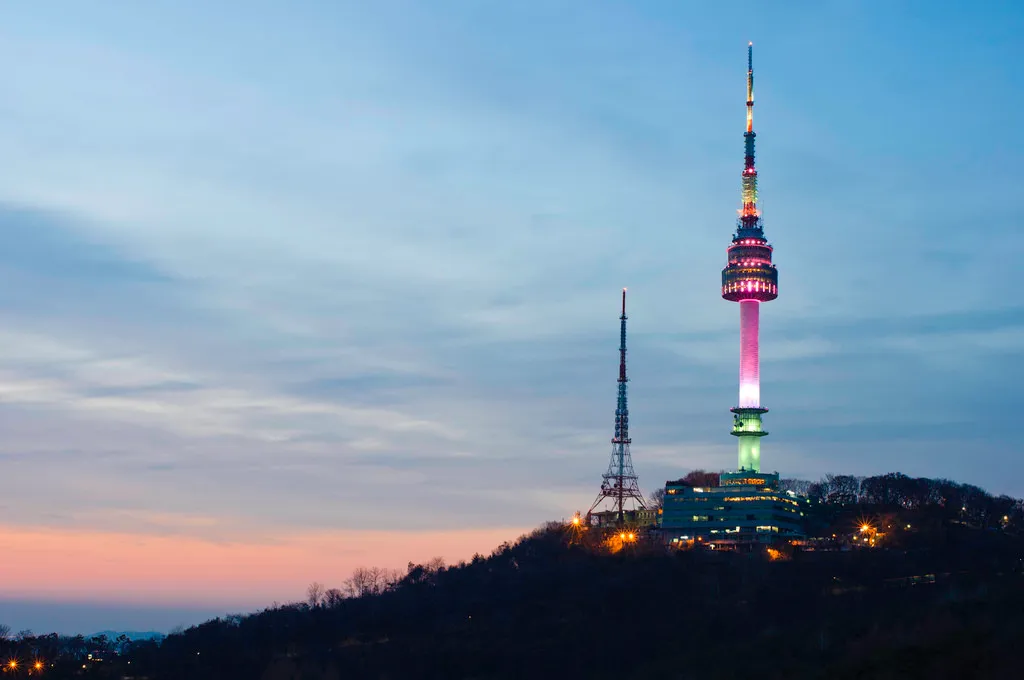
N Seoul Tower (Namsan Tower) is a 236.7-meter communications tower built atop Mt. Namsan, which itself rises 243 meters above sea level. Though shorter than Lotte Tower, its unique position in central Seoul gives it a special charm. It offers captivating 360-degree panoramic views of downtown, making it a favorite destination for couples and sightseers for generations.

Highlights of the Namsan Tower Observatory

N Seoul Tower’s observatory offers an exceptional view of Seoul’s urban core. From every angle, you’ll see a contrast of soaring buildings, charming neighborhoods, and the Han River blending seamlessly. Especially at night, the glittering city lights create a dramatically romantic atmosphere.

There are several ways to reach the observatory. The cable car provides a scenic route up the mountain, while those who enjoy walking can take the well-maintained trails through Namsan Park. Gradually ascending through nature within the city and eventually encountering a vast cityscape is an experience unique to Namsan Tower. For those preferring minimal exertion, taxis and buses provide easy access to the summit as well.

Namsan Tower

Things to Do Around Namsan Tower

Surrounding the tower is Namsan Park, which offers beautiful walking paths throughout all four seasons. In spring, cherry blossoms and forsythias burst into bloom; in fall, the park is ablaze with foliage; in winter, snow-covered pines and holiday lights create a magical scene. There’s also the famous “Locks of Love” photo spot where couples pledge their love by locking messages to fences around the tower.

Below the tower, there are gift shops, cafes, and restaurants where you can relax after enjoying the view. Dining at a restaurant overlooking the entire city makes for a memorable date or special celebration. As dusk falls, the tower’s lighting transforms it into a colorful beacon—so vivid against the dark mountain that it’s instantly recognizable even from afar: “Ah, that’s N Seoul Tower.”

Comparison: Lotte Tower vs. N Seoul Tower

Both towers function as observation points, but they differ significantly in terms of height, location, and surrounding scenery.

  1. Height and Spectacle: Lotte Tower boasts the highest man-made viewing point in Seoul, offering vast, unobstructed vistas. Sky Deck and glass-floor experiences provide a thrilling sense of height. N Seoul Tower, on the other hand, sits atop a natural hill and exudes a powerful feeling of being in “the center of Seoul.”
  2. Nearby Attractions: Lotte Tower is embedded in a district filled with malls, a theme park, and lakeside activities—perfect for an all-day Jamsil excursion. N Seoul Tower is close to Namsan Park, Myeongdong, and Itaewon, making it a convenient stop during city touring.
  3. Atmosphere and Vibe: Lotte Tower projects a slick, modern image, while N Seoul Tower is romantic and modest. Though Namsan Tower has long been a lovers’ favorite, younger generations are increasingly enjoying luxury dates at Lotte Tower.

Which Should You Choose?

  • If you want luxury and a sleek, metropolitan vibe: Choose Lotte Tower. Viewing Seoul from a world-class skyscraper is an unforgettable experience, and first-rate facilities ensure maximum comfort.
  • If you prefer romance and cultural charm in central Seoul: N Seoul Tower is ideal. Walking through Namsan trails and seeing the city lights from the observatory encapsulates the soul of Seoul’s urban charm.

If time permits, visiting both is a great idea. Try seeing Lotte Tower by day, then heading to N Seoul Tower for its night view—you’ll capture both faces of Seoul’s skyline in one trip.

Tips: Best Times to Visit and Ticketing Info

  • Lotte Tower (Seoul Sky): Visit in the late afternoon to catch both daytime views and sunset-to-night transitions. Weekends can get crowded, so pre-booking or visiting on a weekday afternoon is recommended.
  • N Seoul Tower: While daytime is nice, nighttime views are the main attraction. Arrive before sunset, stroll the trails, then use the cable car or bus to catch the city lighting up at twilight from the top.

Tickets for both observatories are available via their official websites or trusted travel platforms. Look out for coupons or package deals to save money, and be sure to compare prices ahead of your visit.

Conclusion: See Seoul from Multiple Perspectives

Though Seoul is one city, how you view it can completely change your impression. From Lotte Tower, you get a glimpse of a global metropolis. From N Seoul Tower, you’re immersed in the romantic, glimmering heartbeat of downtown Seoul. No matter which observatory you choose, you’ll leave with a sense of Seoul’s unique beauty and energy—etched into your memory.

If you’re short on time, focus on one tower. But if your schedule allows, try both. Choose N Seoul Tower for a breathtaking nightscape; opt for Lotte Tower to soak in magnificent height and modern elegance. Ultimately, it depends on what kind of journey you want. Is your Seoul experience modern, romantic, or everything in between? Whatever you choose, you’ll find your own best way to “meet Seoul beautifully.”

Seoul Observatory Comparison

Webring Newsletter

K-Name Studio: Create your perfect Korean name based on your personality and style.
What’s My K-Beauty Personal Color?
WeBring Service : Provides personalized services to foreigners living in Korea
Exclusive offer: Introducing foreign car rental in Korea, WeBring-SoCar