Weekend Short-Term Car Rental in Korea: Guide for Foreign Travelers

As a foreigner living in Korea, you may often feel the urge to escape for a quick getaway over the weekend. Instead of spending your weekends solely within Seoul, why not take a short trip outside the city for 1–3 days? In such cases, using a weekend short-term car rental can make it much easier and more comfortable to access attractions that are difficult to reach by public transportation. In this post, I’ll share a real-life experience of renting a car for a 1–3-day weekend trip, along with some helpful tips for those considering car rental while traveling in Jeju Island.

Real Experience: 2 Nights and 3 Days Trip to Gangwon-do

Recently, a friend of mine, who is here as an exchange student, planned a weekend trip to Gangwon-do. Departing from Seoul, they wanted to explore the Gangneung and Sokcho areas, hoping to enjoy both the sea and the mountains. Although they initially considered using KTX trains and buses, traveling with more than three people, carrying luggage, and wanting flexible scheduling led them to opt for a short-term car rental.

Reservation Process and Cost

My friend booked the car easily through a rental car app that offered English-language services. They chose a pickup location near Seoul Station and scheduled the rental from Friday evening to Monday morning for a 2-night, 3-day itinerary. The car was a mid-size model (Hyundai Avante), and the total cost, including insurance, was around 180,000 KRW for the three days. They appreciated that collision damage waiver (CDW) insurance was included, providing peace of mind in case of accidents. Fuel costs were separate. Although weekend and holiday rates were slightly higher than weekday rates, when split among the group, the cost was comparable—or even cheaper—than buying separate KTX and bus tickets.

Actual Driving Review

When picking up the car around 7 PM on Friday, the city traffic was a bit congested, but using GPS navigation, they smoothly entered the highway. Thanks to the onboard Hi-Pass device, toll booth crossings were convenient, and even arriving late at night near Gangneung, they could drive directly to their accommodation without any hassle. The next day, they visited popular spots like Gyeongpo Beach, Jumunjin Market, and Sokcho Central Market, enjoying local food and moving freely without the need to plan around bus schedules, resulting in high satisfaction with the trip.

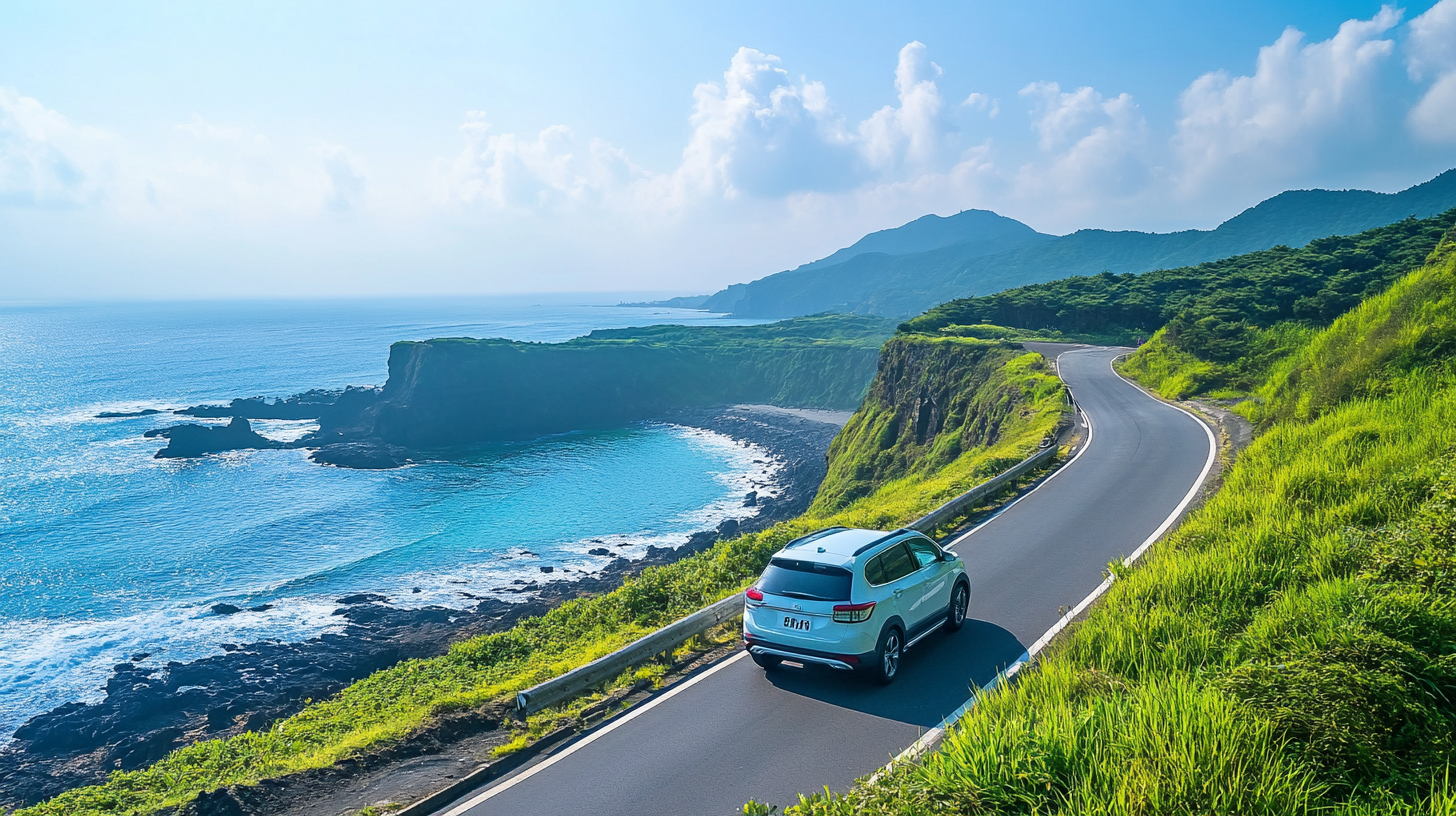
Although steep roads and mountain driving initially made them a bit nervous, Korea’s well-maintained roads helped avoid any problems. Due to heavy weekend traffic, real-time traffic updates from Naver Map or KakaoMap were crucial for finding alternative routes. Driving along Gangwon-do’s coastal highways turned out to be one of the most unforgettable experiences of their journey in Korea, showcasing the true appeal of the freedom that short-term rentals offer.

Weekend Traffic and Peak Time Warnings

One of the major discomforts often mentioned during weekend trips is heavy traffic during return trips to and from Seoul. From Friday evening to Saturday morning, many cars leave Seoul, and from Sunday afternoon to early Monday morning, inbound traffic into Seoul increases. Since foreigners may not be familiar with this pattern, adjusting departure and return times to avoid peak hours is wise. For instance, departing immediately after work on Friday might lead to long traffic jams; instead, it’s better to leave late at night or very early on Saturday morning.

Also, highway rest areas can become extremely crowded over the weekend. Long restroom lines and wait times for meals are common. While Korea’s unique rest area culture can be fun to experience, it’s a good idea to minimize stops or prepare light snacks in advance to save time.

Short-Term Rental

Jeju Island Car Rental: Ideal for 1–3 Day Trips

Jeju Island, one of the most popular tourist destinations in Korea, can be challenging to explore fully using only public transportation. Although the bus system is decent, having a car allows for a much more efficient and comfortable trip. Therefore, many foreigners traveling to Jeju opt for 1–3 day short-term car rentals.

Tips for Booking a Rental Car in Jeju

Jeju Island’s rental car market is highly competitive, with many companies vying for customers through pricing and service deals. It’s beneficial to use comparison sites or travel platforms to review multiple offers at once. Typically, pickup locations are clustered around the airport, and after your flight arrival, you can take a shuttle bus to the rental car pickup point.

During weekends or peak seasons (summer holidays, year-end, New Year holidays), vehicles can quickly become fully booked. Making a reservation at least 2 weeks to 1 month in advance is highly recommended. Insurance coverage should include at least collision damage waiver (CDW) for better protection. Since Jeju’s roads often involve coastal drives and hills, driving can be slightly tricky for beginners, so having insurance helps for more relaxed travel.

Personal Experience Driving Around Jeju

A recent foreign visitor rented a car for 2 nights and 3 days, circling the entire island. Starting from the airport, they traveled westward (Aewol, Hyeopjae), down south (Jungmun), and eastward (Seongsan, Udo Island), fully appreciating Jeju’s breathtaking natural beauty. The drive around Hallasan Mountain and along the coastal highway was particularly impressive. While you can take your car onto the ferry to Udo Island, parking spaces are very limited, so many travelers choose to visit Udo without a car, utilizing the ferry or adjusting their schedule accordingly.

Cost vs. Efficiency: Public Transportation vs. Short-Term Car Rental

Some people might worry that renting a car for a weekend trip will be more expensive than using public transportation. Indeed, if traveling with only one companion, using buses or trains might be cheaper. However, for groups of three or more, public transport costs multiply, while rental costs can be shared. Factoring in fuel, toll fees, and rental charges, a car rental could turn out to be more economical.

Furthermore, when your travel route is complicated or your accommodation is located far from public transport, the “freedom of mobility” a car provides is priceless. Being able to stop anywhere, travel at your own pace, and return late at night without worries can greatly enhance your overall satisfaction with the trip.

Important Notes When Renting a Car for a Weekend Trip

Even if renting a car for just 1–3 days, you should never neglect essentials like car insurance, international driver’s license requirements, and vehicle inspections. Check the car’s exterior thoroughly when picking it up and confirm tire conditions and fuel levels. Some rental companies require cars to be returned with a full tank, while others charge only for the used amount—so ensure you know the specific conditions to avoid unexpected extra charges.

If you plan to leave your car parked outdoors for extended periods, consider basic security measures against theft or damage. Korea is generally very safe, but it’s good practice to lock your vehicle properly and never leave valuables inside.

Conclusion: Short-Term Car Rentals Can Enrich Your Weekend Trips

Even short weekend trips can be made much richer and more exciting with the independence that short-term car rentals provide. Whether you’re planning a trip to Gangwon-do, Jeju Island, or nearby areas around Seoul, there are countless amazing places reachable only by car. The freedom and enjoyment you experience while driving will offer a completely different travel experience compared to relying solely on public transportation.

Although driving in a foreign country might initially feel intimidating, with the right insurance and good driving habits, you can fully enjoy your Korean weekend road trips without worries. Since short-term rentals for 1–3 days are quite affordable, I highly recommend them to foreign visitors hoping to make the most out of their weekends. Don’t miss out on discovering Korea’s hidden scenic spots, local delicious food, and the unparalleled joy of free driving.

Weekend Short-Term Car Rental

Webring Newsletter

K-Name Studio: Create your perfect Korean name based on your personality and style.
What’s My K-Beauty Personal Color?
WeBring Service : Provides personalized services to foreigners living in Korea
Exclusive offer: Introducing foreign car rental in Korea, WeBring-SoCar
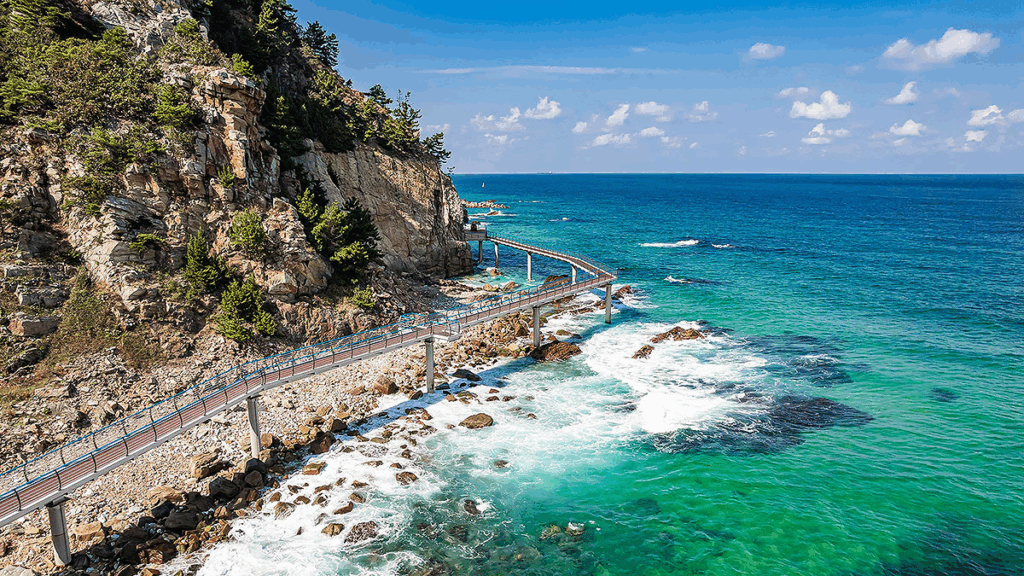
Gangneung Sokcho Road Trip: Exploring Korea’s East Coast

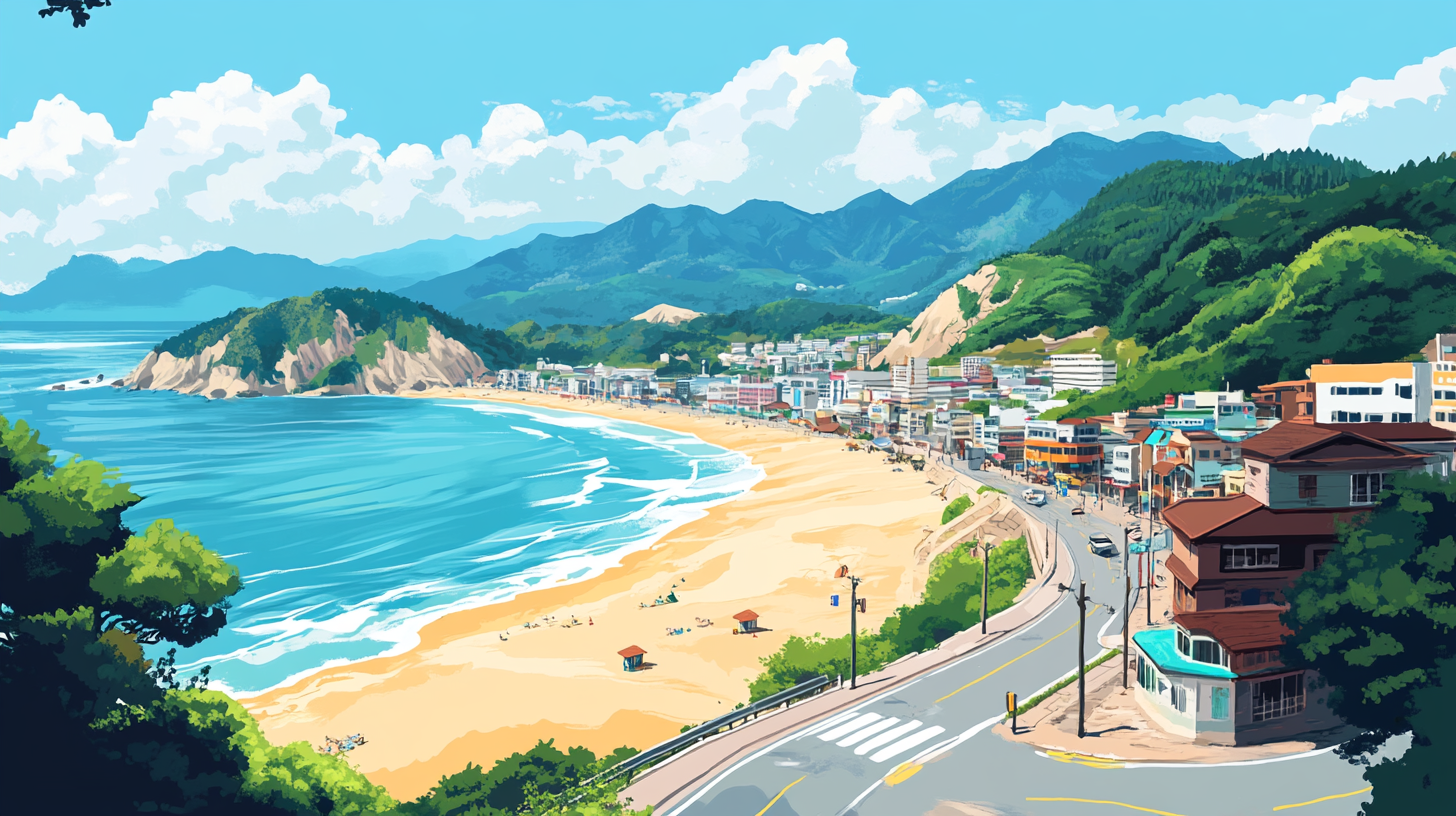
The East Coast of Korea has long been loved for its clean, clear waters and beautiful coastal roads. Among the many destinations, Gangneung and Sokcho stand out as top cities frequently visited by both local and international travelers. They are especially known for surfing, swimming, fresh seafood, and wide, refreshing beaches. Thanks to improved transportation, a light Gangneung Sokcho Road Trip from Seoul or the metropolitan area can easily be done as a day trip or a one-night, two-day excursion.

In this post, we’ll introduce how to explore Korea’s East Coast, focusing on Gangneung and Sokcho. We’ll look at scenic drives along the blue coastline, unique local cultures, and the best seafood experiences you shouldn’t miss.

Gangneung’s Charm: Coffee Aroma and the Sea

When people think of Gangneung, coffee culture immediately comes to mind. As Korea’s most famous “City of Coffee,” Gangneung boasts the Anmok Beach area, where coffee factories and roasteries are clustered. Along the café-lined street at Anmok Beach, visitors can enjoy a cup of aromatic coffee while gazing out over the sea. It’s also known for its stunning sunrises, making it popular among early-morning visitors who savor their hot coffee while watching the sun emerge over the horizon.

Gangneung Central Market is another must-visit spot. Wander through alleys filled with stalls selling fresh squid, spicy raw fish (mulhoe), and a variety of local specialties at affordable prices. From delicious fried chicken (dakgangjeong) to all sorts of snacks, exploring the market is a foodie’s delight. You’ll also find postcards and souvenirs featuring local Gangneung dialects, offering a charming glimpse into the city’s personality.

If you’re interested in historical culture, be sure to visit Seongyojang and Ojukheon, two traditional Korean houses. Ojukheon famously honors the great scholar Yulgok Yi I and his mother, Shin Saimdang. The serene hanok gardens and pine forests make it an ideal location for a peaceful stroll. Taking photos with the traditional architecture in the backdrop adds a different flavor compared to the modern coastal scenery.

Gangneung Sea

Joys of the Sea: From Surfing to Beach Fun

Gangneung has recently risen as a top surfing destination. Beaches like Jumunjin, Sacheon, and Yeongok offer gentle, rhythmic waves ideal for both beginners and experienced surfers. Numerous surf shops provide beginner lessons and easy gear rentals, making it the perfect place to try surfing for the first time. After riding the waves, unwind by strolling along the beach or savoring fresh seafood dishes at a nearby restaurant.

Swimming is another major attraction. Gyeongpo Beach, famous as a summer getaway, features well-equipped facilities and accommodations, providing a vibrant vacation atmosphere. However, because it’s a popular spot, it can get crowded during peak season. For more peaceful beaches, consider heading south of Gangneung or towards Yangyang.

Toward Sokcho: Coastal Drive and Seaside Views

The coastal drive from Gangneung to Sokcho offers mesmerizing views of the East Sea—perfect for a road trip. The route takes about an hour to an hour and a half, with numerous rest areas and lookouts where you can stop for photos and fresh ocean air. Taking a brief detour toward Yangyang or Goseong can lead to quaint beach villages, hidden cafes, and small fishing ports.

If you get hungry along the way, stop by a local restaurant serving specialties like mussel rice, scallops, and cold raw fish soup (mulhoe). Dishes using Chodang tofu or traditional potato rice cakes (gamja tteok) are also regional favorites. Freshly grilled octopus, squid, and shrimp caught straight from the sea are a must-try—be sure to check out a well-known local seafood spot!

Sokcho

A Day in Sokcho: Seoraksan and Daepo Port

Upon arriving in Sokcho, you’ll find yourself close to Seoraksan National Park, offering the rare pleasure of enjoying both mountains and the sea. For light hiking enthusiasts, attractions like Seorak Small Park and the Gwongeumseong Fortress cable car offer stunning panoramic views. Visit during autumn and you’ll witness spectacular fall foliage among craggy cliffs; in winter, snow-covered trails create a breathtaking landscape.

To deepen your seafood experience, visit Daepo Port or Sokcho Central Market. Daepo Port is filled with seafood restaurants and vibrant markets where you can feast on fresh sashimi, grilled clams, and fish dishes until late at night. Sokcho’s Central Market is particularly famous for its dakgangjeong alley, where crispy fried chicken coated in sweet and spicy sauce leaves a lasting impression after just one bite.

In Sokcho city, there’s also the Abai Village, formed by North Korean refugees from Hamgyeong Province. Abai sundae and squid sundae are must-try specialties here, and the village’s fame grew after being featured in popular Korean dramas. You can even experience a traditional gaetbae (hand-pulled raft) ride across the canal—perfect for soaking in the area’s nostalgic atmosphere.

To cover both Gangneung and Sokcho within a day or two, using a personal car or renting one is the most convenient option. While public transportation is available, downtown traffic can be trickier than expected, and buses along the coastal road run less frequently, potentially causing delays. During holidays, parking spaces can be limited, so start early, and if possible, consider traveling on weekdays to better enjoy the tranquil seaside views.

Plan your trip to either spend the first day in Gangneung and head to Sokcho the next day, or vice versa. This way, you’ll efficiently explore diverse cafes, beaches, and ports, fully immersing yourself in the blue waters, fresh seafood, and the striking combination of mountains and sea unique to the East Coast.

Seasonal Landscapes and Experiences

The scenery in Gangneung and Sokcho changes dramatically with each season. In spring, the coastal areas are beautifully adorned with cherry blossoms and azaleas. Summer offers swimming, surfing, and various ocean activities. Autumn is renowned for Seoraksan’s stunning fall foliage, regarded as one of Korea’s most beautiful sights. In winter, snow-covered coastal roads paired with seasonal seafoods like hwanggeo (herring) and dorumeok (sailfin sandfish) attract food lovers. Different themes of nature, cuisine, and outdoor activities create distinct memories all year round.

Final Thoughts: Finding Serenity in the Sound of Waves

A road trip along Gangneung and Sokcho’s East Coast offers the simple joy of driving alongside the deep, blue sea. Relax with a cup of coffee by the ocean, savor fresh seafood in a coastal village, and breathe in the crisp air between mountains and beaches—these precious moments help you forget the stresses of daily life. Thanks to well-developed transportation, even a short getaway is quite manageable.

If you’re planning a brief trip to Korea’s East Coast, base your journey around Gangneung and Sokcho. Every sight, every flavor you encounter will leave you wishing for a longer stay and inspire future visits. Listening to the waves and the cries of seagulls as you walk barefoot along the soft sands captures the true spirit of tranquility that Korea’s East Coast offers.

Gangneung Sokcho Road Trip

Webring Newsletter

K-Name Studio: Create your perfect Korean name based on your personality and style.
What’s My K-Beauty Personal Color?
WeBring Service : Provides personalized services to foreigners living in Korea
Exclusive offer: Introducing foreign car rental in Korea, WeBring-SoCar

Credit Card for Foreigners – Complete Guide

Korea is known for its highly developed card payment infrastructure, allowing people to pay in almost any setting—from restaurants and supermarkets to online shops—without cash. Credit cards are widely used thanks to their perks like discounts and reward points. However, foreigners often worry that getting a credit card in Korea might not be easy. In reality, even long-term residents may be declined due to visa status or lack of credit history.

So what are the requirements and steps to get a credit card for foreigners in Korea? Which card issuer or product should one choose? This article provides a complete guide for foreigners seeking to get a credit card in Korea, along with tips to increase your chances of approval and important things to keep in mind.

Check Your Visa Status & Creditworthiness: The Basic Requirements

Most Korean credit card companies require two basic conditions: possession of a valid Alien Registration Card and proof of stable income. Foreigners staying on short-term tourist visas are generally ineligible. To qualify, applicants typically need to hold a long-term visa such as F-2, F-4, F-5, F-6, or a work visa like E-7, along with verifiable income. It’s also important to have sufficient time remaining before the visa expires, as a short duration left could result in denial.

Your creditworthiness matters just as much. Maintaining a Korean bank account over time, consistent salary deposits, and a clean record with no payment defaults are key to eligibility. Since many foreign applicants lack a local credit history, card issuers may view them as high-risk customers. To offset this, it’s advisable to submit additional documentation such as employment certificates, payslips, and job contracts to demonstrate your ability to repay.

Secured Credit Cards: A Stable Alternative for Newcomers

Some Korean card issuers offer “secured credit cards” for foreigners. This type of card requires you to deposit a certain amount as collateral, which then serves as your credit limit. For instance, depositing KRW 2 million could give you a credit line of KRW 2 million. As long as you make timely payments, your deposit is refundable after a set period.

The main advantage is that foreigners without a local credit history can more easily obtain a secured card. Moreover, building usage history could eventually help you qualify for a standard credit card. The downside is, of course, that your deposit is tied up. Still, for those not yet established in Korea’s credit system, a secured card can be a practical stepping stone into financial credibility.

Credit Card for Foreigners

Corporate or University Affiliated Cards & VIP Banking Privileges

Foreigners affiliated with major corporations or prominent universities in Korea often receive more favorable consideration from banks. For example, university faculty members may be eligible for staff-exclusive credit cards. Employees of large companies may also benefit from corporate agreements with partnering banks that allow easier application processes.

If you’re a VIP customer at a bank, you could have an even smoother route to credit card approval. Achieving VIP status usually requires a certain amount of savings or regular financial transactions. Even as a foreigner, if you deposit a substantial amount, many banks will classify you as a high-priority customer, which can result in easier approval and higher credit limits.

Choosing the Right Card: Compare Perks and Annual Fees

Getting approved is just the beginning. Selecting a card that suits your lifestyle and offers meaningful rewards is just as important. Korean credit cards come with a wide range of perks like transit discounts, movie ticket savings, gas discounts, supermarket cashback, airline mileage, and more. Choosing a card aligned with your typical spending areas—like public transport, airlines, or online shopping—helps you maximize these benefits.

Don’t overlook the annual fee. This can vary depending on whether the card supports international payments with providers like Visa, MasterCard, or JCB. Mileage cards generally have higher annual fees, and premium cards that come with airport lounge or airport pickup services can charge over KRW 100,000 annually. Always consider your spending patterns and budget to avoid paying for features you won’t use.

Automatic Payments & Avoiding Late Fees

A credit card is essentially a loan based on your creditworthiness, and the key is timely repayment. Most Koreans set up automatic bank transfers from their salary accounts to cover their monthly bills. Foreigners should do the same; automatic withdrawals ensure your payments are made on time. Opting for manual payments significantly increases your risk of missing a due date.

Late payments can negatively impact your credit score, reduce your credit limit, or even lead to account suspension. If you’re abroad when your Korean account lacks sufficient funds, you’d be in a difficult situation. That’s why it’s crucial to maintain adequate balance before the due date or use your mobile banking app to make manual payments from overseas when necessary.

International Use and Foreign Transaction Fees

Credit cards that carry international logos like Visa, MasterCard, JCB, or AmEx can be used overseas. They’re convenient for travel or international online purchases, but be aware that foreign transaction fees apply. Typically, a 1% brand fee plus a 0.18–0.35% card issuer fee totals around 1.3–1.5% of your purchase amount. Currency exchange is also calculated based on the card issuer’s posted rates.

If you frequently spend overseas, consider getting a card with reduced foreign transaction fees. Some cards offer special travel-related perks such as insurance or access to international airport lounges. When paying in a foreign currency like USD or EUR, always opt to pay in local currency to avoid unnecessary currency conversion charges or double billed amounts.

Case Study: How a German Professor Successfully Got a Korean Credit Card

Mr. G, a German professor working at a Korean university, initially used only a debit card. However, he wanted to benefit from online shopping discounts and reward points, so he looked into getting a credit card. After facing rejections from various banks due to lack of credit history, he finally consulted with a VIP banker at his salary-deposit bank.

He submitted his payslip, employment contract, passport, and Alien Registration Card. The bank saw his income stability and employment status as favorable and issued him a credit card with a KRW 3 million limit. Mr. G set up automatic payments and used the card responsibly. After six months, his credit score improved, and the limit was raised to KRW 5 million. He even earned air mileage that contributed to his flight tickets for academic conferences. Mr. G shared, “Though gathering the documents was tedious, I learned that with systematic preparation, foreigners can successfully get credit cards in Korea.”

Conclusion: Credit Cards Offer Convenience, But Come With Responsibilities

Using a credit card in Korea adds significant convenience, both for daily living and international travel. However, as a foreigner, you must meet visa and income requirements. Applications may be denied if your stay is short or your income is unstable. Ideally, apply after securing stable employment and a history of continuous salary deposits or building trust through large deposits with the bank.

Upon successful approval, managing your spending and avoiding missed payments becomes your responsibility. Understand your card’s fee structure and rewards to avoid overconsumption. For international usage, review fees and exchange rates to minimize unnecessary expenses.

Ultimately, a credit card isn’t just a payment tool; it’s a key component of your financial credibility. For long-term residents in Korea, building a positive credit history through responsible card use can help with future loans or other financial products. Though the process may seem daunting at first, steady preparation and smart usage can open the door to the many advantages that come with having a credit card in Korea.

Webring Newsletter

K-Name Studio: Create your perfect Korean name based on your personality and style.
What’s My K-Beauty Personal Color?
WeBring Service : Provides personalized services to foreigners living in Korea
Exclusive offer: Introducing foreign car rental in Korea, WeBring-SoCar

Long-term Airbnb stays for foreigners in South Korea: tips for discounts and how to stay conflict-free

While Airbnb is often associated with short-term stays for tourists, it also offers long-term stay options—allowing guests to stay for a week to several months at a time. For foreigners looking to reside in Korea temporarily or for a medium-term period, Airbnb can be a preferred alternative to hotels or studio apartments. The reasons are clear: it comes fully furnished with appliances, allows for easier communication with hosts compared to traditional landlords, and offers a wider range of locations.

In this article, we’ve compiled essential tips to help you save money and avoid conflicts during your long-term Airbnb stay.

Discounts on Long-Term Stays

Weekly and Monthly Discounts

Airbnb allows hosts to set discounts for weekly or monthly bookings. For example, even if the daily rate is 50,000 KRW, you may receive up to a 30% discount for a monthly stay. You can find these offers under the “Long-term stay” filter or by selecting the “Monthly Stay” option on a listing’s detail page.

In many cases, a full-month booking can be cheaper than reserving multiple short stays. From a host’s perspective, securing a longer-term guest provides more stable income, so it’s not uncommon for them to offer deeper discounts.

Negotiations Possible?

Beyond the discounts listed on the platform, long-term guests can reach out to hosts via message to ask, “I’m planning to stay for over two months—would you be open to offering a further discount?” If it’s the off-season and the property is available, some hosts might accept. However, for your safety, all payments must be made through Airbnb. Direct bank transfers are prohibited and considered a violation of Airbnb’s terms.

Long-term Airbnb

Communication with Hosts: The Key to Problem-Solving

Clarify Details Before Move-In

Unlike short-term travelers, long-term guests cannot simply endure a few inconveniences. Since this is about your living space, be sure to clarify the following details with the host before moving in:

  • Are electricity, gas, and water bills included? Some hosts may prefer to charge separately for long-term stays.
  • Cleaning schedule: Will weekly cleaning be provided, or is it your responsibility?
  • Appliance condition: Request photos or videos to check that the washing machine, refrigerator, air conditioner, and heating are working properly.
  • Pets and smoking: If you’re a smoker or have a pet, it’s crucial to confirm if these are allowed.

What to Do If Problems Arise

During long stays, issues like malfunctioning appliances, water leaks, or gas problems can occur. Contact your host immediately to request repairs, and always communicate using Airbnb’s in-app messaging to keep a documented record.

If the host delays or avoids responsibility, you can reach out to Airbnb’s customer support to mediate. Message records play a critical role in resolving disputes, so keep all important communications within the app.

Electricity and Gas Bill Management

How Energy Costs Are Handled in Long-Term Stays

Typically, short-term Airbnb rentals include all utilities in the price. However, long-term stays can result in higher energy consumption, prompting some hosts to charge separately for electricity and gas.

For example, during a monthly stay, the host may monitor actual usage and request additional payment or impose surcharges beyond a specified usage limit.

Practice Energy-Saving Habits

Leaving the air conditioner or heater running all day can result in hefty utility bills. If no prior arrangement was made with the host, disputes may arise with comments like, “The electricity bill far exceeded expectations.”

To avoid such situations, develop cost-saving habits like turning off appliances when leaving. Discuss and confirm with the host how bills will be calculated and settled.

Pros and Cons of Long-Term Airbnb Stays

Pros

  • Fully Furnished: No need to lug furniture—just pack your clothes and personal items.
  • Flexible Contracts: Unlike one-year lease contracts typical of traditional rentals, Airbnb allows you to book for just a month or two with less risk. Refund policies vary by host, but they’re generally more lenient than standard rental agreements.
  • Platform Protection: Airbnb’s review and dispute resolution system helps prevent unfair behavior by either party. Hosts are incentivized to maintain good reputations.

Cons

  • May Be Pricier than Traditional Rentals: Even with generous discounts, staying in an Airbnb can cost more than renting a studio, especially in high-demand areas like Seoul.
  • Address Registration Issues: Foreign residents often need an official address for registration, and not all Airbnb hosts are willing to provide one. While perfect for temporary stays, Airbnb may cause issues for those needing documentation for things like opening a bank account.
  • Limited Legal Protection: Unlike lease agreements under Korean rental laws, Airbnb stays don’t fall under tenant protection laws, which could leave you vulnerable in legal disputes.

Real-Life Success Stories

Case Study: S, a Business Traveler

S was dispatched from a UK-based company to its Seoul office for three months. Hotel costs were too high, and most one-room leases required a one-year commitment.

By booking a long-term Airbnb stay near Hongdae at a 30% discount, S spent about KRW 3.5 million over three months—less than half the cost of comparable hotels. The apartment had a kitchen, helping save on meals, and utilities were billed monthly in a transparent and predictable way.

S shared that “it felt just like home, even while on a business trip,” expressing high satisfaction.

Case Study: J, an Exchange Student

J planned to stay for one semester (around 4 months) as an exchange student but found the university dorms fully booked. One-room apartment contracts required at least six months, and brokerage fees were an added burden.

J booked an Airbnb stay for four months. Because of the duration, the host gave a generous discount and provided all essential items—bedding, kitchenware, etc.—making it a comfortable experience. However, the inability to register an official address led to some inconvenience when setting up a bank account.

Conclusion: A Smart Option If It Matches Your Purpose and Duration

A long-term Airbnb stay can serve as the perfect middle ground between a hotel and a traditional lease. With fully furnished amenities and helpful hosts offering local tips, it’s especially convenient for foreigners. Take full advantage of weekly or monthly discounts, and rely on Airbnb’s secure payment and mediation systems for peace of mind.

However, carefully consider utility costs and legal address requirements. For foreigners needing official documentation for stays longer than six months, traditional lease options may provide more stability. But for anyone looking for flexible, short-to-mid-term housing without frequent commuting, Airbnb is a hassle-free option.

In the end, each option comes with its own pros and cons. If you choose wisely, maintain good host communication, and manage energy costs effectively, you can avoid unnecessary problems. With the tips shared in this article, you’ll be able to enjoy your stay in Korea while feeling completely at home—even if it’s just temporary.

Webring Newsletter

K-Name Studio: Create your perfect Korean name based on your personality and style.
What’s My K-Beauty Personal Color?
WeBring Service : Provides personalized services to foreigners living in Korea
Exclusive offer: Introducing foreign car rental in Korea, WeBring-SoCar
Language Exchange Programs: Enrich Your University Experience

College years are the perfect time for personal growth through expanding social networks and experiencing diverse cultures. Whether you’re an international student studying abroad, a transfer student enrolled in a Korean university, or here temporarily as an exchange student, stepping beyond your campus to engage in student communities and language exchange programs can lead to unexpected opportunities. The flexibility of student life and a more relaxed schedule make this the ideal period to participate in such activities. In this post, we’ll explore why student communities and language exchange programs are valuable and offer practical tips on how you can get involved.

What Are University Student Communities?

When we hear the term “student community,” we often think of official university clubs or study groups. While on-campus clubs are a significant part of the student community, there’s a wide variety of networks outside campus as well, run by and for college students and young adults. These can range from social discussion groups about politics and societal issues on social media platforms to job preparation study groups, local volunteer teams, and startup clubs. Many of these communities are planned and operated off-campus, based on the shared identity of being university students.

These communities offer more than just intellectual growth. By connecting with others who share similar interests, students often collaborate on projects or even discuss startup ideas for the future. Even if you’re from different majors or universities, you can build valuable connections through shared passion. Over time, these connections become assets for job hunting, research collaboration, or even personal hobbies.

The Appeal of Language Exchange Programs

A language exchange program refers to a gathering where individuals meet to learn each other’s native languages. For example, an international student in Korea may teach their native language (like English, Spanish, or Chinese) while learning Korean in return. Since students generally have more flexible schedules and higher language sensitivity, the learning outcomes can be significant.

One big advantage of participating in language exchanges is the ability to learn local phrases and slang that aren’t typically found in textbooks. You’ll pick up new vocabulary, trendy expressions among youth, and gain a natural sense of formal vs. casual language. In return, teaching your own language allows you to explain cultural nuances and enhance deeper communication. This type of relationship is different from classroom friendships—often resulting in lasting and meaningful connections.

How to Participate – Option 1: University Exchange Programs

Many universities operate “language partner matching programs” through their international exchange offices or language centers. These pair a local student with an international student to spend a set amount of time together weekly. Usually, each person spends 30 minutes speaking their native language. These sessions are typically held in on-campus cafés or study rooms, making the setting safe and comfortable.

To join, simply check your university’s website or international office announcements at the start of each semester. Fill out a form indicating the languages you speak, the ones you’d like to learn, and your interests. The office then matches you with a suitable partner, and from there, you decide on a weekly meeting schedule. In some universities, participation can even count toward academic credit or volunteer hours.

How to Participate – Option 2: Off-Campus Communities or SNS Groups

Outside campus, you’ll find numerous language exchange communities in various regions. Areas with high foot traffic such as Hongdae or Gangnam in Seoul and Haeundae in Busan often host regular exchange gatherings. Some are held in local cafés with a table talk format, while others take place in pubs with beer and games to make sessions more dynamic.

You can search phrases like “Language Exchange in Korea” on platforms like KakaoTalk Open Chatting or Facebook Groups to find active meetups by region. One thing to bear in mind: some groups focus more on casual interaction with foreigners rather than serious language learning. It’s crucial to clarify your goal—language development, cultural exchange, or socializing—and review the group’s tone and format in advance.

How to Participate – Option 3: Using Online Platforms

Since COVID-19 made offline meetings difficult, online platforms with video chat features have become increasingly popular for language exchange. If your schedule doesn’t allow face-to-face meetings, you can still conduct small group or one-on-one study sessions through Zoom or Google Meet.

Popular language exchange apps like HelloTalk and Tandem allow you to list your language level and interests and connect with partners for voice calls, text chats, or voice message exchanges. They’re accessible anytime and anywhere, making it easy to log in during dorm breaks or between classes. However, online platforms may slow the development of close relationships, and it can be harder to grasp non-verbal cues like pronunciation and facial expressions.

Which Community Is Right for You?

The most important question is: what is your goal for joining a community or program? For example, if you’re preparing for the TOPIK (Test of Proficiency in Korean) in three months, it’s best to find a study-intensive group or partner. If you just want to make friends and experience Korean culture, look for casual social meetups. If your interest lies in a specific area—such as culture, religion, or hobbies—consider joining a themed club or specialized community.

It’s also helpful to check if the community is geared toward beginners, intermediates, or advanced learners, or if it focuses on a specific language (English, Spanish, Chinese, etc.). That way, you’ll get matched with people whose language skills align with yours, maximizing your learning potential.

Maximizing the Benefits of Communities and Language Exchanges

Simply dipping your toes into a language exchange group or student community might not yield the improvement or connections you expect. It’s important to be proactive—ask questions, share what you know, and actively participate. Watching a drama and discussing unfamiliar expressions or doing homework together and giving feedback are powerful ways to boost your growth.

If there’s a program leader or organizer, don’t hesitate to suggest new ideas—like adding cultural outings (to museums or traditional markets) or incorporating presentations and debates into the sessions. College students are naturally curious and passionate, so collaborating minds can create rich and fulfilling experiences.

Real Success Stories and Expanding Connections

Some students develop close relationships with their language exchange partners, continuing to keep in touch after graduation. They might travel together or even become startup partners. Others go on journeys with friends they met through international exchange programs. Some Korean friends even visit their exchange partners’ home countries and serve as personal hosts. These networks grow beyond language learning into lifelong friendships that enrich your future.

In today’s global age, the more friends you can converse with, the more opportunities you’ll have. Some brief exchanges end up leading to business collaborations—or helpful contacts while living abroad. Starting these activities during your college years can open many future doors.

Conclusion: A Choice That Makes College Life Richer

In the end, student communities and language exchange programs not only improve your English, Korean, or Chinese skills, but also build human connections and deepen cultural understanding. Beyond academic studies, you’ll gain hands-on skills, collaborative abilities with people from different backgrounds, and a broader worldview.

College life is a once-in-a-lifetime experience. Don’t let it pass by trapped in textbooks. Challenge yourself to join various groups and programs. The unexpected knowledge and network you’ll gain from language exchange will bring surprising benefits to your career, personal development, and life as a whole. Check your campus bulletin board or browse through social media now—you might discover an exciting and valuable community awaiting you.

Webring Newsletter

K-Name Studio: Create your perfect Korean name based on your personality and style.
What’s My K-Beauty Personal Color?
WeBring Service : Provides personalized services to foreigners living in Korea
Exclusive offer: Introducing foreign car rental in Korea, WeBring-SoCar