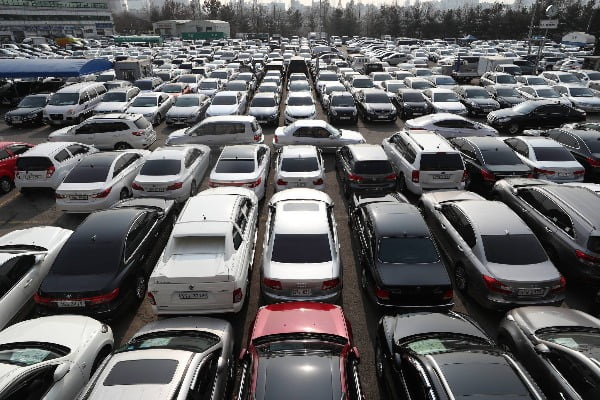
Used Car Hidden Costs: Understanding Insurance and Taxes in Korea

Just because you bought a used car for “10 million KRW” doesn’t mean the actual cost ends there. On top of the purchase price, you’ll need to pay additional expenses such as acquisition tax, registration tax, and mandatory car insurance. Depending on the car’s condition or options, you might even face repair costs sooner than expected. Many foreigners or first-time buyers overlook these extra costs, only to be surprised later when their budget is exceeded.

In this article, we’ll focus on the commonly overlooked costs of buying a used car in Korea: insurance and taxes, and other registration fees. Even if the car itself is cheap, your total expenses can skyrocket if insurance premiums and taxes are higher than you expected. For foreigners, the insurance process may be a bit more complicated, but with the right guidance it’s not an issue — let’s break it all down together.


1. Car Insurance: Mandatory Coverage & Optional Plans

Mandatory Insurance (Bodily & Property Liability)

In Korea, all drivers must legally carry liability insurance, which covers both bodily injury and property damage. The moment you transfer the title to your name, even on the same day, you must have active insurance in order to drive legally. Driving without coverage can result in heavy fines, and in case of an accident, you may face severe civil and criminal liabilities.

Foreigners can also obtain insurance by submitting the required documents — such as an Alien Registration Card, driver’s license, and proof of legal residency. However, if you have little to no credit history or driving record in Korea, your premium may be higher. Some insurers may grant discounts if you can provide proof of prior driving experience abroad, or if you’ve held a converted Korean license for over a year. It’s wise to confirm these details with insurers in advance.

Optional Coverage (Own Damage, Personal Injury, Uninsured Motorist, etc.)

Liability insurance alone won’t cover damages to your own car or injuries to yourself. That’s why most drivers in Korea opt for “Comprehensive Insurance packages,” which include Bodily Injury II, Property Damage, Personal Injury Protection (or Auto Injury), and Own Damage coverage. Adding Own Damage coverage significantly increases the premium, but it ensures you won’t bear the full repair costs in case of an accident.

For foreigners or beginner drivers who may not yet be comfortable with Korean road conditions, including Own Damage coverage is often worth the peace of mind. On the other hand, if you’ve purchased a very inexpensive used car, the additional premium might feel excessive. Some drivers choose to stick with liability coverage only, accepting minor repair costs themselves. Ultimately, it depends on your personal budget and risk tolerance.

How Insurance Premiums Are Calculated & Ways to Save

Premiums are calculated based on factors such as the car’s year, engine size, value, as well as the driver’s age, driving history, and accident record. For foreigners, shorter driving history in Korea often leads to higher premiums, so it’s important to compare quotes from multiple insurers. Online comparisons or direct-purchase (direct) insurance sometimes come cheaper since they skip agent commissions.

You can also save by applying discounts such as black box installation, or mileage-based reductions if you drive fewer kilometers annually. However, cutting too much coverage just to reduce costs can leave you financially exposed in an accident, so finding a balanced plan is key.

Insurance and Taxes


2. Car Taxes: Acquisition Tax, Registration Tax & Vehicle Tax

Acquisition Tax & Registration Tax

When you buy a used car, you’ll be required to pay acquisition tax and registration tax, calculated based on the purchase price. In practice, this generally amounts to around 7–8%, including a local education surtax (30% of the acquisition tax). For example, if you buy a car for 10 million KRW, you should expect to pay around 700,000–800,000 KRW in taxes.

Regardless of whether you buy directly from an individual or through a dealer, the moment the car is registered under your name, these taxes must be paid before you receive your vehicle registration certificate. This applies to foreigners as well — maintaining official tax payment records is essential for operating your car without issues.

Annual Vehicle Tax (Property Tax)

Unlike acquisition tax, which is a one-time fee, vehicle tax is assessed yearly or quarterly. The amount depends on engine displacement: compact cars and small vehicles pay less, while large sedans and SUVs with bigger engines pay more. For a mid-sized sedan with a 2.0L engine, annual tax can be around 500,000–600,000 KRW, while a compact car may only cost around 100,000 KRW. Some local governments also offer discounts for paying in advance, so check your tax notices carefully.

Foreigners who move residences frequently should be extra careful, as missing mailed tax notices can lead to overdue payments. Accumulated unpaid car taxes may cause trouble when leaving or re-entering Korea, as well as incur late payment fees. Since not receiving a bill doesn’t exempt you from responsibility, it’s wise to regularly check via local government websites or electronic billing systems.


3. Other Extra Costs: Ownership Transfer, Maintenance & Inspection

Transfer Registration Fees & Ownership Change Costs

When you buy a used car, you’ll need to complete the ownership transfer process, usually handled by a dealer or administrative service office. During this process, small fees such as document issuance, stamp tax, or service charges may apply. While these aren’t typically expensive, some agencies inflate the costs, so always confirm the “transfer service fee” before signing a contract.

For ownership transfer, required documents typically include your Alien Registration Card, driver’s license, and sales contract. If you hire an agency, they’ll handle the process but charge an extra fee. You can also visit your local Vehicle Registration Office to handle it yourself, but consider the potential language barrier before deciding.

Post-purchase Maintenance Costs

The condition of used cars can vary greatly, and buyers often need to budget for immediate maintenance such as engine oil changes, brake pad replacement, or new tires. These basic repairs can easily cost 500,000–1,000,000 KRW. Smaller components such as AC filters, wipers, or headlights may also add up. By preparing a buffer for unexpected repairs, you avoid being caught off guard by sudden expenses.

Regular Vehicle & Emissions Inspection

In Korea, cars are required to undergo regular inspections. Typically, new cars are inspected after 4 years, and used cars every 2 years (subject to vehicle type and usage). Inspection fees usually range between 20,000–30,000 KRW. If your car fails due to excessive emissions or safety issues, you’ll need repairs and a re-inspection. If your used car’s next inspection is coming up soon after purchase, budget for this cost in advance.


4. Foreigners’ Residency Situation & Cost Strategies

Strategies Depending on Length of Stay

If you plan to stay in Korea for less than a year, buying a used car may not be cost-effective. You’ll pay acquisition tax and insurance up front, only to sell the car soon after. In such cases, it may be wiser to consider long-term rental or leasing. On the other hand, if you’ll be staying for 2–3 years or more, spreading out the total cost (car price + taxes + insurance + maintenance) might make ownership more reasonable.

Be Mindful of Visa & Registration Status

Some extra costs, such as insurance and taxes, can’t be processed smoothly if your legal status is unclear. For example, if your visa is too short in duration, insurance companies may hesitate to approve your policy. Likewise, unpaid taxes could negatively affect your visa extensions or re-entry. If you split payments (such as yearly vehicle tax in installments), you must ensure your mailing address is up to date, or you may miss important notices and accidentally incur overdue fees.


Conclusion: Calculate the Total Cost Before Buying

If you only focus on the car price — “Wow, I can buy this for 10 million KRW!” — you may be shocked later when additional taxes, insurance, and maintenance push the total up by several million won. For foreigners in particular, having strong insurance coverage is crucial for safety and peace of mind. You may also face extra costs in repairs or paperwork due to the language barrier. In reality, many buyers end up spending 13–14 million KRW in total for a car that initially cost 10 million KRW.

The best way to avoid surprises is to calculate your budget using: Car Price + Acquisition/Registration Taxes + Insurance + Initial Maintenance + Service Fees. As a foreigner, you should also consider your visa status, credit rating, and length of stay before deciding between cash, financing, or leasing. By carefully reviewing all of these factors, you’ll avoid overspending or running into paperwork problems during ownership.

A car purchase in Korea involves much more than just the sales price. To prevent overspending or complications from unpaid taxes, never overlook the importance of insurance and taxes. With thorough preparation, a used car can be an affordable and reliable solution for your transportation needs in Korea.

Used car hidden costs

Webring Newsletter

K-Name Studio: Create your perfect Korean name based on your personality and style.
What’s My K-Beauty Personal Color?
WeBring Service : Provides personalized services to foreigners living in Korea
Exclusive offer: Introducing foreign car rental in Korea, WeBring-SoCar

Korean Meeting Culture: A Guide to Presentations and Discussions

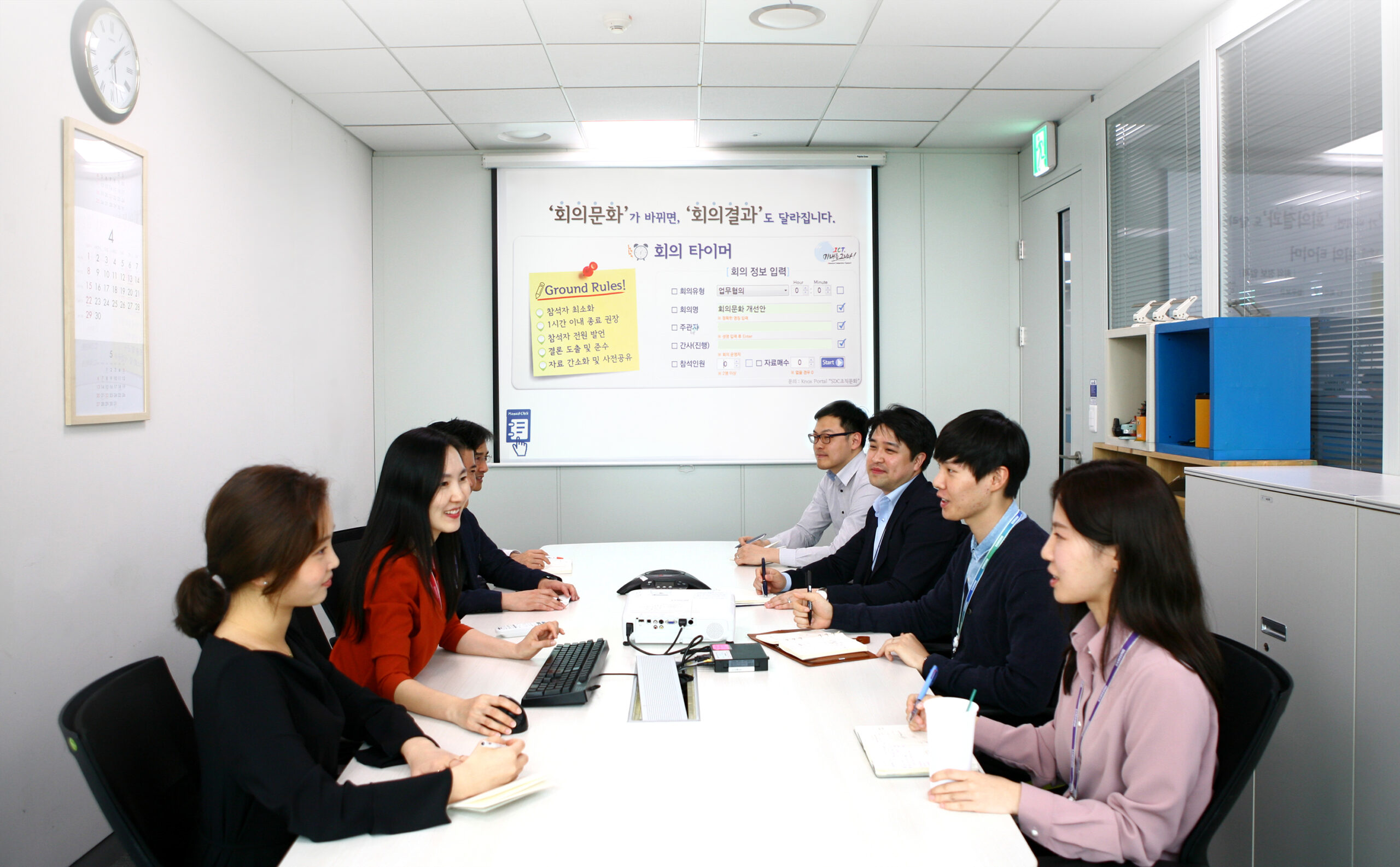
One of the most nerve-wracking moments when working at a Korean company is surely “when you have to give a presentation or share your opinion during a meeting.” From business meetings and reporting sessions to project kick-offs, if you are not familiar with Korean meeting culture and presentation style, it’s easy to get confused or make mistakes. That’s why preparation and understanding the context are crucial.
Particularly for those from different cultural backgrounds, questions might arise such as: “Why is the meeting so quiet?”, “Why doesn’t anyone speak until the boss does?”, or “Why does the presentation design matter so much?” The reason lies in Korea’s unique mix of collective culture and hierarchical decision-making, which creates a distinctive atmosphere during meetings and presentations.
In this article, we’ll take a closer look at Korean meeting culture, key points for presentations, and how to structure your slides. While it may feel unfamiliar at first, especially for foreigners, learning a few strategies will help you adapt more easily and communicate more effectively.

Meeting Style: Building Consensus vs. Direct Debate

Traditional Korean meetings have often leaned toward being “one-way reports.” Typically, a manager or senior leader dictates the flow of discussion, while team members take notes or ask only brief questions. In such settings, heated debates or spontaneous brainstorming sessions are relatively rare.
However, with the rise of global practices and younger generations, more meetings today encourage freer expression. Still, in conservatively structured companies or departments, subordinates may hesitate to speak until a senior figure sets the tone. In these cases, if a foreign presenter encourages discussion early on, signaling, “We want to share ideas in this way,” it can help open up the atmosphere.

For example, if an American planner organizes a brainstorming session for a new project, starting with a clear statement such as, “Today I’d like everyone to freely suggest ideas. This meeting is focused more on process than on outcomes, so even out-of-the-box thoughts are welcome,” helps participants feel more comfortable speaking up. In Korean workplace culture, attendees often prioritize what the leader expects. By clarifying your expectations in advance, you’ll pave the way for smoother discussions.

Presentation Style: Concise Slides, Visuals, and Emphasizing the Conclusion

One of the most notable traits of Korean presentations is the strong emphasis on visual aids such as PowerPoint slides, charts, and graphs. While PowerPoint is used globally, Korean companies often pay particular attention to fonts, design details, and well-structured slide organization. Instead of minimal slides with short bullet points, it’s common to see denser slides packed with information.
That said, it’s not always about creating more slides. With exposure to global presentation trends, many Korean professionals now prefer delivering a clear message through 10 or fewer focused slides. What matters most is structuring your presentation around the conclusion-first approach—stating your key point up front, then walking the audience through supporting evidence step by step. Expressions like “To begin with the conclusion…” are often heard, as knowing the end point helps the audience better follow the data and charts that come afterward.

Additionally, speaking clearly and making eye contact with the audience is critical. Korean audiences respond better when they feel the presenter is engaging directly with them. On the other hand, if you stare only at your slides or read in a low monotone, it will be difficult to capture attention.

Politeness and Honorifics: Referring to Others During a Presentation

If you are presenting in Korean, or mixing English and Korean with a Korean audience, you’ll need to note how to properly refer to senior staff or departments. For example, you might say, “We have reinforced the point raised by our CEO-nim” (title + ‘nim’ as a sign of respect), or “This analysis was kindly provided by the Development Team,” adding honorific expressions when referring to people or groups.
While using honorifics sets a formal, respectful tone, it may seem complicated for foreigners. Don’t worry: even if your usage of titles is slightly awkward, Koreans are usually very forgiving. Simply asking a colleague beforehand, “How should I address this person in the presentation?” and jotting down notes will be sufficient preparation.

Q&A Time: Silence or Sharp Feedback

After a presentation in Korea, the Q&A session can go in one of two extreme directions. One possibility is complete silence, leaving an awkward atmosphere. This usually stems not from a lack of questions but from the cultural tendency to wait for the manager or senior figures to speak first, or from reluctance to raise questions publicly. In such cases, it helps if you invite someone directly: “Mr. ○○, do you have any additional thoughts on what I just mentioned?” Or make a light remark to ease the audience into conversation.

The other possibility is immediate, sharp, and highly specific feedback. Particularly in technical or sales strategy presentations, you may face tough questions focused on data accuracy and statistical sources. Koreans may appear quiet but often scrutinize presentations very thoroughly. To prepare, organize your numbers and references in advance, and add a phrase like, “I can provide additional materials if needed,” which helps you maintain confidence while responding.

Pre-Alignment Culture: Sharing Information Beforehand

In Korean workplaces, “pre-alignment” is crucial. Instead of revealing everything for the first time on the day of the presentation, it’s more effective to share core information with key stakeholders or senior leaders in advance. For instance, you might send a brief email summary of your slides to the team leader the day before, or arrange a one-on-one mini briefing.
This practice helps reduce the chance of public clashes or strong opposition, while also showing respect to senior colleagues. Foreigners may think, “Can’t we just share and discuss everything at the meeting itself?” But in Korea, meetings often function more as a formality to confirm an already aligned decision, rather than as the primary place for open debate. Keeping this in mind will greatly improve your effectiveness.

Case Study: How a German Manager Successfully Led a Product Launch Meeting

C, a German marketing manager at a Korean IT company, once prepared for a new product launch presentation. Based on his experience, he tried to share all materials upfront and encourage open debate from the start. To his surprise, his team members quietly listened throughout. Then, as soon as the presentation ended, an executive demanded detailed market analysis, sharply questioning, “Is this figure based on accurate data?”

After the meeting, a colleague advised C that “if you share the big picture in advance with team leaders or executives, the actual meeting runs far more smoothly.” Following this tip, C sent his core slides and marketing strategy summary to executives the day before his next presentation. As a result, the live meeting focused only on refining implementation plans since the overall direction had already been agreed upon.
This experience taught C firsthand why “pre-alignment and awareness of Korean meeting culture” are critical. From then on, whenever he prepared for major events or projects, he applied this approach and successfully collaborated with his team.

Conclusion: Korean Meetings and Presentations Are Not Difficult Once You Know the Essentials

When leading meetings or giving presentations in Korea, the key question is: “How can I understand what team members and seniors expect, and how can I share that effectively?” By aligning key points in advance, presenting your conclusion first with logical reasoning, and preparing supporting evidence for Q&A, you can build confidence and avoid major issues.

Of course, no one can perfectly understand cultural nuances at first. With practice, feedback, and experience, you’ll adapt smoothly. While Korean presentations may feel overly formal and hierarchical at first, more companies are embracing global standards and active debate. Bringing your unique approach and strengths can even help enrich the culture.
Above all, what matters is the commitment to boost collaboration through effective communication. Meetings and presentations are not merely about delivering information—they reflect teamwork and organizational culture. With preparation and an open mindset, even foreign professionals can be recognized and thrive as key contributors in Korean companies.

Korean Meeting Culture

Webring Newsletter

K-Name Studio: Create your perfect Korean name based on your personality and style.
What’s My K-Beauty Personal Color?
WeBring Service : Provides personalized services to foreigners living in Korea
Exclusive offer: Introducing foreign car rental in Korea, WeBring-SoCar
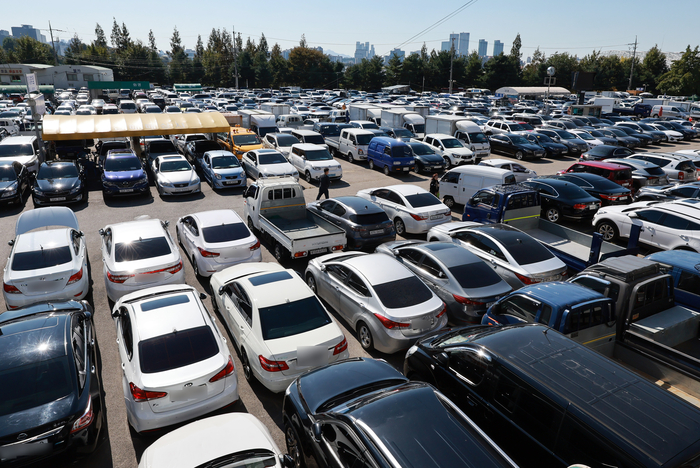
Top 5 Best Fuel-Efficient Used Cars in Korea

In recent years, global oil prices have shown strong volatility, and fuel costs have come to account for a significant portion of overall car ownership expenses. For those who drive mostly in cities or need to commute long distances daily, having a fuel-efficient car is essential. In particular, foreigners often find gasoline prices in Korea higher than in their home countries, which makes choosing a vehicle with good fuel economy even more important.

In this article, we’ll introduce the “Top 5 Best Fuel-Efficient Used Cars” among compact and mid-sized models that offer excellent value in the Korean used car market. While prices may vary depending on mileage and options, reviewing typical market prices alongside each car’s key features can help you identify the model that works best for you.


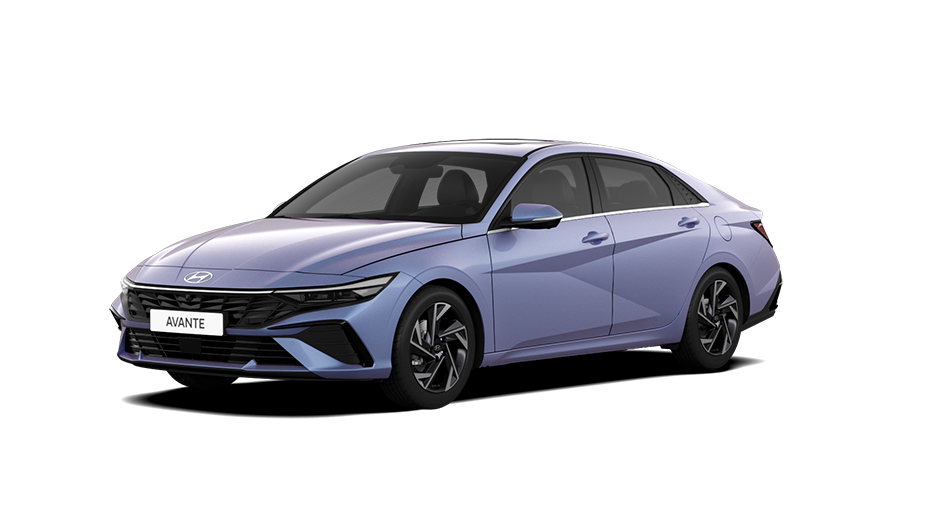
1) Hyundai Avante (1.6 Diesel · Gasoline)

The Hyundai Avante is one of Korea’s most popular mid-sized sedans, long praised for affordability and fuel efficiency. The 1.6 diesel engine model is particularly efficient, offering about 15–17 km/ℓ in city driving and over 20 km/ℓ on highways. The gasoline version also achieves a respectable 12–13 km/ℓ, while providing a quieter ride for those who prefer comfort and refinement.

As one of the most common listings in the used car market, it’s easy to find a preferred color or trim. A 3–4-year-old diesel Avante typically costs between 10 million–12 million KRW, with prices sometimes lower depending on mileage. With widely available service centers and parts, maintenance is simple, making it a practical choice even for foreigners living in Korea.

Hyundai Avante


2) Kia K3 (1.6 Gasoline · LPG)

The Kia K3 is another mid-sized sedan that competes directly with the Avante. The gasoline model offers around 13 km/ℓ fuel economy, while the LPG version provides an alternative that reduces fuel costs. Although LPG vehicles previously had purchase restrictions, they are now widely available (with few exceptions), and fueling infrastructure has been expanding. Still, you’ll want to check whether LPG stations are readily accessible in your area.

The K3 is known for its clean design and relatively spacious interior. In the used market, it often costs the same, or slightly less, than an Avante, usually between 8 million–12 million KRW for a well-maintained model. With fewer mechanical issues compared to other options, the K3 keeps maintenance costs in check, making it a reliable and efficient choice.


3) Renault QM3 (Duster/Clio) – Subcompact SUV Line

The Renault QM3 (sold as Renault Korea locally) was one of the early subcompact SUVs that gained popularity in Korea. Equipped with a 1.5 diesel engine, it delivers excellent fuel efficiency—around 14–15 km/ℓ for city driving and 18–19 km/ℓ on highways. Its compact size makes urban driving and parking convenient, ideal for city-oriented lifestyles.

That said, Renault service centers in Korea are less common than Hyundai or Kia, which could be inconvenient for drivers living outside major cities. While availability in the used car market is relatively limited, you can find 5-year-old models priced between 10 million–13 million KRW. The QM3 is a great choice for those seeking both fuel efficiency and stylish urban-friendly design.

(Though names like Clio or Koleos may be used overseas, in Korea, the QM3 is the main subcompact SUV sold under the Renault brand.)


4) Chevrolet Spark (Compact Car)

No discussion of fuel-efficient vehicles is complete without compact cars. The Chevrolet Spark, with an engine smaller than 1,000cc, offers city mileage of 13–14 km/ℓ and comes with added benefits such as lower insurance premiums and tax discounts for compact vehicles. With easy parking and reduced acquisition tax, it makes an excellent option for foreigners looking to keep car ownership simple and affordable.

However, being a small car, it has limited power and stability for long highway drives, which may feel tiring during extended trips. Cargo space is also limited. Still, with highly affordable used market prices ranging from 5 million–8 million KRW, the Spark is a solid choice for those wanting the lowest possible ownership costs while still enjoying the freedom of personal transportation.


5) Hyundai Ioniq Hybrid – The Fuel Economy Champion

Hybrid cars are often seen as expensive upfront, but in the used market, they provide excellent value. The Hyundai Ioniq Hybrid delivers over 20 km/ℓ in city driving, making it one of the most fuel-efficient models available, while also offering solid cabin space thanks to its mid-size design. While the Toyota Prius might come to mind for hybrids, in Korea the Ioniq enjoys stronger maintenance networks and accessibility advantages.

In the used car market, a 3–4-year-old Ioniq with 50,000–70,000 km typically sells for 13 million–16 million KRW. Before buying, check how hybrid battery warranties transfer to new owners and the potential replacement costs. Still, the quiet ride and exceptional fuel savings unique to hybrids make the Ioniq an extremely appealing option for cost-conscious and eco-friendly drivers alike.


Important Considerations: Driving Patterns and Service Infrastructure

Before choosing a fuel-efficient used car, keep in mind these key factors:

  1. Driving Patterns: If you mostly drive on highways, diesel vehicles deliver better fuel efficiency. However, for short city commutes, diesel may cause issues like DPF (Diesel Particulate Filter) clogging or cold-start difficulties. Gasoline and hybrid options may better fit city-focused drivers.
  2. Service & Maintenance Network: Renault and imported brands may have fewer service locations, making repairs more costly or less accessible. Hyundai and Kia, on the other hand, have extensive national service networks for reliable maintenance.
  3. Used Car Condition: Even the most fuel-efficient car will underperform if it has suffered accidents, flood damage, or transmission issues. Always check a vehicle performance inspection report and take a test drive before purchase.

Fuel Efficiency Tips: Driving Habits Matter

Even with a highly fuel-efficient car, poor driving habits can lower real-world performance. Frequent hard acceleration and sudden braking, or carrying unnecessary weight in the trunk, will reduce fuel mileage. In addition, poorly maintained tire pressure can increase rolling resistance, leading to higher fuel consumption.

For hybrids, using “Eco Mode” and regenerative braking properly can further improve efficiency. Gradually slowing down before traffic lights allows energy to be recaptured. Similarly, compact cars benefit from smooth driving habits, making it easier to achieve fuel economy figures close to official ratings.


Conclusion: Find the Right Fuel-Efficient Used Car

In today’s high-fuel-price era, choosing a fuel-efficient used car isn’t just about saving on gas—it’s about reducing total ownership costs and improving everyday quality of life through easier long-distance driving and lower expenses. The Hyundai Avante Diesel, Kia K3, Renault QM3, Chevrolet Spark, and Hyundai Ioniq Hybrid are some of the most popular, budget-friendly, and fuel-efficient models in Korea’s used car market.

Of course, each car has different strengths, so take into account your driving patterns, storage needs, and budget before deciding. Foreign residents should also consider the convenience of maintenance networks. Rather than believing fuel-efficiency advertising alone, consult dealer inspection reports, test drive cars yourself, and check online reviews.

Ultimately, “fuel economy = driver’s habits + car condition + engine type.” Choosing the right used car that matches your lifestyle, and combining it with safe driving and proper maintenance, will maximize fuel efficiency. By saving on ownership costs while enjoying the convenience of life in Korea, now is the perfect time to explore compact and mid-sized used cars with great fuel economy.

Best fuel-efficient used cars

Webring Newsletter

K-Name Studio: Create your perfect Korean name based on your personality and style.
What’s My K-Beauty Personal Color?
WeBring Service : Provides personalized services to foreigners living in Korea
Exclusive offer: Introducing foreign car rental in Korea, WeBring-SoCar
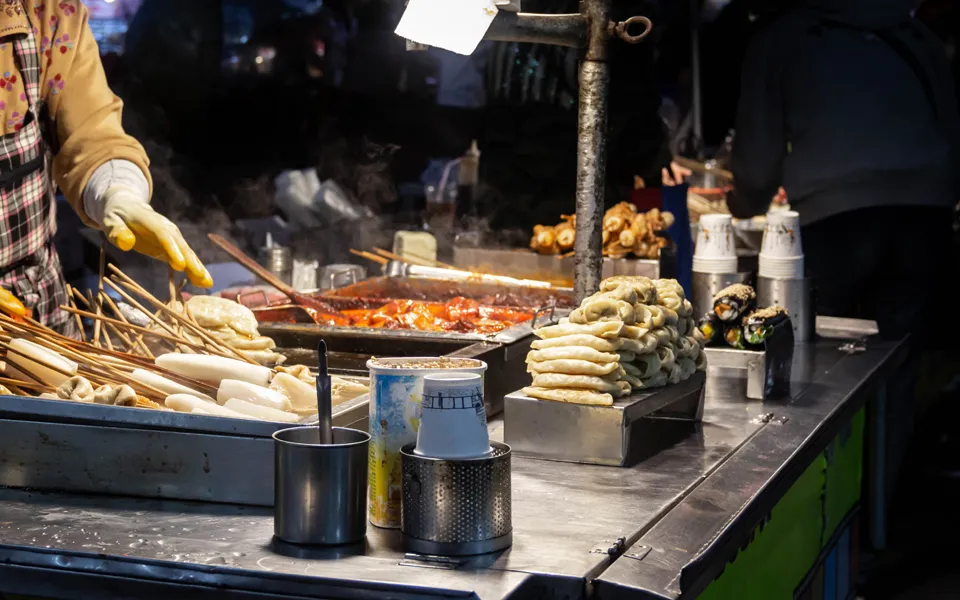
Seoul street food: Must-Try Bites and Hidden Gems

Seoul is a global metropolis that proudly showcases a rich culinary culture where tradition meets modernity. Among its many food experiences, Seoul street food stands out as a favorite for both locals and travelers, offering quick and convenient bites that capture Korea’s unique flavors and character. From bustling food stalls to makeshift pojangmacha (tented eateries), freshly cooked snacks tempt passersby with irresistible aromas and visuals.
In this post, we’ll introduce some must-try Seoul street foods and guide you on where and how to best enjoy them.


1) Tteokbokki: The Spicy-Sweet Soul Food

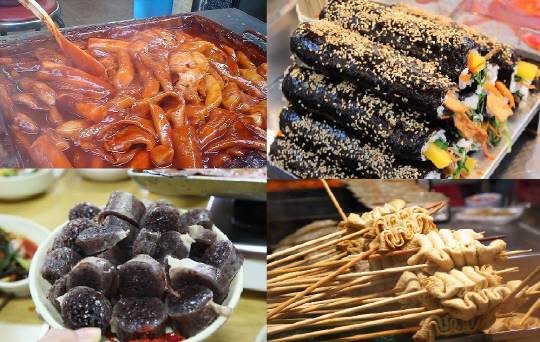
Tteokbokki literally means “stir-fried rice cakes,” but in reality, it’s more like chewy rice cakes (or wheat cakes) simmered in a gochujang (red chili paste) sauce with fish cakes, cabbage, and green onions. The thick and flavorful spicy-sweet sauce is deeply absorbed into the rice cakes, making this dish one of the most addictive and iconic street foods in Seoul.

Where to Eat?

In high-traffic areas such as Myeongdong, Hongdae, Sinchon, or Dongdaemun, it’s easy to spot street vendors selling steaming plates of tteokbokki. Traditional markets like Gwangjang Market or Tongin Market also offer hearty portions at affordable prices. For a cleaner setup and more topping options, specialized tteokbokki chains and snack shops are a great choice.
In particular, Sindang-dong Tteokbokki Town is famous for its “instant tteokbokki,” where customers cook ingredients right at their table on a hot pan, often finishing the meal with a popular fried rice add-on.

Seoul Street Food


2) Sundae, Fish Cakes, and Fritters: The Classic Trio

Alongside tteokbokki, three essential companions dominate Seoul’s street snack scene: sundae (Korean blood sausage), fish cakes (eomuk/odeng), and fritters (twigim). All three are widely available at pojangmacha or snack bars, enjoyed by dipping into the tteokbokki sauce or soaking in a warm broth.

Sundae

Sundae is made by steaming pig intestine stuffed with glass noodles and other ingredients—think of it as Korea’s version of sausage. The chewy texture is often accompanied by sides like liver or lung. Dip it in salted shrimp or tteokbokki sauce for a perfectly balanced bite.

Fish Cakes (Eomuk/ Odeng)

On chilly days, few things are as comforting as hot fish cake skewers with steaming broth. Bite into the chewy fish cake, then sip the umami-rich soup flavored with radish and seaweed. With modern varieties such as premium Busan-style eomuk filled with various ingredients, this snack is both classic and versatile.

Twigim (Fritters)

Vegetable fritters, squid fritters, shrimp fritters—the variety is endless in Korea’s fried snack culture. Crispy and savory, they pair perfectly with tteokbokki sauce. Ordering the famous “tteok-twi-soon” combo (tteokbokki + fritters + sundae) makes for a filling and satisfying street meal.


3) Hotteok & Bungeoppang: Sweet Street Snacks

Street food in Seoul isn’t just about spicy flavors. There are plenty of sweet treats too, especially during winter. Two beloved desserts you’ll see everywhere are hotteok and bungeoppang.

Hotteok

Hotteok is a stuffed pancake made by frying dough filled with brown sugar, peanuts, and cinnamon until golden brown. Bite into it and you’ll enjoy the sweet, nutty syrup oozing out. Hotteok trucks pop up all over the city during winter. Recently, “seed hotteok” versions filled with mixed nuts and seeds have grown popular, adding an extra layer of texture and taste.

Bungeoppang

Bungeoppang, or “fish-shaped bread,” is made by pouring batter into fish-shaped molds and filling it with sweet red bean paste. The crispy exterior and soft, sweet filling make it an irresistible winter snack. Variations with custard cream or chocolate fillings are also becoming more popular, offering new flavors for adventurous food lovers.


4) Chicken Skewers & Galbi Skewers: A Treat for Meat Lovers

Another popular street food category in Seoul is freshly grilled meat skewers. Whether marinated in sweet or spicy sauces, these skewers catch attention with their smoky aroma and satisfying flavors.

Dak Kkochi (Chicken Skewers)

Dak kkochi consists of skewered chicken grilled and coated in sauces like spicy chili, soy, or honey mustard. The tangy-sweet seasoning pairs perfectly with juicy chicken, making it a convenient handheld food. Great as a quick snack or even as a side with drinks.

Galbi Skewers

Galbi skewers are made by threading marinated beef or pork short ribs and grilling them to perfection. While slightly pricier for street food, the smoky charcoal flavor combined with the rich, sweet-savory galbi marinade delivers a restaurant-quality taste right on the street.


5) Tips for Enjoying a Street Food Tour in Seoul

While Seoul’s street food is tasty, affordable, and convenient, there are a few things to keep in mind. Crowded streets mean you should be mindful not to block or bump into pedestrians while eating. Trash bins may not always be nearby, so it’s wise to hold onto packaging until you find a proper disposal area.
Many snacks are spicy, so if you’re sensitive to heat, don’t hesitate to ask vendors for milder versions, especially when ordering tteokbokki or spicy galbi skewers. Since hygiene can vary at street stalls, those with sensitive stomachs may prefer trusted vendors or small eateries that prioritize cleanliness.


Conclusion: Experiencing the Real Flavors of Seoul Streets

Street food in Seoul is more than just a quick meal—it’s a cultural experience that reflects the city’s energy, warmth, and everyday life. From late-night pojangmacha gatherings to cups of tteokbokki shared among friends, every bite tells a story of the city.
If you’re visiting Seoul, fine-dining restaurants and traditional course meals are wonderful, but taking time to enjoy local street food gives you an authentic glimpse into the heart of the city. The sweet and spicy sauces, the aroma of fried snacks, and the comforting steam from fish cake broth awaken all your senses.
Accessible, affordable, and endlessly delicious, Seoul street food is a hidden gem of Korean travel. With each bite, you don’t just taste the food—you taste the soul of the streets. An experience every traveler should try at least once.

Seoul Street Food

Webring Newsletter

K-Name Studio: Create your perfect Korean name based on your personality and style.
What’s My K-Beauty Personal Color?
WeBring Service : Provides personalized services to foreigners living in Korea
Exclusive offer: Introducing foreign car rental in Korea, WeBring-SoCar
Rental Car Insurance in Korea: A Comprehensive Guide

Why does rental car insurance often seem so complicated? Even though rental companies provide “basic insurance,” in reality, there are situations where this coverage does not fully protect you in the event of an accident. This is especially important for foreign drivers who may be less familiar with local driving environments and therefore at higher risk of accidents. In this post, we’ll carefully walk through the essential aspects of choosing rental car insurance in Korea, highlight additional costs that foreigners should be aware of, and explain the concept of the Collision Damage Waiver (CDW).

Basic Structure of Rental Car Insurance in Korea

1) Bodily Injury Liability Insurance

Bodily Injury coverage is a mandatory type of insurance in Korea. It provides compensation if you cause physical harm to another person in an accident, whether it be a pedestrian or passengers in another vehicle. Every car in Korea must be insured under this category by law, which also applies to rental cars. In most cases, this coverage is included in the rental fee and is not an optional add-on.

2) Property Damage Liability Insurance

Property Damage coverage pays for damages caused to another vehicle, building, or facility in an accident. For example, if you hit another car’s bumper or damage public property like a guardrail, the costs would be covered under this type of insurance. Most rental car base fees already include property damage coverage; however, it is crucial to check the payout limits. If you collide with a high-end vehicle, the repair costs can be significant, so make sure the coverage limit is adequate before driving off.

Rental Car Insurance in Korea

Why the Collision Damage Waiver (CDW) is Essential

What CDW Means

The Collision Damage Waiver (CDW), often referred to as “comprehensive coverage” for the rental vehicle, protects you against damage to the rental car itself when the fault lies with the driver. For example, if you scratch the vehicle due to inexperience or hit a pole while parking, you would normally be fully responsible for the repair costs. However, if CDW coverage is included, most of these costs will be covered up to a specified limit.

Understanding Deductibles (Driver’s Own Expense)

Even with CDW, repairs are not always completely free. Many rental companies impose a deductible, meaning the driver must pay a fixed amount (e.g., KRW 300,000 or 500,000), and the remaining costs are covered by insurance. The lower the deductible (or none at all), the higher the insurance premium. Conversely, if the deductible is higher, the rental rate may be cheaper, but you’ll carry more financial burden should an accident occur.

Super CDW: Full Waiver Coverage

Some companies provide an upgraded option called “Super CDW,” which either eliminates or greatly lowers the deductible. Essentially, this allows the driver to pay nothing or only a small symbolic fee (e.g., under KRW 100,000) in case of an accident. Though more expensive than standard CDW, it provides peace of mind—especially for foreign visitors unfamiliar with Korean roads. Since even one accident can result in high costs, many travelers find it worthwhile to reduce risks in advance through this option.

Additional Coverage Options: Uninsured Motorist, Loss of Use, and More

Uninsured Motorist Coverage

If the other party in an accident has no insurance or an extremely low coverage limit, you may not be able to claim damages properly. Some insurance plans offer an “Uninsured Motorist” rider to address this risk. This may not be automatically included in rental contracts, so ask the rental company in advance if you need this coverage.

Loss of Use Compensation

If the rental car requires repairs after an accident, the rental company may charge for the days the vehicle is unavailable, called “Loss of Use Compensation.” This cost is typically calculated per day (e.g., 50% of the daily rental rate). While certain insurance packages waive this fee, in most cases, the driver must pay it separately. Always check your contract details thoroughly to avoid surprise charges.

Essential Tips for Foreign Drivers in Korea

1) Language Barriers in Insurance Terms

Insurance terms often contain technical jargon that can be difficult if you are not proficient in Korean. Some companies do provide English versions, so request one if possible or ask for guides in your native language. However, keep in mind that in case of discrepancies, the Korean original usually takes precedence. Therefore, it is highly recommended to confirm the key conditions verbally with the rental staff before signing.

2) Driving Experience Restrictions

Some rental companies in Korea may have restrictions such as “drivers must be at least 21 years old with one year of driving experience.” These rules are closely tied to insurance requirements. If you are using a foreign license, it may be challenging to prove your driving history, so consider preparing supporting documents like official translations or notarized papers in advance.

3) Accident Procedures

If an accident occurs while driving in Korea, the standard process is: ① ensure safety → ② report to the police (dial 112) → ③ contact your insurance company → ④ notify the rental company. For foreigners, the language barrier can add stress, but police and insurers often provide interpretation support during emergencies. Some rental companies also offer “24-hour multilingual support,” so make sure you know how to reach them before departure.

Cost Saving vs. Safety – How Should You Decide?

Weighing the Pros and Cons

Many travelers want to save on travel expenses by cutting down on insurance costs. However, keep in mind that accidents can end up being far more expensive. Even short trips carry the risk of accidents, and unfamiliar road environments increase the chances of costly mistakes. At minimum, you should opt for CDW. If you’re less confident in your driving skills or planning long road trips, consider upgrading to Super CDW for broader protection.

Compare Insurance Options During Booking

On most rental sites or apps, you first choose your vehicle and then select additional insurance. Always compare whether the difference between “standard CDW with KRW 500,000 deductible” and “Super CDW with zero deductible” is worth it. Also check whether Loss of Use or other riders are included. Even a difference of KRW 10,000–20,000 per day could be seen as a worthwhile “safety investment” compared to the risks of bearing huge repair costs.

Real Case: A Foreigner Chooses Super CDW

Situation

Mr. B, a tourist from the United States, planned a two-week road trip across Korea, visiting Seoul, Busan, and Gyeongju. Since he wasn’t familiar with Korean roads, he anticipated higher accident risks. Traveling with his family—including children and lots of luggage—he valued extra peace of mind.

Insurance Choice

Through an online rental platform, Mr. B reserved a mid-size SUV. While basic liability insurance (for bodily injury and property damage) was included, CDW was optional. He had the choice between a standard CDW with a KRW 300,000 deductible or Super CDW with no deductible for an extra KRW 20,000 per day. Prioritizing peace of mind for his trip, Mr. B chose Super CDW.

Real Experience

Fortunately, Mr. B completed his road trip without any major incident. However, while parking in Gyeongju, he accidentally scraped a wall, leaving visible damage to the car door. Thanks to Super CDW, the repairs were fully covered without any deductible. The rental company and insurance handled the paperwork smoothly. Mr. B later reflected: “Initially I thought the extra cost wasn’t worth it, but after the accident, I realized choosing Super CDW was the right decision.”

Conclusion: The Best Safety Measure is the Right Rental Car Insurance

Choosing the right rental car insurance is directly linked to your safety. For foreign drivers especially, unfamiliar roads and unexpected situations increase accident risks. To avoid unexpected expenses of hundreds of thousands—or even millions—of won, make sure to carefully review all coverage: from liability to CDW, and even Loss of Use compensation.

Cutting corners on insurance may seem like a good way to save, but one accident can cost far more. By spending a little more for proper coverage, you free yourself to focus on enjoying your trip and driving safely. As the saying goes, “Safe driving doesn’t guarantee zero accidents.” What makes the real difference is whether you’re prepared. When choosing rental car insurance in Korea, make your decision wisely to ensure both safety and peace of mind.

Korea Car Rental Insurance Guide

Webring Newsletter

K-Name Studio: Create your perfect Korean name based on your personality and style.
What’s My K-Beauty Personal Color?
WeBring Service : Provides personalized services to foreigners living in Korea
Exclusive offer: Introducing foreign car rental in Korea, WeBring-SoCar