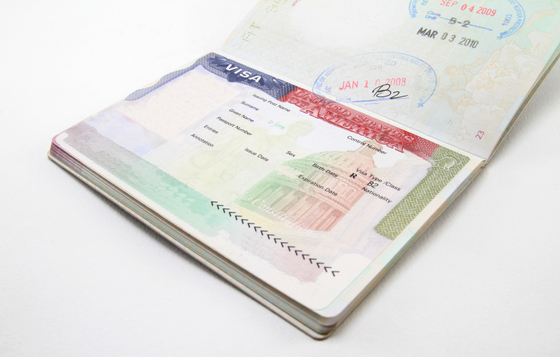
Master Your Korea Visa Extension Documents 2026: The Ultimate Checklist to Avoid Delays

The most common reason for failure when preparing for a visa extension (permission to extend your stay) in Korea is simple: missing one required document (especially proof of residence), documents issued too long ago, or missing your appointment slot. (Korea Visa Extension Documents)

This guide is based on 2026 procedures and provides a practical “checklist” of required documents for those affiliated with an educational institution (international students / language trainees) or a company (employment / instructor / professional manpower). (Depending on individual circumstances, additional documents may be required, so make sure to check the official channels listed at the end.)

1) Five Basic Rules for Visa Extension (Applies to Everyone)

(1) When can I apply?

You can apply for an extension of stay up to 4 months before the expiration date, and you must apply no later than the expiry date (the day before if applying through the online civil service portal).

(2) Is the process available online?

Certain visa types allow you to apply for a stay extension via the Hi Korea e‑civil service portal without visiting in person, and there’s a 20% reduction in fees. (Immigration Service)
The Hi Korea e‑service operates on weekdays 07:00–22:00 (closed on weekends and holidays). (HiKorea)

(3) On‑site applications require an advance appointment

In principle, immigration‑related applications such as extension of stay require an online appointment. Specific exemptions (pregnant applicants, those aged 70+, etc.) are listed separately.

(4) You cannot apply while abroad

To apply for permission to stay (extension/change, etc.), you must be physically present in Korea. No proxy application is accepted while you are overseas.

(5) If your passport is close to expiring, the extension period may be shortened

According to current guidelines, your stay period may be limited by your passport’s validity. If your passport expires soon, it’s recommended to renew it first (and report the new passport afterward).

Korea Visa Extension Documents


2) Common Required Documents (These Four Are Almost Always Needed)

The following four items frequently appear in the official list of documents required for a stay extension:

  • Integrated Application Form (Form No. 34)
  • Passport
  • Alien Registration Card (ARC)
  • Proof of Residence (Address Verification)

Additionally, documents issued abroad may require an Apostille or consular legalization. The immigration office may also add or waive certain documents during screening.

Application Fee (Reference)

According to Easy Law, the fee for permission to extend your stay is 60,000 KRW. (Easy Law)
(However, the final amount may vary depending on your personal circumstances, visa type, or whether you apply online. Always double‑check with Hi Korea or your local immigration office.)


3) School‑Affiliated Checklist (International Students / Language Trainees)

The following are the most common categories for foreigners affiliated with educational institutions.

A. Regular University / Graduate School Students (Usually D‑2)

[Essential Items] (According to official regulations)

  • Passport
  • Alien Registration Card (if applicable)
  • Certificate of Enrollment
  • Proof of Residence (Easy Law)

[Frequently Requested Additional Documents] (Based on university guidelines)

  • Academic Transcript
  • Tuition Payment Certificate
  • Bank Balance Certificate (some schools waive this requirement) (dongguk.edu)

Pro Tip: Many universities allow you to issue “enrollment, transcript, and tuition payment” documents at once through the student or international portal. Request them at least 1–2 weeks in advance to avoid last‑minute delays.


B. Post‑Master’s/Doctoral Students Preparing a Thesis (Research / Thesis‑based Extension)

Some universities (e.g., Dongguk University) list separate requirements for students staying to prepare their thesis:

  • Integrated Application Form
  • Passport Copy, Alien Registration Card
  • Certificate of Course Completion, Transcript
  • Proof of Residence
  • Advisor’s Recommendation Letter (must include research schedule, supervision details, and reason for recommendation) (dongguk.edu)

Official legal guidelines also indicate that a letter from your advisor may substitute a certificate of enrollment for thesis preparation cases. (Easy Law)


C. University‑Affiliated Language Institutes / Language Training (Usually D‑4‑1)

[Essential Items] (According to official regulations)

  • Passport
  • Alien Registration Card (if applicable)
  • Certificate of Enrollment
  • Proof of Residence (Easy Law)

[Frequently Requested Additional Documents] (Based on school guidelines)

  • Academic Transcript
  • Tuition Payment Certificate
  • Financial Proof (bank balance, etc.)
  • Study Plan / Program Description (for trainees)
  • Proof of Residence (Lease Contract / Accommodation Confirmation) (dhu.ac.kr)

Some schools also specify minimum attendance rates (e.g., 80%) requiring submission of attendance certificates, tuition payment, and housing verification. (Sungshin Women’s University)
(Attendance criteria may vary by school or jurisdiction, so confirm with your institution.)


D. If the Student Is a Minor or Needs a Proxy Applicant

While visa extensions are typically filed by the student, minors under 17 may have applications submitted by a parent, guardian, sibling, or guarantor. (Easy Law)


4) Company‑Affiliated Checklist (Employment / Instructor / Professional Manpower)

For those employed by a company, required documents depend on your visa type (E‑series, etc.) and employment form (corporation / individual / dispatched). Fortunately, the official forms specify the required attachments for extension permits, so preparing according to the checklist below minimizes rejection risk.


Common Company‑Related Documents (Summary)

  • Employment Contract
  • Business Registration Certificate
  • (For corporations) Certificate of Corporate Registration

Depending on your occupation, additional documents such as a “Guarantor Form,” “Tax Payment Certificate,” or “Certificate of Employment/Dispatch Order” may be required.


A. Native Speaking Instructor / Foreign Language Teaching (E‑2)

[Documents Required for Extension]

  • Employment Contract
  • Business Registration Certificate (and Corporate Registration if applicable)

Pro Tip: For E‑2 visas, if a “workplace change/addition” is involved, extra documents such as the hagwon establishment license are required. This article focuses on extensions only—different rules apply for job changes or multiple employers.


B. General Corporate Employment / Professional Workers (E‑7)

[Documents Required for Extension]

  • Employment Contract
  • Guarantor Form (if applicable to your job category)
  • Tax Payment Certificate
  • Business Registration Certificate (and Corporate Registration if applicable)

C. University / Research Institutions (E‑1 Professor, E‑3 Research, E‑4 Technology Transfer)

E‑1 (Professor) — Required for Extension

  • Employment Contract

E‑3 (Research) — Required for Extension

  • Employment Contract
  • Business Registration Certificate (and Corporate Registration if applicable)

E‑4 (Technology Transfer) — Required for Extension

  • Dispatch Order or Certificate of Employment
  • Technology Introduction Contract / Supporting Documents (if applicable)
  • Business Registration Certificate (and Corporate Registration if applicable)

D. Manufacturing / On‑Site Employment Permit System (E‑9 etc.)

E‑9 (Non‑Professional Employment) — Required for Extension

  • Employment Permit
  • Labor Contract
  • Certificate of Extension of Employment Activity Period
  • Guarantor Form

5) Proof of Residence — The Most Common Cause of Delays (Practical Examples)

“Proof of Residence (Address Verification)” is one of the most frequently requested supporting documents.
For students or trainees living off‑campus under someone else’s contract, extra paperwork is required.

According to Sungshin Women’s University guidelines:

  • Dormitory Residents:  Verification of Accommodation Provided (Form issued by the school)
  • External Residence (Contract under your name):  Copy of Lease Contract
  • External Residence (Contract under someone else’s name):  Lease Copy +  Lessor’s ID (front & back) +  Confirmation of Accommodation Provision (Sungshin Women’s University)

By getting this part right, you can avoid most follow‑up requests and extra trips to immigration.


6) Final Checklist Before Submitting (Avoid Rejection)

Use this checklist to catch common reasons for application denial:

  •  Confirm you are within the valid application window (from 4 months before expiry)
  •  If applying in person, ensure you’ve completed your Hi Korea appointment booking (and check if you qualify for exceptions)
  •  Verify passport validity (renew and report new passport if needed)
  • Applications cannot be filed from abroad (plan your travel accordingly)
  • Unpaid taxes or health insurance may block your extension (resolved payments required) (Immigration Service)
  •  For company documents, prepare according to business type (corporation vs. individual; include corporate registration if a corporation)

7) Conclusion: Decide Whether You’re School‑Affiliated or Company‑Affiliated—That Solves 80% of the Process

In the end, visa extension preparation boils down to this framework:

  1. Four Common Documents (Application Form / Passport / ARC / Proof of Residence)
  2. If you’re a student: Enrollment + Transcript + Tuition + (optional) Financial Proof (dongguk.edu)
  3. If you’re employed: Employment Contract + Business Registration (+ Corporate Certificate, if applicable) + Role‑Specific Documents
  4. If eligible, use Hi Korea online services to save time and reduce fees (Immigration Service)

Official Verification Channels (Double‑Check Before Submitting)

Since individual circumstances vary, these are the most reliable ways to confirm your final requirements:

  • Check Hi Korea’s visa‑type specific guides (recommended in official notices)
  • Consult the 1345 Immigration Contact Center (officially endorsed support line)

If you have further questions about visa extensions, feel free to contact us through our My We Bring channel.

Contact

Webring Newsletter

K-Name Studio: Create your perfect Korean name based on your personality and style.
What’s My K-Beauty Personal Color?
WeBring Service : Provides personalized services to foreigners living in Korea
Exclusive offer: Introducing foreign car rental in Korea, WeBring-SoCar
Seoul landmarks: Your Ultimate Guide to the Top 5 Must-visit

Seoul is a vibrant city where the past and present coexist harmoniously. On one side, you’ll find ancient palaces and traditional culture breathing with a thousand years of history; on the other, dazzling skyscrapers and neon lights shine day and night. This unique urban landscape captivates not only tourists but also inspires those who live in the city. If you’re visiting Seoul for the first time, you may wonder where to start. To help you plan your trip, here are the “Top 5 Must-Visit Landmarks in Seoul” you absolutely shouldn’t miss.

Through this guide, you’ll discover why each of these top attractions is so special and how to experience them to the fullest. Even if your travel schedule is tight, make sure to visit the locations below. They offer an unforgettable glimpse into the many faces of Seoul.

1) Gyeongbokgung Palace: Encounter the Grandeur of the Joseon Dynasty

Steeped in deep historical and cultural significance, Gyeongbokgung Palace is often considered the crown jewel of Seoul landmarks. Built in the late 14th century by King Taejo when he established Hanyang as the capital, it served as the main royal palace of the Joseon Dynasty and the residence of kings and their families. Although it suffered heavy damage during the Japanese invasions, it was later reconstructed during King Gojong’s reign. Today, it stands as a proud symbol of elegance and dignity in traditional Korean architecture.

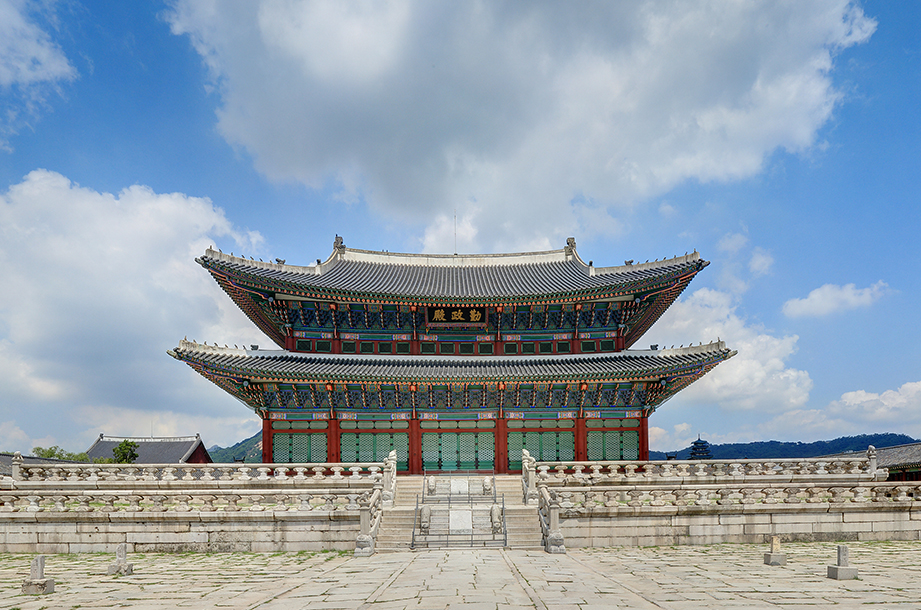
One highlight you must not miss is Geunjeongjeon Hall. With its imposing columns and royal throne, this hall served as the “face of the nation.” Inside, you’ll find vividly painted dancheong patterns and intricately decorated wooden beams—a glimpse into the refined aesthetics of the Joseon royal court. Strolling through the courtyard, you can almost imagine the path once taken by kings and visualize grand royal ceremonies that once took place here.

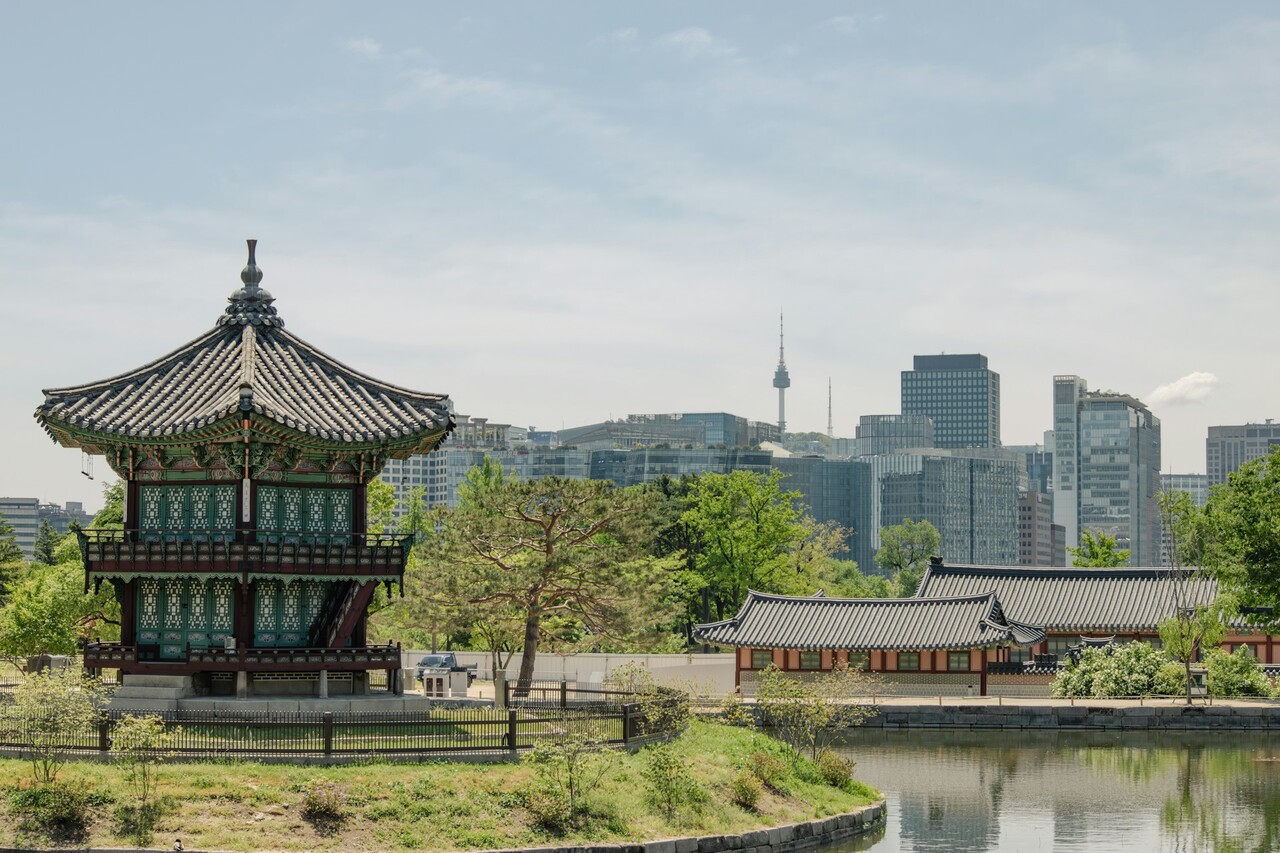
Another highlight is Gyeonghoeru Pavilion, an exquisite pondside structure that showcases a different charm in every season. In spring, budding leaves add a touch of freshness; in summer, the green lotus leaves and cool breeze create a tranquil atmosphere; in autumn, colorful foliage beautifully reflects on the water; and in winter, the snow-covered pavilion offers serene, poetic beauty.

Visitors wearing hanbok (Korean traditional clothing) can enter Gyeongbokgung free of charge, making it common to see both locals and foreign tourists in vibrant attire capturing memorable photos. If you have extra time, explore nearby Seochon and Bukchon Hanok Village. These neighborhoods, filled with traditional houses and charming cafés, offer a tranquil contrast to the modern cityscape of Seoul.

Seoul Landmark - Gyeongbokgung Palace

2) N Seoul Tower: A Panoramic Night View from the Heart of the City

Rising prominently atop Namsan Mountain, N Seoul Tower (formerly Namsan Tower) is one of the most recognizable silhouettes of Seoul’s skyline. While the view is spectacular by day, it’s the nightscape that truly steals the show. Offering a 360-degree panorama of glittering city lights, it’s a favorite romantic destination for couples and a perfect photo spot for families and tourists alike.

Reaching the tower itself is part of the fun — you can take the cable car or the Namsan circular bus. The cable car ride offers a preview of Seoul’s cityscape as you ascend, building anticipation for the breathtaking view that awaits at the top. Once you arrive, purchase an observation deck ticket to enjoy the panoramic lookout and explore the tower’s restaurants, gift shops, and exhibition spaces at your own pace.

One of N Seoul Tower’s most iconic sights is the “Locks of Love.” Visitors from around the world leave padlocks inscribed with their names or messages on fences and rails symbolizing eternal love and friendship. Walking among these colorful locks, you can feel the collective dreams and emotions of countless travelers intertwined on this hillside.

Don’t miss the scenic Namsan Park walking trails surrounding the tower. Whether you stroll through the forest path or sit quietly on a bench, it’s an oasis of calm amid the busy capital. With changing seasonal foliage, it’s the perfect spot to unwind and reconnect with nature during your trip.

N Seoul Tower

3) Myeongdong: The Paradise of Trendy Shopping and Street Food

When it comes to shopping and food in Seoul, Myeongdong always tops the list. From international fashion brands to K-beauty stores and accessory shops, the streets are lined with endless options for every style and taste. It’s also one of the most popular destinations among overseas travelers looking to shop for authentic “K-beauty” products.

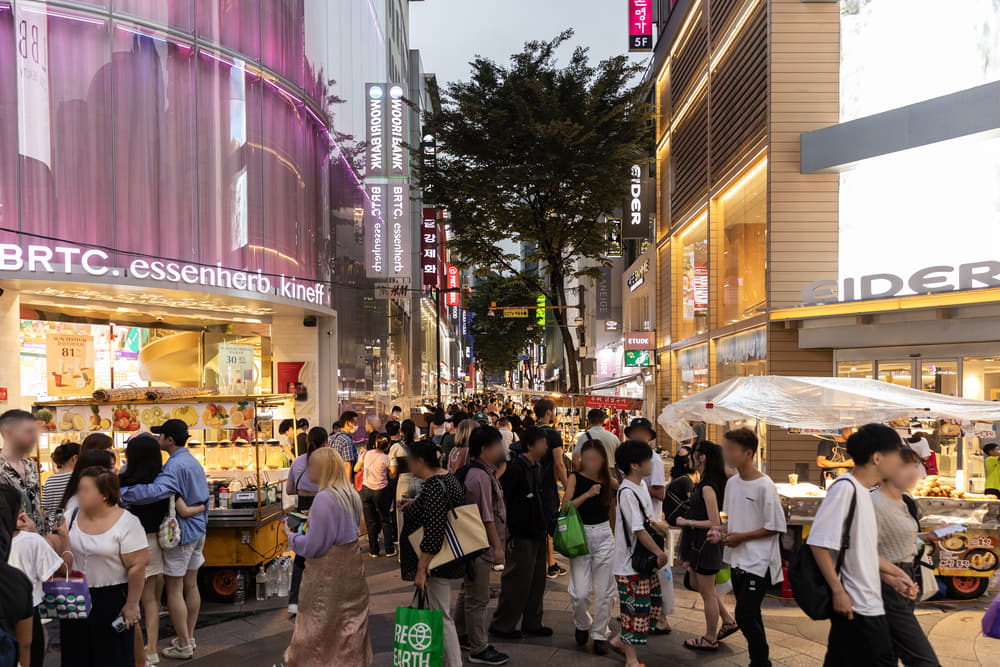
As soon as you enter Myeongdong, the vibrant signs and bustling crowds will catch your attention. Whether it’s a weekday or weekend, the area is always buzzing, with so many foreign-language signs that it often feels like a global shopping hub. Visitors love collecting free samples at cosmetics stores, hunting for buy-one-get-one deals, and enjoying the fast-paced retail energy unique to this district.

Food lovers will also find plenty to enjoy here. The streets are packed with Korean snacks such as hotteok (sweet pancakes), tteokbokki (spicy rice cakes), fish cakes, and dumplings. From trendy cafés to traditional tea houses and famous global restaurants, there’s something for every palate. For an authentic local experience, you might try Myeongdong Kyoja, a long-loved restaurant known for its handmade noodles and dumplings.

Myeongdong Cathedral, another local landmark, adds a historical charm to the area. Its gothic architecture contrasts beautifully with the surrounding modern shops, creating a unique cultural atmosphere. Combining shopping, dining, and sightseeing all in one place, Myeongdong is the perfect destination for short-term visitors looking to maximize their time in Seoul.

Myeongdong

4) Bukchon Hanok Village: Traditional Beauty in the Heart of Seoul

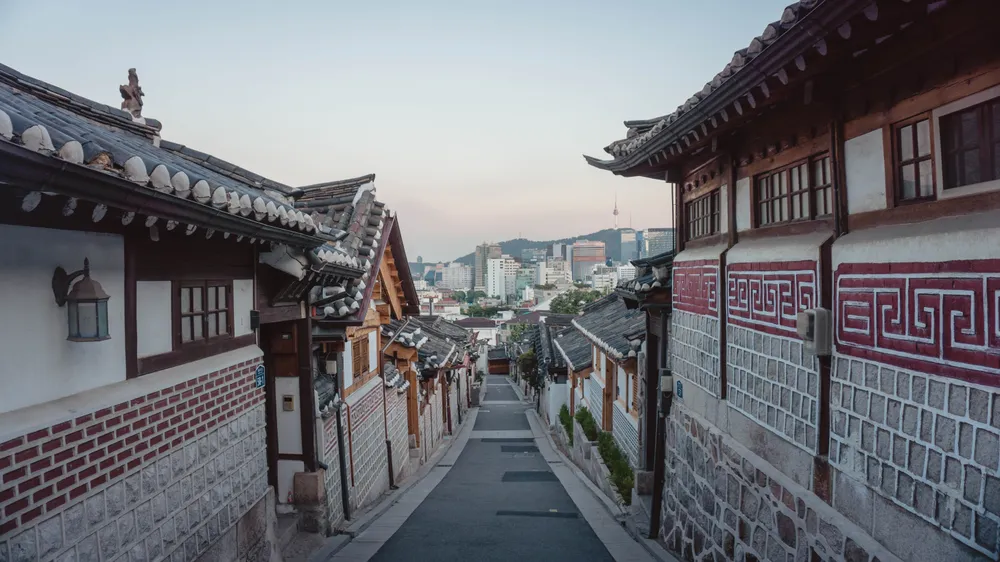
If you want to escape the city’s glittering skyline and immerse yourself in traditional charm, head to Bukchon Hanok Village. Nestled between Gyeongbokgung and Changdeokgung Palaces, Bukchon was once home to Joseon-era aristocrats. Many hanok (traditional houses) have been well preserved, allowing visitors to experience old Seoul as it once was.

Walking through its narrow alleys, you’ll be greeted by elegant wooden doors and tiled roofs that create a peaceful atmosphere. These alleyways are so picturesque that they’ve become one of Seoul’s most photographed spots. The visual contrast between traditional architecture and the modern skyline beyond makes it a powerful symbol of “the harmony between the old and the new.”

Bukchon also offers hands-on cultural experiences. From hanji paper crafts and pottery making to traditional tea ceremonies, local workshops and cafés provide opportunities to connect with Korean heritage. Some hanok even operate as guesthouses, allowing you to spend a night in an ondol (heated floor) room and truly immerse yourself in traditional living.

Since Bukchon is also a residential area, please be respectful when taking photos or exploring the alleys. Keep noise levels down, especially early in the morning or at night, and remember to respect the privacy of local residents—particularly on weekends when crowds are the largest.

Bukchon Hanok Village

5) Dongdaemun Design Plaza (DDP): An Icon of Futuristic Architecture

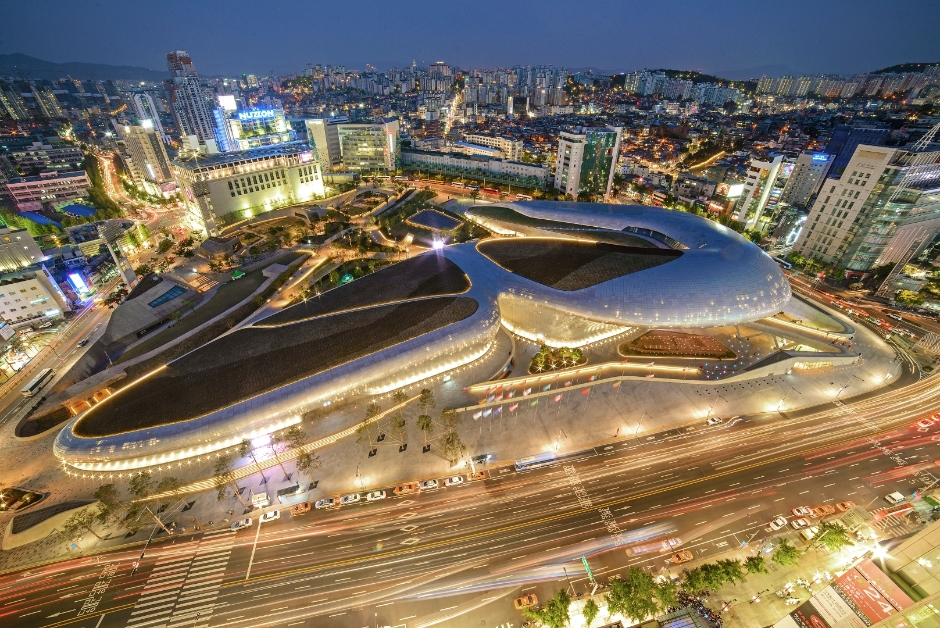
Dongdaemun Design Plaza (DDP) perfectly represents Seoul’s harmony between tradition and modernity. Designed by world-renowned architect Zaha Hadid, this futuristic building’s fluid, curved shape makes it an instant visual landmark. During the day, its metallic surface reflects sunlight with a silver shimmer, while at night, the LED lights create a dreamy, almost surreal aura.

The DDP serves as a major hub for exhibitions, conferences, fashion shows, and art events. During Seoul Fashion Week, designers, media, and fashion enthusiasts from around the world gather here to witness the latest trends. There are also frequent design and tech-themed exhibitions, so it’s worth checking the event schedule ahead of your visit.

The surrounding Dongdaemun area is just as lively, home to massive shopping complexes and wholesale markets that buzz with activity day and night. From fabrics and clothing to accessories, you’ll find every fashion item imaginable. Many stores stay open late into the night, making it a paradise for nocturnal shoppers. For young visitors passionate about style, Dongdaemun is a must-see for both affordability and variety.

Whether you’re exploring during the day or at night, take photos with the DDP as your backdrop—it’s a favorite spot for Instagram-worthy shots. The rooftop and nearby plazas also offer great night views of the city, so don’t forget to bring your camera or smartphone.

DDP

Wrapping Up: Seoul’s Landmark Highlights

Although we’ve focused on the “Top 5 Must-Visit Landmarks in Seoul,” there are countless other spots worth exploring. However, if you’re visiting on a short schedule, these five destinations will give you a rich and well-rounded experience of the city’s charm. From historic palaces to bustling shopping streets and breathtaking nighttime skylines, Seoul’s landmarks offer unforgettable memories to every visitor.

Traveling is one of the best ways to understand a city. We hope this guide helps you create meaningful memories and plan your perfect Seoul itinerary. Each location embodies a piece of Seoul’s culture and history, allowing you to connect more deeply with the city. We hope your time in Seoul leaves a lasting impression — and perhaps makes you wonder where your next journey will take you!

Recommended Seoul Landmarks

Webring Newsletter

K-Name Studio: Create your perfect Korean name based on your personality and style.
What’s My K-Beauty Personal Color?
WeBring Service : Provides personalized services to foreigners living in Korea
Exclusive offer: Introducing foreign car rental in Korea, WeBring-SoCar

Your Ultimate K-Drama pilgrimage: Explore Korea’s Iconic Filming Locations

“K-Drama (Korean Drama)” has become one of the core contents driving the global Korean Wave (Hallyu). Countless dramas such as ‘Winter Sonata’, ‘Guardian: The Lonely and Great God (Goblin)’, ‘Crash Landing on You’, and ‘Itaewon Class’ have captivated fans around the world and inspired many to visit their filming locations. In fact, K-drama filming sites have become special travel destinations where visitors can experience Korean culture and feel the same emotions as their favorite characters. In this article, titled “K-Drama Pilgrimage: A Guide to Popular Drama Filming Locations,” we’ll introduce some of the most beloved sites among international fans and share practical travel tips on how to visit them.


1) Nami Island: The Romantic Forest of ‘Winter Sonata’

Filming Story

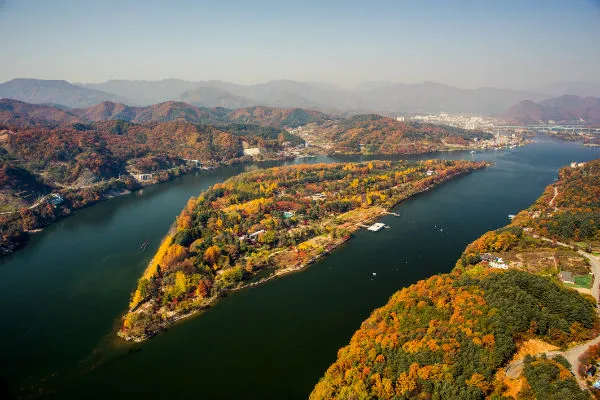
Among all K-drama filming locations, Nami Island stands out as one of the originals. When ‘Winter Sonata’ aired in 2002, it became explosively popular across Asia, turning the metasequoia-lined path that the main characters walked into a romantic pilgrimage spot for K-drama fans worldwide. Many scenes from the drama were filmed on this island, where the snowy tree-lined paths and serene lakeside views enchanted viewers around the globe.

Travel Tips

Nami Island is located on the border of Gyeonggi-do and Gangwon-do, near Chuncheon, and can only be accessed by ferry. Take the Gyeongchun Line subway to Gapyeong Station, then transfer via taxi or bus to the dock — it’s just a 5-minute ferry ride from there. The island offers restaurants, cafés, and leisure facilities, making it perfect for a half-day trip. Its charm shines year-round: autumn foliage, snowy winter scenery, and blooming spring flowers make every visit memorable. With many international visitors, English signs are readily available.

K-Drama pilgrimage


2) Jagalchi Market & Gwangan Bridge: From ‘Train to Busan’ to ‘When the Camellia Blooms’

Busan’s Sea and Sentiment

Busan frequently appears as a backdrop for Korean dramas and films. While ‘When the Camellia Blooms’ was primarily shot in Pohang, some scenes capture a Busan-like atmosphere. Though ‘Train to Busan’ is a film, its story made the city world-famous. The drama ‘Strong Woman Do Bong-soon’ even mentions Gwangan Bridge. Many productions, including ‘Oh My Venus’ and ‘The Best Hit’, have filmed romantic seaside scenes around Haeundae and Gwangalli.

Travel Tips

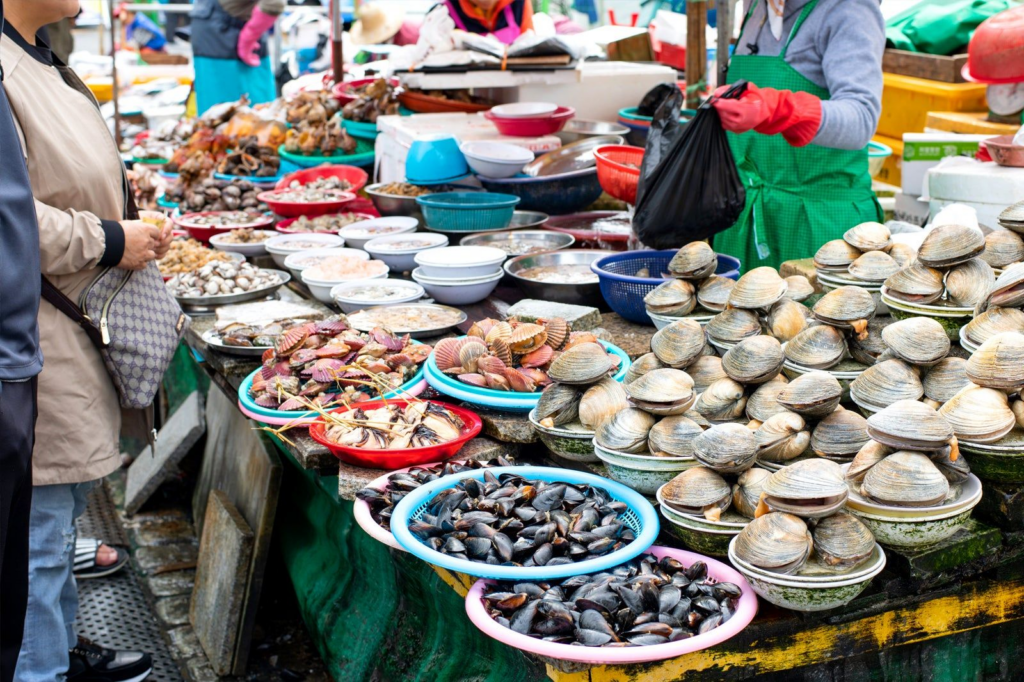
When visiting Busan, the areas around Jagalchi Market, Gukje Market, and Gwangan Bridge are must-see K-drama and film shooting spots. At Jagalchi Market, you can enjoy freshly prepared seafood, while Gukje Market — also featured in the movie ‘Ode to My Father’ — offers a traditional market vibe. The night view of Gwangan Bridge has long been a popular backdrop for romantic confession scenes in dramas. The city is easily accessible by public transportation and is perfect for enjoying coastal energy and local cuisine.

Jagalchi Market


3) Bukchon & Samcheong-dong: From ‘Goblin’ to ‘Crash Landing on You’

Dramatic Alleys in Central Seoul

While recent hit ‘Goblin’ is known for its Canadian locations, many key scenes were also filmed in the heart of Seoul. The traditional hanok houses and stone walls of Bukchon and Samcheong-dong perfectly captured tender conversations between the Goblin and his bride. ‘Crash Landing on You’ also features several Seoul cityscapes that fans could recognize instantly, creating moments of surprise and delight.

Travel Tips

Bukchon Hanok Village and Samcheong-dong café street pair nicely with a visit to the Gyeongbokgung Palace course. Some filming locations are hidden in quiet alleys, so searching online for “Goblin filming spots map” or “Crash Landing on You locations” can help — many fans have shared guides and travel blogs. Since some spots are on private property, it’s important to visit respectfully, take quick photos, and move along quietly.


4) Chuncheon & Gangwon-do: The Next-Generation Drama Sites After ‘Winter Sonata’

Gangwon-do’s Landscape as a K-Drama Backdrop

Gangwon-do is not only the home of ‘Winter Sonata’ — parts of ‘I’m Sorry, I Love You’, starring So Ji-sub and Im Soo-jung, were also filmed around Chuncheon and Gangchon. The region’s mix of lakes, rivers, and mountains creates a scene-stealing backdrop that attracts drama productions year-round. Located just one to two hours by car from Seoul, it’s a great destination for a day trip.

Even entertainment shows like ‘Begin Again Korea’ have showcased performances on Chuncheon’s romantic lakes. For K-drama fans, the postcard-perfect scenery and recreated photo zones offer a nostalgic and emotional experience.

Travel Tips

Near Chuncheon Station, you’ll find landmarks such as “Namchuncheon Rail Park,” “Kim You-jeong Literature Village,” and “Gangchon Leisure Area,” which still carry traces of past drama shoots. The area is easily accessible via the Gyeongchun subway line or ITX Cheongchun train within about an hour. On your trip, make sure to enjoy local specialties like Dakgalbi (spicy stir-fried chicken) and Makguksu (buckwheat noodles). In winter, you can even visit ski resorts such as Elysian Gangchon — perfect for combining cultural exploration and seasonal fun.


5) Naksan Park & Daehak-ro: Everyday Alley Charm from “Reply 1988”

Filming Along Seoul’s Naksan Area

‘Reply 1988’ captured the retro charm of Seoul’s city alleys. While the original sets were located elsewhere and some have been dismantled, the Naksan area often appeared in cameo-like scenes, evoking the same nostalgic feel. Located near Dongdaemun, Naksan Park is famous for its mural village and night views — ideal for a stroll with friends, just like a scene out of the drama.

Daehak-ro and Naksan Park are connected; a walk along the fortress trail leads to breathtaking panoramic views of Seoul. Though the 1980–90s ambiance may have faded, the charming cafés, street performances, and murals still embody the artisanal spirit of the era.

Travel Tips

From Hyehwa Station (Line 4), stroll through Daehak-ro and Maronie Park, where you’ll find small theaters and street performances. From there, walk uphill toward Naksan Park, where you’ll encounter numerous photo zones along the way. Visiting at sunset is highly recommended for a stunning night view. Though not full of massive drama sets, it’s a great place for fans to reminisce and relive the ‘Reply’ series charm amid the cityscape.


Tips for Enjoying Your K-Drama Filming Location Tour

1) Bring Drama Stills or Screenshots

If you have a favorite drama, save some still cuts or screenshots on your smartphone. At the filming site, compare the real view with the scene’s backdrop — it’s even more fun to recall the dialogue and imagine being part of the story. Try recreating a character’s pose or expression for photos and share them on social media — it’s a great way to connect with global K-drama fans.

2) Respect Local Communities

Some filming sites are actually residential neighborhoods or private properties. Being overly loud or taking photos right in front of homes can disturb residents. In many cases, “that famous wall” might belong to someone’s private house, and entering without permission can violate privacy. Always take photos quietly, express gratitude, and leave promptly.

3) Make Use of Travel Passes or Tour Packages

The Seoul city government and other municipalities sometimes provide “Hallyu Filming Site Tour Buses” or travel passes. These bundled deals include transportation and admission discounts, often with a guide sharing behind-the-scenes stories. It’s convenient for itinerary management and language support — highly recommended for K-drama enthusiasts.


Conclusion: Create Memories at the Heart of a K-Drama

If you’re a K-drama lover, there’s nothing more exciting than visiting the actual filming spots of your favorite shows. From Nami Island and Busan’s Jagalchi Market & Gwangan Bridge, to Bukchon & Samcheong-dong, Chuncheon & Gangwon-do, and Naksan Park & Daehak-ro — these destinations offer countless opportunities to relive cinematic moments. Fans can easily create their own personalized K-drama pilgrimage routes across Korea.

Remember that these filming sites are often local neighborhoods or natural areas — always be mindful and respectful of the environment and residents. The scenery also changes with the seasons, offering new beauty even if it looks different from the drama. A trip to explore K-drama filming spots in Korea is not just tourism — it’s a heartfelt journey into the stories you love, creating unforgettable memories of your own.

K-Drama Filming Location Tour

Webring Newsletter

K-Name Studio: Create your perfect Korean name based on your personality and style.
What’s My K-Beauty Personal Color?
WeBring Service : Provides personalized services to foreigners living in Korea
Exclusive offer: Introducing foreign car rental in Korea, WeBring-SoCar
Unforgettable Seoul Day Trips: Your Ultimate Guide to Gapyeong, Yangpyeong, Chuncheon

When you feel the urge to escape from your busy city life, short trips to nearby destinations can be an appealing solution that doesn’t require much time or money. Even spending just a single weekend day in a new environment helps melt away accumulated fatigue. The areas surrounding Seoul are filled with natural landscapes and unique experiences perfect for a one-day getaway. In this post, we’ll introduce a variety of popular Seoul day trips — focusing on Gapyeong, Yangpyeong, and Chuncheon — all conveniently accessible by public transportation or by car.

Gapyeong: Relaxation in the Heart of Nature

Located about 1 hour and 30 minutes from Seoul, Gapyeong has long been a beloved weekend getaway spot, thanks to its scenic views surrounding Cheongpyeong Lake and the Bukhangang River. Many people also associate it with the ITX-Cheongchun train, which conveniently connects to the famous Nami Island. Around Gapyeong Station, you’ll find various leisure and cultural attractions suitable for all ages.

Upon arriving in Gapyeong, your first stop should be Nami Island. Known as a filming location for popular Korean dramas, the island offers different charms in every season. In spring, cherry blossoms and fresh greens greet visitors; in summer, lush trees create a serene atmosphere ideal for healing walks. Autumn transforms the island into a paradise of golden ginkgo paths and fiery maple leaves, while winter turns it into a fairy-tale landscape blanketed in snow. Art installations scattered throughout the island also make it a perfect place to recharge your cultural and creative senses.

After exploring Nami Island, head over to Jaraseom Island nearby. Jaraseom often hosts music festivals and various events, so visiting during the festival season guarantees an even more vibrant experience. If you enjoy outdoor activities, water sports on Cheongpyeong Lake or the Bukhangang River — such as water skiing, wakeboarding, or banana boating — are fantastic options. There’s nothing quite like slicing through cool waters under the summer sun to relieve stress.

Foodies and café lovers will also find plenty to enjoy in Gapyeong. You can explore local restaurants and riverside cafes offering handmade burgers, Italian dishes, and more. Sometimes, simply sipping a cup of coffee while reading a book in a forest café can bring you a sense of small but certain happiness. If time allows, consider staying overnight for camping or a cozy pension stay — it’s an experience that will create lasting memories.

Seoul Day Trips

Yangpyeong: Where Art and Experience Meet

Yangpyeong is renowned for its harmony of mountains, rivers, and arts. Just about an hour’s drive from Seoul (and also accessible via the Gyeongui-Jungang Line train), it’s a perfect day-trip destination. The area features nature-inspired art studios, galleries, and rural experience villages, allowing you to create personalized itineraries that suit your interests.

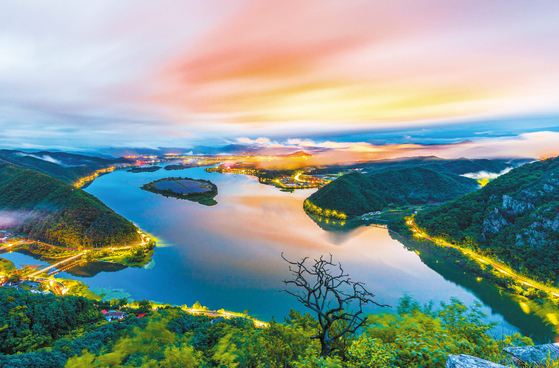
We recommend starting your visit at Dumulmeori, a famous filming location also known as Yangsuri. It’s where the Namhan River and Bukhan River meet, creating a stunning morning mist view that’s a photographer’s dream. The area’s tranquil charm makes it a top photo spot — you’ve probably seen its sunrise scenery countless times on social media. A calm morning stroll here will help you deeply connect with nature’s grandeur.

Yangpyeong is also home to the Yangpyeong Rail Bike, a fun attraction where you pedal along old railway tracks while taking in peaceful countryside views. It doesn’t require any special skills, and you can enjoy tunnels, river views, and refreshing breezes along the way. Chatting and laughing with friends, family, or a partner, you’ll find yourself at the destination before you know it.

For a meal in Yangpyeong, try one of the local restaurants specializing in grilled ribs, trout dishes, or spicy braised chicken stew. Experiencing barbecue smoked over wood fire and side dishes made with vegetables grown on local farms is truly special. After your meal, unwind at a nearby café with dessert and take in the calm rural atmosphere.

Yangpyeong

Chuncheon: Lakeside Views and Local Delights

Known as the “City of Lakes,” Chuncheon is just about an hour away via the ITX-Cheongchun train from Cheongnyangni or Sangbong Stations in Seoul. Surrounded by mountains and lakes, the city offers a relaxing and cozy ambiance. With its scenic views and famous local dishes, Chuncheon promises an enjoyable trip any time of year.

No visit to Chuncheon is complete without tasting its signature dish: dakgalbi (spicy stir-fried chicken). In Chuncheon’s famous Myeong-dong Dakgalbi Street, you’ll find numerous restaurants serving both charcoal-grilled and pan-fried versions. The combination of spicy seasoning, cabbage, potatoes, and chewy rice cakes makes for a hearty and satisfying meal. Pair it with makguksu (buckwheat noodles) for the perfect local culinary experience.

After your meal, take a relaxing stroll around Uiam Lake or the Soyanggang Skywalk to enjoy Chuncheon’s beautiful lakeside scenery. The walking and cycling paths along the water offer peaceful moments that refresh both body and mind. For a dose of nature, head to Gugok Falls, where you can listen to the soothing sounds of cascading water. On sunny days, the interplay of sunlight and mist at the waterfall creates truly stunning photo opportunities.

Chuncheon also appeals to adventure seekers. At Gangchon Leisure Town along the Bukhangang River, you can try bungee jumping or survival games. Another must-try is the Gangchon Rail Bike, where you pedal along riverside tracks surrounded by nature. For those who want more than just sightseeing, enjoy a morning feast of dakgalbi and spend the afternoon challenging yourself with these exciting activities.

Transportation and Itinerary Tips for Seoul Day Trips

Each of these destinations — Gapyeong, Yangpyeong, and Chuncheon — is easily accessible by public transport such as the ITX-Cheongchun train or subway lines, making them ideal even without a car. However, weekends and holidays can get crowded, so it’s wise to book train tickets or accommodations in advance. For a one-day trip, we recommend departing early in the morning, spending your day exploring and dining, and returning to Seoul in the late afternoon or evening.

Because the scenery changes beautifully with each season, check the weather in advance before you go. Spring brings blooming cherry blossoms and fresh greenery; summer shines with vibrant water activities and lush forests. In autumn, the mountains are ablaze with colorful foliage, and in winter, snowy landscapes and local hot springs offer cozy comfort and charm.

Conclusion

The areas surrounding Seoul are filled with captivating destinations that can rejuvenate you, even with just a one-day trip. In Gapyeong, you can immerse yourself in the natural charm of Nami Island, Jaraseom, and water sports. In Yangpyeong, you’ll find tranquility through Dumulmeori, rail biking, and farm experiences. In Chuncheon, enjoy dakgalbi and makguksu before taking a leisurely lakeside walk that melts daily stress away.
Even a brief weekend escape can bring deep relaxation and inspiration. With so many hidden gems close to the city, why not plan your next weekend getaway to Gapyeong, Yangpyeong, or Chuncheon? The combination of stunning scenery, delicious food, and casual outdoor activities will surely fill your body and mind with refreshing energy.

Seoul Day Trip

Webring Newsletter

K-Name Studio: Create your perfect Korean name based on your personality and style.
What’s My K-Beauty Personal Color?
WeBring Service : Provides personalized services to foreigners living in Korea
Exclusive offer: Introducing foreign car rental in Korea, WeBring-SoCar
How to prepare for TOPIK: Your ultimate guide to mastering the Korean proficiency test

Introduction: The Official Way to Prove Your Korean Proficiency

If you’re a foreigner hoping to study or work in Korea, you’ve probably heard of the TOPIK (Test of Proficiency in Korean) at least once. TOPIK is a government-certified exam that objectively evaluates the Korean language skills of non-native speakers and is widely used for academic admission, employment, and even visa applications. However, many learners find the test system, levels, and effective study methods confusing. In this post, we’ll explore in detail how to study for the TOPIK — from exam information to practical study tips.


The History and Basic Structure of TOPIK

TOPIK was first introduced in 1997 and has been held regularly ever since. It originally started under the name “Korean Language Proficiency Test,” but after restructuring, it was divided into two categories: TOPIK I (Beginner–Intermediate) and TOPIK II (Intermediate–Advanced). Currently, proficiency is divided into six levels — Level 1–2 for TOPIK I and Levels 3–6 for TOPIK II.

The exam consists of three sections: listening, reading, and writing. TOPIK I includes only listening and reading, while TOPIK II follows the order of listening, writing, and reading, evaluating one’s essay-writing ability in Korean. The total exam time also varies — TOPIK I lasts about 100 minutes, while TOPIK II takes around 180 minutes. Instead of a pass/fail system, the score determines your level, so it’s advisable to set your target level or score in advance.

prepare for TOPIK


Why Take TOPIK: From Study Abroad and Employment to Personal Growth

To apply for Korean universities or graduate schools, most institutions require a TOPIK Level 3 or higher. Some programs even demand Level 4 or above, so always check in advance. Many foreigners also take the TOPIK to prove their Korean ability for employment purposes, as some companies prefer applicants with Level 4 or higher. Additionally, TOPIK scores can be beneficial when applying for permanent residency, international marriage visas, or Korean citizenship.

Even if you don’t have a specific institutional reason, preparing for TOPIK can serve as strong motivation to finish your Korean studies systematically. For example, setting a goal like “I’ll earn TOPIK Level 5 someday” gives you a clear purpose and helps strengthen all key skills — listening, reading, and writing. Even if you don’t pass, you’ll notice significant progress in your Korean ability throughout the study process.


Getting Started: Prepare for TOPIK, Building a Strong Foundation in Vocabulary and Grammar

When preparing for the TOPIK, the first priority should be to solidify your foundation in vocabulary and grammar. Since most questions — in listening, reading, and writing — rely heavily on vocabulary, exposing yourself to diverse Korean words and expressions through news articles, magazines, or textbooks is key. The official TOPIK website and prep books also include level-specific vocabulary lists, so make sure to master the essential words for your target level.

Grammar must also be studied systemically. For instance, connective endings like “-에 따르면 (according to),” “-(으)며 (and/while),” “-(으)ㄹ수록 (the more…),” and “-기는 하지만 (although)” frequently appear in both listening and reading sections. If you’re aiming for an intermediate or higher level, try writing your own example sentences and seek native feedback (or from a language exchange partner) to ensure accuracy and fluency.


Listening Section Strategies: Real-Life Exposure and Understanding Question Types

The TOPIK listening section includes formats such as dialogues, monologues, and announcements. Some questions mimic news broadcasts or daily conversations, so it’s helpful to get used to diverse speaking styles through Korean dramas or YouTube channels. For example, listening to radio news or podcasts regularly and training yourself to extract key information will help you stay calm and focused during the actual exam.

TOPIK listening questions vary in style. For example, questions like “What is the speaker’s purpose?” or “What will the person do next?” require you to grasp the overall context rather than individual words. Reviewing common question patterns in advance — such as “What is the main point?” or “What should the man do next?” — can be extremely useful for efficient listening comprehension.


Reading Section Strategies: Skimming and Scanning Skills

The reading section includes a wide range of passages — from short letters and announcements to long, complex texts. While TOPIK I mainly covers simple writings, TOPIK II can extend to newspaper editorials, opinion essays, or specialized topics. This makes strong reading comprehension the core of achieving a high score on the TOPIK.

When tackling reading questions, first identify the purpose — what information the question is asking for — then skim the passage for its main idea and scan specific sections for details. Reading every word carefully often leads to running out of time. Instead, train yourself to recognize key information and summarize each paragraph’s main points. This habit will significantly improve your reading efficiency and overall score.


Writing Section Strategies: Logical Structure and Vocabulary Variety

The writing section of TOPIK II is considered one of the most challenging parts of the exam. It includes tasks that require interpreting given data (graphs, tables, etc.) as well as essay-type questions that ask for personal opinions. Completing the required length demands not only language ability but also logical reasoning and structural organization. For example, an essay topic like “Suggest solutions for environmental pollution” should be structured into introduction–body–conclusion with clear arguments and supporting examples.

To strengthen your writing skills, practice writing short essays regularly. Choose a current event or newspaper article and summarize it in around 200–300 characters. Use a variety of connecting expressions like “According to…” or “However, despite…” to improve your flow and cohesion. Getting feedback from a native teacher or language study group will help correct grammatical errors and refine awkward phrasing, which greatly boosts your writing accuracy.


Practice Through Mock Tests and Time Management

One of the most crucial parts of preparing for TOPIK is adapting to the actual test environment. No matter how much theory you study, the real exam has time limits and specific formats, so taking mock tests under timed conditions is essential. Access past questions from the official TOPIK website or textbooks, and practice solving them within the allocated time.

Especially in TOPIK II, where you must complete listening, writing, and reading within a fixed timeframe, efficient time allocation is key. Spending too long on the writing section may leave insufficient time for the reading section. Through practice exams, identify your strengths and weaknesses and develop a strategy to leverage your strongest sections while managing weaker areas effectively during the real test.


Registration and Score Utilization

TOPIK is held not only in Korea but also in major cities around the world. You can take the test at Korean language centers, cultural institutes, or partner universities abroad. Check regional test schedules on the official TOPIK website. Registration usually opens one to two months before the test and is done online via payment.

The score report is typically released about a month after the test and can be viewed online. It includes separate scores for listening, reading, and writing, as well as the total score and assigned level. You can submit this report to institutions that require proof of Korean proficiency. Some organizations also impose a TOPIK score validity period (typically two years), so make sure to verify that in advance.


Conclusion: The True Value of Studying for TOPIK

Ultimately, the TOPIK is more than just a test — it’s an opportunity for learners to master Korean systematically. Since it requires balanced practice in listening, reading, and writing, your overall communication skills improve naturally. Although preparing for the exam may be challenging, the sense of achievement after earning your target level is deeply rewarding.

Moreover, TOPIK serves as an official gateway to studying, working, or living in Korea. For instance, with a Level 4 or higher, you’ll be equipped to understand specialized terminology, follow university lectures smoothly, and communicate effectively in the workplace. Overcoming the language barrier is essential to truly understanding Korean culture — so use your TOPIK journey as an opportunity to fall even deeper in love with the Korean language.

TOPIK Study Guide

Webring Newsletter

K-Name Studio: Create your perfect Korean name based on your personality and style.
What’s My K-Beauty Personal Color?
WeBring Service : Provides personalized services to foreigners living in Korea
Exclusive offer: Introducing foreign car rental in Korea, WeBring-SoCar