
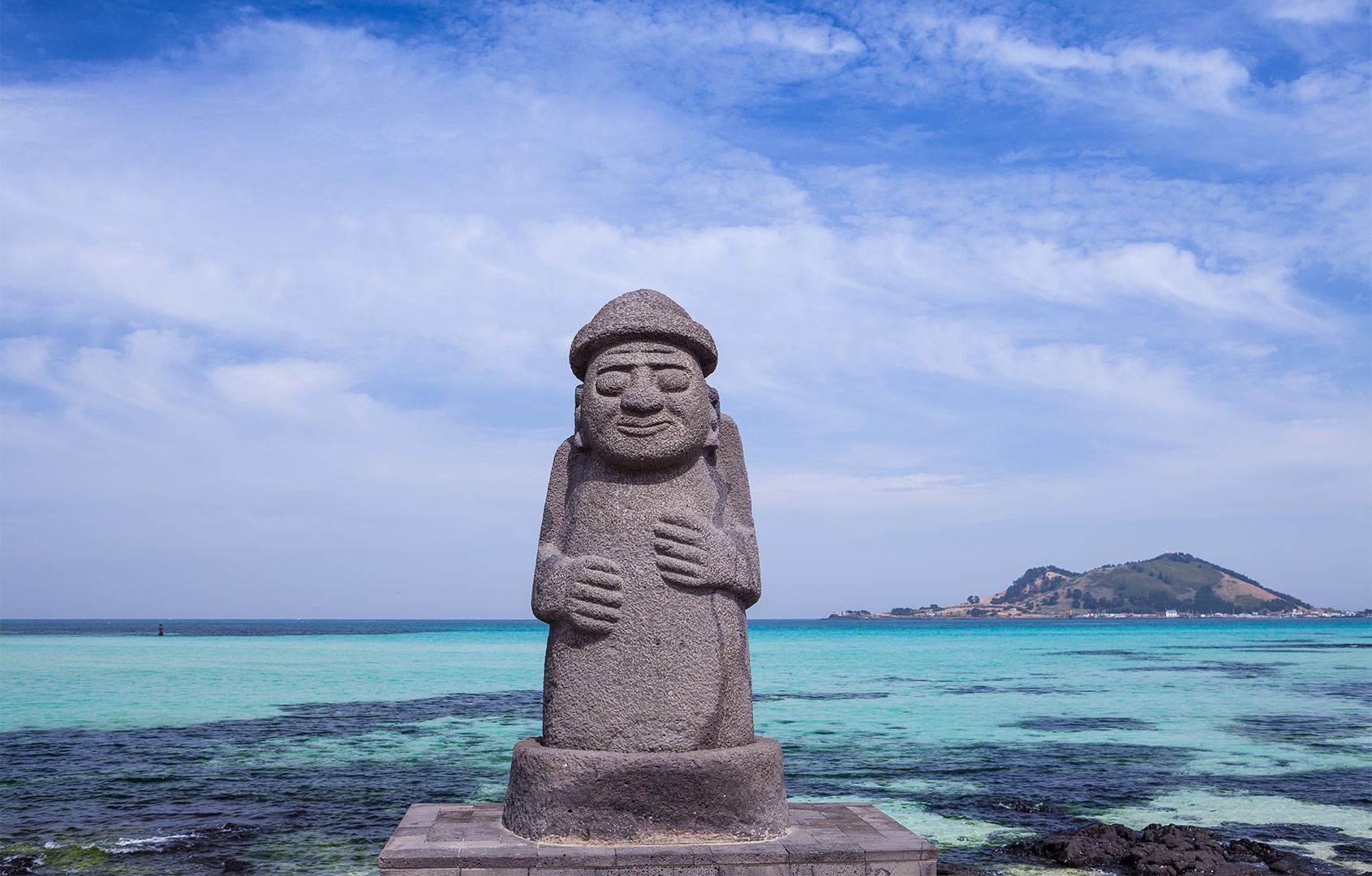
Jeju Travel East West South North: The Ultimate Guide
Jeju Island is Korea’s premier vacation destination and a natural paradise loved by travelers from all over the world. With its vivid blue seas, volcanic cones known as oreum, the majestic Hallasan Mountain, and unique basalt landscapes, Jeju offers scenery you won’t find anywhere else. If you’ve ever wondered, “Can I explore all of Jeju Travel East West South North in just a few days?” – this blog post outlines key highlights and must-see spots across the island’s east, west, south, and north regions. Even on a short trip, you may not be able to take in everything, but with some smart planning, you’ll be able to make the most of your time.
Jeju East: The Land of Sunrises and Nature Experiences
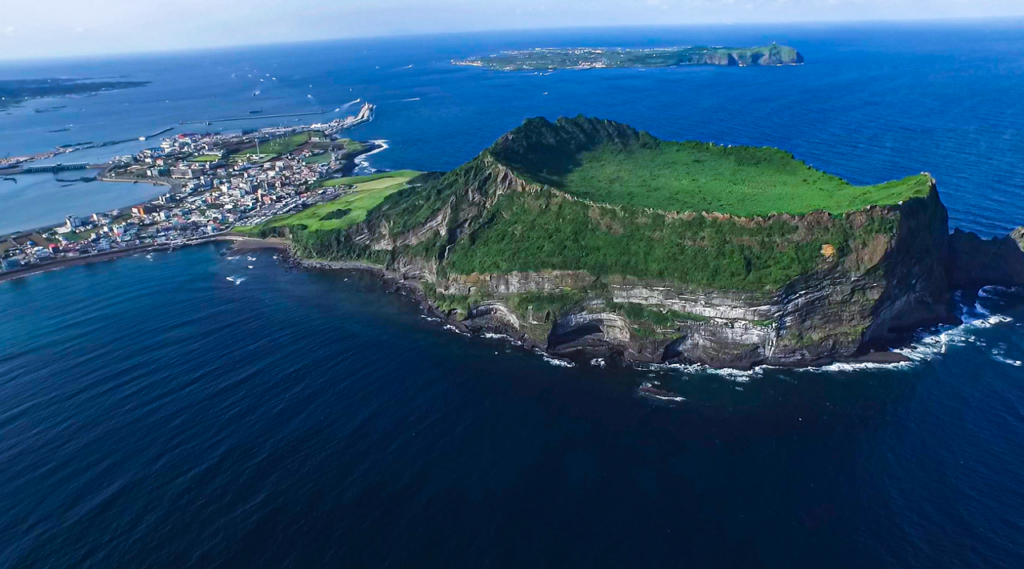
The eastern part of Jeju is synonymous with the iconic Seongsan Ilchulbong, also known as Sunrise Peak. While the early morning wake-up call can be tough, witnessing the sunrise from the summit is a memorable experience. As the sun rises over the volcanic crater, the sky fills with a crimson hue—an unforgettable sight if the weather cooperates.
Just a 15-minute ferry ride from Seongsan is Udo, a small island that boasts emerald beaches, the charming Udobong peak, and cafes famed for their peanut ice cream. The seascape of Seongsan Ilchulbong as viewed from Udo is stunning, and renting a bicycle or electric scooter for a leisurely loop around the island is highly recommended to truly enjoy its relaxing vibe.
As you drive along the east coast road, you’ll discover dramatic sea cliffs and tranquil seaside villages. Particularly noteworthy are Seopjikoji and Gwangchigi Beach, which have served as filming locations for dramas. The combination of black volcanic rocks and crashing white waves offers breathtaking views. Many scenic walking routes await in this area, so bring a good pair of sneakers and take your time exploring.
Jeju West: Starry Skies, Silver Grass, and Art
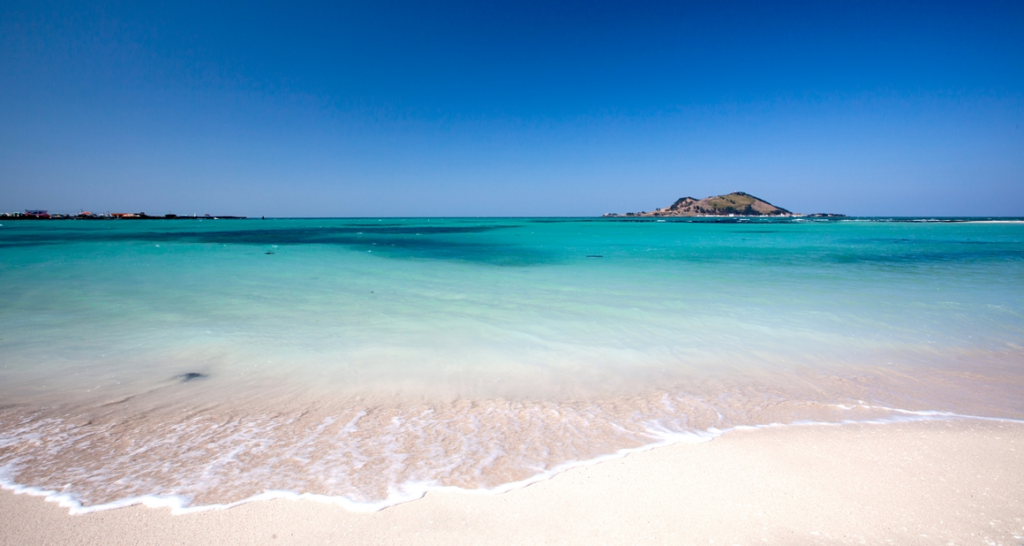
Jeju’s western region offers serene landscapes, far from busy urban areas. Hallim Park, Hyeopjae Beach, and Geumneung Beach stand out with their crystal-clear waters and volcanic rock formations. It’s a great place for a full day of swimming and snorkeling, and in the afternoon, visit a gallery or local café to recharge your artistic senses.
In autumn, the landscape around Saebyeol Oreum is completely transformed by fields of silvery pampas grass, creating one of Jeju’s most iconic and romantic natural scenes. As you hike up the oreum, the mix of rustling grass, expansive fields, and ocean views lets you truly appreciate the raw grandeur of Jeju’s nature. While every season has its charm, fall pampas grass season is particularly enchanting.
The western region is also renowned for stargazing. Fewer lights mean clearer skies perfect for spotting constellations. Camping or glamping beneath a blanket of stars offers a calm, restorative experience—something even foreign travelers frequently highlight as unforgettable. If true relaxation is your goal, don’t miss the western part of Jeju.
Jeju South: Stunning Coastal Roads and Waterfalls
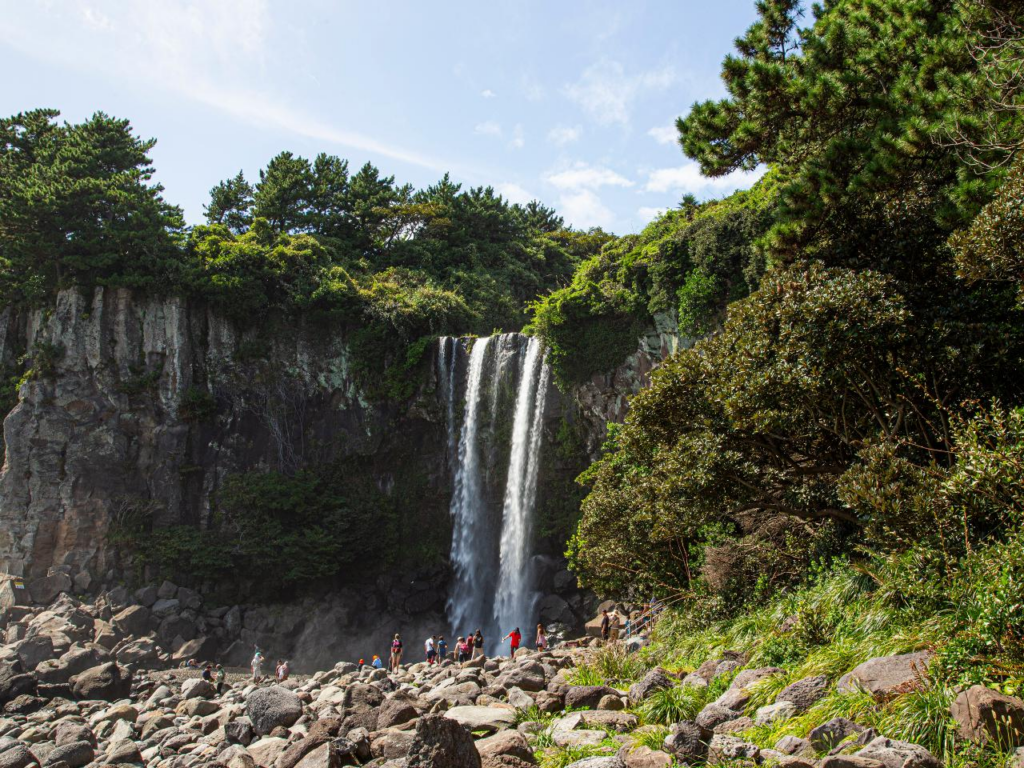
Centered around Seogwipo City, Jeju’s southern region features scenic coastal drives and extraordinary natural beauty. One of its defining landmarks is Jeongbang Waterfall, notable for being one of Asia’s rare waterfalls that drops directly into the sea. Pay a small entrance fee and step inside to enjoy the refreshing mist and the magnificent view.
Namwon Keunung Coastal Scenic Spot, well-known as a film location, combines rugged volcanic cliffs with immense ocean views. Slow down and take a peaceful walk along the coastal trail while listening to the rhythm of the waves. Recently, the area has welcomed stylish cafes and restaurants, ideal for brunches with an ocean view.
The Jungmun Tourism Complex is another must-see. This area is lined with high-end hotels near the beach and includes attractions like the Teddy Bear Museum and Yeomiji Botanical Garden. The white sands and turquoise waters of Jungmun Beach resemble those of world-famous resorts. However, note that this area can get quite busy during peak season, so for a more relaxed vibe, visiting off-season is recommended.
Jeju North: A Glimpse of Old Town and Market Culture
The northern region of Jeju, home to Jeju City, feels more urban and is where transportation and lodging options are most concentrated. It’s an excellent base, especially if you’re arriving or departing via Jeju Airport. Walk the streets of the original downtown around Jungang-ro for a taste of old Jeju’s charm.
Dongmun Market, Jeju’s most famous traditional market, is always bustling with activity. You’ll find fresh local produce, seafood, and unique Jeju specialties. From oranges and Hallabong citrus to omija rice cakes, black pork pancakes, and spicy pork broth noodles, it’s a foodie’s paradise. The market vendors are generally warm and welcoming, offering a great opportunity to experience Jeju’s hospitality.
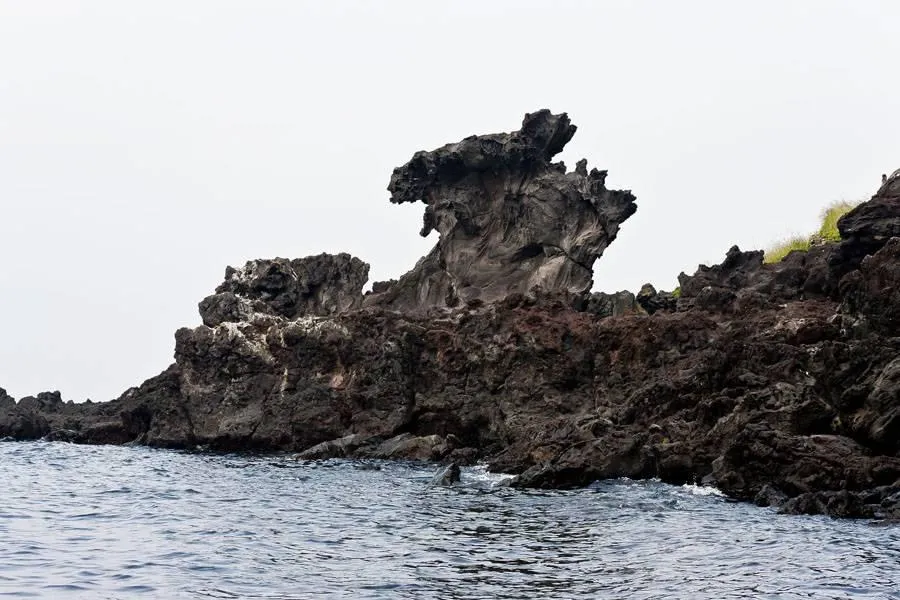
Along the northern coastal road, spots like Yongduam Rock and Iho Tewoo Beach make for ideal scenic strolls. The horse-shaped lighthouse at Iho Tewoo is a favorite photo op, while Yongduam—literally “Dragon Head Rock”—is famous for its dramatic silhouette, especially at sunset.
Travel Logistics and Itinerary Tips
If you’re visiting Jeju on a short trip, renting a car is highly recommended. While public transportation exists, long intervals between buses and limited access to remote attractions can make it difficult. If you’re short on time, driving gives you the freedom to explore more efficiently. However, during peak seasons, expect traffic and limited parking—so consider alternatives like scooters or e-bikes during busy periods.
To fully experience the east, west, south, and north regions of Jeju, you’ll need at least 3 to 4 days. If you’re working with less time, focus on 1 or 2 regions aligned with your interests. For example, if you love photography and nature, choose east and west. If food and local culture are your priorities, opt for the north and south. Mapping out major oreum climbs and beaches as anchor points, and adjusting for indoor options like museums and cafes based on weather, is the best way to design a flexible, satisfying trip.
Seasonal Highlights
Jeju offers unique scenery throughout the year. Spring brings vibrant canola flowers and cherry blossoms that brighten up the entire island. Summer is perfect for water sports like swimming and surfing. In fall, golden rice fields and silver grasses create a warm, romantic atmosphere, while winter reveals the snow-covered beauty of Hallasan Mountain. Each season has its own charm, so timing your trip according to your interests can enhance your overall experience.
Final Thoughts
While this guide breaks Jeju down into east, west, south, and north, even focusing on just one direction can lead to a rich and memorable visit. Whether you’re hiking an oreum, walking along the shore, or chatting with vendors at a traditional market, take the time to absorb Jeju’s authentic charm. Sometimes, the most unexpected views or cozy cafes turn into the most unforgettable parts of your journey.
Jeju is a destination full of landscapes and cultural experiences that are rare anywhere else in the world. Even a short trip can lead you to “your own Jeju,” leaving you longing for a longer return next time. Why not pack your bags and head there now? Somewhere between Hallasan and the sea, a moment you’ll treasure forever awaits.

K-Name Studio: Create your perfect Korean name based on your personality and style.
What’s My K-Beauty Personal Color?
WeBring Service : Provides personalized services to foreigners living in Korea
Exclusive offer: Introducing foreign car rental in Korea, WeBring-SoCar
Explore Korea's mountains — guides in your language
Courses, transport and seasonal tips for 30 mountains, from Bukhansan to Hallasan, available in 11 languages. Pick up essential travel Korean and find events for the global community, too.


