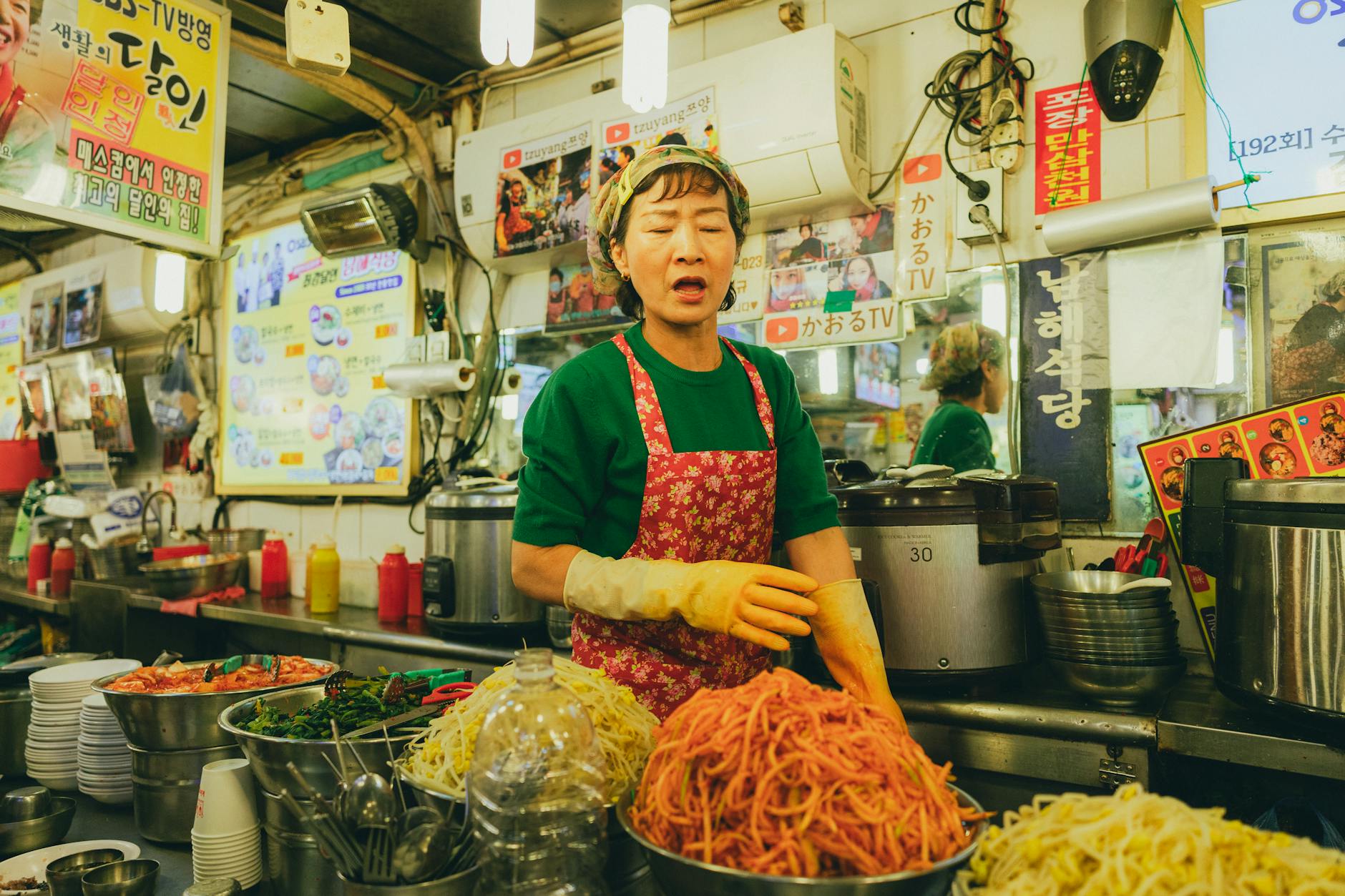
Hidden Small-Town Getaways: Discover Secret Spots in Korea

No matter how fascinating a city may be, once it becomes too famous, the thrill of travel inevitably fades. If you want to escape the hustle and bustle of urban life and relax in nature, small-town travel could be your answer. In this article, titled “Hidden Small-Town Getaways: Secret Spots in Gangwon-do and Jeolla-do,” we’ll introduce some lesser-known yet beautiful rural villages and alleys. These are local-only hideaways where few tourists visit, allowing you to enjoy peace and quiet. We’ve also included transportation and lodging tips, so let’s find your perfect “true healing destination,” whether you’re traveling solo or with company.


Gangwon-do: Serenity Where Mountains Meet the Sea

1) Yongdaeri, Inje – The Charm of a Deep Mountain Village

Inje County in Gangwon-do is known for sites like Baekdamsa Temple and Bangtaesan Alpine Botanical Garden, but smaller villages like Yongdaeri remain relatively undiscovered by the public. Clear streams and lush forests make this area perfect for cooling off in mountain valleys in summer and enjoying brilliant autumn foliage in fall. Increasingly, travelers are spending nights at small local pensions, enjoying barbecues or campfires under the stars.

To reach Yongdaeri, take a bus from Seoul’s East Terminal to Inje, then transfer to a local bus or taxi. Traveling without a car can be slightly inconvenient, but that’s part of the charm—it means the natural environment is untouched and pristine. Visitors can enjoy fishing, swimming in valleys, or even spotting wild animals native to the mountains if they’re lucky.

Yongdaeri, Inje, Hidden Small-Town Getaways

2) Neukguri Beach, Samcheok – The Quiet Charm of the East Sea

When people think of East Coast travel, Gangneung, Sokcho, or Yangyang usually come to mind, leaving Samcheok as a less visited gem. Located outside Samcheok’s city center, Neukguri Beach is even quieter, mostly frequented by locals on weekends. It has gentle waves, clean sand, and a laid-back atmosphere, making it ideal for couples or families seeking relaxation.

Several small cafés and guesthouses line the area, and according to one local innkeeper, only occasional fishing guests visit in spring or autumn, leaving the beach fairly calm even in summer. Reading a book or watching the sunrise here will make you forget city life completely. It’s about a 20-minute taxi ride from Samcheok Express Terminal, but since public transportation is limited, it’s best to check schedules in advance.


Jeolla-do: Villages That Blend Tradition and Slow Living

1) Palyongsan, Goheung – A Night Under the Stars

Located on Korea’s southern coast, Goheung is widely known for its space center and coastal landscapes, but the small villages around Palyongsan Mountain remain off the beaten path. Palyongsan’s gentle slopes attract family hikers, yet it’s still relatively untouched by heavy tourism. At the foot of the mountain, you can experience the warmth and generosity characteristic of rural Jeolla communities, and if you’re lucky, enjoy seasonal seafood meals with your host family.

The night sky here is remarkable—free from urban light pollution, stars shine vividly. Some visitors say they’ve even seen the Milky Way while strolling along quiet country paths. Buses from Goheung Terminal to Palyongsan run several times a day, so even without a rental car, you can get there with a bit of planning.

Palyongsan, Goheung

2) Changpyeong Slow City, Damyang – The Ease of a Slow Step

Damyang is famous for attractions like Juknokwon Bamboo Forest and the Metasequoia Road, but “Changpyeong Slow City” is still relatively undiscovered. Certified for its slow food and slow lifestyle, this town allows visitors to experience traditional Korean practices like brewing rice wine, making soy sauce, or crafting tofu at local farms. True to its slogan, “Slow Food, Slow Village,” instead of rushing around, visitors spend hours immersing themselves in the rhythm of rural life.

Food lovers, especially fans of Jeolla cuisine, will cherish this region. Grandma-cooked noodles, fermented soybean stew, and rice syrup have a rich flavor rarely found in cities. Through hands-on workshops, visitors can make their own sauces and rice wine, learning the roots of traditional Korean home cooking. It’s about 20 minutes by car from Damyang Bus Terminal, and since some farms operate on reservations, inquiries in advance are recommended.


Travel Tips: Transportation, Lodging & Local Interaction

Transportation: Though Tricky Without a Car…

Public transportation can be limited in small towns—sometimes only two or three buses run daily, and taxis might be scarce. To prepare, consider renting a car or checking intercity bus schedules thoroughly. You can also ask your lodging host for a pickup service upon arrival; some local inns or farm stays happily provide terminal transfers by arrangement.

Lodging: Choosing a Guesthouse or Local Stay

In smaller towns, you’re more likely to find guesthouses and homestays than hotels or resorts. These places offer direct communication with locals who can suggest restaurants and sightseeing routes. While facilities may be simpler than in city hotels, the warm atmosphere enhances your overall travel experience. Reservations are usually made by phone or social media, though platforms like Airbnb or Yanolja now list some small-town lodgings too.

Connecting with Locals

In rural villages, locals often greet visitors first. Even if you don’t see English signs, a simple Korean phrase like “Annyeonghaseyo” (Hello) or “Gamsahamnida” (Thank you) goes a long way, and translation apps can help bridge language gaps. Try chatting with locals at small markets or eateries—you might uncover hidden trails or scenic spots not listed in guidebooks just by asking, “Is there a pretty walking path nearby?”


The Charm and Benefits of Small-Town Travel

1) Quiet Atmosphere and Connection with Nature

In major tourist destinations, even taking a simple selfie means dozens of strangers in the background. Small-town destinations, on the other hand, offer solitude and space to fully embrace the scenery. In Gangwon’s mountain valleys, you can read to the sound of flowing streams; in Jeolla’s countryside, you can walk between rice fields in peaceful contemplation.

2) Genuine Interaction with Locals

Witnessing authentic local life—something you can’t experience in big tourist hubs—is another highlight of small-town travel. You might see villagers preparing meals with homegrown vegetables or drawing water from a shared village well in the morning. These warm interactions offer a deep, human understanding of Korea’s rural culture.

3) Easier on the Budget

Small-town travel is often more affordable than visiting major tourist spots. Guesthouse stays and meals are cheaper, and there are usually fewer paid attractions. While transportation might take longer or cost a bit more, the overall experience is simple, economical, and refreshing.


Hidden Small-Town Getaways Conclusion: Discover the True Korea in Its Small but Radiant Towns

Exploring hidden small towns in Gangwon-do and Jeolla-do is like rediscovering yourself beyond the rush of city life. Though you won’t find massive shopping malls or flashy tourist attractions, you will encounter raw, genuine scenery and the daily rhythms of local people. The mornings here are crisp like nowhere in a city, and the warm “Where are you from?” greetings from villagers leave a lasting impression.

Yes, transport and accommodation might be a bit inconvenient, but that small inconvenience often adds to the adventure. Asking for directions on unfamiliar roads, buying local snacks from a tiny store, and admiring sunset over the farmlands—these simple moments collectively form unforgettable travel memories. Just as the phrase “hidden small-town travel” suggests, you might be tempted to keep these gems secret. Yet part of you may also want to share these places so that more people can witness Korea’s authentic beauty.

Ultimately, travel is not just about sightseeing—it’s about meeting new air, cultures, and people, expanding your world. The small towns of Gangwon-do and Jeolla-do offer exactly that kind of expansion. So if you crave a deep breath away from routine this weekend or during your next holiday, point to one of those tiny dots on the map and go. At the end of that unfamiliar rural road, you might just discover a side of Korea you never knew existed.

Small-town travel in Korea

WeBring Service : Provides personalized services to foreigners living in Korea
Exclusive offer: Introducing foreign car rental in Korea, WeBring-SoCar

Myeongdong vs. Hongdae: Choose Your Seoul Food Adventure

When planning a trip to Seoul, one of the most common questions is, “What should I eat and where?” Among the city’s many districts, Myeongdong and Hongdae are the top contenders that come to mind for both local and international visitors. They’re lively areas packed with shopping, culture, and amazing food. Myeongdong is famous as a traditional shopping hub loved by foreign tourists, while Hongdae has long been recognized as a hotspot for young, creative, and artistic energy.

Both areas boast countless restaurants and cafes, often leaving travelers happily debating, “Myeongdong vs. Hongdae – which should I choose?” In this article, we’ll compare the dining scenes and atmospheres of these two areas, helping you decide which one best suits your travel style.


Myeongdong: The Mecca of Multicultural Shopping, Korean Food, and K-Beauty

Myeongdong is a shopper’s paradise filled with glittering signboards, global fashion brands, and numerous Korean cosmetics shops. As foreign tourists make up a large portion of visitors, you’ll often hear English, Chinese, and Japanese on the streets. Many restaurants offer multilingual menus to cater to different nationalities. Walking through the district, you’ll see stretches of K-beauty stores with staff handing out free samples—a hallmark of the Myeongdong experience.

When it comes to food, Myeongdong is a fantastic place to sample a wide range of global cuisines. In addition to traditional Korean restaurants, you’ll easily find Chinese, Japanese, and Western-style eateries—perfect for mixed groups or tour parties. For classic Korean street snacks, Myeongdong also delivers: you’ll find hotteok (sweet pancakes), bungeoppang (fish-shaped pastries), and tteokbokki (spicy rice cakes) on nearly every corner.


Top Myeongdong Restaurants: Kalguksu, Hot Pots, and Global Chains

Myeongdong offers an impressive range of options—from long-standing family-run establishments to sleek international chain restaurants. One of the most famous is “Myeongdong Kyoja,” known for its delicious handmade kalguksu (knife-cut noodles). The rich broth, thick noodles, and flavorful dumplings create an addictive taste, thanks to its signature hint of garlic. It’s a must-visit spot even for first-time visitors to Korea.

The bustling alleyways of Myeongdong are also filled with Korean restaurants that serve bulgogi, bibimbap, and various hot pot dishes. Inside department stores and shopping malls, you’ll find global steakhouses, sushi bars, and dessert cafes—ideal for families or groups with diverse tastes. One strong appeal of Myeongdong is that while you can explore authentic Korean food, there are plenty of familiar alternatives in case you’re adjusting to local flavors.

Myeongdong Kyoja


Hongdae: The Street of Youth and Indie Culture

Centered around Hongik University, Hongdae exudes a youthful, creative vibe filled with street performances, galleries, and lively club scenes. Artists, musicians, and designers gather here, creating an atmosphere brimming with individuality. Its food scene reflects this spirit—you’ll find experimental fusion restaurants, international eateries, and cozy craft beer bars scattered throughout the neighborhood.

Walking through Hongdae, you’ll encounter colorful graffiti, buskers, and outdoor performances that make visitors feel the pulse of “young Seoul.” Though it traditionally attracts more locals than tourists, the number of foreign visitors seeking to experience local youth culture has increased significantly. Many restaurants and cafés go viral on social media, with long lines forming outside of trendy must-try places.

Myeongdong vs. Hongdae


Top Hongdae Eats: Fusion Cuisine, Cafes, and Street Food

Hongdae is packed with creative fusion restaurants combining Korean and Western flavors, as well as international spots specializing in burgers, tacos, or Southeast Asian dishes. With students and young professionals as the main customer base, the area’s restaurants focus on affordability and originality. It’s not uncommon to come across fun hybrid dishes like kimchi cheese fries or bulgogi tacos.

The café culture in Hongdae is just as vibrant. From major chains like Starbucks to charming independent coffee shops, every alley offers unique experiences for “café hopping” enthusiasts. Many feature K-pop tracks, local art exhibits, or themed concepts, creating fresh cultural encounters. Street snacks such as waffles, fried treats, and toasted sandwiches are popular, while numerous bars and lounges stay open late—perfect for a casual “pub crawl” night.


Choosing Based on Atmosphere and Travel Goals

So, which should you choose—Myeongdong or Hongdae? It depends on your purpose and preferred atmosphere. If it’s your first time in Korea and you want to explore traditional Korean cuisine along with convenient shopping, Myeongdong is ideal. With plenty of English-friendly restaurants and compact shopping streets, it’s easy to plan your day efficiently.

On the other hand, if you’d like a more local, creative vibe with cutting-edge food and nightlife, then Hongdae is your spot. For those who enjoy trendy fusion menus, artsy cafes, and youthful bar scenes, exploring Hongdae’s streets will be especially rewarding. And if art and music fascinate you, the area’s street performances and club culture are a bonus you won’t want to miss.


How to Enjoy Both: A Synergized Travel Plan

Thanks to Seoul’s excellent subway network, it’s entirely possible to visit both Myeongdong and Hongdae in one day. For instance, you can start the morning in Myeongdong, touring nearby attractions such as Namsan Tower or Myeongdong Cathedral and enjoying some shopping. Then, head to Hongdae in the afternoon or evening for dinner, café hopping, and perhaps a live performance. Getting from Myeongdong to Hongdae is easy via subway Line 2 (transfer at Euljiro 1-ga Station) or by bus. With a well-planned schedule, it can be a perfect one-day tour route.

For example, you could enjoy kalguksu or bulgogi for lunch in Myeongdong, then head to Hongdae for exotic fusion cuisine or a craft beer dinner before experiencing the nightlife. Weekend evenings tend to be crowded in both areas, so plan extra travel time and be prepared for possible waiting lines at popular restaurants.


Budget, Crowds, and Post-Dinner Plans

Myeongdong’s upscale hotels, shopping malls, and tourist-driven stores can make prices slightly higher than other areas. In contrast, Hongdae serves a younger crowd—students and early-career professionals—so food and shopping options come in a wider range of price points. While some popular restaurants may be pricey, the variety offers flexibility according to your budget and taste.

It’s also smart to plan your post-meal activities. In Myeongdong, you can continue exploring the shopping streets for cosmetics, fashion, or accessories, then head to Namsan Tower for a night view. In Hongdae, it’s common to stroll around watching street performers or visit music bars, clubs, and art spaces. You might even stop by a vintage bookstore or craft shop for a uniquely “Hongdae-style” evening.


Conclusion: The Two Faces of Seoul’s Gastronomy – Enjoy According to Your Taste

Myeongdong and Hongdae each showcase distinct yet equally captivating sides of Seoul. Myeongdong offers a global mix of shopping, Korean cuisine, and international dining with a clean and organized atmosphere. Hongdae, by contrast, thrives on indie music, art, and experimental dining scenes full of creativity and energy. Both guarantee a vibrant culinary adventure, but choosing based on your personal style and goals will ensure the best experience.

Visiting both districts can also be rewarding. First-time travelers can experience authentic Korean food in Myeongdong, then embrace café culture and street food freedom in Hongdae. Seoul is a city where shopping meets art and tradition blends seamlessly with modernity—so plan your trip flexibly to match your mood and interests.

Ultimately, the “Myeongdong vs. Hongdae” question isn’t about choosing one over the other—it’s about discovering Seoul’s diverse character through both. For anyone dreaming of an exciting trip to Seoul, may your journey through Myeongdong’s flavors and Hongdae’s creative energy become an unforgettable part of your travel story. Indulge your five senses on a culinary adventure through the streets of Seoul, where delicious food, lively culture, and new discoveries await!

Myeongdong and Hongdae restaurants

WeBring Service : Provides personalized services to foreigners living in Korea
Exclusive offer: Introducing foreign car rental in Korea, WeBring-SoCar

A Day in Jeonju Hanok Village: Your Ultimate Travel Guide

Jeonju is widely recognized as the “City of Taste” and a center of traditional culture in Korea. Among its many attractions, Jeonju Hanok Village stands out with hundreds of traditional Korean houses clustered together, creating an exceptional space where every alley is filled with historical charm and old-world atmosphere. If you are a foreign visitor on a short trip to Korea, spending a day in Jeonju Hanok Village—so different from Seoul’s sleek cityscape—will be a truly meaningful experience. Here, you can stay in a traditional Korean house called a hanok, enjoy a variety of street foods, and immerse yourself in engaging art and cultural experiences. In this article, under the theme of “A Day in Jeonju Hanok Village,” we will introduce how to plan your itinerary, explore the area efficiently, and highlight must-see attractions you shouldn’t miss.

First Encounter: Tranquil Alley Views and the Beauty of Hanok Architecture

As soon as you arrive in Jeonju Hanok Village, you’ll be greeted by a breathtaking sight of endless rows of elegant tiled roofs. Walking through the alleys feels almost like stepping back in time to the Joseon Dynasty. While modern cafés and restaurants line the entrance, just a few steps deeper into the village, the stone walls, wooden gates, and travelers in traditional hanbok seamlessly blend to amplify the unique, nostalgic charm of the Hanok Village.

One of the joys of visiting is observing the distinctive structure and design of hanok houses. Traditional Korean hanok are built to harmonize with nature, allowing air to circulate freely. Their graceful curves and exposed wooden textures—rather than ornate decorations—create their understated elegance. As you stroll through the alleys, you might glimpse small courtyards beyond stone walls, where the boundaries between living space and nature blur beautifully. Simply walking around Jeonju Hanok Village can bring a sense of calm and visual serenity to anyone who visits.

Jeonju Hanok Village

Hanbok Rental and Traditional Experience Programs

There are plenty of opportunities to rent and wear a hanbok in Jeonju Hanok Village. Numerous rental shops allow visitors to choose from various designs and colors. For many international travelers, trying on a hanbok for the first time is a truly unique cultural experience. Once dressed, every corner of the village transforms into a natural photo spot—the combination of hanbok and the old hanok backdrop makes for perfect keepsake photos.

Many visitors say that wandering through the village in a hanbok feels like becoming a noble or royal from centuries past. Some even rent traditional wedding or aristocratic costumes for a more striking look. If you visit historic landmarks such as Gyeonggijeon Shrine, Omokdae, or Hyanggyo while wearing hanbok, your trip becomes even more immersive and memorable.

Traditional craft workshops such as hanji (traditional paper) art, pottery making, and tea ceremonies are also available here. If time permits, booking a session in advance can be a rewarding experience. For instance, you can make bookmarks or fans with hanji, or craft small teacups at a pottery studio. These hands-on experiences offer a glimpse into the craftsmanship and artistic spirit that have been passed down for generations—one of the many reasons Jeonju Hanok Village is so captivating.

Food Paradise: From Bibimbap to Street Snacks

When people think of Jeonju, they immediately think of “Jeonju Bibimbap.” This signature Korean dish, a nutritious mix of rice, vegetables, beef, egg, and gochujang (chili paste), has long been loved as a wholesome meal. Around the Hanok Village, you can easily find restaurants specializing in bibimbap and other traditional dishes, making it a must-try. Be sure to enjoy the side dishes and bean sprout soup that often accompany the meal—they are just as delightful and flavorful.

As you stroll through the alleys, you’ll encounter countless street food stalls. Handcrafted choco pies, dumplings, hotteok (sweet pancakes), and omija juice are just a few of the tempting snacks waiting to be discovered. Creative fusion foods like the famous “Jeonju Cheese Bomb Hotteok” are also worth a try. Since Jeonju is renowned for its abundant culinary scene, plan your visit with some empty stomach space—you’ll want room to taste as many delights as possible.

Where History Meets Art: Gyeonggijeon Shrine and Traditional Performances

At the heart of Jeonju Hanok Village lies Gyeonggijeon Shrine, which houses the portrait of King Taejo, the founder of the Joseon Dynasty. Its stately stone steps and wooden architecture exude a sense of majesty distinct from the rest of the village. Exploring Gyeonggijeon offers a meaningful way to reflect on Korea’s royal heritage while its spacious grounds provide a peaceful place for a quiet stroll among well-kept trees and plants.

If you’re lucky, you might catch a traditional performance or gugak (Korean music) concert taking place within the Hanok Village. On weekends or during festivals, the streets come alive with pansori (folk singing), samulnori (traditional percussion), and graceful Korean dance—each performance filling the air with energy and excitement. To make the most of your visit, check the festival schedule in advance to experience these artistic moments firsthand.

Traditional Hanok Stay: Sleeping Amid the Scenery of Jeonju

To fully embrace the charm of Jeonju Hanok Village, spending a night in a hanok is highly recommended. Many hanok guesthouses today have been beautifully remodeled, preserving traditional elements while offering modern amenities. As you sit in a warm ondol room (heated floor) and gaze at the tiled roofs outside the window, you’ll feel time blend seamlessly between past and present.

When night falls, the village takes on a completely different aura. As shops close, the peaceful stillness is softly illuminated by lights reflecting off the tiles, adding to the village’s allure. Staying overnight allows you to savor this quiet beauty—the same streets bustling by day turn tranquil and magical by night. Waking up at dawn to birdsong and enjoying a warm cup of tea by the window is a rare and peaceful luxury you won’t easily forget.

Conclusion: A Heartwarming and Relaxing Day in Jeonju

Jeonju Hanok Village is more than just a tourist destination—it is a living showcase of Korea’s traditional beauty, rich cuisine, and dynamic cultural heritage. Spending a day here reveals a fascinating harmony between past and present, as the nostalgic atmosphere of hanok alleys meets the creativity of modern interpretations. For foreign visitors, it’s a rare chance to witness how Koreans once lived; for locals, it’s an opportunity to rediscover the sentimental charm of Jeonju.

Even if your stay is short, planning ahead by researching restaurants, cultural programs, and accommodations will help you make the most of your visit. Wandering spontaneously through the alleys can be wonderful, but knowing a few must-visit spots in advance allows for a richer experience. Spend your daytime strolling across streets where old meets new, and your evening cozied up in an ondol room within a traditional hanok. Your trip to Jeonju Hanok Village will surely be remembered as a heartwarming and leisurely day well spent.

A Day in Jeonju Hanok Village

WeBring Service : Provides personalized services to foreigners living in Korea
Exclusive offer: Introducing foreign car rental in Korea, WeBring-SoCar

Certification for Foreigners in Korea: A Comprehensive Guide

Is it possible for certification for foreigners in Korea? Foreign professionals working in South Korea are building their careers across various industries and environments while exploring new opportunities. However, if they are still unfamiliar with the Korean job market or workplace culture, they may feel the need to prepare more to strengthen their competitiveness. In such cases, obtaining certifications in Korea and creating a structured learning plan for skill development can be extremely helpful.

There are countless certification systems and educational programs available in Korea, and how you choose and utilize them can significantly influence the speed and scope of your career growth. It’s important to clearly define your field and career goals in order to develop your capabilities efficiently without redundant investments. For example, a foreigner working in the IT industry may consider certifications like the “Information Processing Engineer” or international cloud certificates, while someone in the education sector may aim for the “Korean Language Teacher Certificate.”

The main challenge, however, is that there are so many certifications and learning contents to choose from that it can feel overwhelming. On top of that, balancing study time with busy work schedules can be difficult. In this article, we will introduce examples of valuable certifications for foreign professionals in Korea and share effective learning strategies for upgrading your skills efficiently.

Among the most well-known certifications in Korea are those related to computerized accounting or tax management. These certifications can be appealing to professionals aiming to transfer to finance or accounting departments, or those who want to enhance their personal financial knowledge. For foreigners, dealing with economic matters in Korea requires understanding not only the language but also institutional features, and studying for these certifications can naturally lower those barriers.

In the IT field, technical certificates such as “Information Processing Engineer” or “Network Manager” are also popular. Even non-Korean nationals can obtain these if they have relevant experience and sufficient Korean reading comprehension skills. The main issue, however, is that most national technical qualification exams are conducted in Korean, so a solid understanding of professional terminology and reading ability is essential to pass.

If you already have internationally recognized certifications, you may not need to pursue overlapping Korean ones. For instance, in programming or cloud technology, holding global certificates like AWS or Azure may often be more valued in practice than local ones. Therefore, it’s crucial to discern which certification—domestic or international—truly serves your career needs. That said, having Korean certifications can still positively impact performance evaluations or promotions at Korean companies, so it’s worth considering them as additional advantages.

That doesn’t mean you should take every exam available. Some certifications that are difficult for foreigners to acquire include practical tests or interviews conducted in Korean, which can be burdensome. It’s wise to evaluate in advance how much the certification will actually be applicable in your job and whether it has long-term value. For instance, the “Licensed Real Estate Agent” license may be attractive if you plan to work with foreign investors or residents in real estate, but otherwise, the time and cost investment may not be worthwhile.

Using Learning Resources and Online Platforms for Skill Improvement

Korea offers a wide variety of online learning platforms provided by public institutions and private education companies. These platforms offer professional training courses and certification prep classes that busy professionals can access during their commute or weekends. In particular, K-MOOC (Korean Massive Open Online Courses) provides many free courses, making it a great way to get started without financial burden. However, note that not all courses offer multilingual subtitles for foreigners, so improving your Korean proficiency to some extent could be beneficial.

Another good approach is to actively utilize in-company education systems. Some large corporations or IT companies run online lectures, seminars, and study groups for their employees, and foreign staff are often equally eligible to participate. These in-house programs directly align with company needs and can have a positive impact on job performance. Joining corporate clubs or study groups can also enhance learning outcomes, as sharing knowledge and exchanging feedback with peers is far more effective than studying alone.

If you’re not yet fluent in Korean, consider taking courses conducted in other languages. Global online education platforms such as Udemy, Coursera, and edX offer courses in IT, business, and marketing—with completion certificates available. However, before enrolling, it’s recommended to check whether the course content matches the skills valued by Korean companies or society. Otherwise, you might end up studying diligently but gaining little advantage for your career development if the program does not directly connect to recognized certifications or frameworks in Korea.

Exam Preparation Strategies and Time Management Tips

For working professionals, the most crucial factors in exam preparation are time management and physical stamina. For foreigners, language barriers add another layer of challenge, consuming extra energy just to interpret questions. Therefore, it’s essential to plan ahead on how to allocate study time during weekday evenings and weekends. For example, you can focus on theory for 30 minutes to an hour on weekdays and dedicate weekends to solving problems or taking mock exams.

Practicing with as many previous exam questions as possible is one of the most effective ways to improve your chances of passing. If your Korean reading skills are not yet fluent, it may be difficult to manage time during the test, so start by translating questions or listing key terms. When the workload feels overwhelming, joining a study group or engaging with online communities and forums can help maintain motivation. Once you gain confidence in solving problems, practice completing the exam within the time limit. Since reading Korean passages can take longer, improving your reading speed beforehand will help you stay calm during the actual test.

It’s also wise to check whether the certification you’re pursuing could affect your visa extension or change of employment visa. Certain professional certifications (such as E-5 or E-7 categories) are recognized or prioritized for specific visa types. Knowing this can boost motivation beyond simply passing the test, as it could provide additional benefits when applying for a visa status change after certification.

Case Study: How a Thai Professional Named A Successfully Shifted Careers with a Korean Language Teaching Certificate

A, a professional from Thailand, started exploring a new career path while working in an administrative role after graduating from a Korean university. After seeing friends teach Korean to foreign learners, A developed an interest in education and decided to pursue a Korean Language Teacher Certificate. However, the certification required in-depth knowledge of subjects such as Korean linguistics and teaching methodology—all conducted in Korean—which was initially challenging. A dedicated about two hours each evening after work to attend online lectures and joined a study group on weekends to practice teaching demonstrations and gain valuable experience.

After more than a year of preparation, A successfully obtained the certificate and later secured a position as a Korean language instructor at an international exchange center. This new role allowed A to use language skills more extensively and enjoy the satisfaction of teaching foreign students directly. A shared, “At first, the Korean language itself felt like a huge barrier, but once I became certified, I gained recognition as a professional in the field,” and mentioned plans to pursue additional instructor certifications or a master’s degree. This story shows that earning a certification can be more than a line on a résumé—it can open the door to a complete career transformation.

Conclusion: Certification for Foreigners in Korea, Set Clear Goals and Focus on Practical, Career-Connected Learning

For foreign professionals, obtaining a certification in Korea can be quite challenging due to language barriers and unfamiliar exam formats. However, if you choose certifications aligned with your current industry or those that can help you pivot to a new career, your efforts can yield significant synergy effects. Stay consistent with your studies while managing your time and physical wellbeing, and make the most of available resources such as online courses, internal training programs, and study groups.

Rather than focusing solely on “passing the test,” it’s more valuable to appreciate the professional knowledge, networking opportunities, and confidence you gain throughout the process. For foreigners seeking recognition at Korean workplaces—or aiming to branch out into new fields—consider acquiring the right certifications and planning your skill-building journey ahead. Remember, the doors to career advancement open proportionally to the effort you invest, so set clear goals, stay persistent, and continue moving forward toward your career growth.

Certification for Foreigners in Korea

WeBring Service : Provides personalized services to foreigners living in Korea
Exclusive offer: Introducing foreign car rental in Korea, WeBring-SoCar

Explore Busan Seafood Markets: A Guide to the Best Seafood Experiences

Busan is South Korea’s second-largest city and the leading maritime hub of the southeastern region. While famous attractions like Gwangandaegyo Bridge and Haeundae Beach draw countless visitors, it’s the city’s abundant seafood that truly defines Busan’s identity. The easy access to fresh and diverse marine products is a source of great pride for locals. If you’re planning a trip to Busan, make sure to visit one of its vibrant seafood markets to experience the city’s rich sights, sounds, and flavors firsthand. In this post, we’ll explore some of Busan’s most representative seafood markets and what to see and eat at each one.


Jagalchi Market: The Symbol of Busan’s Seafood Scene

When you think of Busan’s seafood markets, Jagalchi Market is undoubtedly the first that comes to mind. As one of Korea’s largest fish markets, it spans a vast area filled with a wide variety of live fish, shellfish, shrimp, octopus, and seaweed. Located near Busan Port, freshly caught seafood arrives at dawn every day, ensuring unmatched freshness and quality.

As you stroll through the market’s bustling aisles, you’ll hear lively “ajimae” (a local term for “aunties” or middle-aged women) cheerfully calling out to customers with great deals. Just walking past the stalls fills the air with the scent of the sea and a sense of liveliness—as if you’re exploring a grand museum of marine life. One of Jagalchi’s unique experiences is purchasing live fish and having it prepared at a nearby restaurant on the spot. You can ask for sliced sashimi or spicy fish stew, allowing you to enjoy a hearty, ultra-fresh seafood meal right there at the market.

Jagalchi Market


Bupyeong Kkangtong Market: From Fusion Seafood to Korean Street Snacks

Busan’s marketplace culture is incredibly rich, with over 20 major traditional markets across the city. Among them, Bupyeong Kkangtong Market stands out not only for its seafood but also for its diverse street foods and merchandise. The name “Kkangtong,” meaning “can,” comes from the market’s postwar history when army goods and canned products were sold here. Today, it’s better known for Busan-style tteokbokki, fish cakes, and seafood skewers that delight both tourists and locals alike.

If your focus is on seafood, head to the market’s seafood street-food section. There, you can easily grab quick bites like boiled octopus, fried squid, or spicy stir-fried baby octopus. It’s the perfect place to enjoy local flavors while exploring the lively market streets. With the mix of the distinctive Busan dialect, cheerful vendors, and energetic atmosphere, visitors can enjoy a truly authentic “local experience.”

Bupyeong Kkangtong Market


Gijang Coast: Seaweed, Kelp, and Coastal Vibes

If you’d like to escape the city center, head toward the coastal towns of Gijang County in northeastern Busan. Gijang has long been famous for its quality seaweed and kelp. As you drive along the shoreline, you’ll find many “Gijang Seaweed & Kelp Direct Sale Stores” where you can browse everything from dried sea vegetables to local sauces and fermented seafood.

Gijang is also renowned for its grilled hagfish, especially along the “Eel Alley,” where smoky aromas fill the air. The chewy yet tender texture combined with the charcoal grill flavor makes it a local favorite. If you’re feeling adventurous, Gijang’s coastal restaurants serve a variety of seafood barbecue dishes that offer a premium yet authentic taste of Busan’s ocean-to-table cuisine.


Gwangalli Fish Market: Modern Vibes and Night Views

When it comes to Busan’s nightlife, Gwangalli stands side by side with Haeundae as a must-visit destination. The illuminated Gwangandaegyo Bridge offers one of the most spectacular night views in Korea, and nearby, you’ll find a few small but charming fish markets. While not as large as Jagalchi, these local markets offer a friendlier atmosphere and more affordable prices.

Around the Gwangalli Beach area, you can buy fresh seafood and enjoy it at the outdoor tables with a cold beer or soju. As the sun sets across the bridge and the sky turns pink, the combination of ocean breeze and fresh sashimi creates an unforgettable moment. It’s a romantic experience for couples and friends alike, and even if you’re traveling solo, you’ll feel a sense of freedom unique to Busan’s coastal charm.


Tips for Enjoying Busan Seafood Markets Like a Local

To make the most of your visit to Busan’s seafood markets, a few local tips can be helpful. First, learn a bit about price negotiation. While large markets usually have fixed rates, small stalls or street vendors may offer flexibility. Rather than pushing too hard on price, it’s best to find trustworthy sellers and agree on a fair deal—it keeps the experience pleasant for both sides.

Another common practice in Busan is to buy seafood at the market and take it to a nearby restaurant, where you pay a small “table fee” or “sauce fee” to have it prepared and served. This charge varies by establishment, and it’s wise to confirm what side dishes and condiments are included beforehand. This way, you can avoid any misunderstandings and fully enjoy your fresh seafood feast.


Beyond Food: The Cultural Charm of Busan’s Markets

It’s easy to think of seafood markets as mere places to buy food, but they’re actually full of cultural significance and local life. Watching the early-morning seafood auctions offers a glimpse into Busan’s economic rhythm, while chatting with friendly fishmongers reveals the city’s warm, down-to-earth character. For many travelers, markets are the best places to experience Busan “like a local.”

Even if you’re unfamiliar with the Busan dialect, a simple smile and the question, “How much is this?” will earn you a friendly response. Sometimes, vendors even throw in a little extra seafood or recommend local specialties. These small interactions often become the most memorable moments of travel—proof that hospitality and flavor go hand in hand in Busan’s markets.


Conclusion: Culinary Memories Framed by the Sea in Busan

Busan truly lives up to its reputation as a “seafood paradise.” At large markets like Jagalchi, you can witness dynamic scenery and taste the freshest catches of the day, while smaller neighborhood markets offer cozy charm and laid-back vibes. Whether you plan a leisurely coastal route through Gijang and Gwangalli or spend a whole day hopping between markets, the experience will fill both your table and your heart.

No matter your itinerary, exploring Busan’s seafood markets will reward you with unique tastes, vivid sights, and heartwarming human connections. The city’s claim of being “a metropolis born by the sea” couldn’t be more fitting, and every visitor leaves with unforgettable impressions. With this guide, we hope you’ll create your own lasting seafood memories in Busan—savoring fresh sashimi while soaking in the deep blue of the ocean itself.

Busan Seafood Markets

WeBring Service : Provides personalized services to foreigners living in Korea
Exclusive offer: Introducing foreign car rental in Korea, WeBring-SoCar