

Korea Overstay Visa Remedy: 3 Real Cases of Stay Period Exceeded
Korea overstay visa remedy is the administrative path that lets foreign nationals who exceeded their authorized stay avoid the worst outcomes — forced deportation and a 5-year re-entry ban — and return to legal status. The Korea Immigration Service has actually closed cases with administrative fines and partial re-entry waivers when conditions such as voluntary self-report, humanitarian reasons, or unavoidable medical circumstances were met. This guide breaks down three real Korea overstay visa remedy cases, the common procedure, self-report know-how, and lawyer consultation channels in one read.
Korea Overstay Visa Remedy Case 1: Student D-2 Visa Expiry Mistake
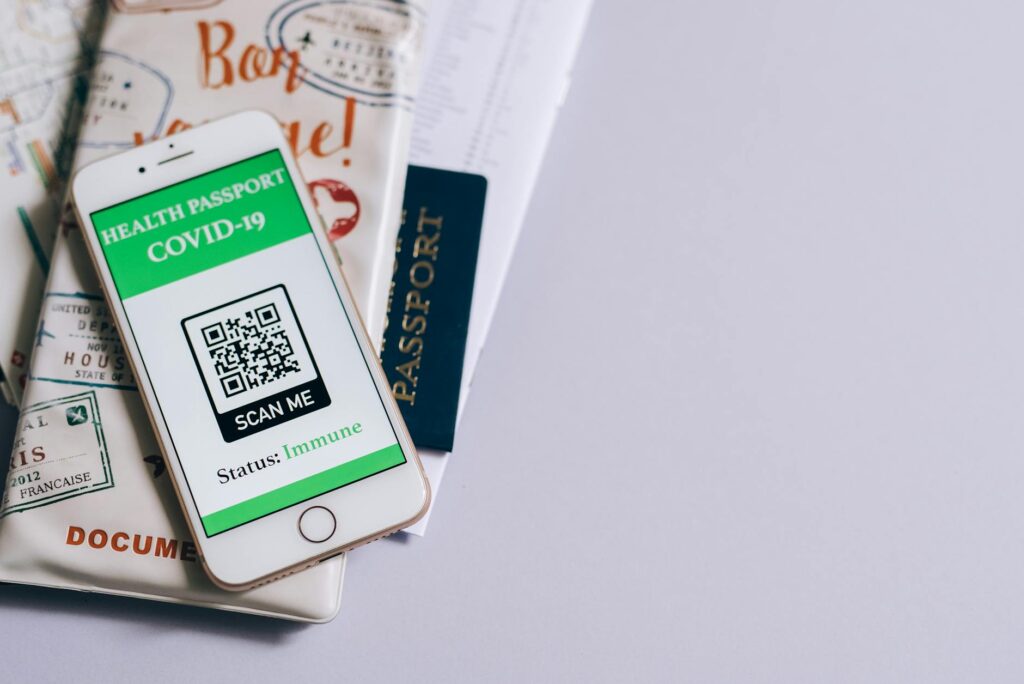
Case A: D-2 Student Who Missed the Extension Date
Chinese national university student A missed her D-2 visa expiry date (June 30) due to final exams and a family illness. One week later she realized she was in overstay status and asked her school’s international office for help. She immediately visited the immigration office, submitted an apology letter and supporting documents (exam schedule, family medical certificate), and paid a fine of about KRW 200,000. The result: D-2 visa extension approved without additional penalty.
Key takeaway: Administrative procedure is half about speed. Visiting the Korea Immigration and Foreigner Service the day after expiry leaves room for leniency. Never go into hiding — voluntary self-report is the best option. Policy changes can be confirmed on Hi Korea, and academic-related overstays can change the outcome with a single school-stamped confirmation letter. As Case A shows, reporting within one week typically wraps up with 0 years of re-entry restriction and a minimal fine.
Korea Overstay Visa Remedy Case 2: F-4 Re-entry After Long-Term Overstay
Case B: Ethnic Korean Eligible for F-4, Over 2 Years in Overstay
U.S. citizen B had Korean grandparents. He stayed in Korea for 3 months on a tourist visa caring for his sick parents, then failed to extend in time and ended up in overstay status for nearly 2 years. He later learned that the F-4 Overseas Korean visa would let him legally reside long-term. With a specialized lawyer, B proved his F-4 eligibility (see the F-4 Overseas Korean visa guide) and filed for Korea overstay visa remedy together with a voluntary departure plan.
Immigration authorities imposed a fine of several million KRW for the long-term overstay but granted a re-entry restriction waiver. B departed for the U.S., paid the fine, and within 3 months received the F-4 visa to return to Korea. You can find similar voluntary-departure cases in the Korea overstay handling guide.
Key takeaway: Even with a long overstay period, if you can prove a legitimate residence eligibility, a remedy window exists. The fine is unavoidable, but full deportation isn’t the only ending. In Case B, hiring a lawyer was the decisive factor that secured the re-entry waiver. The voluntary departure + visa re-application from the home country route is generally evaluated as the highest-probability normalization path.
Korea Overstay Visa Remedy Case 3: Illegal Work After Working Holiday Expired
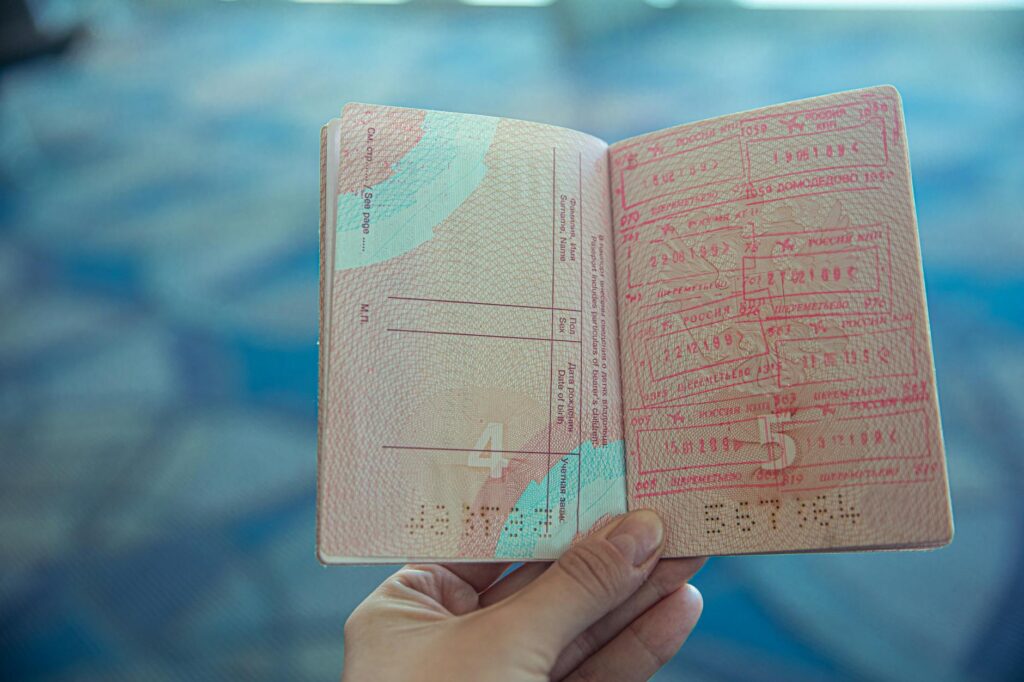
Case C: Continued Part-Time Work After Working Holiday Expiry
Australian national C kept receiving a salary from an English academy even after his Working Holiday (H-1) visa expired. He was in illegal work status for over 2 months. With a lawyer, he documented the academy’s formal hire intent and the genuine mistake about the expiry date. Result: a fine of about KRW 500,000 plus a review opportunity for E-7 (specialty work) conversion, letting him keep working legally. Planning the visa conversion before the Working Holiday visa expired would have avoided this situation, and the Korea work visa (D-10·E-7) guide helps with that pre-planning.
Key takeaway: To keep staying and working after the Working Holiday visa expires, you must convert to an appropriate visa. Getting lawyer or visa-agency advice early minimizes fines and raises the chance of administrative remedy. When the hiring employer cooperates actively, E-7 conversion tends to move quickly.
3-Case Outcome Comparison at a Glance
Comparing the three cases’ overstay duration, penalty, and final outcome in one table makes it obvious how decisive a quick self-report is.
| Item | Case A (D-2) | Case B (F-4) | Case C (H-1) |
|---|---|---|---|
| Overstay length | 1 week | About 2 years | About 2 months |
| Self-report | Immediate | Via lawyer | Via lawyer |
| Penalty | Fine KRW 200,000 | Fine several million KRW | Fine KRW 500,000 |
| Final outcome | D-2 extension approved | F-4 re-entry granted | E-7 conversion review |
| Re-entry ban | None | Waived | None |
Korea Overstay Visa Remedy Common Procedure (3 Steps)
Step 1: Self-Report and Explain the Reason
Continuing in undocumented status is very risky. Book a visit to your local Korea Immigration and Foreigner Service office (online booking via Hi Korea), self-report, and explain why you exceeded your stay. Submitting hospital records, family death certificates, or proof of unforeseeable circumstances dramatically raises the chance that the Korea overstay visa remedy step ends with an administrative fine only.
- Book a visit at your jurisdictional immigration office (Hi Korea online reservation)
- Bring passport, ARC, flight ticket, proof of residence
- Reason documents (medical certificate, family relationship cert, school confirmation)
- Self-report form + apology/explanation letter (Korean or English)
Step 2: Handling Fines and Departure Orders
The longer the overstay, the higher the fine, and a re-entry ban may be imposed for a certain period. Depending on the situation a re-entry restriction waiver or reduction is possible, and when a lawyer or licensed agent argues a re-entry necessity, settling with a fine instead of full deportation is achievable.
| Overstay length | Typical administrative fine | Default re-entry ban |
|---|---|---|
| ~3 months | KRW 100,000–1,000,000 | Waiver possible |
| 3–6 months | KRW 1,000,000–2,000,000 | Up to 1 year |
| 6 months–1 year | KRW 2,000,000–5,000,000 | Up to 3 years |
| 1 year or more | KRW 5,000,000+ | Up to 5–10 years |
The amounts above are real-case averages and can be substantially reduced based on self-report timing and reason evidence.
Step 3: Re-apply for an Appropriate Visa
After cleaning up your status through the steps above, apply for a new visa matching your planned activity. F-4 if you have Overseas Korean status, E-7 if you have a Korean company job offer, F-6 if married. Transparently explaining your prior overstay history matters for future reviews. If a family invitation visa is needed, prepare it together, and the 5 ways to avoid Korea visa renewal mistakes helps prevent recurrence after re-entry.
Top 4 Consultation Channels Before You File
Self-report and reason explanation can be done alone, but if your case is complex or you’re aiming for a re-entry waiver, a pre-consultation with a professional channel changes the outcome significantly. These 4 are the ones foreigners use most often.
- 1345 Foreign Resident Service Center — 20 languages, free, fastest first-line guide for self-report procedure
- Korea Legal Aid Corporation (132) — Free legal counseling for low-income foreigners, lawyer referrals available
- Multicultural Family Support Center — Dedicated for marriage immigrants and F-6/F-5 cases
- Immigration Law Attorney’s Office — Essential for long-term overstays and re-entry waiver petitions
The channel choice is simple. If your overstay is under 3 months with a clear reason, start with 1345; if it’s 6 months or longer or you already received a departure order, hiring a lawyer is the rational move.
Korea Overstay Visa Remedy FAQ
Q. Does a self-report automatically lead to deportation?
A. No. If the overstay duration is short and the reason is reasonable, a Korea overstay visa remedy at an administrative-fine level is possible. As in Case A, a 1-week overstay was resolved in the KRW 200,000 range.
Q. What happens if I can’t pay the fine?
A. Installment payment can be requested, but unpaid fines extend the re-entry restriction. Many cases were solved with consular assistance or family remittance before departure.
Q. How much do lawyer fees cost?
A. Typically KRW 500,000–3,000,000 depending on case complexity. A straightforward self-report can sometimes be resolved with the free 1345 Foreign Resident Service Center consultation alone.
Korea Overstay Visa Remedy Key Summary
A Korea overstay visa remedy is not impossible, but cost and risk rise with time. When caught, fines and deportation are the default, but when you quickly self-report and prove a legitimate reason, there are documented cases of remedy approval. The most important thing is not to delay: mark your visa expiry on your calendar and start preparing at least 1 month before expiry to prevent overstay. Free consultation is available at the Foreign Resident Service Center 1345 or Hi Korea.
K-Name Studio: Create your perfect Korean name based on your personality and style.
What’s My K-Beauty Personal Color?
WeBring Service : Provides personalized services to foreigners living in Korea
Exclusive offer: Introducing foreign car rental in Korea, WeBring-SoCar
Don't let your visa expire
Check your remaining stay and extension deadline in 30 seconds with the WeBring visa calculator. Need help with the paperwork? Our experts speak your language.