Hidden Small-Town Getaways: Discover Secret Spots in Korea
No matter how fascinating a city may be, once it becomes too famous, the thrill of travel inevitably fades. If you want to escape the hustle and bustle of urban life and relax in nature, small-town travel could be your answer. In this article, titled “Hidden Small-Town Getaways: Secret Spots in Gangwon-do and Jeolla-do,” we’ll introduce some lesser-known yet beautiful rural villages and alleys. These are local-only hideaways where few tourists visit, allowing you to enjoy peace and quiet. We’ve also included transportation and lodging tips, so let’s find your perfect “true healing destination,” whether you’re traveling solo or with company.
Gangwon-do: Serenity Where Mountains Meet the Sea
1) Yongdaeri, Inje – The Charm of a Deep Mountain Village
Inje County in Gangwon-do is known for sites like Baekdamsa Temple and Bangtaesan Alpine Botanical Garden, but smaller villages like Yongdaeri remain relatively undiscovered by the public. Clear streams and lush forests make this area perfect for cooling off in mountain valleys in summer and enjoying brilliant autumn foliage in fall. Increasingly, travelers are spending nights at small local pensions, enjoying barbecues or campfires under the stars.
To reach Yongdaeri, take a bus from Seoul’s East Terminal to Inje, then transfer to a local bus or taxi. Traveling without a car can be slightly inconvenient, but that’s part of the charm—it means the natural environment is untouched and pristine. Visitors can enjoy fishing, swimming in valleys, or even spotting wild animals native to the mountains if they’re lucky.
2) Neukguri Beach, Samcheok – The Quiet Charm of the East Sea
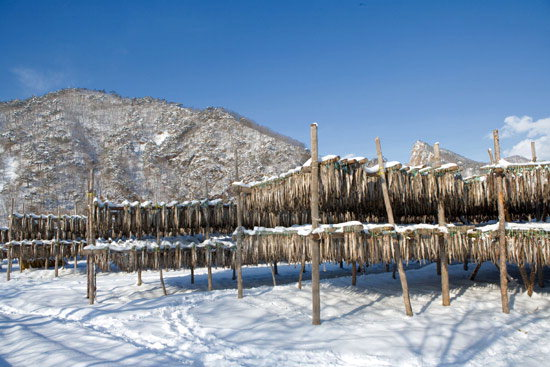
When people think of East Coast travel, Gangneung, Sokcho, or Yangyang usually come to mind, leaving Samcheok as a less visited gem. Located outside Samcheok’s city center, Neukguri Beach is even quieter, mostly frequented by locals on weekends. It has gentle waves, clean sand, and a laid-back atmosphere, making it ideal for couples or families seeking relaxation.
Several small cafés and guesthouses line the area, and according to one local innkeeper, only occasional fishing guests visit in spring or autumn, leaving the beach fairly calm even in summer. Reading a book or watching the sunrise here will make you forget city life completely. It’s about a 20-minute taxi ride from Samcheok Express Terminal, but since public transportation is limited, it’s best to check schedules in advance.
Jeolla-do: Villages That Blend Tradition and Slow Living
1) Palyongsan, Goheung – A Night Under the Stars
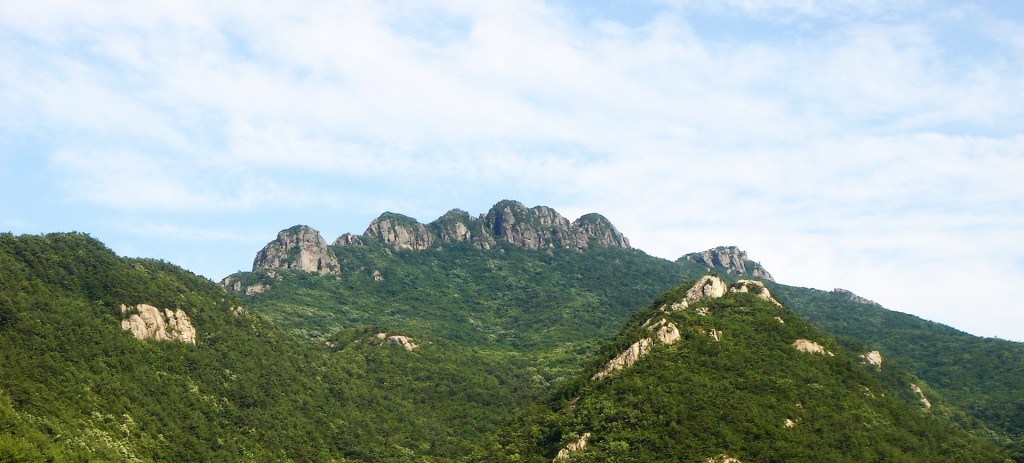
Located on Korea’s southern coast, Goheung is widely known for its space center and coastal landscapes, but the small villages around Palyongsan Mountain remain off the beaten path. Palyongsan’s gentle slopes attract family hikers, yet it’s still relatively untouched by heavy tourism. At the foot of the mountain, you can experience the warmth and generosity characteristic of rural Jeolla communities, and if you’re lucky, enjoy seasonal seafood meals with your host family.
The night sky here is remarkable—free from urban light pollution, stars shine vividly. Some visitors say they’ve even seen the Milky Way while strolling along quiet country paths. Buses from Goheung Terminal to Palyongsan run several times a day, so even without a rental car, you can get there with a bit of planning.
2) Changpyeong Slow City, Damyang – The Ease of a Slow Step
Damyang is famous for attractions like Juknokwon Bamboo Forest and the Metasequoia Road, but “Changpyeong Slow City” is still relatively undiscovered. Certified for its slow food and slow lifestyle, this town allows visitors to experience traditional Korean practices like brewing rice wine, making soy sauce, or crafting tofu at local farms. True to its slogan, “Slow Food, Slow Village,” instead of rushing around, visitors spend hours immersing themselves in the rhythm of rural life.
Food lovers, especially fans of Jeolla cuisine, will cherish this region. Grandma-cooked noodles, fermented soybean stew, and rice syrup have a rich flavor rarely found in cities. Through hands-on workshops, visitors can make their own sauces and rice wine, learning the roots of traditional Korean home cooking. It’s about 20 minutes by car from Damyang Bus Terminal, and since some farms operate on reservations, inquiries in advance are recommended.
Travel Tips: Transportation, Lodging & Local Interaction
Transportation: Though Tricky Without a Car…
Public transportation can be limited in small towns—sometimes only two or three buses run daily, and taxis might be scarce. To prepare, consider renting a car or checking intercity bus schedules thoroughly. You can also ask your lodging host for a pickup service upon arrival; some local inns or farm stays happily provide terminal transfers by arrangement.
Lodging: Choosing a Guesthouse or Local Stay
In smaller towns, you’re more likely to find guesthouses and homestays than hotels or resorts. These places offer direct communication with locals who can suggest restaurants and sightseeing routes. While facilities may be simpler than in city hotels, the warm atmosphere enhances your overall travel experience. Reservations are usually made by phone or social media, though platforms like Airbnb or Yanolja now list some small-town lodgings too.
Connecting with Locals
In rural villages, locals often greet visitors first. Even if you don’t see English signs, a simple Korean phrase like “Annyeonghaseyo” (Hello) or “Gamsahamnida” (Thank you) goes a long way, and translation apps can help bridge language gaps. Try chatting with locals at small markets or eateries—you might uncover hidden trails or scenic spots not listed in guidebooks just by asking, “Is there a pretty walking path nearby?”
The Charm and Benefits of Small-Town Travel
1) Quiet Atmosphere and Connection with Nature
In major tourist destinations, even taking a simple selfie means dozens of strangers in the background. Small-town destinations, on the other hand, offer solitude and space to fully embrace the scenery. In Gangwon’s mountain valleys, you can read to the sound of flowing streams; in Jeolla’s countryside, you can walk between rice fields in peaceful contemplation.
2) Genuine Interaction with Locals
Witnessing authentic local life—something you can’t experience in big tourist hubs—is another highlight of small-town travel. You might see villagers preparing meals with homegrown vegetables or drawing water from a shared village well in the morning. These warm interactions offer a deep, human understanding of Korea’s rural culture.
3) Easier on the Budget
Small-town travel is often more affordable than visiting major tourist spots. Guesthouse stays and meals are cheaper, and there are usually fewer paid attractions. While transportation might take longer or cost a bit more, the overall experience is simple, economical, and refreshing.
Exploring hidden small towns in Gangwon-do and Jeolla-do is like rediscovering yourself beyond the rush of city life. Though you won’t find massive shopping malls or flashy tourist attractions, you will encounter raw, genuine scenery and the daily rhythms of local people. The mornings here are crisp like nowhere in a city, and the warm “Where are you from?” greetings from villagers leave a lasting impression.
Yes, transport and accommodation might be a bit inconvenient, but that small inconvenience often adds to the adventure. Asking for directions on unfamiliar roads, buying local snacks from a tiny store, and admiring sunset over the farmlands—these simple moments collectively form unforgettable travel memories. Just as the phrase “hidden small-town travel” suggests, you might be tempted to keep these gems secret. Yet part of you may also want to share these places so that more people can witness Korea’s authentic beauty.
Ultimately, travel is not just about sightseeing—it’s about meeting new air, cultures, and people, expanding your world. The small towns of Gangwon-do and Jeolla-do offer exactly that kind of expansion. So if you crave a deep breath away from routine this weekend or during your next holiday, point to one of those tiny dots on the map and go. At the end of that unfamiliar rural road, you might just discover a side of Korea you never knew existed.

K-Name Studio: Create your perfect Korean name based on your personality and style.
What’s My K-Beauty Personal Color?
WeBring Service : Provides personalized services to foreigners living in Korea
Exclusive offer: Introducing foreign car rental in Korea, WeBring-SoCar
Explore Korea's mountains — guides in your language
Courses, transport and seasonal tips for 30 mountains, from Bukhansan to Hallasan, available in 11 languages. Pick up essential travel Korean and find events for the global community, too.