
Gunsan Modern History Street Guide: Half-Day Retro Korea Itinerary
Gunsan Modern History Street, in the heart of Gunsan, Jeollabuk-do, is a Korean district where 100-year-old colonial-era buildings and alleys still stand intact. About 3 hours by car or 2.5 hours by express bus from Seoul, the area has become a popular retro travel destination, drawing weekend crowds from across the country. It is also widely recognized as a filming location for period dramas and movies, making it familiar to younger generations as well.
Historical Background and Meaning of Gunsan Modern History Street
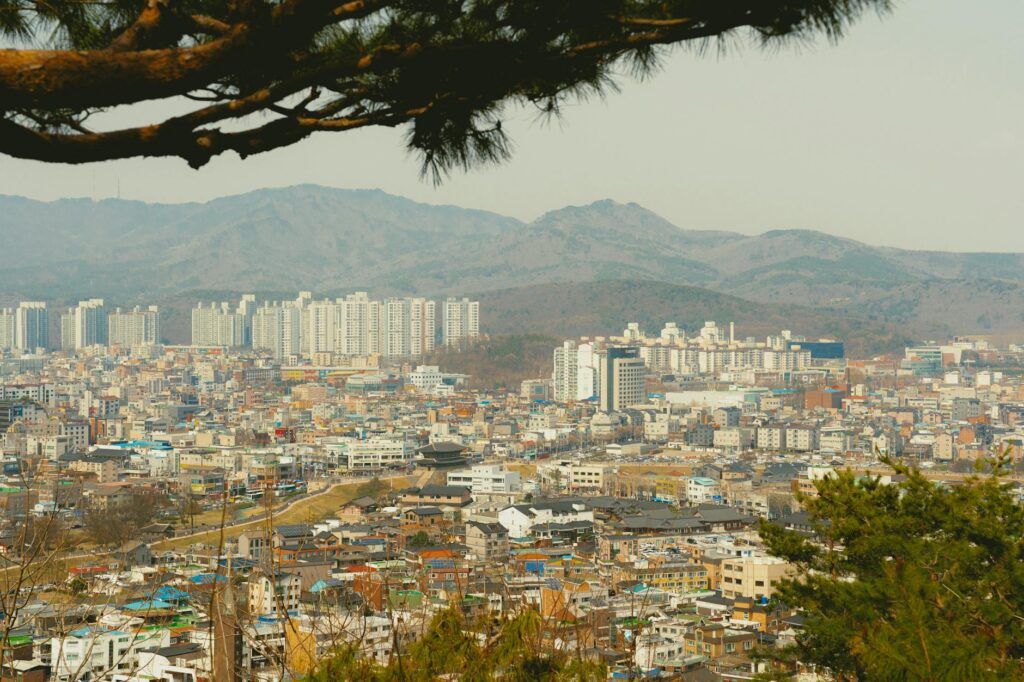
Gunsan took its current shape after the port opened in 1899. Imperial Japan used the port of Gunsan as a key base to extract rice from the Honam Plain, and during this process, banks, customs houses, warehouses, and government residences were built throughout the city. After liberation, the area was left out of development — and paradoxically that neglect preserved the colonial-era cityscape almost intact. Today, the city of Gunsan has restored these buildings into a heritage corridor centered on the Gunsan Modern History Museum. Unlike a theme-park-style attraction, you can step inside buildings that were actually used in history and experience the period firsthand.
The centerpiece of Gunsan Modern History Street is the former Joseon Bank Gunsan Branch, a Renaissance-style stone building completed in 1922 and now operating as the Gunsan Modern Architecture Museum. The exterior masonry and the interior vault still bear witness to colonial-era financial extraction. Right next door, the former Gunsan Customs House is a 1908 Belgian Gothic building — one of the oldest surviving Western-style buildings in Korea. Within a 500-meter radius, multiple nationally registered cultural properties stand close together, so even just walking through them feels like attending a dense history lecture.
Gunsan Modern History Street Half-Day Walking Route
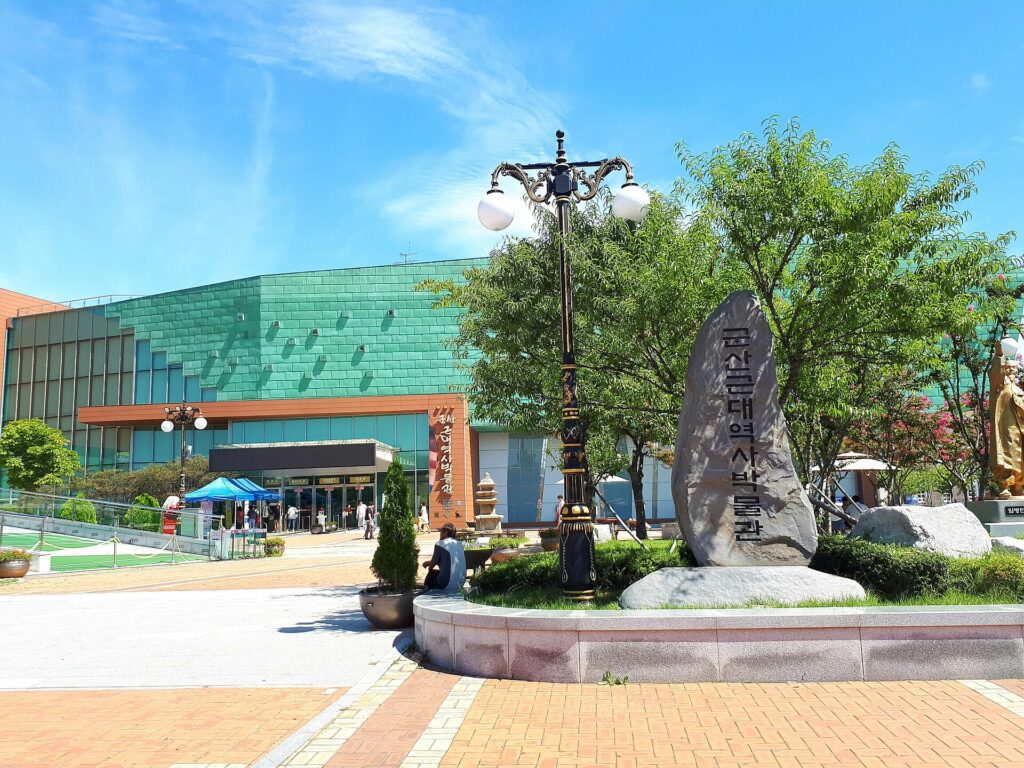
The Gunsan Modern History Museum parking lot is the most convenient base. With Wolmyeong-ro right in front of the museum as your axis, you can cover all the main sites on foot in 3 to 4 hours.
Start at the Gunsan Modern History Museum. Walking through it before the rest of the route gives you the historical context — the opening of the port, colonial extraction — that makes every later building come alive. The permanent exhibits include a Maritime Logistics gallery on the first floor and a Modern Life gallery on the second; budget about 40 to 50 minutes. The Honam Customs Museum (in the former Gunsan Customs House) sits right next door — drop in for the wood-vaulted ceilings and red-brick walls.
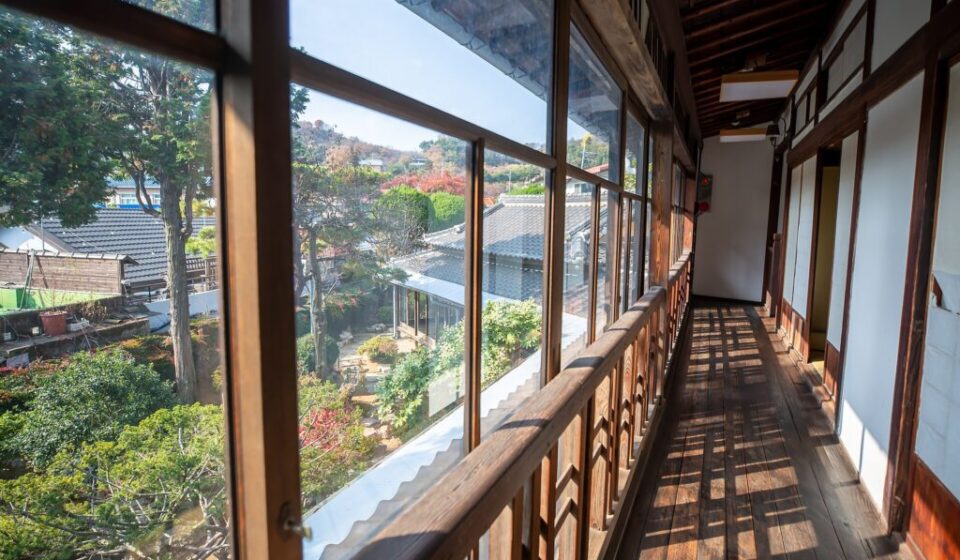
About 5 minutes on foot from the museum, the former Joseon Bank Gunsan Branch (Modern Architecture Museum) is free to enter. Both floors are open to visitors, and the conversion of the bank vault into exhibition space stands out. Next, head to the Sinheung-dong Japanese-style House (Hirotsu House). Famous as a drama filming location, this 1930s residence belonged to a wealthy Japanese textile merchant — its formal Japanese garden and gabled roof catch the eye. Sitting on the wooden veranda overlooking the garden often turns out to be the highlight of a Gunsan Modern History Street trip.
From Hirotsu House, Dongguksa is a 10-minute walk away. Founded in 1909 by a Japanese monk, it is the only Japanese-style temple building still standing in Korea. The main hall (Daeungjeon) follows Edo-period architecture; the eaves and roof structure are visibly different from typical Korean temples. Inside the grounds, a Statue of Peace and a Stone of Repentance stand side by side, holding the histories of invasion and atonement together. After Dongguksa, looping back toward Jungang-ro takes you near Gyeongam-dong Railway Village. A 5-minute drive away, this stretch of former working railway is lined with retro snack shops and vintage stores along the narrow tracks — now firmly established as a retro photography hotspot.
Gunsan Modern History Street Practical Visitor Information
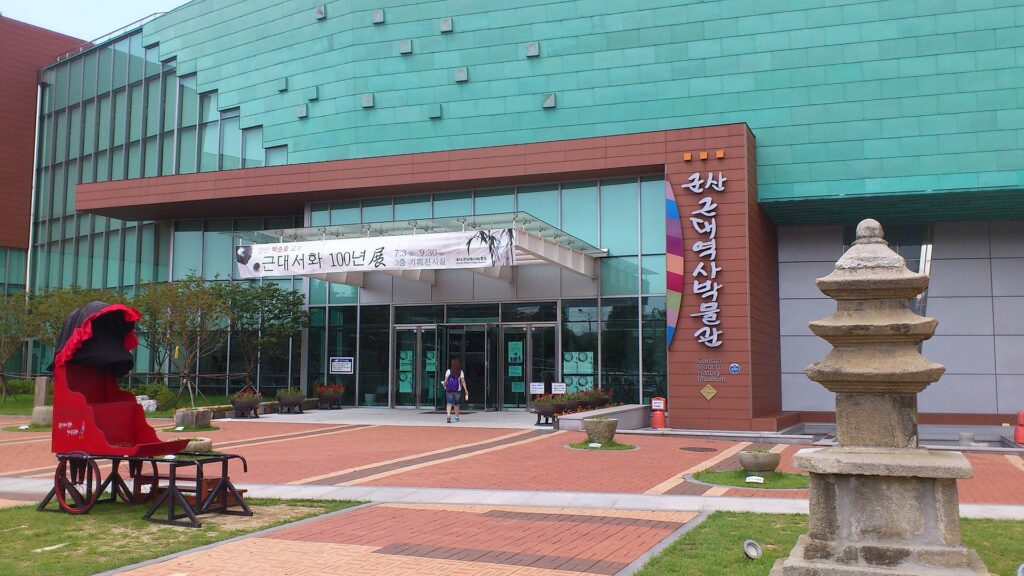
Here are the operating hours and admission fees for the main facilities along Gunsan Modern History Street.
| Facility | Hours | Admission | Closed |
|---|---|---|---|
| Gunsan Modern History Museum | 09:00–18:00 | Adults 2,000 KRW (free for Gunsan residents and ages 6 and under) | Mondays, Jan 1 |
| Modern Architecture Museum (former Joseon Bank) | 10:00–18:00 | Free | Mondays |
| Sinheung-dong Japanese-style House (Hirotsu) | Open year-round | Free | — |
| Dongguksa | Open year-round | Free | — |
For parking, use the public lots near the Modern History Museum. On weekends, spaces fill up quickly after 11 a.m., so arriving before 10 a.m. is best. By public transit, take city buses 53 or 55 from Gunsan Express Bus Terminal or Gunsan Station and get off near the museum. A taxi from the terminal to the historic street runs roughly the base fare.
Spring (April–May) and autumn (October–November) are the most comfortable seasons to visit Gunsan Modern History Street. In summer, parts of the route are exposed to direct sunlight, so bring sunscreen and a hat; in winter, parts of the Hirotsu House may have limited access, so check ahead. Comfortable shoes are essential — you will be walking quite a bit.
Food and Cafes Around Gunsan Modern History Street
You can not visit Gunsan without talking about food. Japanese-style bread culture took root here during the colonial period, and Gunsan is sometimes called Korea’s “city of bread.” Right next to Gunsan Modern History Street stands Iseongdang, founded in 1945 — one of Korea’s oldest bakeries. Its red-bean buns and vegetable buns are popular enough to draw long daily queues; visiting early in the morning or on a weekday cuts the wait.
For a meal, jjamppong (Chinese-Korean spicy seafood noodles) is another point of pride in Gunsan. As a port city with abundant seafood and a Chinese culinary tradition brought by laborers, Gunsan developed its own jjamppong style. Old-school Chinese restaurants along Jungang-ro serve a milder, deeper-broth Gunsan-style jjamppong. Bajirak kalguksu (clam noodle soup) and kkotgetang (blue crab stew) are also regional staples.
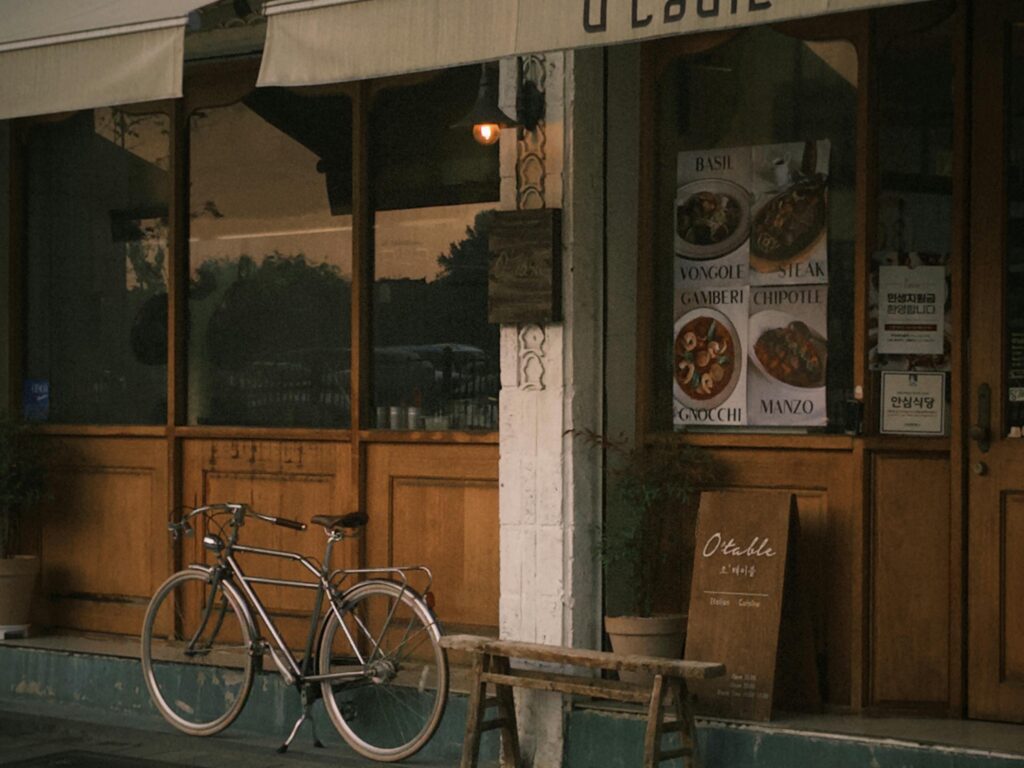
Cafes that match the era’s atmosphere are also nearby. Around the Sinheung-dong Japanese-style House and Gyeongam-dong Railway Village, independent cafes have moved into former warehouses and wooden buildings. A coffee inside that retro interior is a fitting epilogue to a Gunsan trip. Many of these cafes are small, so leave some buffer time on weekends.
Whether your goal is history, retro photography, or food hopping, Gunsan Modern History Street rewards each kind of visitor. Half a day is enough for the core sites; a full day extends easily to Eunpa Lake Park or the Saemangeum Seawall.
Find more Korea travel information at the Korea Tourism Organization official site (Visit Korea).
Related: mywebring – Korea Visa Guide
Related: mywebring – Korea Public Transportation
Image credits
- Featured: Sinheung-dong Japanese-style House (Gunsan) / Wikimedia Commons (KOGL Type 1)
- Body (street view): Kimhs5400 / Wikimedia Commons (CC BY-SA 4.0)
- Body (museum entrance): Dquai / Wikimedia Commons (CC BY-SA 4.0)
- Body (retro cafe): Pexels
K-Name Studio: Create your perfect Korean name based on your personality and style.
What’s My K-Beauty Personal Color?
WeBring Service : Provides personalized services to foreigners living in Korea
Exclusive offer: Introducing foreign car rental in Korea, WeBring-SoCar
Explore Korea's mountains — guides in your language
Courses, transport and seasonal tips for 30 mountains, from Bukhansan to Hallasan, available in 11 languages. Pick up essential travel Korean and find events for the global community, too.


