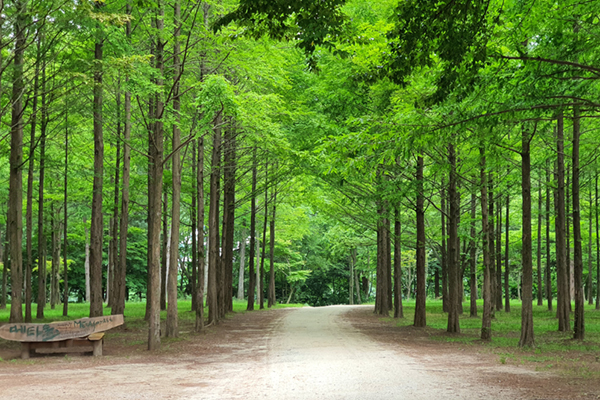
Explore Korea with a K-Driving Roadmap

When traveling or living in Korea, it’s only natural to want to expand your experience beyond the bustling heart of Seoul. One of the best ways to explore the surrounding areas is through a scenic drive. While destinations like Gapyeong, Chuncheon, Yangpyeong, and Paju are accessible by public transportation, having a car offers greater convenience — making it easier to discover hidden gems along the way. In this blog post, under the theme of “K-Driving Roadmap,” we’ll introduce drive-friendly travel courses ideal for a day trip or a relaxed overnight getaway from Seoul.

A Scenic Lake Drive to Gapyeong

1) The Lakeside Charm of Cheongpyeong

Gapyeong is located about one to one and a half hours east of Seoul and is famed for its picturesque natural scenery. Thanks to its location along Cheongpyeong Lake and the Bukhangang River, it makes for a perfect driving destination. If you rent a car and take the Gangbyeon Expressway heading toward Gapyeong, the cityscape slowly gives way to serene views of blue rivers and lakes. Driving along the Cheongpyeong lakeside road, you’ll find charming cafés, cozy guesthouses, and popular eateries where you can stop, relax, and enjoy the view.
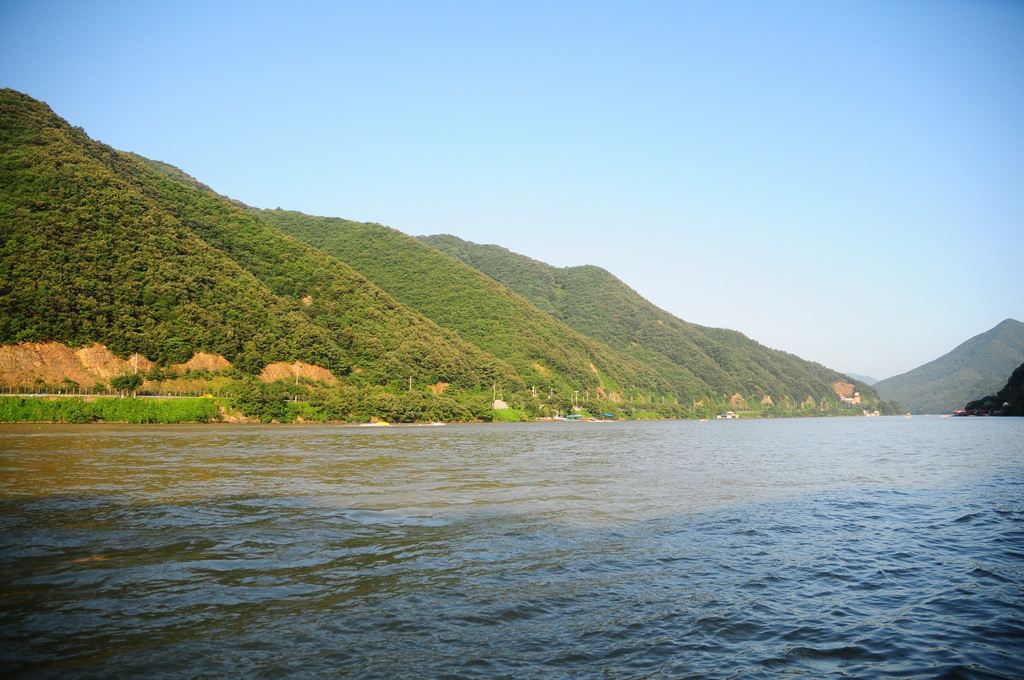
Cheongpyeong Lake

2) Nami Island and Nearby Activities

Gapyeong is also home to the popular tourist attraction, Nami Island. Famously featured in Korean dramas, it draws many international visitors. Reaching the island involves a short ferry ride, adding a fun twist to your trip. After exploring Nami Island, you can head to nearby Gapyeong Leisure Town for water sports like waterskiing or jet skiing, or grab a meal at one of the area’s renowned dak-galbi (spicy stir-fried chicken) restaurants. With a car, it’s easy to get around and fit multiple activities into your day.

3) Day Trip or Overnight Stay?

Gapyeong’s proximity to Seoul makes it ideal for a day trip, but an overnight stay is recommended if you want to truly unwind. Spend a night at a lakeside pension or resort, where you can enjoy a campfire or barbecue dinner. To avoid weekend traffic, it’s best to depart on Friday evening or early Saturday morning. Likewise, plan your return to avoid the congestion commonly seen on Sunday afternoons and evenings.

A Culinary and Scenic Getaway to Chuncheon

1) Dak-galbi Alley and Soyang River

Chuncheon is known as a foodie’s paradise, famous for dak-galbi, amid a landscape where mountains and rivers coexist beautifully. It’s easily accessible via Jayu-ro or the Gyeongchun Expressway. Once you arrive downtown, you’ll find a whole street dedicated to dak-galbi, lined with restaurants ready to welcome hungry visitors. Grilling spicy stir-fried chicken on an iron plate and pairing it with a bowl of makguksu noodles completes the culinary adventure in Chuncheon.

2) Soyanggang Skywalk & Gugok Falls

The Soyanggang Skywalk is a must-visit attraction in Chuncheon. Walking along the transparent glass floor gives you the thrilling feeling of hovering above the river. The surrounding landscape also makes it a perfect photo spot. For a deeper immersion in nature, drive to Gugok Falls. This short hiking trail offers a glimpse of a beautiful waterfall amidst fresh mountain air and tranquil forest paths — an ideal setting for relaxation and recharging.

Yangpyeong: Where Healing Meets Art

1) Sunrise at Dumulmeori and the Lotus Garden of Semiwon

Yangpyeong is where the North and South Han Rivers merge, and is best known for the ethereal morning scenery at Dumulmeori. Arriving at sunrise rewards you with a mystical view of fog-covered waters and a peaceful ambiance — something only a pre-dawn drive can offer. The region is also home to Semiwon, a lotus-themed garden that blooms into a dreamlike landscape in the summer, offering yet another artistic treat for your senses.

Dumulmeori

2) Artistic Cafés and Galleries

Yangpyeong is dotted with art-inspired cafés and galleries. From repurposed factory spaces to cafés surrounded by lush gardens, these charming spots invite visitors to take a break, snap some photos, and enjoy the calm. Unlike the hustle and bustle of Seoul, here you can savor your coffee slowly while exploring exhibitions — making it a perfect route for a mid-drive rest and cultural experience.

Exploring Paju & Heyri Art Village

1) Paju Book City and Heyri Village

Located in northwest Seoul, Paju is often referred to as the city of books and arts. Entering Paju Book City introduces you to a unique landscape filled with bookstores and publishing houses. Nearby lies Heyri Art Village, where museums, galleries, and studios come together to ignite your artistic senses. A weekend drive to Paju lets you enjoy a cultural journey paired with scenic roads.

2) Imjingak Park and DMZ Tour

Due to its proximity to North Korea, Paju also offers access to Imjingak Park and tours to the DMZ (Demilitarized Zone). Driving along Jayu-ro reveals unique views of the northern landscape. With a DMZ tour, you can visit sites with significant historical meaning, such as the 3rd Infiltration Tunnel and Dora Observatory. Note that some areas may require advance reservations or ID verification, so careful planning is essential.

K-Driving Tips: Safe and Comfortable Short Trips

1) Using a GPS Navigation App

If you’re not familiar with Korean, installing an English-supported navigation app like KakaoNavi or TMAP in English is highly recommended. These apps provide real-time traffic updates and smartly guide you through national and expressways to avoid congestion. Save your destination in the app beforehand to avoid having to search mid-drive.

2) Experiencing Korean Rest Stop Culture

While driving on Korean highways, you’ll encounter a unique local institution — the highway rest stop. These spots offer quick meals, snacks, and souvenirs, providing drivers with a fun and relaxing pause. You can enjoy local street foods like dak-gangjeong (sweet crispy chicken), walnut pastries, or fish cakes, and the facilities are generally very clean.

3) Parking and Road Etiquette

Popular destinations and restaurants near Seoul often see heavy weekend traffic, which means parking lots can fill up quickly. It’s wise to research nearby public parking spaces or alternative lots in advance. Arriving earlier in the day also helps. When driving through rural areas, pay close attention to pedestrians, tractors, and cyclists to avoid accidents — driving at a safe speed is crucial.

Conclusion: Discover a New Side of Korea Beyond Seoul

The outskirts of Seoul are brimming with diverse attractions. Just a short drive away, you’ll find yourself immersed in drastically different landscapes and cultures. From the lakes and rivers of Gapyeong and Chuncheon, to the art and nature of Yangpyeong, and the publishing and history-rich Paju — each destination offers its own unique travel theme. Renting a car allows you the freedom to depart when you please, stop where you like for a coffee or a photoshoot, and explore delicious spots along the way — delivering a deeply rewarding experience.

What we call “K-Driving,” or Korean road trips, is not difficult for international travelers. As long as you’re familiar with basic traffic rules and have your navigation set properly, anyone can enjoy smooth drives around Seoul’s suburban areas. This weekend, escape the urban routine and hit the road. The beauty, tranquility, and unexpected delights of Korea are waiting to be discovered.

K-Driving

Webring Newsletter

K-Name Studio: Create your perfect Korean name based on your personality and style.
What’s My K-Beauty Personal Color?
WeBring Service : Provides personalized services to foreigners living in Korea
Exclusive offer: Introducing foreign car rental in Korea, WeBring-SoCar


Family Airport Pickup: The Complete Guide to International Family Travel

Traveling abroad with family is always exciting, but it also means you have many more things to take care of. If your group includes children or elderly members, you’ll need to balance energy levels, ensure safety, and manage extra luggage. On top of that, navigating from an unfamiliar airport to your city destination can feel even more overwhelming. In such cases, an airport pickup service can be the perfect solution for family travelers. In this blog post, we’ll examine key considerations for foreign family travelers, such as child safety seats, the need to transport large amounts of luggage, and more, along with a detailed guide for a seamless family airport pickup experience.


Why Airport Pickup Matters for Family Travel

Reduced Travel Stress When Accompanied by Kids

Traveling from the airport to the city center with young children can be exhausting, especially when considering safety and unpredictable behavior. Using public transportation often means dealing with crowded stations, folding and unfolding strollers, and carrying your child up or down stairs. With all the added baby gear like diaper bags and backpacks, travel time can double or even triple.
With airport pickup, the driver meets you at the arrivals gate, helps carry your luggage and strollers to the vehicle, and makes the transition much easier. Even if your child becomes fussy in the unfamiliar environment, the private vehicle ensures you don’t have to worry about disturbing other passengers.

Safer Travel for Elderly Passengers

If you’re traveling with elderly family members, navigating stairs or crowded areas can be burdensome. Public transport may not guarantee seating, and walking long corridors during transfers is exhausting.
With a pickup service, vehicles are often located near the terminal entrance. The driver can assist with opening doors and helping the elderly board safely. Once inside, they can rest comfortably, and if needed, the driver can make stops at rest areas or convenience stores, offering flexible options along the way.


Pickup Guide for Travelers with Children

Is a Child Car Seat Required?

According to Korean traffic laws, children under 6 years old must use a child car seat, and this rule applies to tourists as well. Regular taxis or public transportation usually don’t provide child seats, but if you request it in advance from your pickup service provider, they can prepare an appropriate seat.
Make sure to provide your child’s age and size when booking so the right type of car seat can be arranged. While some providers may charge an additional fee, it’s a necessary safety investment. In most cases, the seat will be pre-installed or the driver will help with installation, ensuring convenience.

Family Airport Pickup

Handling Strollers and Luggage

A stroller is essential for family trips, but during rush hour, using one in Korea’s subway or bus system can be inconvenient. With airport pickup, you can simply fold the stroller and place it in the trunk, then take it out again upon arrival.
If you’re carrying a lot of baggage, opting for a VAN or large SUV is the safer choice. With multiple carry-ons, large suitcases, and a stroller, space can quickly run out. Be sure to inform the provider of the exact number of items ahead of time when booking.

Creating a Comfortable Environment for Kids

After a long flight, children can be cranky and uncomfortable in unfamiliar surroundings. When making a pickup reservation, you can request amenities like blankets or snacks to be prepared in the vehicle. Some providers even offer water and snacks as part of their standard service. Drivers can also adjust the car’s temperature or music to ensure your child travels in comfort.
The service also allows for quick stops at rest areas or convenience stores, offering more flexibility than fixed-route airport buses. For parents, this flexibility is a major advantage.


Tips for Families Traveling With Elderly Members

Wheelchair and Walking Aid Support

If you’re traveling with someone who uses a wheelchair or walking aid, make sure the vehicle has enough trunk space. Inform the provider ahead of time so they can assign a van that can accommodate such equipment.
Even getting from Incheon or Gimpo Airport to the pickup point can be daunting for elderly passengers. Arrange for the driver to park near the arrival gate to reduce walking distance. Drivers can help push wheelchairs or carry luggage, so it’s good to confirm in advance.

A Calm and Restful Environment

The elderly may feel extreme fatigue just from flying. Standing during train or bus rides and making transfers can drain their stamina. In a pickup vehicle, they can sit and rest immediately, without worrying about noise or others’ gazes—since it’s a private ride. If someone tends to get motion sickness, you can even ask the driver to reduce speed.
Before departure, let the driver know things like, “Please drive slowly as an elderly passenger has leg issues,” or “Avoid sudden stops or accelerations.” This ensures extra care during the ride.


How to Efficiently Transport a Large Amount of Luggage

Common Situations During Family Travel

Even if each family member brings only one suitcase, a family of 3 or 4 will end up with multiple bags. Adding baby gear or equipment for elderly travelers (strollers, wheelchairs, etc.) increases the load quickly. Using airport rail can become a hassle when going up and down stairs or changing lines. Even limousine buses, which provide trunk space, involve waiting as multiple passengers load and unload luggage.
Private pickup services only cater to your group, so there’s no need to manage luggage for other riders. You’ll have full access to trunk and interior space, ensuring your belongings are transported safely.

Importance of Choosing the Right Vehicle

Depending on your group size and luggage amount, you’ll need to choose from sedans, SUVs, or minivans. The most common choice for families is a 7~9-seat minivan, which offers spacious seating and ample trunk space. Provide specific details about the number of people and bags during booking, so the provider can recommend the most suitable vehicle.
If you pick a car that’s too small, the trunk may get full, and bags might have to be placed on seats, possibly preventing seatbelt use. Particularly when traveling with children, safety must take priority—so opt for a more spacious vehicle, even if it costs a bit more.


Pre-Booking Checklist

Child’s Age and Car Seat Specifications

If you’re traveling with a 4-year-old, be sure to ask the provider exactly which child seat size or type is needed. In Korea, both fixed seats and booster seats are common, so you must provide clear information such as your child’s weight and height to help them assign a proper seat.

Flight Arrival Time and Gate Information

If your flight is delayed, your child or elderly companion may end up waiting at the airport for a long time. Some pickup services track flight status automatically, but it’s better if you proactively update them with arrival time changes. Also, airport arrival gates may change, so ensure your phone or messaging app is ready for real-time communication.

Check Seatbelts and Number of Passengers

When traveling as a family, questions like “Can two kids share a seat?” may come up. However, under Korean traffic laws, every passenger must wear a seatbelt, and infants must be in a car seat, so sharing one seat isn’t permitted. If the number of passengers exceeds the number of vehicle seats, an extra vehicle must be arranged, which may incur additional costs.


Conclusion: The Key to a Smooth Start for Your Family Trip

The airport may be the gateway to your international journey, but for a satisfying start, convenience and safety must be guaranteed—especially when children or elderly travelers are involved. In that regard, an “airport pickup service” is the ideal solution for families.
From preparing car seats and accommodating luggage space to assisting with wheelchairs and allowing mid-route breaks, these services offer customized solutions. With the driver meeting you at the arrivals gate, you receive genuine door-to-door service. If a child cries or an elderly person needs rest, the private vehicle ensures a stress-free environment. You can even request route or speed adjustments for maximum flexibility.

Ultimately, airport pickup offers far more value than its cost for family travelers. If you want to begin your trip in Korea with comfort, safety, and joy, consider booking an airport pickup service next time. We hope your whole family leaves the airport with smiles and begins building unforgettable memories from the very first moment.

가족 공항 픽업

Webring Newsletter

K-Name Studio: Create your perfect Korean name based on your personality and style.
What’s My K-Beauty Personal Color?
WeBring Service : Provides personalized services to foreigners living in Korea
Exclusive offer: Introducing foreign car rental in Korea, WeBring-SoCar
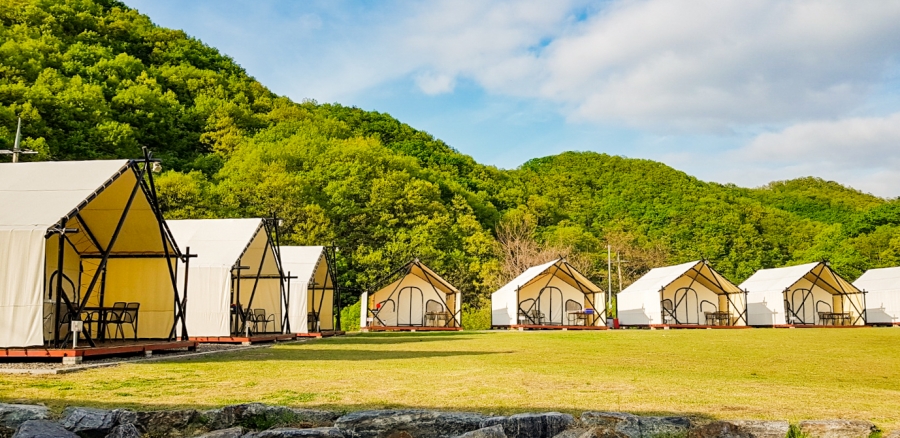
Camping for Foreigners: The Ultimate Guide

As the desire to escape into nature increases amidst busy daily life, camping and glamping are becoming popular lifestyle choices. Packing up and heading out to a nearby campsite for the weekend or relaxing at a glamping resort while enjoying the great outdoors is now a common scene. In this article, we offer a comprehensive guide for foreigners looking to try camping or glamping for the first time—from how to book your stay, to recommended gear and essential safety tips. Spending a night under the stars and by a cozy campfire will feel like a small vacation gifted to yourself.

Differences Between Camping for Foreigners and Glamping

Camping involves bringing your own tent, cooking gear, sleeping bag, and other necessary equipment to stay outdoors. Since you need to set up and pack everything yourself, a certain level of physical effort, time, and know-how is required. On the other hand, glamping—short for ‘Glamorous Camping’—lets you enjoy the camping vibe while staying in a pre-set luxury tent or cabin. Many glamping accommodations come equipped with beds, electricity, air conditioning, and heating, making them ideal for beginners.

If you’re new to the outdoor lifestyle, it’s ideal to try glamping first to get a feel for spending a night in nature. You can then gradually transition to traditional camping by preparing your own equipment. Auto camping (where you park your car next to your tent space) serves as a great middle ground between glamping and full-fledged camping. Depending on your preferences and the situation, choosing the right style will allow you to take a refreshing break from the hustle and bustle of city life.

Camping for Foreigners

Booking Sites and Location Selection

Online booking sites are helpful for finding campsites and glamping resorts. Dedicated apps and websites such as ‘CampingGo’, ‘CampingTalk’, and ‘CampingNow’ allow you to compare regions, facility types, prices, and amenities before making a reservation. Popular sites often fill up quickly on weekends and holidays, so it’s best to book early once your schedule is confirmed.

When choosing a location, consider transportation access, the availability of restrooms and showers, nearby attractions, and whether pets are allowed. Beginners will find well-equipped sites more convenient, while experienced campers may prefer ‘wild camping’ in remote natural areas without electricity or running water. However, such camping may require prior permission and safety checks. Keep in mind that setting up a tent in a historically significant mountain or valley without authorization can be risky.

Essential Gear and Tips

Basic gear for camping includes a tent, sleeping bag, sleeping mat, cooking equipment, and lanterns. It’s important to choose a tent with good waterproofing and ventilation, and even a “2-person” tent is usually best used by 1–2 people for comfort. Sleeping bags and mats offer insulation and comfort, so make sure to select season-appropriate options.

For cooking, bring a portable stove, cookware set (pot and frying pan), torch, and utensils—compact and lightweight is key. For lighting, headlamps, LED lanterns, or camp lights are great for a safe night. Bringing along a backup battery or solar charger is also helpful for running phones and electronics.

At a glamping site, most of the essential gear is already provided, so you only need to bring a few extras. However, personal toiletries, snacks, and warm clothes for cold nights are always necessary. Especially in mountain areas where the temperature fluctuates significantly, it’s wise to pack long sleeves or a blanket even in the summer.

Safety Guidelines and Environmental Protection

Safety should always come first when enjoying camping or glamping. Be cautious when using fire to ensure embers don’t spread. On windy days, use a windshield around stoves or completely extinguish any fire before leaving the site. Leftover gas canisters, charcoal, and ashes should be disposed of in designated areas. If strong wind or heavy rain is expected, avoid outdoor cooking altogether.

Equally important is protecting the natural environment. Be sure to pack out all trash or place it in designated bins—never leave garbage in nature. Use reusable tableware to reduce disposable waste, and opt for biodegradable soap and detergent to minimize pollution.

Since other campers might be nearby at night, keep noise levels low. Avoid loud voices or music late at night, and strictly follow any campground rules about “quiet hours” or “manners time” to ensure everyone’s comfort and respect.

Camping by Season

Camping and glamping can be enjoyed year-round, but proper seasonal preparation is essential. Spring and fall offer mild temperatures, making tent setup easier, but nights can be chilly—so bring adequate insulation. In summer, riverside or valley sites are popular to combine camping with water activities. However, the warm weather brings mosquitoes and insects, so pack repellents and anti-itch ointments.

Winter camping has recently become a trend, with more people enjoying the snowy outdoors. However, heating equipment and thermal gear are a must. Without proper winter attire, thick sleeping bags, and a stove, camping in cold weather can be harmful to your health. Therefore, if you’re new to winter camping, it’s best to ease into it through glamping first.

Activities That Make Camping More Fun

A campsite is more than just a place to sleep—it offers a stage for outdoor cooking, campfires, and BBQ parties. Recently popular “healing” trends like fire-watching (불멍) or stargazing (별멍) are even better when enjoyed in nature. Many sites are also near trekking trails, fishing spots, or cycling routes to help make the most of your day.

Some glamping resorts offer leisure programs like kayaking, paddleboarding, horseback riding, rail biking, and even ATVs. Families can look for places with playgrounds or small animal farms, where kids can play and bond with parents—creating lasting memories together.

Wrap-Up: Camping and Glamping for Foreigners

Camping and glamping are not just about outdoor lodging—they’re opportunities to connect deeply with nature and rediscover what true relaxation feels like. Even the effort of pitching a tent or chopping firewood becomes worthwhile when rewarded with starry night skies and birdsong at sunrise. Meanwhile, glamping offers a stylish way to enjoy the camping vibe with minimal gear, making it popular for beginners or those who prefer comfort.

With the tips in this guide—including booking options, essential gear, safety rules, and eco-friendly practices—you’re ready to plan that camping or glamping getaway you’ve dreamed of. Escape to a nearby countryside spot for the weekend and discover simple joys and deep rest that urban life can’t offer. Sharing meals around a campfire and enjoying heartfelt conversations will become unforgettable memories that go beyond just travel.

캠핑/글램핑

Webring Newsletter

K-Name Studio: Create your perfect Korean name based on your personality and style.
What’s My K-Beauty Personal Color?
WeBring Service : Provides personalized services to foreigners living in Korea
Exclusive offer: Introducing foreign car rental in Korea, WeBring-SoCar
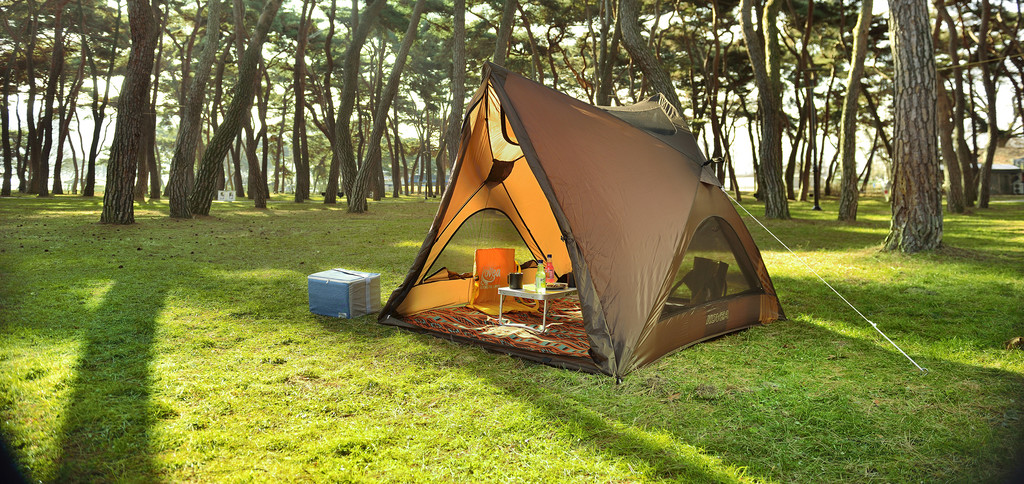
Walking near Seoul: Best Parks and Trails for City Escapes

Life in the city inevitably leads to a thirst for walking through lush forests or along quiet riversides. While it may be difficult to travel far due to time and cost constraints, it’s worthwhile to note that many relaxing green spaces can be found in the outskirts of Seoul. In this post, we’ll introduce some of the best places for walking near Seoul, focusing on Hangang Park, Namsan Dulle-gil Trail, and Bukseoul Dream Forest. Put on a pair of comfortable sneakers and set out on a healing walk that refreshes both body and mind.

Hangang Park: A Symbol of Serenity in the City

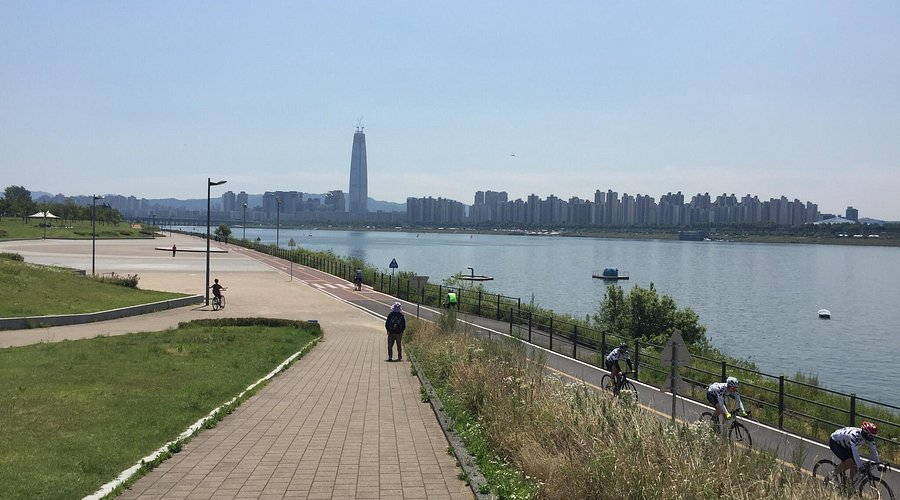
The Han River, which runs through Seoul, has evolved beyond its utilitarian purposes of transportation and commerce to become a place where citizens relax and enjoy leisure activities. Divided into multiple districts along the river, “Hangang Park” is easily accessible via public transportation, making it a beloved spot for quick outings. Each park—Yeouido, Jamsil, Ttukseom, Banpo, Nanji, Mangwon—offers its own unique features, giving visitors the fun of choosing among them.

For example, Yeouido Hangang Park allows visitors to enjoy the striking contrast of Seoul’s skyscrapers and the Han River, making it ideal for picnics or bike rides thanks to its expansive lawn. Banpo Hangang Park has become known for enjoying late-night snacks (especially fried chicken!) while taking in city night views and the mesmerizing Moonlight Rainbow Fountain show. Ttukseom Hangang Park is equipped with pools and water facilities, making it a top summer destination, while Nanji Hangang Park’s campgrounds and performance spaces draw those wanting to party the night away.

The riverside bike paths are another enjoyable feature where you can take a leisurely walk or bike ride. Whether renting a bicycle or using your own, the breeze from the river has a way of blowing away mental stress and physically loosening you up. Spring and fall, with their mild temperatures, are especially great for strolls. If you’re seeking a slice of nature within the city, be sure to visit Hangang Park.

Hangang Park

Namsan Dulle-gil: Forest Trail Trekking in the Heart of the City

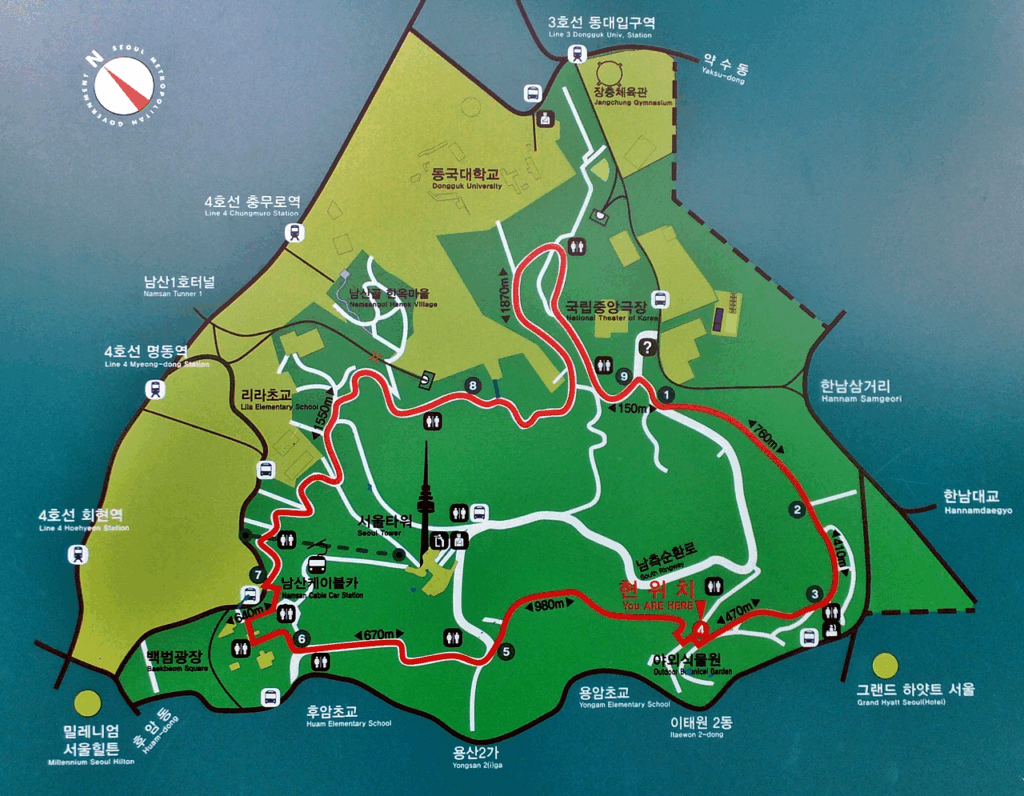
Namsan is a natural park located at the heart of Seoul. While it’s widely known for the N Seoul Tower, walking the “Namsan Dulle-gil” trail around the mountain’s base offers an equally rewarding healing experience. Spanning about 7.5km in total, the trail has multiple routes that can be tailored to your stamina and schedule.

The trail blends dirt paths and wooden decks intertwined with nature, presenting completely different visuals as the seasons change. Spring brings azaleas and cherry blossoms, summer features deep greenery, autumn explodes with colorful foliage, and winter transforms the trail into a snow-covered wonderland. Being close to the city means it’s easy to access without the need for specialized hiking gear.

Along the trail, there are viewpoints where you can take in panoramic views of Seoul’s skyline. The coexisting scenery of gray urban buildings and green forested hills creates a harmonious contrast, offering a temporary escape from urban hustle. After completing the trail, you can hike up to Namsan Tower or head toward nearby attractions like Myeong-dong or Namdaemun Market for food and shopping—perfect for extending your walk into a full-day outing.

Namsan Dulle-gil

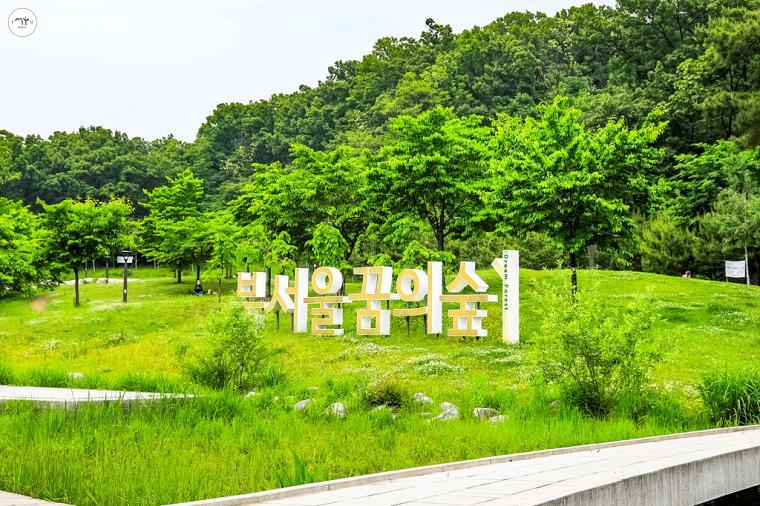
Bukseoul Dream Forest: A Peaceful and Beautiful Urban Park

In the northern districts of Seoul, one highly recommended walking destination is the “Bukseoul Dream Forest.” Easily accessible via Mia Sageori Station on Line 4 or Dolgoji Station on Line 6, followed by a short bus ride or walk, the park offers a laid-back atmosphere, less crowded with tourists. Built on the grounds of the former Dreamland amusement park, the area now combines a beautiful lake, open lawns, and cultural facilities in a harmonious layout.

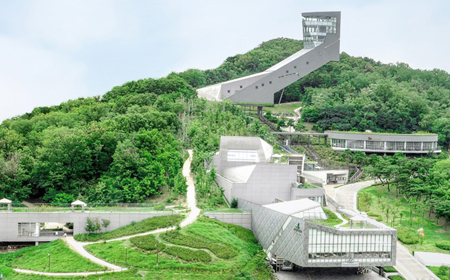
Themed gardens like “Changpowon” showcase different flowers and plants throughout the year, offering visual delight, while the lakeside trail around “Wolyeongji” caters to walkers of all ages—from children to seniors. Additionally, the park features a branch of the Buk Seoul Museum of Art and performance venues, providing opportunities to enjoy art exhibitions and cultural events. Although weekends attract families, the park’s spaciousness ensures peace and quiet are maintained.

One of the park’s highlights is its city farming experience areas such as the “Changpo Garden,” where both children and adults can learn how to grow crops and connect more deeply with nature. After a refreshing walk, consider exploring the local cafes or eateries in nearby residential areas—uncovering hidden foodie gems can be a pleasant bonus.

Bukseoul Dream Forest

Seasonal and Practical Tips

When planning a walk near Seoul, consider the season and weather. Spring and fall offer ideal temperatures for outdoor activities, but weekends and holidays can get crowded. If you prefer a quieter stroll, aim for weekday mornings or early hours. In summer, avoid heat and humidity by walking early in the day or after sunset. For winter walks, dress warmly to enjoy the snow-covered landscape without discomfort.

If you plan to walk for an extended period, bring comfortable shoes and clothing, water, and light snacks. Some trails may include slopes or uneven stairways, so it’s important to be mindful of safety. A light outer layer is helpful during the changing seasons, and make sure your phone is charged. Using navigation apps like Naver Maps or Google Maps can assist with route guidance and safety.

A Pause That Connects City and Nature

Walking trails near Seoul are more than just physical routes—they serve as bridges between urban chaos and natural calm. In Hangang Park, you can embrace romantic riverside views amidst the cityscape; at Namsan Dulle-gil, enjoy forest trails that reveal scenic lookouts across Seoul; and within Bukseoul Dream Forest, soak in a peaceful ambiance where flowers, lakes, and the arts come together beautifully.

For today’s busy people, this brief escape can be more powerful than expected. A slow-paced walk in the breeze helps organize your thoughts and brings a sense of peace and restoration. Talking with your walking companion naturally fosters deeper connections—not forced, but shared moments of life and reflection through nature.

Conclusion

One of the most simple yet meaningful ways to heal your mind and body is through a walk—and it doesn’t require special gear or preparation. Seoul and its nearby areas offer countless accessible parks, trails, and forest paths that you can visit even on weekends or after work. Why not alternate between enjoying the river breeze at Hangang Park, the forest aroma of Namsan Dulle-gil, and the tranquil lake of Bukseoul Dream Forest to relieve everyday stress?
Even if you’re new to walking, give it a try—you’ll likely find your body and mind surprisingly refreshed. It’s far less taxing than hiking, yet a perfect way to connect with nature and maintain your health. On your next day off, skip the complicated plans, grab a light backpack and comfy shoes, and head out to explore one of these peaceful walkways near Seoul.

Walking near Seoul

Webring Newsletter

K-Name Studio: Create your perfect Korean name based on your personality and style.
What’s My K-Beauty Personal Color?
WeBring Service : Provides personalized services to foreigners living in Korea
Exclusive offer: Introducing foreign car rental in Korea, WeBring-SoCar

Foreign Talent: Opportunities in Korea’s Booming Startup Ecosystem

When people think of Korea, major conglomerates like Samsung, LG, and Hyundai often come to mind first. However, it’s actually the startups that have been rapidly gaining ground, driving innovation and redefining the future of work. Many of these startups actively recruit international talent as they aim for global expansion. In this article, we’ll take a comprehensive look at startup culture, employee benefits, company visions, and the opportunities available to foreigners in Korea’s booming startup ecosystem. Stable employment at a large corporation is no longer the only answer — there are growing pathways to build your career and thrive creatively within startups as well.


Government Support & Active Investment

The Korean government has implemented a wide range of startup support initiatives, including grants, investment attraction programs, and accelerator schemes. These efforts have produced numerous startups across various sectors, including IT, biotech, edtech, and fintech. Some companies, like Coupang and Baedal Minjok, have even grown into unicorns (valued over 1 trillion KRW). Amid such momentum, foreign talent is increasingly welcomed — especially in areas like international marketing, translation and interpretation, global operations, and overseas partnerships, where international expertise is crucial.

Embracing Language and Cultural Diversity

Startups tend to be more flexible than large corporations, with many adopting English as a working language. Companies developing apps or web services for global markets benefit greatly from having foreign team members. For example, when refining UI/UX to align with global standards or running international social media campaigns, the insights and perspectives of non-Koreans are invaluable.

Foreign Talent


2) Startup Advantages: Flat Culture & Rapid Growth

Flat, Flexible Organizational Culture

While hierarchical structures still exist in Korea’s large corporations, startups generally foster a flat organization where people call each other by English names or nicknames and open debate is encouraged. Many startups also offer flexible working hours or remote work options. Language can be a barrier for foreigners, but various solutions — including English-language meetings and real-time interpretation tools — are often implemented to ensure smooth communication.

Fast Decision-Making & Multi-Role Opportunities

Startups operate with smaller teams and swift project-based execution. While one’s main role may be in marketing, development, or design, you can also lend support to other areas or join brainstorming sessions for new products. Foreign employees can leverage their global networks to conduct overseas market research, create international content, and explore a variety of tasks — making it an exceptional opportunity to expand your career skill set.

Stock Options & Reward Systems

Some startups may offer lower initial salaries due to limited funding, but they often compensate through stock options — the right to purchase company shares at a set price — or equity shares. If the company achieves significant success, such as an IPO or acquisition, these options can bring substantial returns. Of course, there’s always an associated risk, as success is never guaranteed.


3) Startup Drawbacks: Instability, Long Hours & Lack of Structure

Financial Instability

If a startup fails to secure funding, it may be forced to shut down. Thus, job security is typically lower than in large companies. Delayed paychecks or lower salaries are not uncommon, and limited budgets may result in underdeveloped employee benefits and training systems. Foreign employees should also be cautious — if the company is unable to sponsor visas, it could jeopardize your legal stay in Korea.

Confusion from Lack of Structure

Startups often lack established systems for personnel, accounting, or workflow, which can lead to inconsistent directions or sudden changes in plans. Foreigners may be frustrated when yesterday’s decisions change overnight. If you’re still learning Korean and internal documentation is poor or replaced by verbal instructions, it can become stressful.

Potential for Long Working Hours

When deadlines are tight or demo days for investors approach, extended work hours or weekends may be necessary. While more startups are embracing a healthy work-life balance, long hours are still frequently associated with the drive for success.


4) Foreign Hiring Process & Visas

Visa Sponsorship Required

Even startups must issue a proper work visa (such as E-7) to hire foreign employees. While large corporations are experienced in this, startups may be unaware of the procedures, especially if they’re hiring foreign nationals for the first time. You may need to assist your employer in navigating immigration office requirements. It’s essential to ensure the company’s industry and financial stability meet the criteria for visa issuance (such as revenue size, employee count, and so on).

Available Roles in Startups

Opportunities span areas such as product development (frontend/backend), design, global marketing and sales, translation and copywriting, operations, and support. If the position requires high specialization or is tailored to overseas markets — and local hiring is difficult — foreign employment becomes even more viable. If you want to stay long-term, it’s best to ask whether the company has financial stability and prior experience sponsoring visas.


5) Success Stories: Foreigners at Korean Startups

X (French Developer)

After majoring in computer science in France, X came to Korea as an exchange student and met a startup CEO at a networking event. After graduation, he returned to Korea and joined the fintech startup, which sponsored his E-7 visa. X says, “At first, I had to work overtime frequently due to the small team size, but I found it rewarding that my suggestions quickly became part of the actual service. All code was written in English, so the lack of Korean wasn’t a big problem.” Two years later, the company received Series B investment, and his salary also increased — boosting his satisfaction substantially.

Y (American Edtech Marketer)

Y was working as an English teacher in Korea when she was recruited as a global marketing lead for an English-learning app developed by a Korean startup. The company valued her language and educational expertise, and helped her transition from an E-2 (teaching) to an E-7 (professional) visa. She mainly used English at work and spoke Korean with colleagues as needed. Y shared, “Startup culture is very open, and I love seeing my ideas implemented in the product. Though it feels unstable at times, it offers incredible personal growth opportunities.”


Conclusion: Startups Welcome Foreigners & Offer Abundant Opportunities

For foreigners seeking jobs in Korea, startups can be just as attractive as major corporations. Their flat and creative organizational culture, diverse roles that utilize global skillsets, and potential rewards like stock options are distinct advantages. Of course, you’ll need to weigh the downsides such as financial instability, lack of structure, and potentially long hours.
Most hiring is done via startup-focused platforms like Wanted and RocketPunch, as well as LinkedIn and company websites. To obtain an E-7 visa, the company must sponsor it. Since many startups are equipped for English communication, TOPIK scores are not always required — but being able to speak Korean broadens your collaboration scope.

Ultimately, startups are where “high growth, high risk, and high reward” coexist. If you’re a foreigner who values innovation and accomplishment over stability, pursuing a career at a Korean startup is worth considering. As the Korean market continues to globalize and K-startups expand internationally, more foreign professionals are joining these teams — making this an excellent time to dive in.

외국인 스타트업

Webring Newsletter

K-Name Studio: Create your perfect Korean name based on your personality and style.
What’s My K-Beauty Personal Color?
WeBring Service : Provides personalized services to foreigners living in Korea
Exclusive offer: Introducing foreign car rental in Korea, WeBring-SoCar