Bike in Korea – from tips on hiring a ‘Seoul Bike’ to the best places to go by bicycle

Hello, active travellers! Are you curious about bike in Korea? There are so many great places to explore by bike in Korea. Why not immerse yourself in the charm of cycling through panoramic natural landscapes? From big cities to rivers, lakes, and coasts. Safe bike paths and rental systems are waiting for you. In this guide, we’ll tell you everything you need to know about cycling in Korea, from Seoul Bike, the country’s public bicycle system, to local cycling destinations and rental tips. This article is part of our guide to exploring Korea by bike: 55 Tips for Getting to Know Korea for Foreigners series.

Touring the sights of Seoul by bike in Korea

  • Han River Bikeway: A well-developed cycling path along the Han River, the lifeblood of Seoul, stretches from Yanghwa Bridge to Paldang Bridge and covers a total of 80 kilometres. The views of the city at night and the natural surroundings are stunning.
  • Namsan Circular Bike Path: Circle Namsan Mountain, which towers over the centre of Seoul, and enjoy panoramic views of the city on this 8-kilometre loop around the mountainside. It’s a refreshing ride through the forest.
  • Gyeonguisun Forest Path Bikeway: This 6.3km route runs from Yongsan Station to Hongdae Entrance. It’s a linear park made from recycled railway tracks. Look over the fence to get a sense of the city centre. The photo zone on the railway tracks is also popular.
Bike in Korea

Bike destinations in Korea’s beautiful countryside in all four seasons

  • Spring, Gyeongju Cherry Blossom Ride: Gyeongju is famous for its cherry blossoms, and we recommend the 20km course that connects Bomun Complex, Bulguksa Temple, Cheomseongdae, and more. Ride happily through the cherry blossom tunnels. Feel the breath of 2,000 years of history.
  • Ganghwado Coastal Road in summer: Ganghwa-do is an island just across the Ganghwa Bridge, and this 70km route circles the coastline. The best part is riding by the beach at Seaside Resort, famous for its windmills.
  • Autumn, Chuncheon Bike Path: In the lakeside city of Chuncheon, there’s a 27km route that loops around Lake Uiram. The backdrop of autumn coloured mountains and lakes will fill you with emotion.
  • Winter, Ara Bikeway: This 40km cycle path is located at the mouth of the Nakdong River in Busan. It’s beautiful in winter too, with ecological parks and migratory bird sanctuaries. Feel the winter in Busan with the sea breeze.

Ride Seoul’s public bicycles on Seoul Bike

  • About Seoul Bike: Seoul Bike is the city’s public bicycle system. After signing up, you can rent and return bikes from rental stations around the city. It’s easy and affordable, making it popular with Seoulites and international tourists alike.
  • How to use Seoul Bike: Sign up for a membership on the Seoul Bike app or website. You’ll need to register your passport number and card details, then use the app to rent a bike and return it to your preferred location. You can choose between a 1,000 won/1 hour or 2,000 won/2 hour pass.
  • Recommended Seoul rides: We recommend the city centre route, which takes you from Bukchon Hanok Village to Jongno and Cheonggyecheon, or the royal palace route, which starts at Deoksugung Palace, passes Gyeongbokgung Palace, Gwanghwamun Gate, and ends at the Han River.
Bike rental in countryside destinations

  • Gyeongju Public Bike Tasila: Gyeongju City has a public bicycle service called Tasila. You can rent them from various locations via their website, and the best part is the cost. A one-day pass costs 1,000 won for two and a half hours of use.
  • Ganghwa Island Bike Rental: There are bike rental shops all over Ganghwa Island, including at the entrance to Ganghwa Bridge. Prices vary from shop to shop, but you can ride all day for around 20,000 won. Electric bikes are also popular.
  • Cycling around Jeju: Jeju Island has a well-developed ‘circumference path’ cycling route that takes you around 50km in one day, including Yongnuni Oreum, Sanbangsan Mountain and Hamdeok Beach. You can rent a bike from any of the bike shops in Jeju City.

Tips for renting a bike

  • Check your safety tips: Go over basic safety tips before you rent a bike. Things like obeying traffic signals, not riding on sidewalks, and having lights on at night are a must, as is wearing a helmet.
  • Check the bike’s condition: Before you rent, make sure to check the bike’s condition, including brakes, tyres, and chain. If there are any problems, ask for a replacement immediately. An uncomfortable bike can cause an accident.
  • Be aware of the rental area: Check the traffic and road conditions in the area where you’ll be cycling. Avoid narrow roads with no shoulder and heavy traffic. Different areas also have different bike parking rules, so be careful when returning your bike.

Useful apps for bike in Korea

  • Naver Maps and Kakao Maps: These mapping apps cover major roads, small side streets, and even basic bike navigation. They also have relatively good English language support.
  • Strava: This app is used by cycling enthusiasts all over the world. It’s great for logging and analysing routes, sharing them with riders around the world and competing in real-time leaderboards.
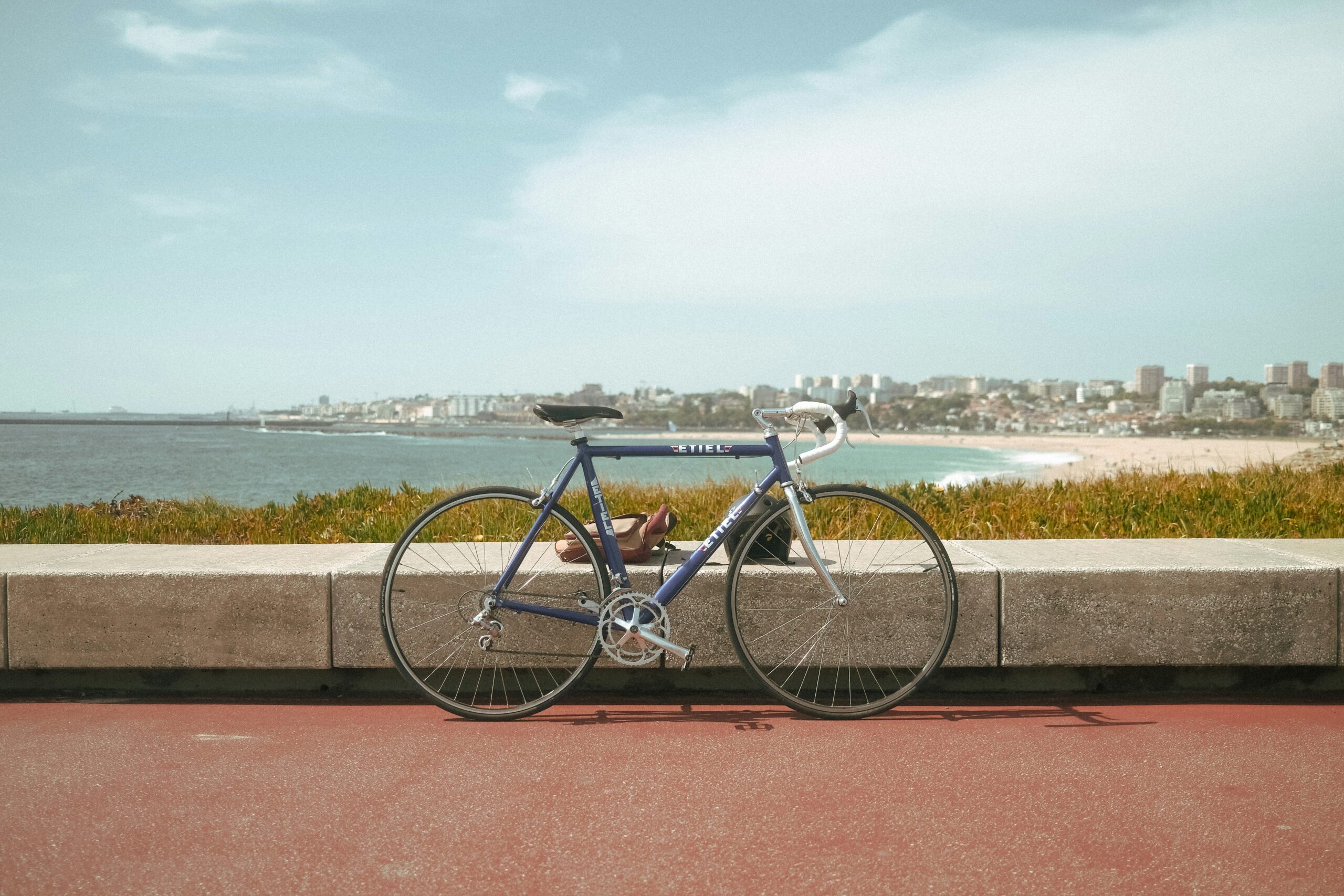
Cycling safety tips and tricks

  • Obey traffic laws: Cycling in Korea requires you to obey traffic laws: use pedestrian crossings, ride on the right, and never drink and drive.
  • Wear safety gear: Helmets are mandatory. Wrist guards and knee pads are also a good idea, and if you’re riding at night, make sure you have a headlight and reflectors.
  • Check the weather forecast: Korea has rainy seasons and typhoons in the summer, so be sure to check the forecast before you ride. If heavy rain or strong winds are forecast, it’s best to avoid outdoor activities.

With so many cycle lanes, why not try cycling in Korea? We’ve got the lowdown on everything from rentals to popular routes, so all you need to do is get out there and try it for yourself. Hop on a tandem in Seoul and explore the city centre, or find a bike rental shop in your favourite countryside destination.

From the Han River to Namsan, from Gyeongju to Jeju. Discover hidden gems as you cycle across the country. Feeling the wind in your hair as you ride through the open countryside will have you squealing with delight, and we’re sure you’ll make some happy memories. Just follow the safety tips and enjoy the ride. We wish you an unforgettable trip to Korea with your bike!

Mastering Korea Car Rental as a Foreigner – Driving Tips and Top Destinations for Foreigners

Hello, foreigners traveling to Korea! Do you need a foreigner car rental in Korea so you can freely explore the country’s beautiful landscapes and hidden attractions? It’s a great way to get to places that are hard to reach by public transportation, and you can enjoy your trip on your own schedule. In this guide, we’ll give you a rundown of tips for renting and driving a car in Korea from a foreigner’s perspective.

From driving licenses to dealing with accidents to recommended destinations, we’ll cover it all. So, are you ready? Let’s get your rental car and get started on your unique trip to Korea. This article is part of our Korea Travel Guide: 55 Tips for Getting to Know Korea for Foreigners series.

Korea Car Rental, What to Expect

How to drive in Korea? From getting an International Driver’s License

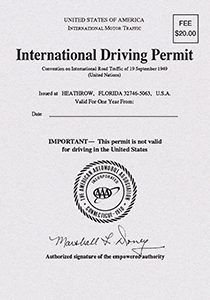
  • Why you need an International Driver’s Permit: To drive legally in Korea, you need an International Driver’s License, not just any license from any other country, it must be issued by your home country, and it must be an International Driving Permit. International Driving License will not be accepted.
  • To get an International Driver’s Permit, you need to have a driver’s license from your home country, a passport-sized photo, and a fee. Please note that the date of issuance of your International Driver’s License should not be earlier than the date of entry into Korea. Please come to Korea within one year after receiving your license.
  • Types of international driver’s licenses: There are two types of international driver’s licenses: the Geneva Convention of 1949 and the Vienna Convention of 1968, both of which are recognized in Korea, but the more recent ones are more commonly accepted.
Korea Car Rental

What to bring when renting a car in Korea

  • Documents required: ① International Driving Permit ② Passport ③ Credit card or cash (many places don’t accept debit cards) ④ Contact phone number in Korea ⑤ Directions or navigation. Each car rental agency may vary slightly, so check in advance.
  • Age restrictions and surcharges: You need to be at least 21 years old to rent a car, and you’ll have to pay extra if you’re under 25. The age limit is higher for luxury cars, so make sure to check this out!
  • Insurance: Car insurance is often included in the rental price, but may be extra for rental agencies near airports or major tourist attractions. Pay close attention to the coverage limits and purchase additional insurance if necessary.

Recommended Korea car rental companies for foreigners

  • As a foreigner, finding a service to rent a car in Korea can be a difficult choice. The following two services are well known for their foreigner-friendly services.
  • Enterprise Rent-A-Car : Enterprise Rent-A-Car is the world’s No. 1 car rental service in more than 100 countries around the world, and it’s also available in Korea.
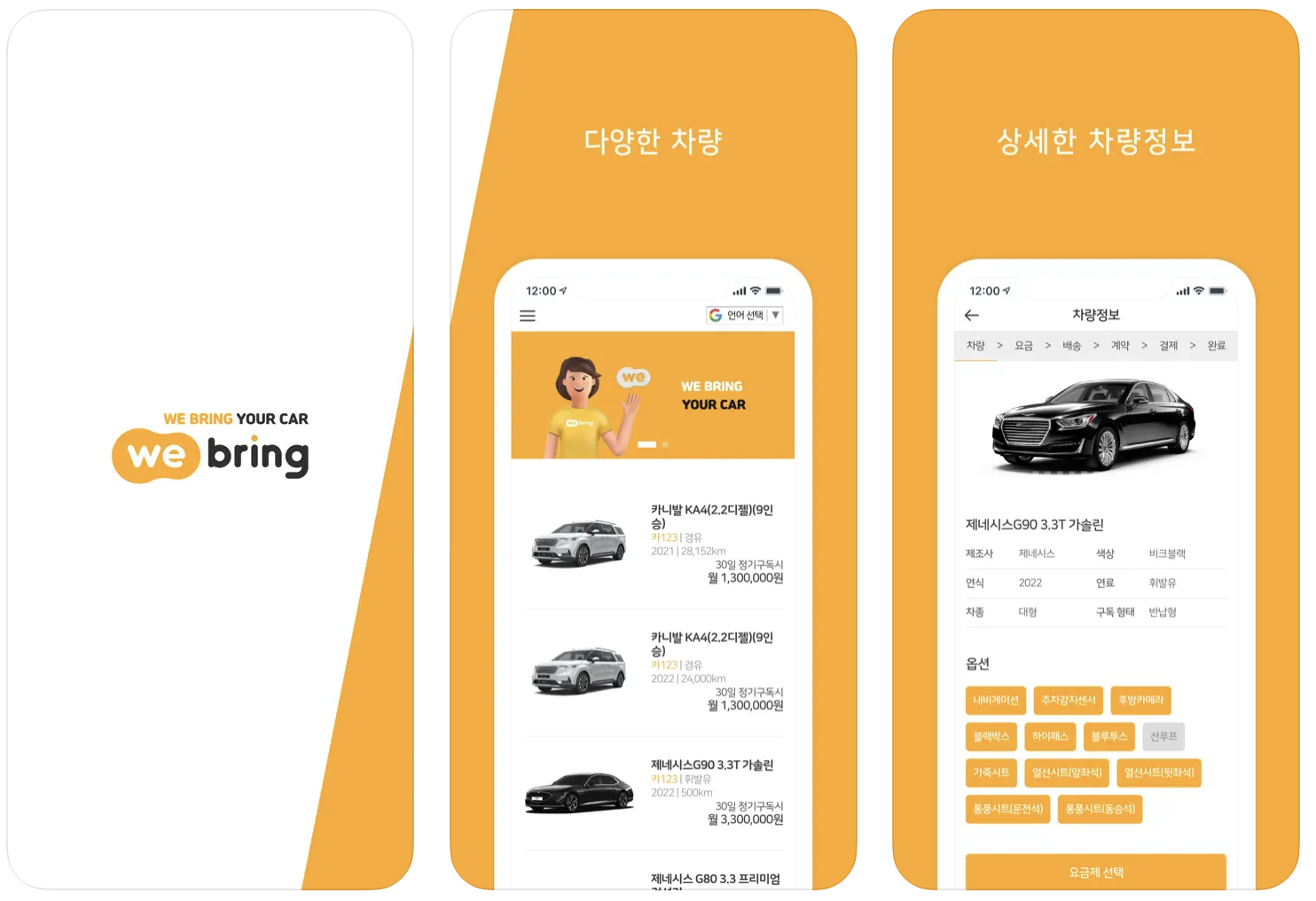
  • WeBring : This is a service exclusively for foreigners, specializing in renting and selling cars to foreigners staying in Korea for short or long periods of time.
WeBring

Traffic Laws and Parking Culture in Korea

  • Basic traffic rules: Korea drives on the right, you must use your turn signal when changing lanes, and zigzagging is not allowed. The speed limit is usually 50-60 km/h in the city and 100 km/h on the highway.
  • Parking culture and precautions: Parking is scarce in Korea, so it’s best to use public or paid parking lots in the city center. Avoid parking on the street as much as possible.
  • Enforcement and fines: Traffic enforcement in Korea is relatively strict, with fines for running red lights, speeding, and illegal parking. Be aware that there are many unmanned CCTV cameras that enforce traffic laws, especially for red lights and speeding. If you get a fine, the car rental company can pay it for you and bill you later!
한국 렌터카

Korea car rental, recommended routes

Traveling from Seoul to Gyeonggi Province

  • Gapyeong Morning Silence Arboretum: This arboretum is located an hour from Seoul. The spring cherry blossoms, summer hydrangeas, and fall foliage are beautiful. Take a leisurely stroll through the 2 million square meters of nature.
  • Yangpyeong Semi-One: This garden resembles the landscape of Tuscany, Italy. There are many cute photo zones and European-style architecture. We also recommend taking a drive to Dumulmu-ri, which is a beautiful place.
  • Heiri Art Village in Namyangju: This artistic village near Seoul is full of galleries, workshops, and cafes, and is a fun place to explore. Nearby is Bukhansan National Park, where you can go trekking.

A trip to the mountains and sea in Gangwon-do

  • Sokcho and Yangyang: Take in the azure waters of the East Sea at Cheongchoho and Yeonggeumjeong in Sokcho. Nearby Yangyang’s Surfy Beach is a surfing mecca. Don’t miss Naksansa Temple and Hajodae.
  • Jeongdongjin and Samcheok: Jeongdongjin is a beach famous for its sunrises; the hourglass sculpture in front of the train station and cafes with ocean views are romantic; and Hwanseongul in Samcheok is a beautiful seafood cave.
  • Pyeongchang and Gangneung: Pyeongchang’s Odaesan National Park offers lush forest drives. Alpensia and Yongpyong resorts are a skiing paradise, while Gangneung Gyeongpodae offers a harmonious view of the lake, sea, and pine forests.
한국 렌터카 여행

Everything you need to know about renting a car in Jeju Island

  • Jeju car rental travel tip: There’s no better way to explore Jeju Island than with a rental car. It’s an efficient way to get around Jungmun Tourist Complex, Seongsan Ilchulbong Peak, Seogwipo, and more. However, be aware that Jeju Island has many steep roads and often gets foggy, so drive carefully.
  • Eastern Coastal Road: This coastal road runs from Seopjikoji to Seongsan Ilchulbong and Sewhwa Beach. It’s a great way to drive by the blue sea. You can rent a car at Seongsan Port on the way to Udo.
  • Destinations in the West: The emerald waters of Hyeopjae Beach are soothing to look at, and you can hike Sewolbong Peak and watch the sunset. Saebyeol-oreum in Andeok-myeon is a horse-shaped volcanic body.

Korea Car Rental: What You Need to Know

Use navigation and get real-time traffic

  • Navigation app recommendations: Korea’s leading navigation apps, Kakao Navi and T-Map, both support English and have voice guidance, which is very useful when driving. Download them from the App Store/Play Store.
  • Get real-time traffic information: You can check real-time traffic conditions on apps like Kakao Maps and Naver Maps, and it will be reflected in your navigation system. Avoid congested sections of highway.
  • Use the Korea Expressway Corporation website/app: Korea Expressway Corporation provides real-time highway traffic conditions in English, Chinese, and Japanese. You can also calculate highway tolls and find rest areas.

Incident response and load-servicing

  • What to do in case of an accident: In the event of an accident, the most important thing is to ensure a safe environment. Pulling your vehicle over to a safe shoulder, turning on your hazard lights, and calling the police (112) and, if necessary, an ambulance (119) are standard procedures. In addition to this, as a WeBring customer, you have immediate access to our dedicated team, which provides 24-hour multilingual support. Unlike regular car rental services, this allows for a quick response without language barriers, making incident handling more efficient. We also offer the option for a WeBring employee to come to the scene of the incident to assist the customer, eliminating the common inconvenience of contacting the car rental agency and waiting for assistance.
  • Roadside assistance: Traditional car rental companies offer roadside assistance in the event of a vehicle breakdown, such as a flat tire or dead battery, but they may only be available during business hours or have limited night and weekend service. WeBring, on the other hand, guarantees 24/7 customer support through the phone number specified in the contract. Being accessible to customers anytime, anywhere is a huge relief in the event of an emergency. This helps customers get their issues resolved immediately when they face an accident or vehicle breakdown.
  • Collision Damage Waiver: If a foreign customer is injured while renting a car, the process of applying for a collision damage waiver from their auto insurance company can be complicated. Webring can help customers navigate this process with ease, preparing all the necessary documentation and coordinating with the insurance company. This service is especially helpful for customers who are not fluent in Korea, and greatly reduces the burden of an accident.
  • The biggest advantage of a foreigner-only car rental service in Korea is that it makes it easier to deal with such accidents. Sure, insurance will cover the cost, but there’s a good chance that there will be communication problems and other uncomfortable situations along the way. WeBring has a well-equipped customer center for foreigners, so it’s easy to get help. If you’re a foreigner thinking about renting a car in Korea, give them a try.

Driving a rental car in Korea is easy, right? Just make sure you have your driver’s license and all the necessary documents in advance and follow the traffic laws. With navigation and real-time traffic apps, you’ll be able to get around without getting stuck. From the outskirts of Seoul to Gangwon Province and Jeju Island, you can go anywhere with a rental car. You’ll be amazed by the beautiful landscapes of Korea right outside your window, and you’ll be sure to make some special memories with your family, partner, and friends. Drive safely and have a great trip!

A Foreigner’s Guide to Korean Domestic Flights

Korean Domestic Flight

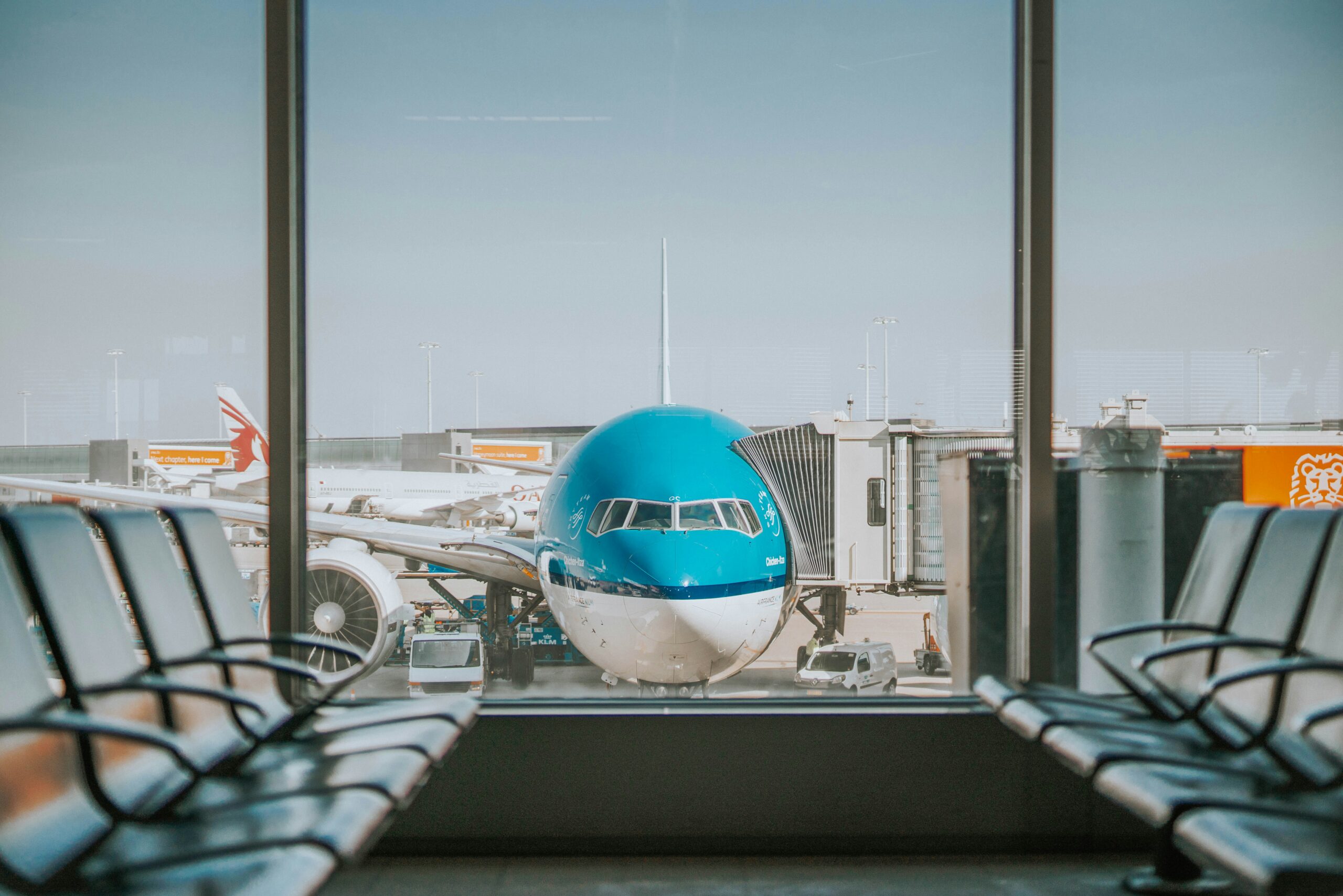
Hello, foreigners traveling to Korea! Have you ever wanted to head to Jeju Island, where the blue sea and Hallasan Mountain await? The fastest and easiest way to get to the island is by plane, but if you’re new to flying Korean domestic flights, it can be a little intimidating: you’ll have to use a domestic airport, and the boarding process is in Korean. In this guide, we’ll walk you through how to fly domestically in Korea, with a focus on Jeju Island, from a foreigner’s perspective.

From how to get to the airport, to boarding procedures, to what to bring on board, we’ll break down the ins and outs of domestic flights. Once you’ve followed along, flying domestically in Korea will be a breeze. So let’s get started on conquering domestic flights like a foreigner! This article is part of the Korea Travel Guide: 55 Tips for Foreigners Getting to Know Korea series.

From booking a Korean domestic flight to getting to the airport from a foreigner’s perspective

How to Book Korean Domestic Air Plane Tickets, Even for Foreigners

  • About domestic airlines: Korea’s domestic airlines, including Korean Air, Asiana Airlines, Jeju Air, Jin Air, and T’Way Air, operate domestic flights from various base cities. Almost all of them fly to Jeju, and you can get there for less with budget airlines.
  • Where and how to book: Most airline websites are available in English, but you can also use global booking sites like Expedia and Skyscanner. If you don’t understand Korean, you can use a translator or get help from a friend in Korea.
  • Note to foreigners: Make sure to enter your English name exactly as it appears on your passport. If you have an Alien Registration Card, you can get a seat discount by entering the number when booking.
Korean Domestic Flight

Airports for Korean domestic flights, explained in plain English for foreigners

  • Incheon International Airport: The domestic counter is located on the 3rd floor of Terminal 1. Head to the right of the departure hall and follow the signs in English. Domestic flights tend to be quieter at Incheon International Airport, so it’s easier to board. However, most domestic flights depart from Gimpo International Airport.
  • Gimpo International Airport: Most flights from Seoul to Jeju depart from Gimpo Airport. The airport building is divided into international and domestic, so head to the domestic building. There are good information services in multiple languages.
  • Jeju International Airport: Jeju Airport is the hub for domestic flights. Once you arrive, you can get help in English at the car rental desk or tourist information center. They’ll be more helpful if you speak simple Korean.

How to get to the airport without getting lost, even as a foreigner

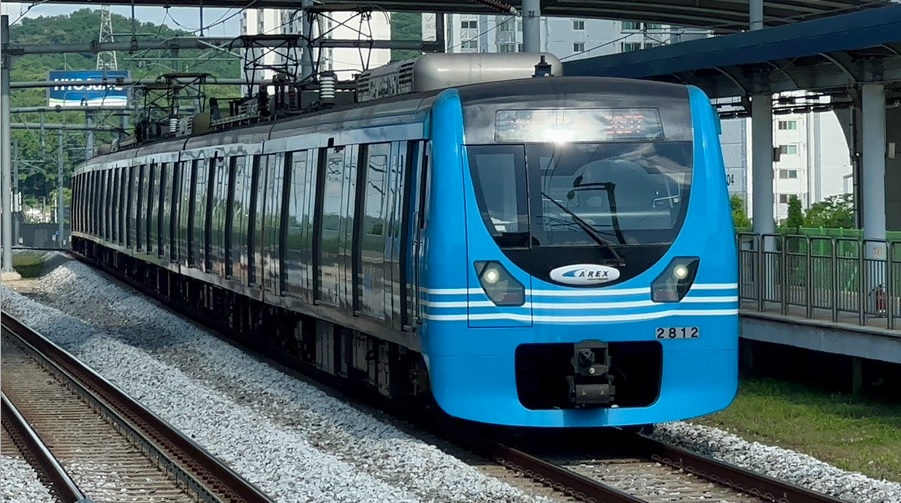
  • How to get to Incheon Airport: The easiest way to get to Incheon Airport is by Airport Railroad, which you can take from Seoul Station or Hongdae Station. Follow the English-language announcements and take the train to the airport. It’s a direct train and you can get off at the airport.
  • How to get to Gimpo Airport: Seoul Subway Lines 5 and 9 and the Airport Railroad connect to Gimpo Airport. Just follow the signs from the airport station to the Domestic Terminal, and you’ll be guided by friendly English-speaking staff. Of course, you can also take an airport bus to Incheon Airport, but most of them go through Gimpo Airport.
  • Taxi tip: When taking a taxi, ask the driver for the airport terminal. If you’re having trouble pronouncing Korea, you can also type “Incheon Airport” or “Gimpo Airport” into your phone and show it to them. They’ll be able to calculate the fare for you.
공항철도

Domestic airport tips for foreigners

Check in for Korean domestic flights, even for foreigners, in 30 minutes

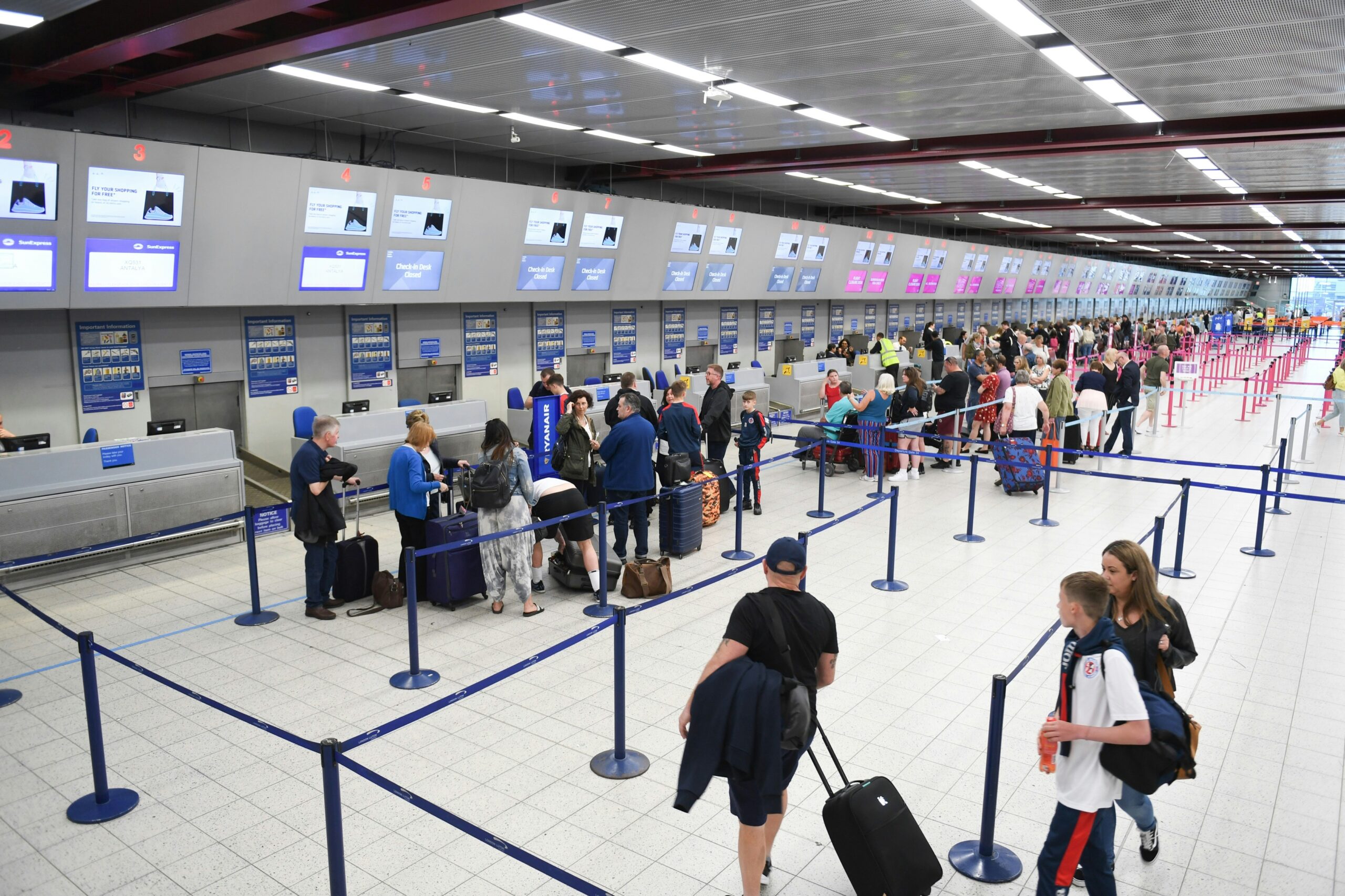
  • Check in: Show your passport at the airport counter and get a boarding pass. Ask an English-speaking agent for help, and self-check-in kiosks have English menus to make it easier.
  • Go through security: Read the instructions in English when you go through security. Remove electronics like laptops and place them in a basket.
  • Tip for fast passage: Use web/mobile check-in to avoid waiting at the counter. Arrive at the airport with plenty of time, but be on time at the security checkpoint. A simple greeting in Korea will speed up the process.
공항 청사

Finding the gate for a Korean domestic flight, even for foreigners

  • Use the signs: The airport is well signposted in both Korean and English. Follow the signs for Departure, Gate, etc. to avoid getting lost.
  • Listen to the announcements: There are also English announcements near the gate, so make sure to memorize your flight number in Korea and listen to the English announcements. Say something like “Passengers to Jeju, flight OZ8549” to indicate your destination and flight number.
  • Ask a staff member: Most airport staff can communicate in basic English, so don’t hesitate to ask them if you’re confused about your gate. “Jeju? Gate?” (Which is the gate to Jeju Island?) and they’ll be able to tell you right away.

Tips for acting like a Korean on an airplane

  • Learn Korea in a snap: Try saying “Kamsahamnida” (thank you) when thanking the flight attendant. Add “Juseyo” (please) when ordering food or drinks.
  • Takeoff and landing reminders: You must fasten your seatbelt during airplane takeoff and landing. Fasten your seatbelt when you hear the announcement “Anjeonbeltu” (seatbelt). If you experience ear congestion, try swallowing or yawning.
  • Find your luggage after arrival: When you get off the plane, go to the arrivals lounge. Follow the sign that says “Bagaji” to the baggage claim area and wait for your bag to come off the belt.

Enjoy Jeju Island, information tailored for international visitors

How to get around Jeju Airport

  • Renting a car at Jeju Airport: There are rental desks in the Jeju Airport Domestic Terminal, making it easy to rent a car. Be sure to check the rental conditions for foreigners. Ask for an English navigation system to make driving easier.
  • Take public transportation: There are limousine taxis and bus stops outside the Jeju Airport. You can buy a ticket by telling them where you’re going in English and the driver will tell you where you’re going. Buses are cheap and easy to get to downtown Jeju.
  • Take a tourist shuttle bus: There are also shuttle buses to famous tourist spots, so ask at the airport. The buses have the main tourist spots written on the front in English. The buses follow a set route and are great for first-timers.

Jeju Island, a must-visit travel destination

  • Udo: A small island in Jeju Island, Udo has beautiful blue waters and beaches and is great for biking. It’s a 15-minute ferry ride from Jeju Port. Type “Udo-myeon” into your car’s navigation system.
  • Hyeopjae Beach: This is Jeju’s best beach with emerald waters. It has a long stretch of white sand and crystal clear water that tickles your toes. There are hotels, restaurants, and cafes. Type “Hyeopjae Beach” into your car’s navigation system.
  • Hallasan National Park: Hallasan National Park is home to Jeju’s iconic Mount Hallasan, as well as other natural wonders like rock formations and waterfalls. It’s easy to hike here with well-maintained trails. It takes about five hours to reach the summit. Enter “Hallasan National Park” into your car’s navigation.

Closing thoughts

Flying domestically in Korea and traveling to Jeju Island can be a fun adventure, even for foreigners, with a little preparation. Listen to the Korean announcements on the plane and take your adventure lightly. You’ll discover Korea’s unique charms like nowhere else in the world. Breathe in the refreshing breeze, admire the emerald waters of Jeju, and treat your taste buds to fresh seafood. You’ll feel the joy of Jeju’s natural beauty. We wish you a wonderful trip to Jeju!

The Complete Guide to Train Travel in Korea – From KTX to Mugunghwa Lake

Train travel in Korea by train is an integral part of any trip to Korea. From the speed of the KTX to the coziness of the Mugunghwa Lake. Whether you’re looking for a scenic romance or a convenient way to get to your destination, don’t worry, with this guide, you’ll be able to navigate Korea’s trains with ease. From booking to boarding to transferring. We’ll even give you tips and tricks for each type of train, including the KTX, ITX, and Mugunghwa, so you can get started on your trip to Korea today. This article is part of our guide to traveling in Korea: 55 Tips for Getting to Know Korea for Foreigners series.

Types and Features of Train Travel in Korea

KTX/SRT – Fast and convenient high-speed rail

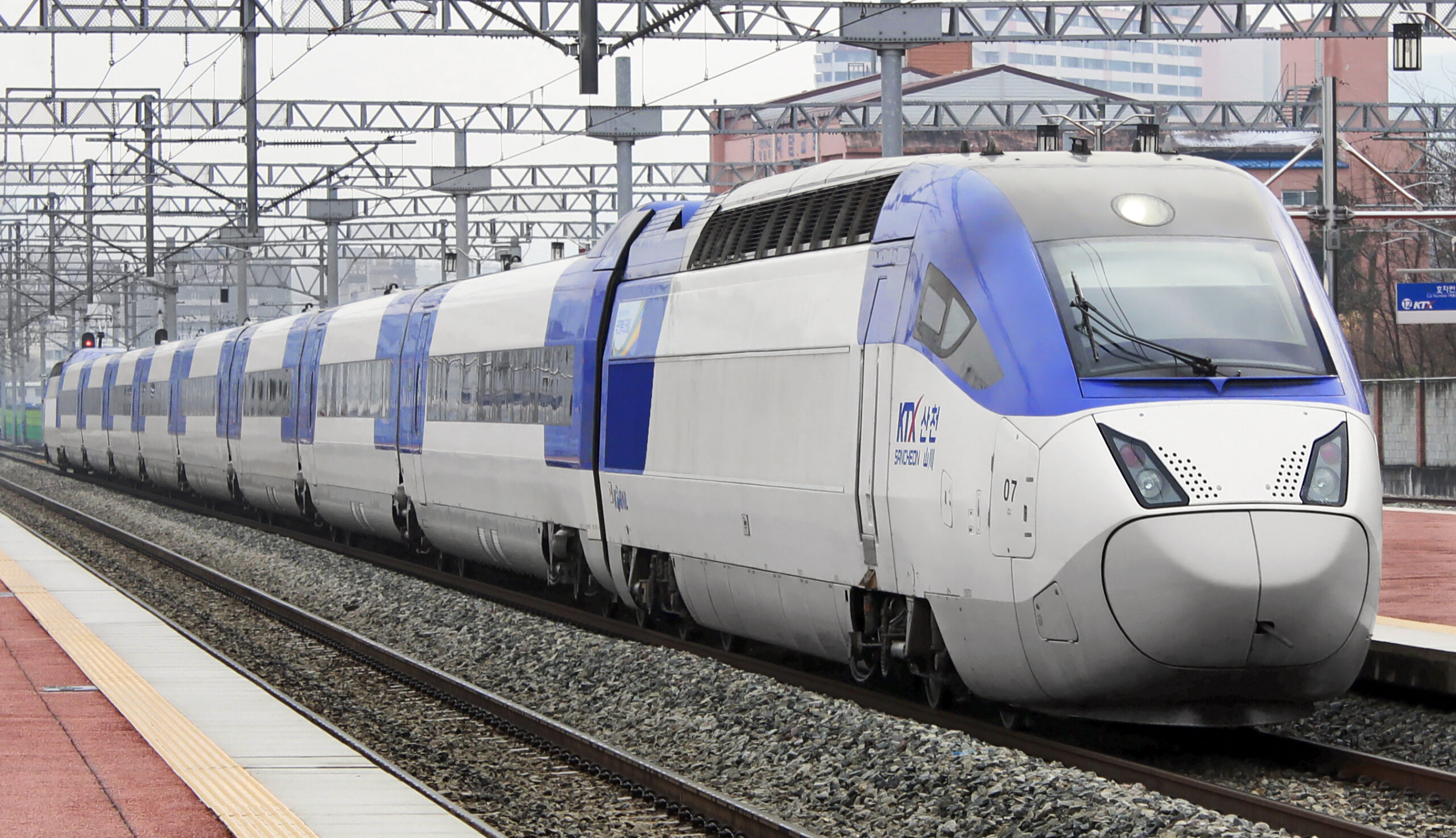
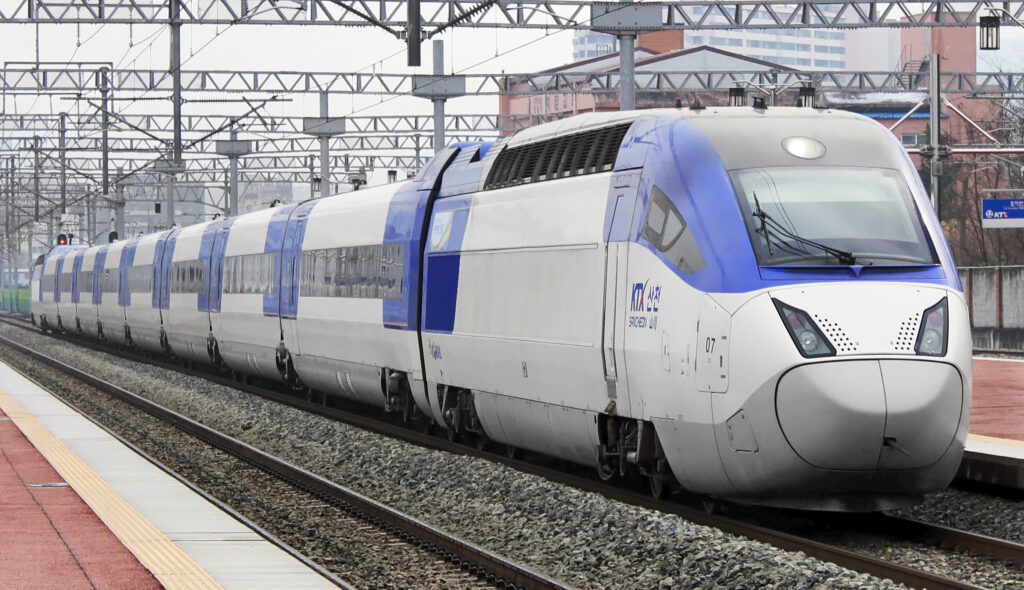
  • What is KTX/SRT: KTX is synonymous with high-speed rail in Korea. It was later joined by a line called SRT, which started operating from Seoul’s Suseo Station. KTX-Cheongryong connects major cities in Korea at speeds of up to 320km/h. It’s the fastest way to travel long distances, second only to airplanes. Like high-speed trains in Europe and Japan, it’s fast in Korea and passes through major hubs in many regions.
  • Routes and travel times: KTX covers major routes across the country, including Seoul-Busan, Seoul-Mokpo, and Seoul-Gangneung. It takes about 2 hours and 40 minutes (minimum 2 hours and 20 minutes) to travel from Seoul to Busan. New routes are being added all the time: SRT runs from Suseo to Busan and Suseo to Goal.
  • Features and benefits: KTX and SRT are spacious and comfortable, with outlets at every seat to charge your devices, free Wi-Fi on board, and convenience stores and cafes at every station to grab a bite to eat.
Train Travel in Korea

ITX – Comfortable Semi-High Speed Train

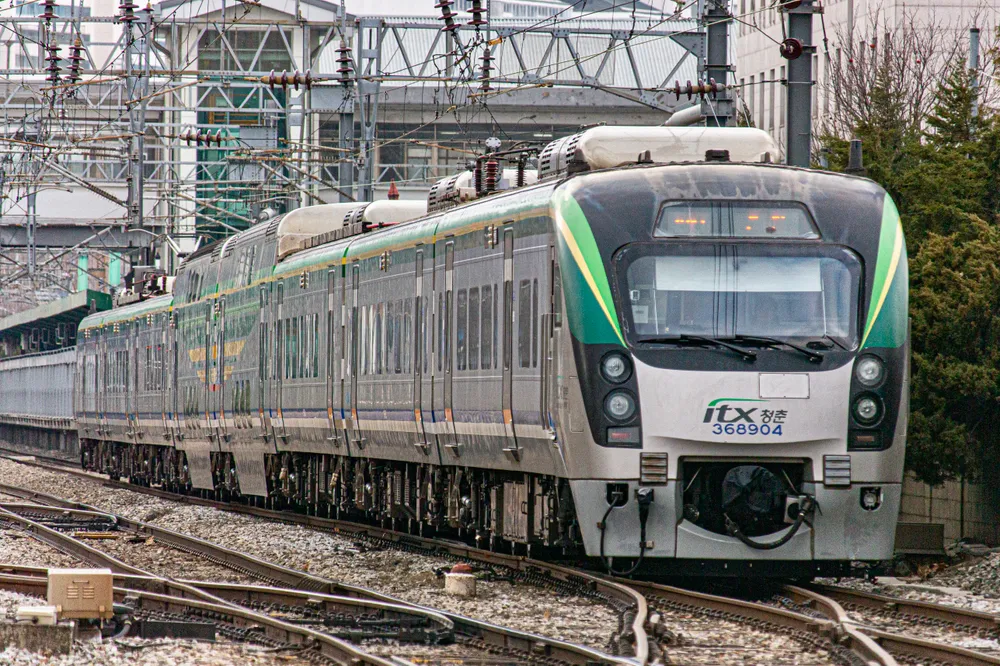
  • About ITX: It’s a train halfway between a high-speed rail and Saemaul, slower than KTX but faster than Saemaul, with comfortable cabins and low prices.
  • Types and routes: There are two types of ITX: ITX-Saemaeul and ITX-Cheongchun. ITX-Saemaeul runs long-distance routes such as Seoul Busan and Seoul Mokpo, while ITX-Cheongchun runs short-distance routes such as Seoul Chuncheon and Seoul Andong.
  • Features and benefits: ITX is not as fast as KTX, but the seats are wider and more comfortable, and the noise level is lower due to the extra space. In addition to the regular compartments, there are also special compartments with comfortable seats and services.
ITX 청춘

Saemaeul Lake and Mugunghwa Lake – How to enjoy the beauty of slowness

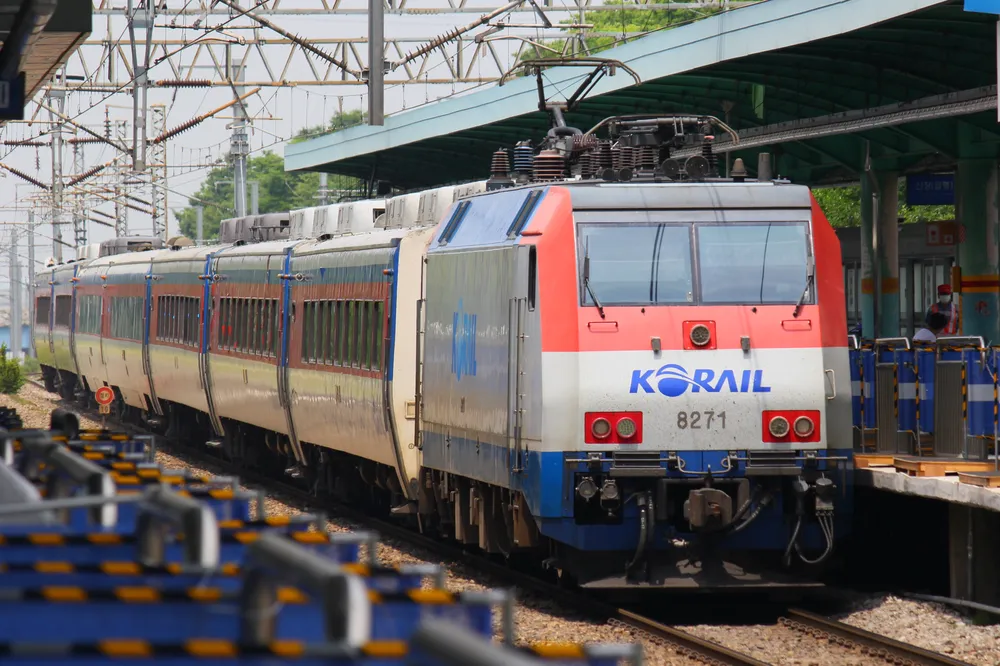
  • About Saemaeul and Mugunghwa: Saemaeul and Mugunghwa are conventional trains that predate KTX. They’re slow, but they’re as nostalgic as their long history. The seats are spacious and you can enjoy the scenery outside the window.
  • Routes and types: Saemaeul is used to travel between large and medium-sized cities, while Mugunghwa is used to travel between small and medium-sized cities and the countryside. Mugunghwa has express, regular, and other types. It takes longer, but the fare is cheaper.
  • Advantages and recommended routes: If you have time to spare, I recommend Saemaeul Lake or Mugunghwa Lake. You can enjoy the romance of train travel without being pressed for time. There are many scenic routes such as Gyeongbu Line Saemaeul Lake and Gyeongjeon Line Mugunghwa Lake.
무궁화호

Train travel tips for the masses

How far can you get on a train trip in Korea?

  • The railroad map below shows train stations for high-speed rail and some local railroads. First, choose the region you want to travel to and see if there is a train station in that area. You’ll find train stations in big cities like Seoul, Busan, Daejeon, Gwangju, Daegu, and Ulsan, as well as in cities near the sea like Gangneung and Mokpo, as well as in popular tourist destinations like Gyeongju and Yeosu.
기차 노선도

Book train tickets and issue tickets, even if you’re a beginner.

  • How to book a train ticket: You can book a train ticket through the KORAIL app or website, or directly at a station window or ticket vending machine. It is recommended to book in advance, especially during peak periods and weekends. The same goes for SRT.
  • How to get your ticket: Once you’ve made your reservation, you’ll need to get your ticket within the specified time. At the station window or ticket vending machine, enter your reservation number and print out your ticket. If you use a mobile ticket, you can board the train immediately without ticketing.
  • Seat selection tip: You can choose your seat when booking, so if you prefer a window seat, it’s best to book early. Please note that KTX cars 13 and 14-18 are located far from the station. There are also table seats for 4 people or single seats.

Things to know about transfers and boarding trains

  • Know your connection times and locations: If you have a train connection, make sure you know the time and platform in advance. It’s best to know your train time and destination so you have plenty of time to get there. Pay attention to on-board announcements and platform displays.
  • Luggage storage and carry-on: Do you have a lot of luggage? KTX has racks at the entrance of the train for large bags, and you can also use lockers at the train station, but be sure to carry your valuables with you in case they get lost.
  • Be courteous: Be considerate of other passengers on the train. Don’t talk or eat loudly, dispose of trash in designated areas, and take care of your personal items.

Services to make train travel easier

  • Amenities at train stations: Major train stations are well-equipped with convenience stores, cafes, pharmacies, and other amenities. If you have a long layover, check out the in-station lounges. They also offer free cell phone charging and Wi-Fi.
  • On-board amenities: KTX trains are equipped with a variety of amenities, including wheelchair access and nursing rooms. There are also cafes and kiosks where you can buy a quick bite to eat, and you can even order a meal at your seat if you’re traveling long distances.
  • Rail passes and discounts: If you’re traveling to Korea, a rail pass is a great way to get unlimited rides for a set period of time. There are different types, including the KR Pass and the Tomorrow Pass. There are also discounted passes for foreigners, so be sure to ask.

You’re confident about taking the train in Korea, right? Understand the features of each type of train and get the essential information you need beforehand. From booking tickets to changing trains to boarding. With this guide by your side, you’ll be well prepared. From the fast and convenient KTX to the romantic Mugunghwa Lake, you’ll be able to explore Korea on your favorite train. The beautiful scenery of Korea awaits you outside your window. Have fun and safe train travels!

How to Get from Incheon Airport to Seoul – A Complete Guide for Beginners

Hello, everyone! Have you arrived safely at Incheon International Airport, the start of your trip to Korea? As soon as you step off the plane, the first question that comes to mind is, “How do I get from the airport to Seoul?” Getting around in an unfamiliar place can be daunting, especially in Seoul, which is known for its complicated public transportation system. But don’t worry! With this guide, your journey from Incheon Airport to Seoul will be easy and comfortable.

So, follow along with me as I explore the different ways to get to Seoul, including airport rail, buses, taxis, and more. The perfect roadmap from Incheon Airport to Seoul, let’s get started! Oh, and by the way, this article is a companion piece to our Korea travel guide: 55 Tips for Foreigners Getting to Know Korea series.

Fast and convenient public transportation from Incheon Airport to Seoul, South Korea

43 minutes to Seoul Station by airport rail, with easy transfers

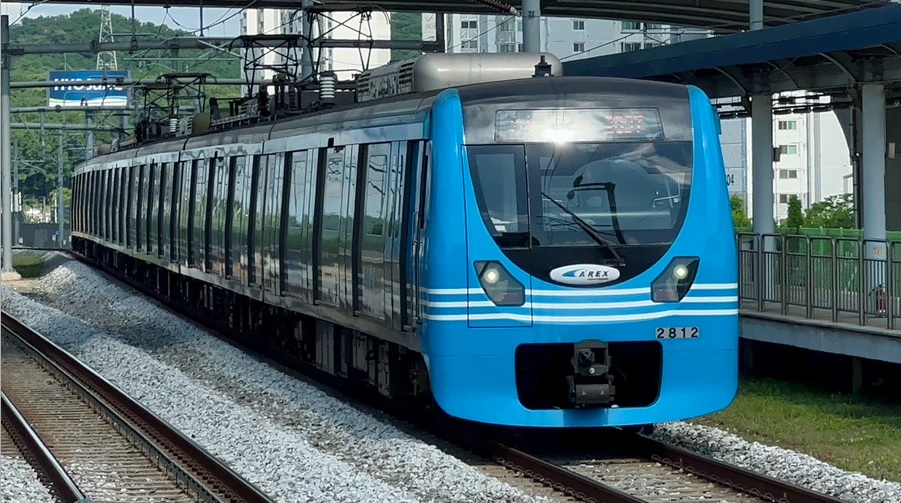
  • About the Airport Railroad: This train runs from Incheon Airport to Seoul Station. It’s fast and accurate, making it the most popular public transportation option for traveling to Seoul, and it’s easy to use even with heavy luggage.
  • Route and time: It takes about 43 minutes to get from Incheon Airport to Seoul Station. The Airport Railroad runs directly from Incheon Airport Station to Seoul Station, where you can easily transfer to subway lines 1, 4, and Gyeongui-Jungang Line.
  • Fare and how to get there: The Airport Railroad fare is KRW 4,450 from Incheon Airport Terminal 1 to Seoul Station (Economy Class) and KRW 5,050 from Incheon Airport Terminal 2 to Seoul Station. Purchase a transportation card at the airport station or buy a ticket from a ticket vending machine. If you board with a transportation card, the fare will be settled when you get off at your destination.
Incheon Airport to Seoul

Save on airport buses, limousines, and late-night buses

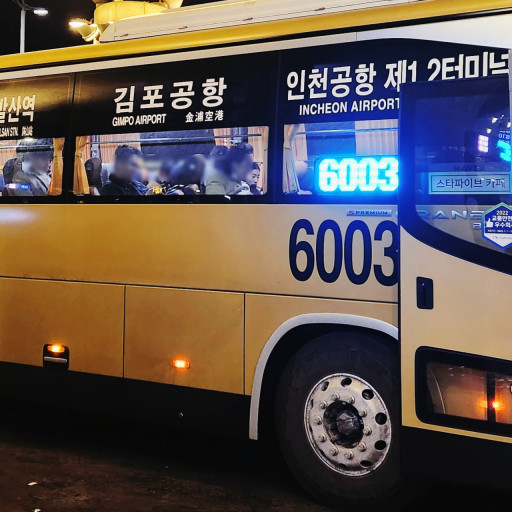
  • Bus types: There are two types of buses to Seoul: limousine buses and late-night buses. Limousine buses run between major points in Seoul, while late-night buses run from 12pm to 4am.
  • Routes and travel time: Limousine buses connect major points in Seoul such as Seoul Station, City Hall, and Gangnam in about an hour. Bus numbers vary depending on your destination. Late night buses run to Seoul Station, Dongdaemun, and Jamsil Station.
  • Fares and how to get around: Limousine buses cost around 15,000 won, depending on the destination, and can be paid with a transportation card or cash. Late-night buses cost around 17,000 to 18,000 won and can be found in front of Exits 8 and 13 on the first floor of Incheon International Airport.
공항버스

Take a comfortable taxi ride

How to take a taxi at Incheon Airport: Basic fares and late-night surcharges

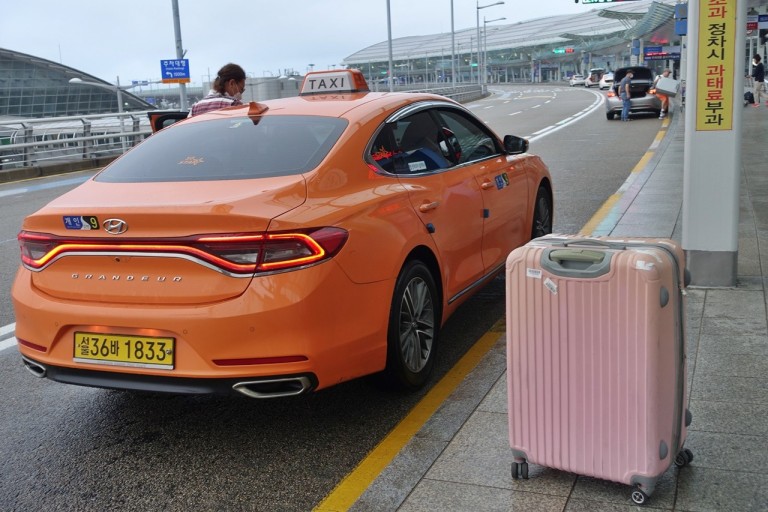
  • Taxi stand location: The Incheon Airport taxi stand is located on the first floor of the passenger terminal. You can find local taxis in front of Exits 4 and 8, and international taxis in front of Exits 8 and 13.
  • Base fare and surcharge: The base fare for a taxi from Incheon Airport to Seoul is around KRW 55,000 to KRW 75,000. During late night hours (midnight to 4 a.m.), there is a 20% surcharge. Check your destination and estimated fare in advance.
  • Taxi tip: Tell the driver where you’re going and ask them to take you to a main road if possible. You can pay by credit card, but it’s best to tell the driver in advance. Don’t smoke or eat in the car.
공항택시

Convenient, large taxis with multilingual drivers

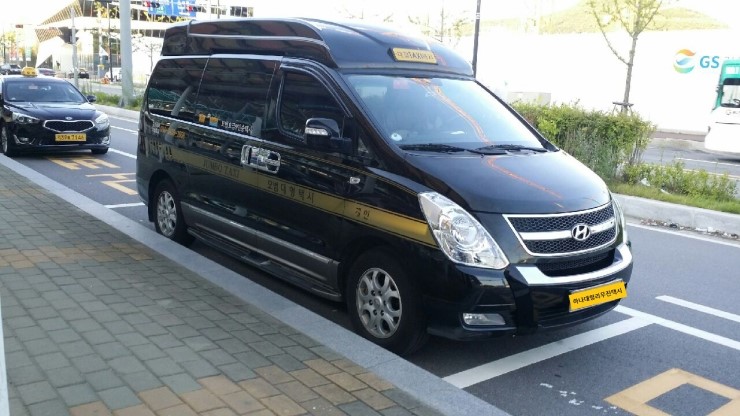
  • What is a big taxi: These premium taxis are driven by foreign-speaking drivers. They’re a bit more expensive than regular taxis, but they’re a comfortable and safe way to get around Seoul.
  • How to get there and how much it costs: You can get a taxi from Exits 8 and 13 on the first floor of Incheon International Airport. The basic fare starts at 6500 won, and then the fare is calculated by meter. It’s not exact, but for reference, from Incheon Airport, the fare to Gangnam is around 70-80,000 won, near Gangbuk-gu Office is around 80,000 won, and near Dongdaemun is around 80,000 won. You can pay by credit card or cash at your destination.
  • Pros of large taxis: They have a large fleet of vehicles, so even if you have a lot of luggage, it’s easy to communicate with the driver and explain your destination. It’s also a safe way to get around if you arrive at night or early in the morning.
인천공항에서 서울

Tips for renting a car and getting home

Car rental recommendations for long distances, navigation, and more

  • Benefits of renting a car: Renting a car is a great option if you’re planning to travel long distances or out of town. It gives you the freedom to get to places that are hard to reach by public transportation, and it’s more economical if you’re traveling with family or friends.
  • How to get there and how much it costs: There are many car rental agencies in the Incheon International Airport Passenger Terminal. If you book in advance, you can pick up your car upon arrival. Prices vary depending on the type of car and rental period. Gas and tolls are not included.
  • Recommended car rental service for foreigners: There are many car rental services, but WeBring is recommended because it can pick you up at Incheon Airport. For more information, check out the WeBring website or app.
  • Driving tips: Korea drives on the right, so be aware that there may be some differences in driving habits. Using a car navigation system will help you navigate unfamiliar roads. Download Korea’s navigation apps such as Kakao Navi and T-Map.
위브링

Tips for a relaxing flight home from Seoul to Incheon Airport

  • Getting to the airport: Airport rail, buses, and taxis are all available to get you back to Incheon Airport from Seoul, but make sure to check the public transportation schedules for your return date and time.
  • Leave with plenty of time to spare: Incheon Airport has a simple departure process, but it can get crowded at peak times. We recommend arriving at the airport at least three hours before your flight to give yourself time to eat, shop, and relax.
  • Get a transportation card refund: You can refund the balance of a transportation card used in Korea at the airport. Just go to a transportation card machine or ticket booth. You can also get a refund on the airport railroad or bus.

Getting from Incheon Airport to Seoul is easy, right? Just keep in mind the characteristics of each mode of transportation and choose accordingly. If you’re traveling with little luggage and have a clear destination in mind, consider the airport rail or bus, or a taxi if you’re looking for a comfortable ride. If you’re planning a long trip, a rental car is also a good option. You’ll be no stranger to traffic in Korea.