
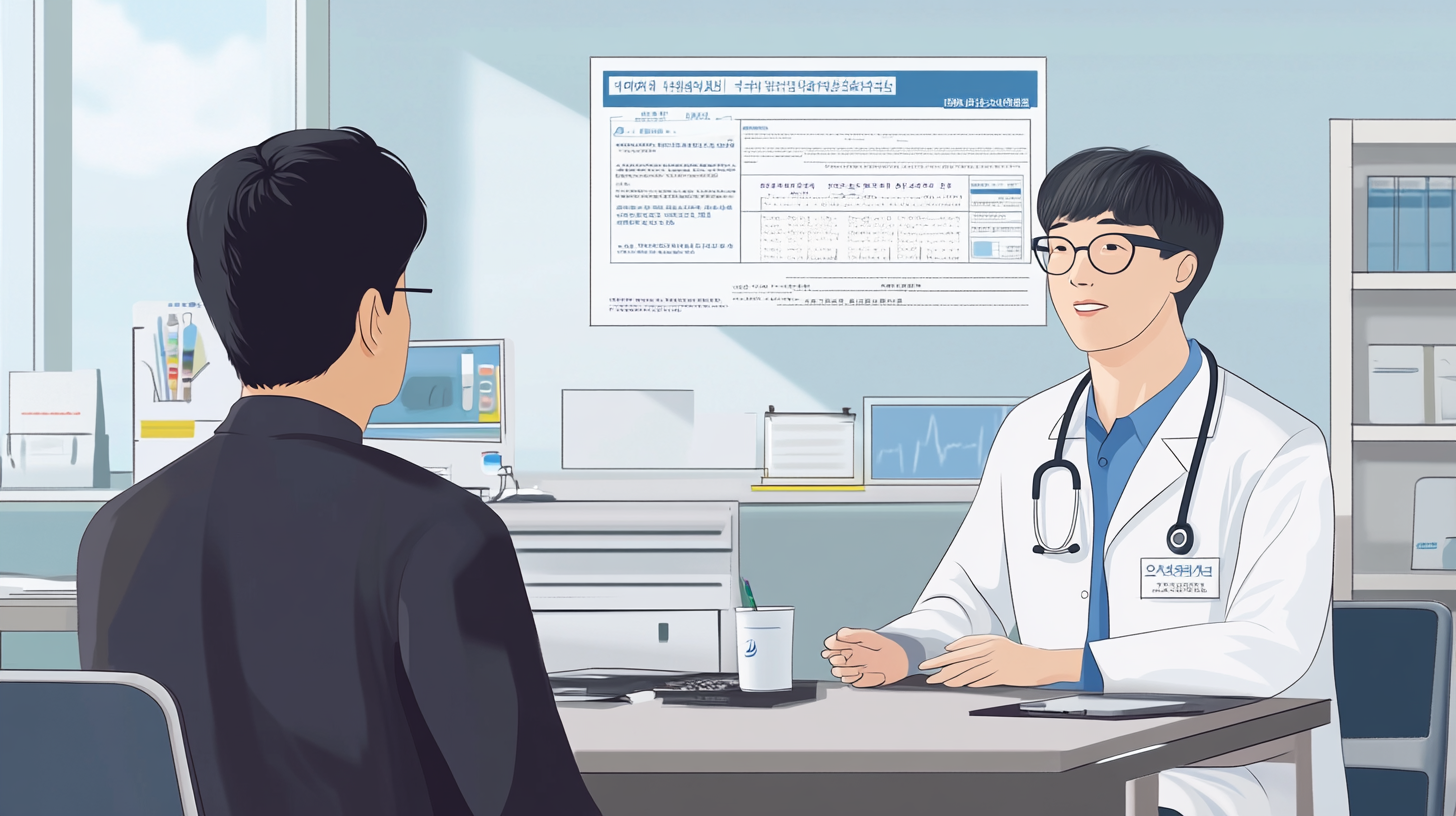
How to Visit a Korea Hospital: Appointments, Treatment, and Insurance Claims for Foreigners
Introduction
South Korea boasts an excellent medical infrastructure with numerous large general hospitals, making it relatively easy for both foreign residents and tourists to receive medical treatment. However, hospital fees can be expensive if you don’t have insurance. In this guide, we will walk you through the Korea hospital appointment and treatment process as well as the insurance claim procedure to minimize medical expenses while staying in Korea.
1) Essential Things to Know Before Visiting a Hospital
Local Clinics vs. Large Hospitals
Hospitals in Korea are generally divided into three types: local clinics (small clinics in neighborhoods), medium-sized hospitals, and major general hospitals. If you have minor symptoms such as a cold, mild fever, or indigestion, visiting a local clinic or public health center is more convenient and cost-effective. For specialized care or advanced diagnostic tests, however, a large hospital is recommended. Keep in mind that major hospitals tend to have long wait times and often require reservations.
Finding Foreigner-Friendly Hospitals
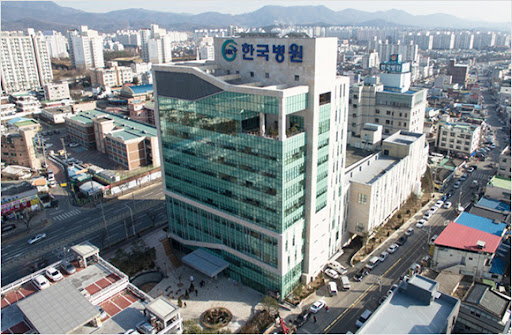
To avoid language barriers, it’s best to find a medical facility with English-speaking staff or services in other languages (Chinese, Japanese, etc.). In major cities like Seoul, many hospitals have “International Clinics” or “International Healthcare Centers” that provide interpretation services. You can search online for hospitals that offer services in English (e.g., “English-speaking clinic in Seoul”) or check local travel websites for recommendations.
2) How to Make a Hospital Appointment and Register
Booking by Phone or Online
Large hospitals usually have a dedicated International Healthcare Center phone number for foreign patients. When making an appointment, specify the department you need (internal medicine, orthopedics, ophthalmology, etc.), and note whether you require an interpreter. For small local clinics, phone reservations may be possible, but walk-ins are usually accepted without any major issues.
Bringing Your ID and Insurance Card
When visiting a hospital, you must present your identification (Alien Registration Card or passport) and insurance card (or a copy of your insurance policy).
- If you have Korea’s National Health Insurance (NHI), carry your health insurance card or registration number.
- If you have private insurance, bring a copy of your policy or policy number.
If you forget your insurance card, you will need to pay the full amount upfront and claim reimbursement later, so carrying it with you is strongly recommended.
3) The Treatment Process: Registration → Waiting → Consultation → Payment → Pharmacy
General Treatment Procedure
Upon arrival at the hospital, follow these steps:
- Go to the reception desk to register and provide your medical information.
- Receive a queue number and wait for your turn.
- Consult a doctor, undergo necessary medical tests, and receive a prescription.
- Proceed to the payment counter to settle your hospital bill.
- Take your prescription to a nearby pharmacy to collect your medication.
Additional Tests (Blood Tests, X-rays, etc.)
If additional tests are required, the nursing staff will guide you to the designated testing area. Some test results may be available the same day, while others might require a follow-up visit in a few days. Keep in mind that additional consultation fees may apply for follow-up visits. Foreign patients should clarify the test procedures and costs in advance to avoid misunderstandings.
Emergency Room Visits
Emergency rooms (ERs) operate 24/7 without appointments, but patients with critical conditions receive priority treatment. If you experience a sudden illness or accident, you can call an ambulance (119 – free emergency service). However, ER fees are significantly higher than outpatient fees, so it’s best to visit only in genuine emergency situations. If necessary, the hospital will proceed with admission after initial emergency care.
4) Paying Medical Bills and Filing Insurance Claims
Direct Payment vs. Cashless Claims
If you have Korea’s National Health Insurance, you only need to pay the co-pay amount at the hospital, and no separate reimbursement process is required.
For private insurance, the common practice is to pay the full amount first, collect the necessary documents (receipts, medical reports, etc.), and then file a claim for reimbursement. Some large hospitals, however, offer a cashless billing system for select private insurance companies, allowing direct claims without upfront payment. Check with your hospital and insurer whether this option is available.
Keep Important Documents: Receipts, Prescriptions, and Medical Reports
Private insurance companies require detailed documentation to process claims. Essential documents include:
- Receipts (showing itemized costs)
- Medical certificate (stating the diagnosis)
- Hospital admission/discharge records (if hospitalized)
- Prescription copies (important for medicine reimbursement)
Losing these documents may result in rejected claims, so keep all paperwork safely stored.
Submitting Insurance Claims: Online or via Mail
Depending on your insurance company, you can usually file claims through mobile apps or official websites. Simply upload scanned copies or photos of the documents and enter your bank account details. Reimbursement typically takes a few days, but longer processing times may apply for high-cost or complex cases.
For those who prefer traditional methods, mail-in claims are also an option. You can request the necessary paperwork through your insurer’s customer service center.
5) Common Questions and Solutions
Q1. Can I receive treatment in English at Korean hospitals?
A: Yes, major university hospitals and international healthcare centers have multilingual coordinators for English, Chinese, and Japanese. However, local clinics may not offer interpretation services, so using a translation app or bringing a Korean-speaking friend can be helpful. It’s also useful to prepare a list of medical terms or symptoms in advance to facilitate communication.
Q2. Does insurance cover dental or Korean traditional medicine (Hanbang)?
A: National Health Insurance covers basic dental treatments (e.g., cavities, gum disease) but not cosmetic procedures like implants or orthodontics, which are mostly out-of-pocket expenses. If you have private insurance, check whether dental coverage is included as an optional rider. As for traditional Korean medicine (e.g., acupuncture, herbal remedies), coverage is limited, and some treatments may not be covered at all.
Q3. I’m an exchange student from the U.S. and already have insurance from home. Will it cover my hospital bills in Korea?
A: Some international insurance may cover medical expenses in Korea, but the claims process can be complicated, and hospitals may not directly bill foreign insurers. It’s advisable to check your policy’s overseas coverage and consider purchasing local insurance for easier claims. Also, be aware of possible currency exchange fees or rate fluctuations when reimbursing expenses from abroad.
Conclusion: Korea Hospital, Be Prepared and Stay Worry-Free
Visiting a hospital in Korea is fairly easy, but without insurance, treatment costs can be high. If you are eligible for Korea’s National Health Insurance, you will automatically receive standard benefits. Otherwise, it is advisable to purchase travel or private insurance to avoid unexpected medical expenses.
When choosing a hospital, check if they offer foreign language support and whether reservations are required. After your visit, always keep your receipts, medical reports, and prescriptions, as missing documents may delay or prevent insurance claims. If you’re unsure about what documents are needed, customer support from your insurance provider can assist.
Ultimately, healthcare is a critical safety net for everyone. By understanding the hospital system and preparing for insurance claims in advance, you can avoid costly surprises. Korea’s healthcare services are high-quality and increasingly accommodating to international patients, with more hospitals offering English-speaking services.
As the saying goes, “No More Worries About Expensive Hospital Bills!”—with the right insurance and knowledge of the medical system, you can confidently navigate healthcare in Korea and enjoy your stay with peace of mind.
K-Name Studio: Create your perfect Korean name based on your personality and style.
What’s My K-Beauty Personal Color?
WeBring Service : Provides personalized services to foreigners living in Korea
Exclusive offer: Introducing foreign car rental in Korea, WeBring-SoCar
Insurance that fits your stay in Korea — from 5,000 KRW/month
Student, work, travel or driving — get the right coverage explained in your own language.