
Busan Travel Itinerary: A Complete 1-Day-2-Night Guide to Tradition and Modern Coast
Struggling to plan a Busan travel itinerary? From modern beaches like Haeundae and Gwangalli to the traditional charm of Jagalchi Market and Gukje Market, this 1-day-2-night route captures the unique appeal of a city where tradition and modern life breathe side by side. Whether you are a first-time visitor to Korea or a domestic traveler, this guide covers the must-eat foods and must-see sights in one place.
Busan Travel Itinerary Core 1 — Jagalchi & Gukje Market Tradition
Jagalchi Market Seafood Experience
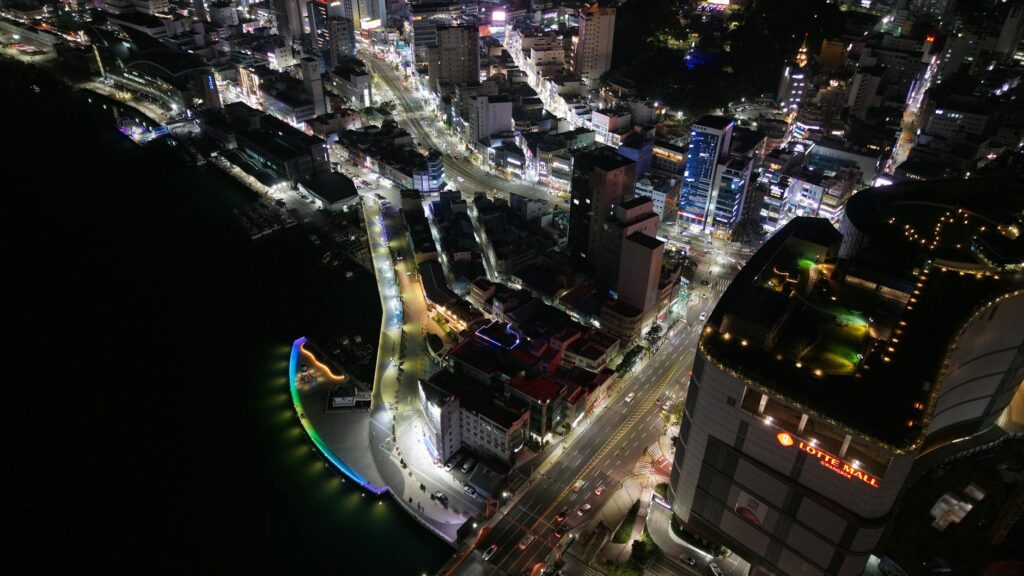
When you think of Busan, the first things that come to mind are the sea and seafood. Jagalchi Market, the city’s representative fish market, is piled high with freshly caught fish and shellfish. The way vendors call out to customers gives you a tangible feel for Korean energy. Here you can pick your own seafood and have it cooked at a restaurant inside the market — sashimi, grilled shellfish, and seafood stew make for a happy meal.
Walking the market alleys and hearing vendors shout “Hagfish! Live sashimi at low prices!” is itself an exotic sightseeing experience. The smells and noise can feel intense for foreigners, but it is well worth strolling through to soak in the full soul of Jagalchi. It offers a port-city liveliness very different from Seoul’s Gwangjang Market.
Gukje Market, Real-Life Stage of the Film “Ode to My Father”
Right next to Jagalchi Market is Gukje Market. After the Korean War, refugees gathered here, and today every alley feels like a general store packed with clothes, food, sundries, and even antiques. The film “Ode to My Father” (Korean title: “Gukje Market”) was filmed here, making it even more famous among tourists. Walk around and you will spot shops that still hold the atmosphere of the 1960s–70s, and the traditional snacks and street food sold by old-time vendors are a treat.
From here you can walk to “BIFF Square” (the Busan International Film Festival street) and try street foods like hotteok and fish cake. Busan fish cake is famous nationwide, so grab a skewer for a quick bite.
Busan Travel Itinerary Core 2 — Haeundae & Gwangalli Beach Culture
Haeundae Beach: Where Sand Meets the City
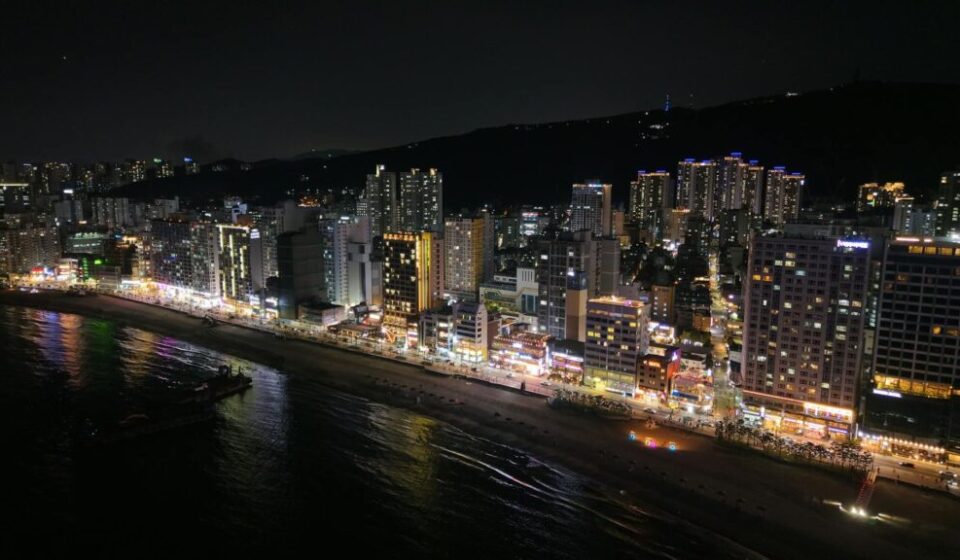
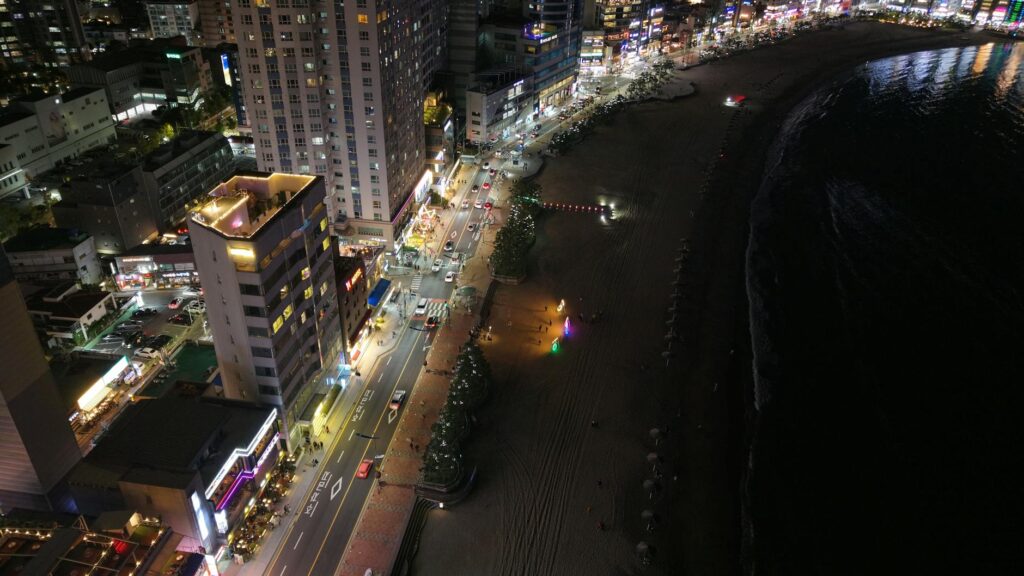
Haeundae is the landmark of any Busan travel itinerary, where a clean sandy beach coexists with high-rise buildings. In summer, the beach opens and fills with parasols; at night, the seaside nightlife begins. Surrounded by tall buildings and coastal roads, it offers the unique scenery of a “beach inside the city.” With facilities like an aquarium and the Busan Cinema Center nearby, it is a great choice for family trips or vacations with friends.
The Haeundae new town area has recently developed with cafes, restaurants, and shopping malls, gaining popularity among younger crowds. Marine City offers especially beautiful night views, where you can enjoy a stylish dinner while watching building lights reflected on the sea. Check the Visit Busan official site for nearby Haeundae events to make your trip even fuller.
Gwangalli and the Gwangan Bridge Night View
If Haeundae feels like a refined high-end resort, Gwangalli reads as a freer, younger beach. Gwangan Bridge runs parallel to the shore, and at sunset its lighting creates a magical night view. Walking the beachside promenade to the sound of waves and snapping photos with the glittering Gwangan Bridge in the background is the highlight of any Gwangalli Busan travel itinerary.
The seafront is lined with bars, lounges, and cafes that stay busy late into the night. Buskers and street performances often appear, and on weekends crowds gather to watch fireworks. If you want a relaxed cocktail with an ocean view, head to one of the 2- to 3-story oceanview cafes along the beach road.
Top 3 Must-Eat Foods on a Busan Travel Itinerary
Seed Hotteok: Busan’s Famous Street Snack
The star snack of any Busan travel itinerary is “seed hotteok.” A chewy pancake filled with melted sugar and a mix of nuts and seeds, you can find people lining up for it at Gukje Market and BIFF Square. The mix of sweet and nutty flavors makes it the perfect snack, and it usually costs only 2,000–3,000 won. It is very hot, so mind your fingers — but the first bite always brings a sigh of delight.
Dwaeji Gukbap: Busan’s Signature Pork Soup
Dwaeji gukbap (pork-and-rice soup) is one of Busan’s most iconic local dishes. Boiled pork is added to a rich pork-bone broth and rice is mixed in, creating a hearty meal long enjoyed by everyday workers. A single spoonful fills your mouth with deep, savory flavor. Part of the fun is customizing it with seasoned paste, chives, and salted shrimp to your taste. While dwaeji gukbap shops have spread nationwide, Busan is home to many of the original, long-running specialists where the flavor is in a league of its own.
Sashimi: The Pride of Port-City Busan
A Busan travel itinerary feels incomplete without sashimi (raw fish). Plenty of sashimi restaurants line Gwangalli and Haeundae, but for a cheaper option, buy fresh seafood at Jagalchi Market or another coastal market and have a nearby restaurant slice it for you. Sea bream, rockfish, and flounder are popular, and you can upgrade to snow crab or lobster for a more luxurious meal. Even first-time travelers can enjoy it easily, since restaurant staff provide gochujang sauce, leafy wraps, and the rest.
Recommended Busan Travel Itinerary: 1-Day-2-Night Route
| Time | Course | Key Point |
|---|---|---|
| Day 1 Morning | Jagalchi Market → Gukje Market | Seafood scene, seed hotteok |
| Day 1 Lunch | Dwaeji gukbap meal | Busan’s original pork-soup shops |
| Day 1 Afternoon | Gwangalli beach walk | Gwangan Bridge view, oceanview cafe |
| Day 1 Evening | Haeundae night view & sashimi | Marine City lights, sashimi house |
| Day 2 Morning | Taejongdae or Yeongdo tour | Cliff scenery, Huinnyeoul Culture Village |
Morning: Jagalchi & Gukje Market → Lunch: Dwaeji Gukbap
If you arrive at Busan Station, start at Jagalchi Market to take in the lively seafood scene, then enjoy shopping and snacks at Gukje Market. For lunch, a bowl of dwaeji gukbap will recharge your energy. You can finish with seed hotteok for dessert at a nearby alley.
Afternoon: Gwangalli → Evening: Haeundae Night View
In the afternoon, head to Gwangalli for a beach walk and cafe time. As evening approaches, move to Haeundae for a hotel lounge or bar dinner, or enjoy a fresh sashimi course. As night deepens, you can wander Haeundae’s streets to soak in the youthful atmosphere.
Day 2: Taejongdae or Yeongdo Tour (Optional)
If you have time on the second day, go to Taejongdae or stroll Yeongdo’s cafe district (Huinnyeoul Culture Village, Jeolyeong Coastal Walk). This area is a bit quieter and very scenic, popular among photography lovers. If you plan to keep traveling in the southern region, the Tongyeong cable car and Dongpirang day trip is a recommended same-day route from Busan.
Busan Travel — A Colorful City That One Trip Cannot Cover
A Busan travel itinerary is impressive enough on the coastal city’s charm alone, but the real appeal lies in the unique culture that traditional markets and modern skyscrapers create together. Experience the easy friendliness of Jagalchi and Gukje markets, enjoy refined sea views at Haeundae and Gwangalli, and feel your heart fill up with a bowl of dwaeji gukbap — and you will understand why this city is loved by both foreign visitors and domestic travelers.
If you have more time, mix in themes like Yeongdo, Taejongdae, Gijang, or hot springs. For a weekend 1-day-2-night trip, even sweeping through the core course (Jagalchi – Gukje Market – Gwangalli – Haeundae) is enough to fully taste Busan’s distinctive atmosphere. Remember it together with the Seoul Insadong & Ikseondong one-day course as the two great tradition-and-modern routes of Korean travel.
K-Name Studio: Create your perfect Korean name based on your personality and style.
What’s My K-Beauty Personal Color?
WeBring Service : Provides personalized services to foreigners living in Korea
Exclusive offer: Introducing foreign car rental in Korea, WeBring-SoCar
Explore Korea's mountains — guides in your language
Courses, transport and seasonal tips for 30 mountains, from Bukhansan to Hallasan, available in 11 languages. Pick up essential travel Korean and find events for the global community, too.


