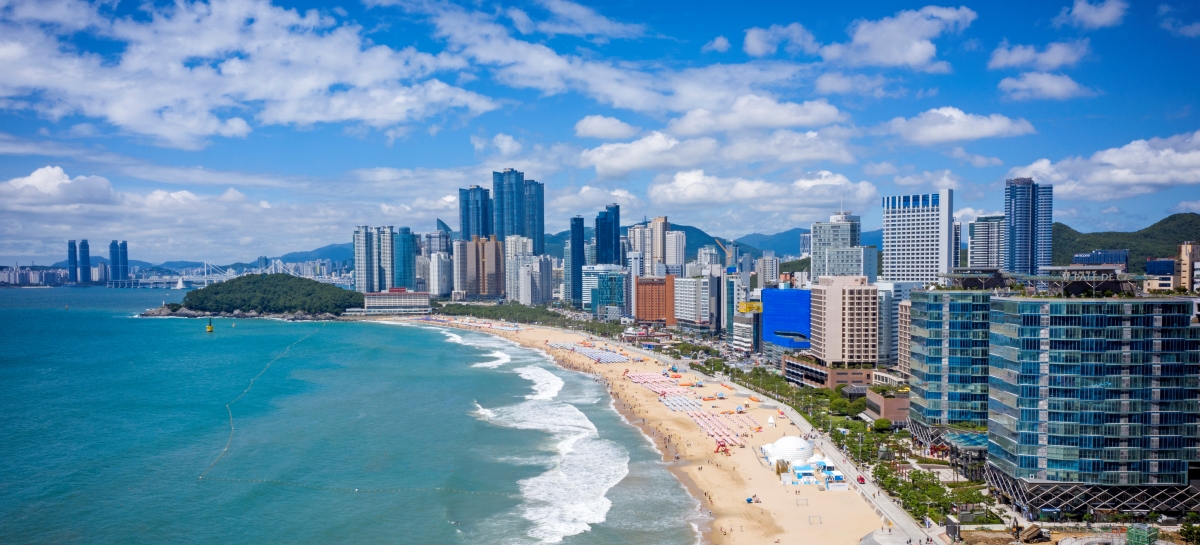
Busan Uncovered: Your Perfect Haeundae one day walking itinerary for First-Timers

Here’s a Haeundae one day walking itinerary, Busan. If it’s your first time in Busan, the most satisfying plan is to cover “the sea + a walk + city night views” all in one go. The Haeundae–Dongbaekseom–Marine City line is connected by a walkable route, packed with free/low-cost spots, and best of all, it delivers sunset to night views in one shot. Haeundae Beach is large, with a sandy stretch of about 1.5 km, and the view of the ocean together with downtown high-rises creates that very Busan-like “first impression.” (Visit Korea)


At-a-Glance Timetable (Walk-Focused)

TimeRouteHighlights
09:30–11:00Walk along Haeundae BeachSea + downtown skyline, a great photo spot
11:00–12:30Lunch/Cafe (around Haeundae)Wide range of options: market, local eats, cafes
12:30–15:00Loop around Dongbaekseom (Dongbaek Park) + NurimaruCoastal walking path + exhibits/viewpoints
15:00–17:30The Bay 101 (break/drinks)Grab a spot before sunset
Sunset–20:00Marine City night-view walkReflection shots, the ultimate city nightscape
After 20:00Dinner/Head back around HaeundaeWrap up based on where your accommodation is

1) Morning: Capture Busan’s “First Impression” at Haeundae Beach

If you arrive in Haeundae in the morning, the ocean looks its “cleanest” in tone.
Haeundae Beach is broad—about 1.5 km long and 30–50 m wide—so even when it’s crowded, you can still enjoy a refreshing walk. (Visit Korea)

  • 40–60 minutes round trip walking along Haeundae Beach
  • For photos, frame it so the ocean + buildings are both in the shot—that “Busan vibe” instantly comes alive.

Tips for International Travelers (Practical)

  • In Korea, Naver Map/KakaoMap is often more convenient for navigation (especially for accurate walking directions).
  • Most cafes/convenience stores accept cards, but having a little cash helps at markets/street stalls.
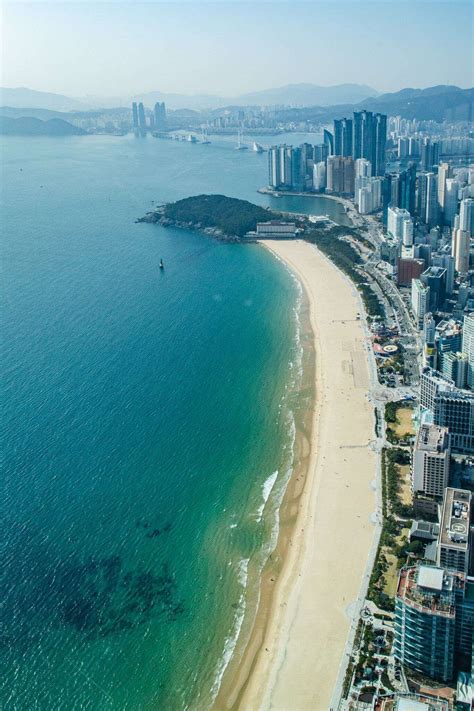
Haeundae one day walking itinerary


2) Afternoon: Walk Dongbaekseom (Dongbaek Park) + Nurimaru APEC House

Dongbaekseom (Dongbaek Park), which connects from the southern end of Haeundae, is all about a “coastal path walk.” Dongbaek Park blends camellia trees with pine forest, and points like Nurimaru APEC House are included right along the walking route. (Visit Korea)

How long is the Dongbaek Coastal Promenade?

The Dongbaek Coastal Promenade is introduced as a route of a little over about 1.5 km, with ocean scenery 펼쳐지는 throughout the entire section. (Visit Busan)
If you take your time for photos and breaks, 6090 minutes is typical; if you walk quickly, even 30–40 minutes is possible.

Nurimaru APEC House (A Must-Check Spot)

If it’s your “first time in Busan,” be sure to include Nurimaru. The indoor exhibits are well done, and the building itself feels like it’s floating over the sea, so satisfaction is high.

  • Hours: 09:00–18:00 (last entry 17:00)
  • Regular closure: First Monday of every month
  • Admission: Free (Busan Metropolitan City)

If you check the operating notice just once the day before or the morning of your visit, your itinerary becomes much safer (hours may change due to events/venue rentals, etc.).


3) Around Sunset: Prep for “Golden Hour → Blue Hour” at The Bay 101

The Bay 101, near the entrance to Dongbaekseom, is often mentioned as one of the easiest places on the Haeundae line to capture night views.
The key here is “timing.”

  • Recommended arrival: 40–60 minutes before sunset
  • Best timing: 10–30 minutes after the sun has fully set (blue hour)
  • Hours (facility 기준): 08:00–24:00
  • Closed: Open year-round
  • Address: 52 Dongbaek-ro, Haeundae-gu, Busan (Visit Korea)

Photo Tips (Reflection Shots)

  • If you shoot near the waterfront/surface of the water, Marine City’s lights reflect on the water, creating shots with a “Hong Kong vibe.”
  • Even with a smartphone, night mode + stabilization (railing/tripod) is enough to get beautiful results.

4) Night: Wrap Up the Day with a Marine City Night-View Walk

Marine City truly comes alive at night.
According to the Korea Tourism Organization (Open Tourism) introduction, Marine City is explained as a new city built on reclaimed land from the sea, and it’s guided as a place where, at night, building lights turn on densely to reveal a beautiful nightscape. (Visit Korea)

  • Hours: Always open (walking/night view) (Visit Korea)
  • Address (as 안내): 1411 U-dong, Haeundae-gu, Busan (Visit Korea)

Busan tourism information also 소개 that Marine City’s night view is a famous photo spot, and the shimmering lights on the night sea add to the atmosphere. (Visit Busan)

Marine City Walk: “Core Route”

  • From around The Bay 101 → slowly move toward Marine City
  • Walk closer to the waterfront to get better reflection (reflection) shots

Getting Around/Transportation Tips (For First-Time Busan Visitors)

  • The subway Busan Line 2 matches this area’s route well (Haeundae/Dongbaek area).
  • For Dongbaekseom (Nurimaru), the guidance suggests a route using Line 2 Dongbaek Station. (Busan Metropolitan City)
  • If you want to save energy:
    • The combo “Morning Haeundae (walk)” + “Dongbaekseom (walk)” + “Night Marine City (one taxi ride)” is also great.

Today’s Budget (Rough)

  • Admission: mostly free (Nurimaru is free) (Busan Metropolitan City)
  • Transportation: subway/bus + taxi as needed
  • Food/cafes: lots of options, so it’s easy to control your budget (for one person, you can adjust comfortably within about 20,000–50,000 KRW)

Rainy/Windy Day Alternative (Haeundae Area)

If the weather is uncertain, reduce the outdoor portion and compress it to indoor viewing at Nurimaru + a cafe + a short night-view stop in the evening.
If the wind is strong at the beach, the feels-like temperature drops sharply—bringing a light windbreaker makes a big difference in satisfaction.


Wrap-Up: A One-Day Route That Finishes “Busan-Like Busan”

If it’s your first time in Busan, rather than trying to hit everywhere, walking one area deeply tends to stick in your memory.
See the sea in Haeundae, stroll Dongbaekseom, catch the moment the sky turns deep blue at The Bay 101, and end the night in Marine City—this is an almost perfect composition for a “first day in Busan.”
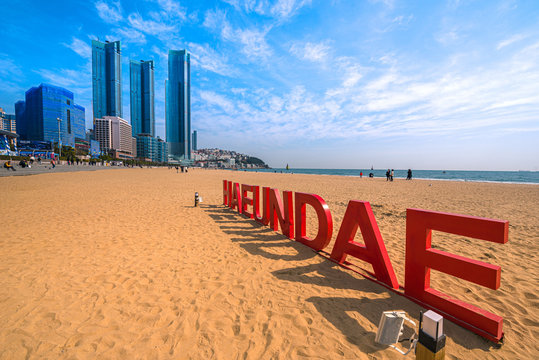
부산 해운대 하루 코스


FAQ (Haeundae one day walking itinerary)

Q1. How big is Haeundae Beach?

Haeundae Beach is 안내 as about 1.5 km long and 30–50 m wide. (Visit Korea)

Q2. How many kilometers is the walking trail at Dongbaekseom (Dongbaek Park)?

The Dongbaek Coastal Promenade is introduced as a little over about 1.5 km. (Visit Busan)

Q3. What are the visiting hours and closure day for Nurimaru APEC House?

The visiting hours are 안내 as 09:00–18:00 (last entry 17:00), the regular closure day is the first Monday of every month, and admission is free. (Busan Metropolitan City)

Q4. What are The Bay 101’s operating hours?

The Bay 101 is 안내 as open year-round, with hours of 08:00–24:00. (Visit Korea)

Q5. Is it safe to walk around Marine City at night?

Marine City is introduced in 관광 guidance as always open, and as a place many people visit for night views/walking. (Visit Korea)
(However, late at night, it’s recommended to stick to the waterfront/main roads rather than quiet alleys.)

Q6. Can you do this entire route on foot?

Yes. Haeundae–Dongbaekseom–The Bay 101–Marine City are all in the same area, so it’s great to bundle as a walk-centered route. Depending on your stamina, adding one taxi ride in the middle makes it even easier.

Q7. When is the best time for sunset?

It varies by season, so search “Busan sunset time” on the day, then plan to arrive at The Bay 101 40–60 minutes before sunset (to secure a spot + nail the photo timing).

Q8. What time is best for taking good photos?

Haeundae: morning (with clean light) The Bay 101/Marine City: 10–30 minutes right after sunset (blue hour)—this is when reflections/night views look the prettiest.

부산 해운대 하루 코스

Webring Newsletter

K-Name Studio: Create your perfect Korean name based on your personality and style.
What’s My K-Beauty Personal Color?
WeBring Service : Provides personalized services to foreigners living in Korea
Exclusive offer: Introducing foreign car rental in Korea, WeBring-SoCar
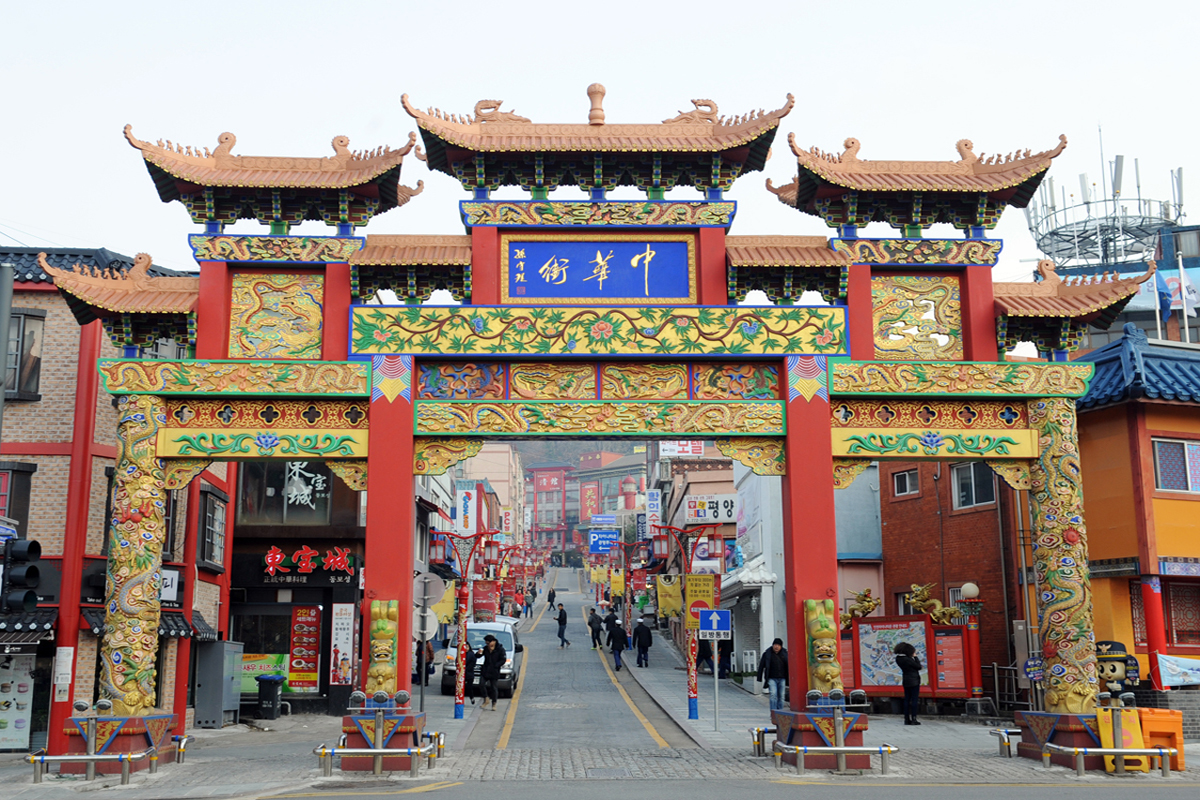
Incheon Retro Trip A Complete One Day Itinerary for History Lovers

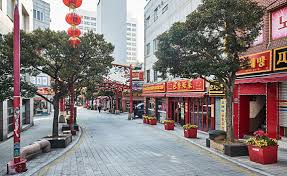
Today, I’m going to look into a one-day Incheon Retro Trip. In the morning, you slip through the crowd beneath a red paifang (a Chinese-style gate), drawn in by the aroma of jjajangmyeon; in the afternoon, you step into a bank building that’s over 100 years old and come face-to-face with the air of modern history; and around sunset, you fall for the “film camera vibes” created by alleyway stairs and murals.
Incheon Chinatown and the Open Port Area (Open Port Culture District) are neighborhoods where you can complete a retro trip in one go, on foot. (Even when you take foreign friends, you often get: “There’s a place like this in Korea?”)


Why This Route Is Perfect for a “Retro Day Trip”

Incheon Chinatown is a concentrated overseas Chinese community that formed naturally after Incheon Port opened in 1883, when the area was designated in 1884 as a Qing (China) concession (an extraterritorial zone). That’s why the streets themselves still hold “layers of modern history.” (Discover Incheon, Incheon Tour (itour) main)

And right next door, the Open Port Culture District (Open Port Historical & Cultural Street) gathers museums, exhibition halls, and modern-era architecture that preserve traces from after the port opening—so if you walk slowly, “spaces from black-and-white photos” keep appearing. (Incheon Jung District Office)


1-Minute Pre-Departure Check for Your Incheon Day Trip: Opening Days & Ticket Strategy

1) Many museums are closed on Mondays

Key museums/exhibition halls in the Open Port area (Modern Architecture Exhibition Hall, Open Port Museum, etc.) typically follow a pattern of 09:00–18:00 (last entry 17:30), closed every Monday. (Discover Incheon, Incheon Tour (itour) main)
The Jjajangmyeon Museum is also 안내 as TueSun 09:0018:00, closed Mondays (if it’s a public holiday, closed the next day), and closed on the day of Seollal & Chuseok. (Incheon Jung-gu Cultural Foundation)

2) The “Integrated Admission Ticket (Old Downtown 5 Museums)” is the best value

There’s an integrated ticket for five venues (Modern Architecture Exhibition Hall, Incheon Open Port Museum, Daebul Hotel Exhibition Hall, Korea–China Culture Center (Incheon Overseas Chinese History Museum), and the Jjajangmyeon Museum), and it’s listed at 3,400 KRW per adult (2,300 KRW for teens, etc.). (Incheon Jung-gu Cultural Foundation)
On a retro route, even visiting just 2–3 museums makes it easy to “get your money’s worth.”


Point: Everything connects on foot. The most satisfying flow is “eat (Chinatown) → walk (murals/stairs) → exhibitions (Open Port Area) → café.”

⏱️ Suggested Schedule (based on 10:30–18:30)

TimeRouteRetro Highlight
10:30Arrive at Incheon Station → Chinatown entranceYour trip starts the moment you arrive (a very walkable size)
11:00Romance of the Three Kingdoms Mural Street160 murals for a “comic-book stroll” vibe (Incheon Jung District Office)
11:30Qing–Japan Concession Boundary StairsA spot where the middle of the stairs used to be the “border” (Incheon Jung District Office)
12:00Lunch (jjajangmyeon/Chinese cuisine)The classic Incheon Chinatown move
13:00Jjajangmyeon Museum (Gonghwachun)Jjajangmyeon history + retro exhibits, open 09–18 (Incheon Jung-gu Cultural Foundation)
14:00Korea–China Culture Center (Overseas Chinese History Museum)History and culture of Incheon’s overseas Chinese community (Visit Korea)
15:00Open Port Modern Architecture Exhibition HallExhibition hall in a former bank building, 09–18 (Discover Incheon, Incheon Tour (itour) main)
15:40Incheon Open Port MuseumPort-opening era & modern history exhibits, 09–18 (Discover Incheon, Incheon Tour (itour) main)
16:30Daebul Hotel Exhibition HallRecreation of the remains of “Korea’s first Western-style hotel” + everyday life history (Incheon Jung-gu Cultural Foundation)
17:30Café time (Open Port vibe cafés)Many cafés are remodeled from warehouses/modern buildings
18:00Optional: Songwoldong Fairy Tale Village or head home freelyFairy Tale Village is a 10-minute walk from Incheon Station (Incheon Jung District Office)
Incheon Retro Trip


7 Key Stops by Route for a One-Day Incheon Trip (Photo Spots + Story Spots)

1) Incheon Chinatown: “The Starting Point of the Red Streets”

Because Chinatown began from the historical backdrop of Incheon Port opening (1883) and the Qing concession (1884), it’s not just a food alley—it’s a neighborhood where you can see “the city’s time.” (Discover Incheon, Incheon Tour (itour) main)

Tip: If you dive in first when you’re starving, it’s easy for your route to get messy—so_toggle a quick lap first, then lock in lunch!


2) Romance of the Three Kingdoms Mural Street: “A Comic Book You Walk Through in 160 Scenes”

The Romance of the Three Kingdoms Mural Street unfolds famous scenes and character stories from across 160 murals. It’s not just a path you walk—it becomes “a path you read.” (Incheon Jung District Office)

Photo point: At photo spots, shoot at 0.5x (wide angle) to bring out the depth of the alley.


3) Qing–Japan Concession Boundary Stairs: “One Stair, Two Countries”

These stairs were created as the boundary between the Japanese concession established in 1883 and the Qing concession set up in 1884, and the atmosphere shifts dramatically from side to side (differences in patterns/stone lanterns/styles). (Incheon Jung District Office)

This is where the retro mood really explodes—because it comes with the story of a “historical border.”


4) Jjajangmyeon Museum (Former Gonghwachun): “A Museum for Korea’s Soul Food”

Its hours are listed as TueSun 09:0018:00 (last entry 17:30), closed Mondays (if it’s a public holiday, the following day). (Incheon Jung-gu Cultural Foundation)
It’s also easy to reach on foot from Exit 1 of Incheon Station (official info says “4 minutes on foot”), so it fits nicely into your schedule. (Incheon Jung-gu Cultural Foundation)

Pro tip: If you go when you’re full, the exhibits feel even more fun; if you go when you’re hungry, the “I need to eat this right now” feeling gets stronger.


5) Korea–China Culture Center (Incheon Overseas Chinese History Museum): “Perfect When You Don’t Want to End with Just Eating”

It’s a space that neatly wraps up “Chinese culture” and “the history of Incheon’s overseas Chinese community” after your Chinatown food crawl.
There’s information listing hours as 09:00–18:00 (last entry 17:30), closed every Monday, as well as admission (adult 1,000 KRW, etc.). (Visit Korea)


6) Incheon Open Port Modern Architecture Exhibition Hall: “The Air of the Open Port Era Inside a Bank Building”

A core stop on the Open Port street. Hours are listed as 09:00–18:00 (last entry 17:30), closed Mondays, with adult admission at 500 KRW. (Discover Incheon, Incheon Tour (itour) main)
The building itself feels like an exhibit, so if you love retro architecture, satisfaction is high.


7) Daebul Hotel Exhibition Hall: “Korea’s First Western-Style Hotel, ‘On Top of the Ruins’”

The Daebul Hotel Exhibition Hall opened on April 6, 2018, and is introduced as a facility that reconstructs the scale/exterior of the time based on research—built over the excavated remains of Korea’s first Western-style hotel, the “Daebul Hotel”. (Incheon Jung-gu Cultural Foundation)
Its hours are also listed as TueSun 09:0018:00, closed Mondays. (Incheon Jung-gu Cultural Foundation)

It’s the place that feels like the “final punch” of a retro trip.


(Optional) If You Have Time, Add 2 More: Arts/Literature Retro

✅ Incheon Art Platform: “13 Buildings of Remodeled Modern Architecture”

It’s described as a complex created by remodeling buildings from the port-opening period and the 1930s–40s into a total of 13 buildings including artist studios, exhibition halls, and performance venues. (Discover Incheon, Incheon Tour (itour) main)
If you go on a day with exhibitions, your overall course satisfaction jumps.

✅ Korea Modern Literature Museum: “10:00–18:00, Closed Mondays (Often Introduced as Free, Too)”

There’s an information page with address/phone/hours (10:00–18:00, last entry 17:30) and a weekly Monday closure notice. (Incheon Jung District Office)
If you want to connect “retro = literature,” this is a strong recommendation.


Transportation & Parking Tips (for Foreigners/First-Timers)

  • If you start at Incheon Station, most of the trip connects within walking distance.
    The Jjajangmyeon Museum is easy to access with guidance of a 4-minute walk from Incheon Station Exit 1. (Incheon Jung-gu Cultural Foundation)
    Songwoldong Fairy Tale Village is also 안내 as a 10-minute walk after getting off at Incheon Station. (Incheon Jung District Office)

If You’re Driving: “Just Remember the ‘Zone (Rate Grade)’ and It’s Easy”

In the Jung-gu tourism area parking information, you can check operating hours and the “zone (grade)” for public parking lots around Chinatown/Fairy Tale Village, and then confirm the fees by zone in a separate rate table. (Incheon Jung District Office)

For example:

  • Chinatown Public Parking Lot = Zone 1 → 1,000 KRW for the first 30 minutes / 500 KRW per 15 minutes / 10,000 KRW per day (over 5 hours)
  • Chinatown 2nd Public Parking Lot = Zone 2 → 600 KRW for the first 30 minutes / 300 KRW per 15 minutes / 6,000 KRW per day (over 5 hours)
    (The fees above are 안내 calculated based on the “fees by zone” table.) (Incheon Jung District Office)

Budget Example: “The More Museums You Visit, the More the Integrated Ticket Pays Off”

StyleEstimated Cost per PersonBreakdown
Best-value course20,000–30,000 KRW range1 lunch + coffee + integrated admission ticket (adult 3,400 KRW) (Incheon Jung-gu Cultural Foundation)
Standard course30,000–50,000 KRW rangeLunch + snacks (street food) + 2 coffees + integrated ticket
Foodie course50,000 KRW+Lunch + dessert + Sinpo Market/additional food spots + café

7 Small Tips to Boost Your Day-Trip Satisfaction

  1. Many museums are closed on Mondays, so your route may feel empty. (Discover Incheon, Incheon Tour (itour) main)
  2. Wear comfortable shoes: the boundary stairs and mural street include slopes and stairs. (Incheon Jung District Office)
  3. Photos tend to look best before lunch (around 11 a.m.; also relatively fewer crowds).
  4. The integrated ticket helps you build an “indoor retro course,” so it’s strong even on rainy days. (Incheon Jung-gu Cultural Foundation)
  5. For the Jjajangmyeon Museum, “after-meal viewing” feels more satisfying (the details of the exhibits stand out more). (Incheon Jung-gu Cultural Foundation)
  6. If you’re with foreign friends: even just explaining “Open Port Area” and “Jajangmyeon” in English gets a great reaction.
  7. If you still have time in the evening, finishing at Incheon Art Platform/Korea Modern Literature Museum can really lift the “trip completeness.” (Discover Incheon, Incheon Tour (itour) main)

FAQ (Incheon Retro Trip)

Q1. Can you walk between Incheon Chinatown and the Open Port Area streets?

Yes. Centered around Incheon Station, the structure connects Chinatown–murals/stairs–Open Port Area exhibitions, so it’s easy to design as a walking trip. (The Open Port Area story course is also 안내 with a walking-viewing flow.) (Incheon Jung District Office)

Q2. Are museums/exhibition halls open on Mondays?

In many cases, they are closed on Mondays (Modern Architecture Exhibition Hall, Open Port Museum, Jjajangmyeon Museum, etc.). I recommend checking official opening days before your visit. (Discover Incheon, Incheon Tour (itour) main)

Q3. What’s included in the integrated admission ticket (5 museums), and how much is it?

There is an integrated ticket that includes five venues: the Modern Architecture Exhibition Hall, Incheon Open Port Museum, Daebul Hotel Exhibition Hall, Korea–China Culture Center (Incheon Overseas Chinese History Museum), and the Jjajangmyeon Museum. It’s listed at 3,400 KRW per adult. (Incheon Jung-gu Cultural Foundation)

Q4. What kind of place are the Qing–Japan Concession Boundary Stairs?

They’re stairs created as the boundary between the Japanese concession (1883) and the Qing concession (1884). It’s introduced as a place where you can feel a “historical border,” because the 분위기 and architectural styles differ on each side of the stairs. (Incheon Jung District Office)

Q5. Is the Romance of the Three Kingdoms Mural Street worth seeing?

Yes. Scenes and stories from are created as 160 murals, so the stroll itself becomes content. (Incheon Jung District Office)

Q6. Is Songwoldong Fairy Tale Village free? Where is it?

Based on Jung-gu Office tourism information, it’s around 45beon-gil & 51beon-gil, Jayugongwonseo-ro, Jung-gu, Incheon, and it’s listed as a 10-minute walk from Incheon Station. It’s introduced as having been created in 2013 as part of a residential environment improvement project. (Incheon Jung District Office)

Q7. What are the opening hours for the Korea–China Culture Center (Overseas Chinese History Museum)?

There is information listing hours as 09:00–18:00 (last entry 17:30), closed Mondays, along with admission details. (Visit Korea)

Q8. Where is the most convenient place to park?

In the parking lot list by tourism area, you can check the operating hours and zones for public parking lots around Chinatown/Fairy Tale Village, and calculate costs using the fee table by zone. (Incheon Jung District Office)


Incheon Retro Day Trip

Webring Newsletter

K-Name Studio: Create your perfect Korean name based on your personality and style.
What’s My K-Beauty Personal Color?
WeBring Service : Provides personalized services to foreigners living in Korea
Exclusive offer: Introducing foreign car rental in Korea, WeBring-SoCar
Rain or Shine: Your Ultimate Gangnam indoor one-day travel course at COEX & Starfield Library

Let’s take a look at a “Gangnam indoor one-day travel course” route that never fails—even on rainy days, in midsummer, or in the dead of winter.


1-Minute Summary: Why This Course Is “Always” a Great Choice

COEX is a 장소 where, inside one building, you can take care of “things to see (aquarium) + photo spots (Starfield Library) + great restaurants/cafes/shopping” all at once—making it an especially safe choice for first-time travelers and foreign residents.
Plus, Starfield Library is free, and the aquarium offers online booking discounts, so you can control your budget too. (I’ve organized the latest operating hours/prices below based on the most current info.)


Before You Go: Check This (Hours · Prices · Parking · Transportation)

Operating Hours & Costs at a Glance

  • SEA LIFE COEX Aquarium: Daily 10:00–20:00, last entry 19:00, open year-round (as 안내). (SEA LIFE)
  • Starfield Library: 10:30–22:00, free for everyone to use. (Starfield)

Aquarium Tickets (Discount 기준, Example from the Official Ticket Page as of Jan 2026)

  • Adults (13+): ₩27,000 (online) / ₩35,000 (regular)
  • Children (36 months–12): ₩24,000 (online) / ₩31,000 (regular)
  • Package options are also available (prices vary), such as couple/family/VR bundles. (SEA LIFE COEX Aquarium)

Time Needed (Very Important for Planning!)

  • Aquarium visit takes about 1 hour 30 minutes (as 안내). (SEA LIFE COEX Aquarium)
  • For Starfield Library, even just “look around + photos” takes 30–60 minutes, and if you “read/work,” 2+ hours can fly by (depends on the person).

Parking (If You’re Driving, Don’t Skip This!)

  • COEX Mall parking discount: 4 hours for 4,800 KRW (if not validated: 6,000 KRW/hour, plus 1,500 KRW per 15 minutes over) (as 안내). (SEA LIFE)
  • How to get the discount: Enter the last 4 digits of your license plate at the parking discount machine inside the aquarium. (SEA LIFE)

How to Get There by Subway (Easiest Even for Foreigners)

Based on COEX’s official “Directions”:

  • Line 2 Samseong Station Exit 5 or 6 → enter via the direct connecting passage
  • Line 9 Bongeunsa Station Exit 7 → enter via the direct connecting passage
  • Line 7 Cheongdam Station Exit 2 → 10–15 minutes on foot (Coex)

Did the COEX Aquarium Name Change?

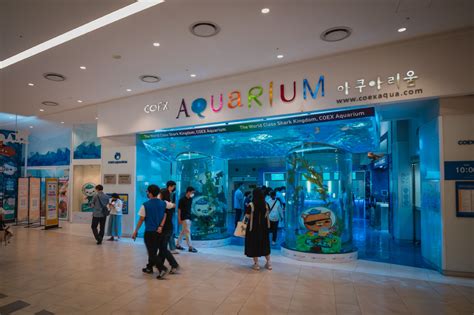
Yes. The official ticket page states that “COEX Aquarium is reborn as ‘SEA LIFE COEX Aquarium’ (same location).” Even if you search using the old keyword, it may appear as “SEA LIFE COEX.” (SEA LIFE COEX Aquarium)


Key point: The order Starfield (opens 10:30) → lunch → aquarium (afternoon visit + program timing) gives the best balance of “photos/rest/experience.”

TimePlanTip
10:30Arrive at Starfield LibraryRight after opening is relatively quiet, so photos turn out great
11:30Walk/shopping at COEX Mall (lightly)Get familiar with the layout + takeaway coffee 추천
12:00Lunch (inside COEX Mall)If you eat before the lunch peak, wait times drop a lot
13:00Enter SEA LIFE COEX AquariumPlan comfortably based on the 1.5-hour visit time
15:10(If possible) Stingray talkTue–Sun/holidays 15:10 (10 min), free (as 안내) (SEA LIFE)
15:40Dessert/restCOEX has lots of places to sit, so it’s great for taking a break
16:30(Optional) Walk at Bongeunsa TempleA mood change at a temple in the middle of the city (see below)
18:00DinnerPlenty of options around Gangnam/Samseong Station
19:30(Optional) K-POP Square media facadeFeels even more “Seoul” at night
20:30~Revisit Starfield (night 분위기)The library is open until 22:00 (Starfield)

※ Aquarium programs/shows are noted as subject to change due to the company’s circumstances. I recommend checking the official page for the latest schedule before visiting. (SEA LIFE)


Course B: With Kids/Strollers—An “Energy-Saving” Course

  • 10:00 Aquarium first (right after opening) → 11:30 lunch → 12:30 Starfield (rest while reading)
  • Pros: Kids burn energy at the aquarium first → naturally “cool down” at Starfield afterward.

Best Tips by Location (For Foreign Residents/Travelers)

1) Starfield Library: A Space for “Photos and Relaxing”

  • Hours: 10:30–22:00, free. (Starfield)
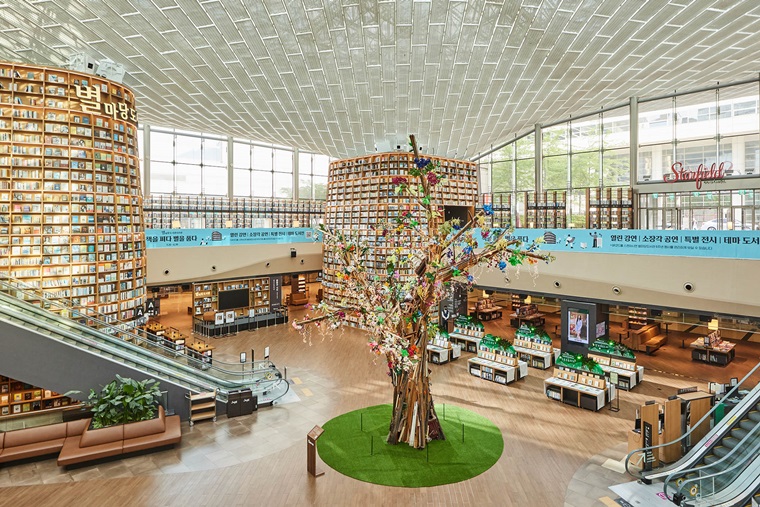
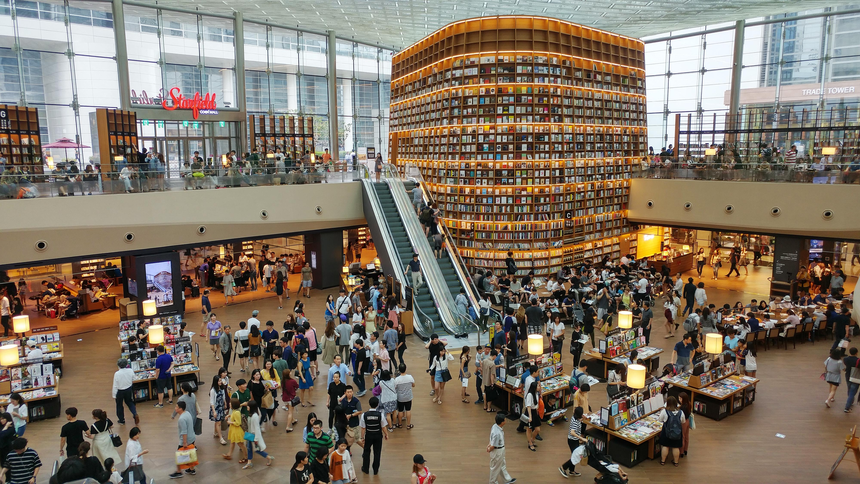
  • It’s quite large: 2,800㎡ (about 850 pyeong) on two levels, 13m-high bookshelves, and they also note power outlets for laptop work. (Starfield)
  • Photo tip: From the front on the 1st floor, frame it so “both sides of the bookshelves fit in one shot” for the prettiest photos (especially recommended on weekday mornings).
Starfield Library

2) SEA LIFE COEX Aquarium: “Online Discounts + Program Timing” Are Key

  • Hours: 10:00–20:00 (last entry 19:00). (SEA LIFE)
  • The official page lists discounted online booking prices, which are often better than buying on-site. (SEA LIFE COEX Aquarium)
  • Wheelchair access available (as 안내). (SEA LIFE COEX Aquarium)
  • There are also programs like “shows/nature talks,” so if you time it right, satisfaction goes way up. (Example: Stingray talk 안내 at 15:10) (SEA LIFE)

3) It’s Okay Even If You’re Not Comfortable with Korean

The official SEA LIFE ticket page has a language selection (English/日本語/简体中文, etc.) menu, which makes the booking process relatively convenient for foreigners. (SEA LIFE COEX Aquarium)


(Optional) Great Places to Add “15–60 Minutes” Near COEX

Bongeunsa Temple (A Quick Mood Change on Foot)

If a fully indoor day feels a bit stifling, this is a great place to do a quick “reset” right next to COEX.

  • Korea Tourism Organization (VisitKorea) info: Hours 05:00–22:00, free admission, listed as open year-round (N/A). (VISITKOREA – Imagine Your Korea)
  • However, there’s also a note that temple hours may vary depending on events/ceremonies, so checking on-site conditions is the safest. (Visit Seoul)

Estimated Budget (Per Person, Roughly)

  • Must-have (adult 기준): Aquarium online ticket ₩27,000 + meals (lunch/dinner) + café
  • Value model: With the combo of “1 lunch + 1 café + free Starfield,” it’s 충분히 doable in the ₩30,000–₩60,000 range
  • Couples/families: The official site has separate couple/family tickets, so it’s worth comparing. (SEA LIFE COEX Aquarium)

Quick Guide for Foreigners (English)

  • SEA LIFE COEX Aquarium: 10:00–20:00 (Last entry 19:00). (SEA LIFE)
  • Starfield Library (COEX Mall): 10:30–22:00, Free admission. (Starfield)
  • Subway: Line 2 Samseong Station Exit 5/6 (connected), Line 9 Bongeunsa Station Exit 7 (connected). (Coex)

Gangnam Indoor One-Day Travel Course FAQ

Q1. What are the operating hours and last entry time for COEX Aquarium (SEA LIFE)?

It’s 안내 as daily 10:00–20:00, with last entry at 19:00. (SEA LIFE)

Q2. What are Starfield Library’s hours? Is there an admission fee?

Starfield Library operates 10:30–22:00, and it is 안내 as a space that anyone can use for free. (Starfield)

Q3. How much are COEX Aquarium tickets (adult/child)?

On the official ticket page (example as of Jan 2026), it’s listed as Adults ₩27,000 (online) / ₩35,000 (regular) and Children ₩24,000 (online) / ₩31,000 (regular). (SEA LIFE COEX Aquarium)

Q4. How much time should I plan for the aquarium visit?

Based on the official 안내, it’s listed as taking about 1 hour 30 minutes. (SEA LIFE COEX Aquarium)

Q5. Does the aquarium have shows or talks?

Yes. There is information about “underwater shows and nature talks.” For example, a stingray talk (Tue–Sun/holidays 15:10, 10 minutes, free) is listed. Schedules may change, so checking before your visit is recommended. (SEA LIFE)

Q6. How do I get the COEX parking discount?

Based on SEA LIFE information, there is a discounted rate 안내 of 4 hours for 4,800 KRW, and the method is 안내 as entering the last 4 digits of your license plate at the parking discount machine inside the aquarium. (SEA LIFE)

Q7. Which subway exit is the most convenient?

According to COEX’s official guidance, the most convenient options are Line 2 Samseong Station Exit 5/6 (connected passage) and Line 9 Bongeunsa Station Exit 7 (connected passage). (Coex)

Q8. Are “COEX Aquarium” and “SEA LIFE COEX” different places?

You can consider them the same place. The official ticket page 안내 that it’s newly rebranded as “SEA LIFE COEX Aquarium,” with the location remaining the same. (SEA LIFE COEX Aquarium)


Gangnam Indoor One-Day Travel Course

Webring Newsletter

K-Name Studio: Create your perfect Korean name based on your personality and style.
What’s My K-Beauty Personal Color?
WeBring Service : Provides personalized services to foreigners living in Korea
Exclusive offer: Introducing foreign car rental in Korea, WeBring-SoCar
Seoul landmarks: Your Ultimate Guide to the Top 5 Must-visit

Seoul is a vibrant city where the past and present coexist harmoniously. On one side, you’ll find ancient palaces and traditional culture breathing with a thousand years of history; on the other, dazzling skyscrapers and neon lights shine day and night. This unique urban landscape captivates not only tourists but also inspires those who live in the city. If you’re visiting Seoul for the first time, you may wonder where to start. To help you plan your trip, here are the “Top 5 Must-Visit Landmarks in Seoul” you absolutely shouldn’t miss.

Through this guide, you’ll discover why each of these top attractions is so special and how to experience them to the fullest. Even if your travel schedule is tight, make sure to visit the locations below. They offer an unforgettable glimpse into the many faces of Seoul.

1) Gyeongbokgung Palace: Encounter the Grandeur of the Joseon Dynasty

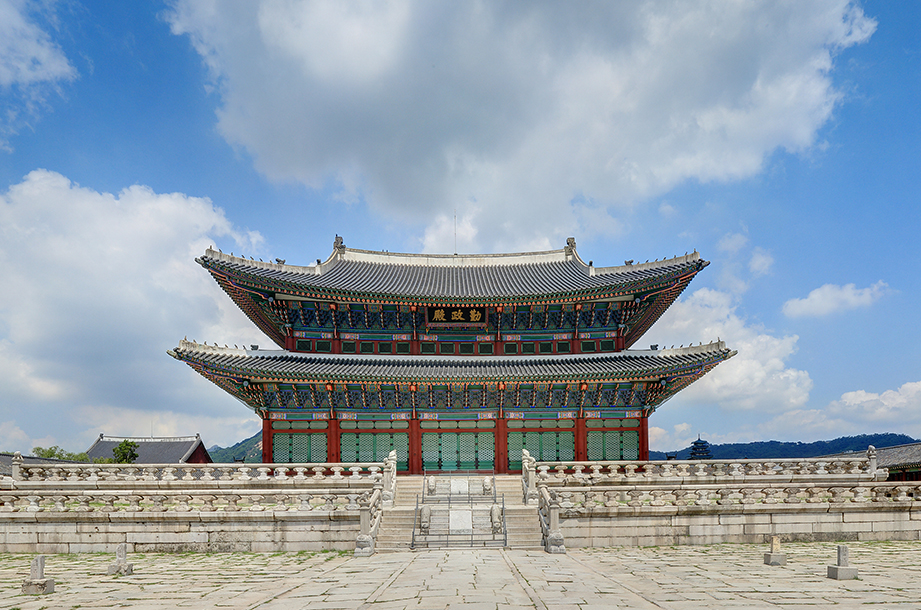
Steeped in deep historical and cultural significance, Gyeongbokgung Palace is often considered the crown jewel of Seoul landmarks. Built in the late 14th century by King Taejo when he established Hanyang as the capital, it served as the main royal palace of the Joseon Dynasty and the residence of kings and their families. Although it suffered heavy damage during the Japanese invasions, it was later reconstructed during King Gojong’s reign. Today, it stands as a proud symbol of elegance and dignity in traditional Korean architecture.

One highlight you must not miss is Geunjeongjeon Hall. With its imposing columns and royal throne, this hall served as the “face of the nation.” Inside, you’ll find vividly painted dancheong patterns and intricately decorated wooden beams—a glimpse into the refined aesthetics of the Joseon royal court. Strolling through the courtyard, you can almost imagine the path once taken by kings and visualize grand royal ceremonies that once took place here.

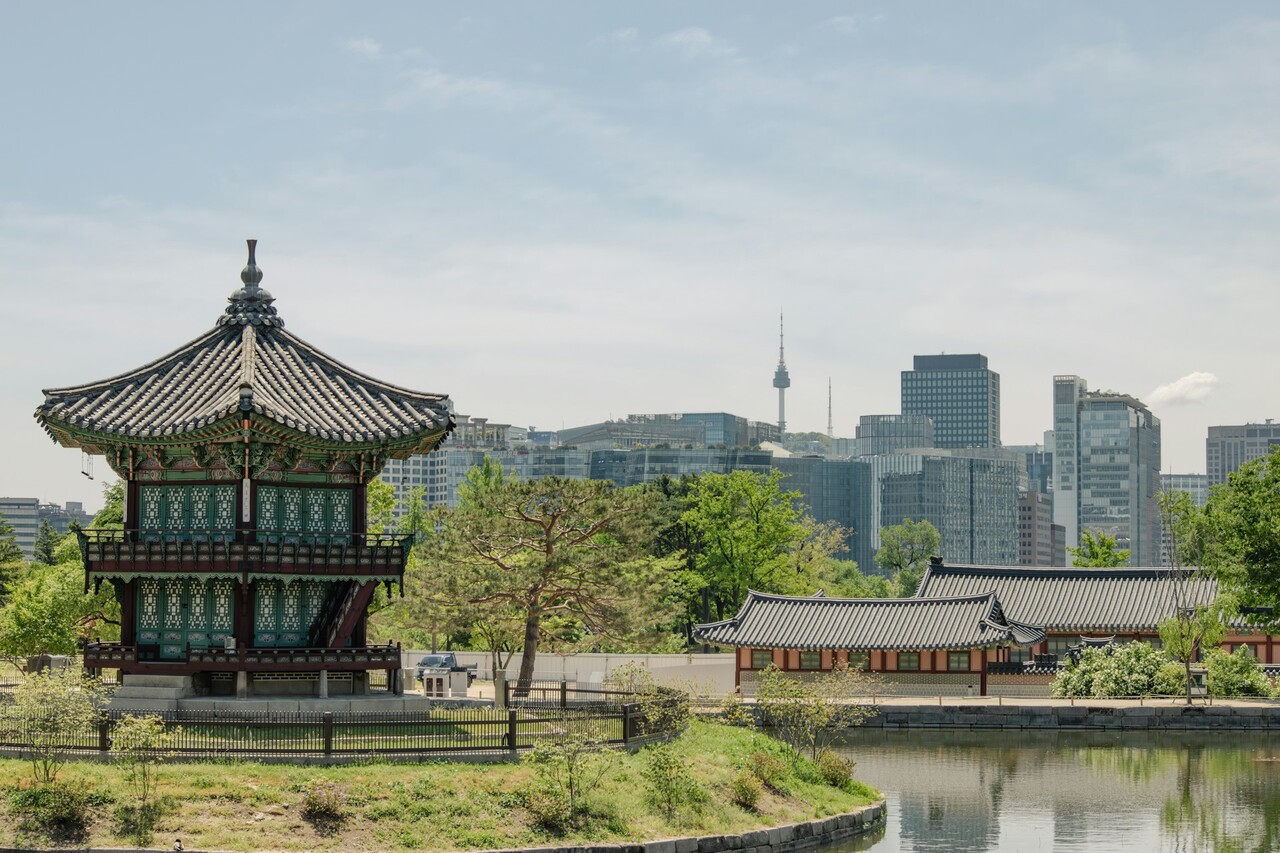
Another highlight is Gyeonghoeru Pavilion, an exquisite pondside structure that showcases a different charm in every season. In spring, budding leaves add a touch of freshness; in summer, the green lotus leaves and cool breeze create a tranquil atmosphere; in autumn, colorful foliage beautifully reflects on the water; and in winter, the snow-covered pavilion offers serene, poetic beauty.

Visitors wearing hanbok (Korean traditional clothing) can enter Gyeongbokgung free of charge, making it common to see both locals and foreign tourists in vibrant attire capturing memorable photos. If you have extra time, explore nearby Seochon and Bukchon Hanok Village. These neighborhoods, filled with traditional houses and charming cafés, offer a tranquil contrast to the modern cityscape of Seoul.

Seoul Landmark - Gyeongbokgung Palace

2) N Seoul Tower: A Panoramic Night View from the Heart of the City

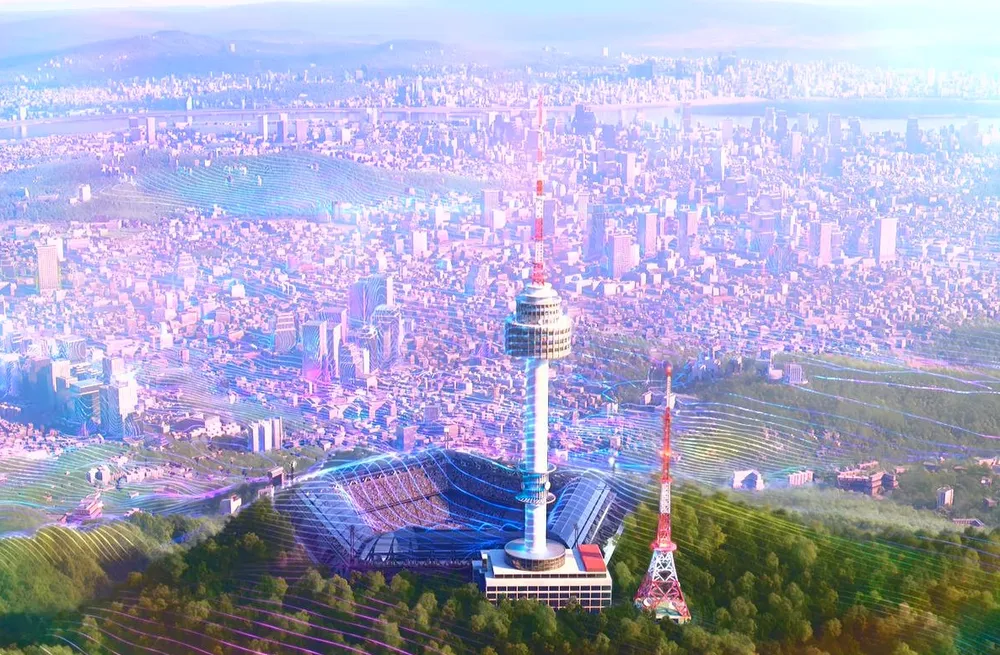
Rising prominently atop Namsan Mountain, N Seoul Tower (formerly Namsan Tower) is one of the most recognizable silhouettes of Seoul’s skyline. While the view is spectacular by day, it’s the nightscape that truly steals the show. Offering a 360-degree panorama of glittering city lights, it’s a favorite romantic destination for couples and a perfect photo spot for families and tourists alike.

Reaching the tower itself is part of the fun — you can take the cable car or the Namsan circular bus. The cable car ride offers a preview of Seoul’s cityscape as you ascend, building anticipation for the breathtaking view that awaits at the top. Once you arrive, purchase an observation deck ticket to enjoy the panoramic lookout and explore the tower’s restaurants, gift shops, and exhibition spaces at your own pace.

One of N Seoul Tower’s most iconic sights is the “Locks of Love.” Visitors from around the world leave padlocks inscribed with their names or messages on fences and rails symbolizing eternal love and friendship. Walking among these colorful locks, you can feel the collective dreams and emotions of countless travelers intertwined on this hillside.

Don’t miss the scenic Namsan Park walking trails surrounding the tower. Whether you stroll through the forest path or sit quietly on a bench, it’s an oasis of calm amid the busy capital. With changing seasonal foliage, it’s the perfect spot to unwind and reconnect with nature during your trip.

N Seoul Tower

3) Myeongdong: The Paradise of Trendy Shopping and Street Food

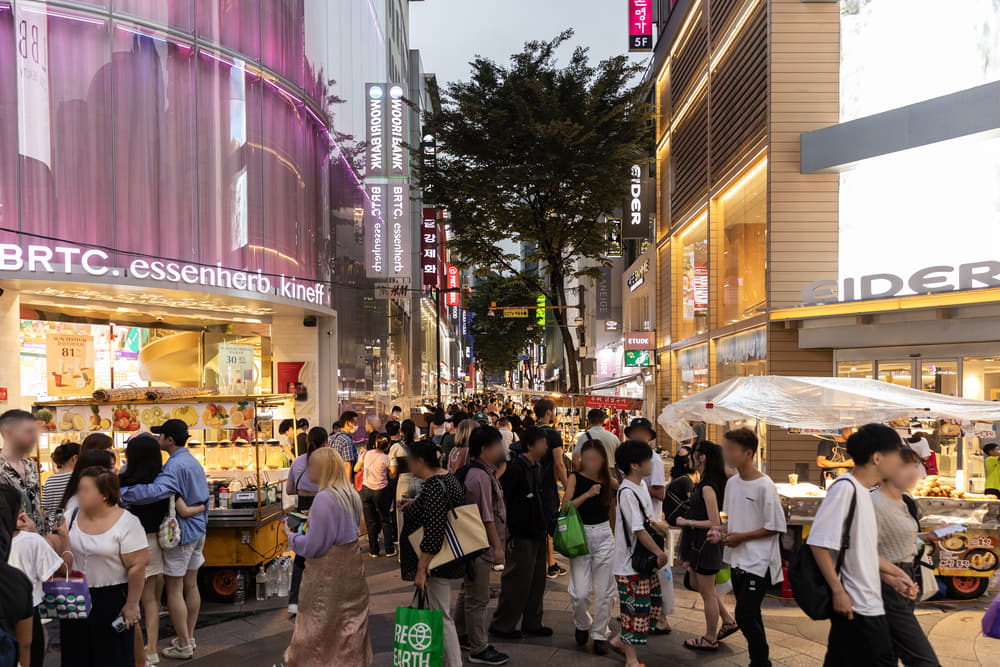
When it comes to shopping and food in Seoul, Myeongdong always tops the list. From international fashion brands to K-beauty stores and accessory shops, the streets are lined with endless options for every style and taste. It’s also one of the most popular destinations among overseas travelers looking to shop for authentic “K-beauty” products.

As soon as you enter Myeongdong, the vibrant signs and bustling crowds will catch your attention. Whether it’s a weekday or weekend, the area is always buzzing, with so many foreign-language signs that it often feels like a global shopping hub. Visitors love collecting free samples at cosmetics stores, hunting for buy-one-get-one deals, and enjoying the fast-paced retail energy unique to this district.

Food lovers will also find plenty to enjoy here. The streets are packed with Korean snacks such as hotteok (sweet pancakes), tteokbokki (spicy rice cakes), fish cakes, and dumplings. From trendy cafés to traditional tea houses and famous global restaurants, there’s something for every palate. For an authentic local experience, you might try Myeongdong Kyoja, a long-loved restaurant known for its handmade noodles and dumplings.

Myeongdong Cathedral, another local landmark, adds a historical charm to the area. Its gothic architecture contrasts beautifully with the surrounding modern shops, creating a unique cultural atmosphere. Combining shopping, dining, and sightseeing all in one place, Myeongdong is the perfect destination for short-term visitors looking to maximize their time in Seoul.

Myeongdong

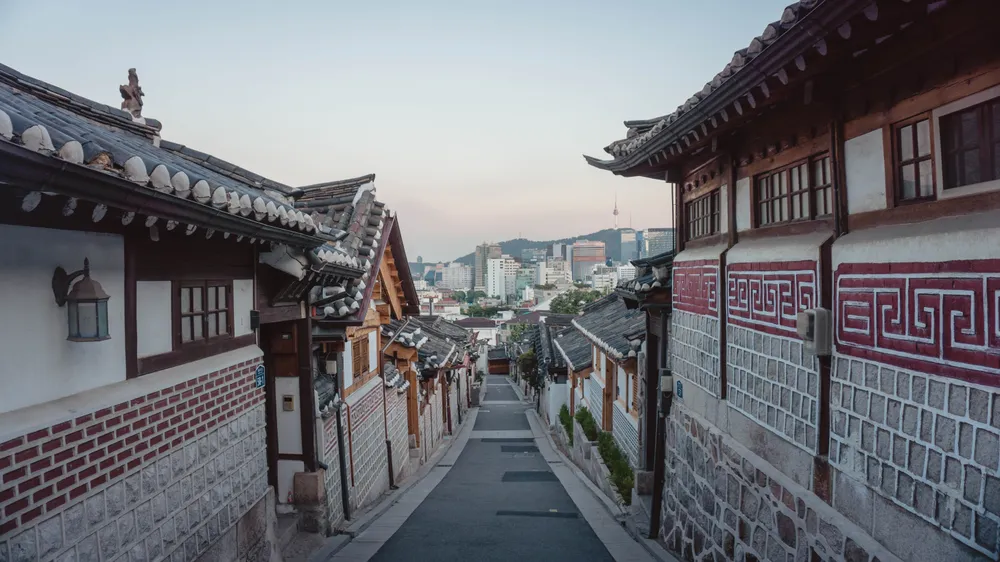
4) Bukchon Hanok Village: Traditional Beauty in the Heart of Seoul

If you want to escape the city’s glittering skyline and immerse yourself in traditional charm, head to Bukchon Hanok Village. Nestled between Gyeongbokgung and Changdeokgung Palaces, Bukchon was once home to Joseon-era aristocrats. Many hanok (traditional houses) have been well preserved, allowing visitors to experience old Seoul as it once was.

Walking through its narrow alleys, you’ll be greeted by elegant wooden doors and tiled roofs that create a peaceful atmosphere. These alleyways are so picturesque that they’ve become one of Seoul’s most photographed spots. The visual contrast between traditional architecture and the modern skyline beyond makes it a powerful symbol of “the harmony between the old and the new.”

Bukchon also offers hands-on cultural experiences. From hanji paper crafts and pottery making to traditional tea ceremonies, local workshops and cafés provide opportunities to connect with Korean heritage. Some hanok even operate as guesthouses, allowing you to spend a night in an ondol (heated floor) room and truly immerse yourself in traditional living.

Since Bukchon is also a residential area, please be respectful when taking photos or exploring the alleys. Keep noise levels down, especially early in the morning or at night, and remember to respect the privacy of local residents—particularly on weekends when crowds are the largest.

Bukchon Hanok Village

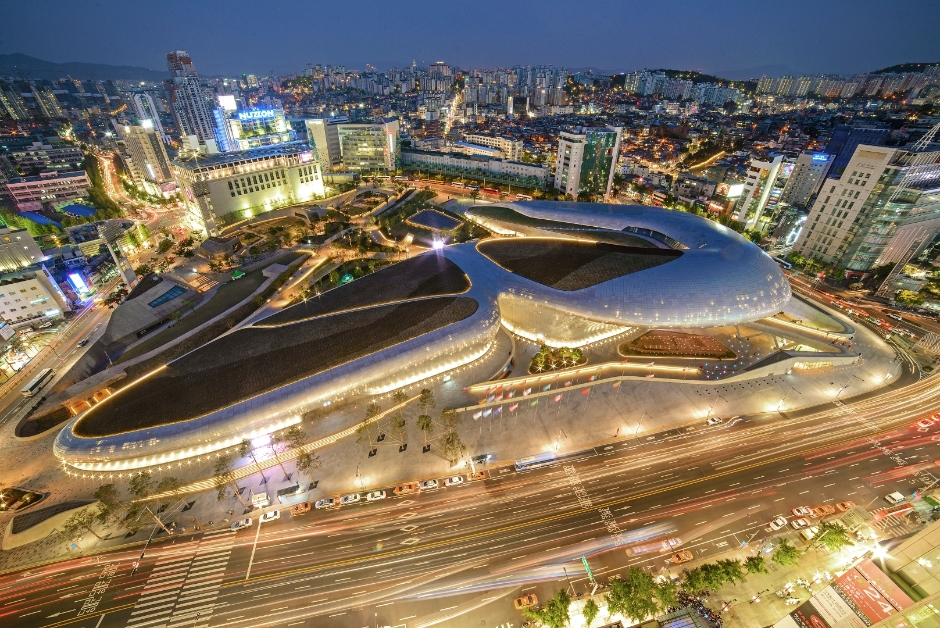
5) Dongdaemun Design Plaza (DDP): An Icon of Futuristic Architecture

Dongdaemun Design Plaza (DDP) perfectly represents Seoul’s harmony between tradition and modernity. Designed by world-renowned architect Zaha Hadid, this futuristic building’s fluid, curved shape makes it an instant visual landmark. During the day, its metallic surface reflects sunlight with a silver shimmer, while at night, the LED lights create a dreamy, almost surreal aura.

The DDP serves as a major hub for exhibitions, conferences, fashion shows, and art events. During Seoul Fashion Week, designers, media, and fashion enthusiasts from around the world gather here to witness the latest trends. There are also frequent design and tech-themed exhibitions, so it’s worth checking the event schedule ahead of your visit.

The surrounding Dongdaemun area is just as lively, home to massive shopping complexes and wholesale markets that buzz with activity day and night. From fabrics and clothing to accessories, you’ll find every fashion item imaginable. Many stores stay open late into the night, making it a paradise for nocturnal shoppers. For young visitors passionate about style, Dongdaemun is a must-see for both affordability and variety.

Whether you’re exploring during the day or at night, take photos with the DDP as your backdrop—it’s a favorite spot for Instagram-worthy shots. The rooftop and nearby plazas also offer great night views of the city, so don’t forget to bring your camera or smartphone.

DDP

Wrapping Up: Seoul’s Landmark Highlights

Although we’ve focused on the “Top 5 Must-Visit Landmarks in Seoul,” there are countless other spots worth exploring. However, if you’re visiting on a short schedule, these five destinations will give you a rich and well-rounded experience of the city’s charm. From historic palaces to bustling shopping streets and breathtaking nighttime skylines, Seoul’s landmarks offer unforgettable memories to every visitor.

Traveling is one of the best ways to understand a city. We hope this guide helps you create meaningful memories and plan your perfect Seoul itinerary. Each location embodies a piece of Seoul’s culture and history, allowing you to connect more deeply with the city. We hope your time in Seoul leaves a lasting impression — and perhaps makes you wonder where your next journey will take you!

Recommended Seoul Landmarks

Webring Newsletter

K-Name Studio: Create your perfect Korean name based on your personality and style.
What’s My K-Beauty Personal Color?
WeBring Service : Provides personalized services to foreigners living in Korea
Exclusive offer: Introducing foreign car rental in Korea, WeBring-SoCar
Your Ultimate K-Drama pilgrimage: Explore Korea’s Iconic Filming Locations

“K-Drama (Korean Drama)” has become one of the core contents driving the global Korean Wave (Hallyu). Countless dramas such as ‘Winter Sonata’, ‘Guardian: The Lonely and Great God (Goblin)’, ‘Crash Landing on You’, and ‘Itaewon Class’ have captivated fans around the world and inspired many to visit their filming locations. In fact, K-drama filming sites have become special travel destinations where visitors can experience Korean culture and feel the same emotions as their favorite characters. In this article, titled “K-Drama Pilgrimage: A Guide to Popular Drama Filming Locations,” we’ll introduce some of the most beloved sites among international fans and share practical travel tips on how to visit them.


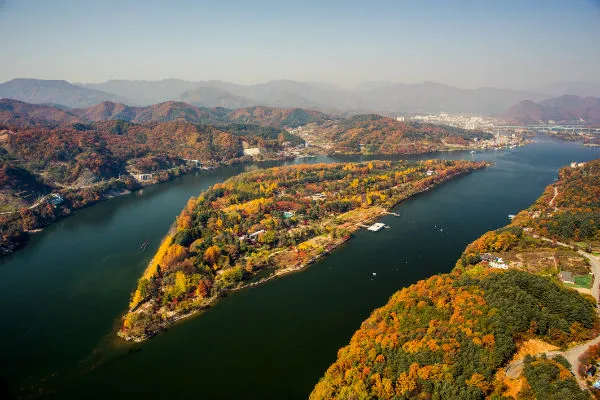
1) Nami Island: The Romantic Forest of ‘Winter Sonata’

Filming Story

Among all K-drama filming locations, Nami Island stands out as one of the originals. When ‘Winter Sonata’ aired in 2002, it became explosively popular across Asia, turning the metasequoia-lined path that the main characters walked into a romantic pilgrimage spot for K-drama fans worldwide. Many scenes from the drama were filmed on this island, where the snowy tree-lined paths and serene lakeside views enchanted viewers around the globe.

Travel Tips

Nami Island is located on the border of Gyeonggi-do and Gangwon-do, near Chuncheon, and can only be accessed by ferry. Take the Gyeongchun Line subway to Gapyeong Station, then transfer via taxi or bus to the dock — it’s just a 5-minute ferry ride from there. The island offers restaurants, cafés, and leisure facilities, making it perfect for a half-day trip. Its charm shines year-round: autumn foliage, snowy winter scenery, and blooming spring flowers make every visit memorable. With many international visitors, English signs are readily available.

K-Drama pilgrimage


2) Jagalchi Market & Gwangan Bridge: From ‘Train to Busan’ to ‘When the Camellia Blooms’

Busan’s Sea and Sentiment

Busan frequently appears as a backdrop for Korean dramas and films. While ‘When the Camellia Blooms’ was primarily shot in Pohang, some scenes capture a Busan-like atmosphere. Though ‘Train to Busan’ is a film, its story made the city world-famous. The drama ‘Strong Woman Do Bong-soon’ even mentions Gwangan Bridge. Many productions, including ‘Oh My Venus’ and ‘The Best Hit’, have filmed romantic seaside scenes around Haeundae and Gwangalli.

Travel Tips

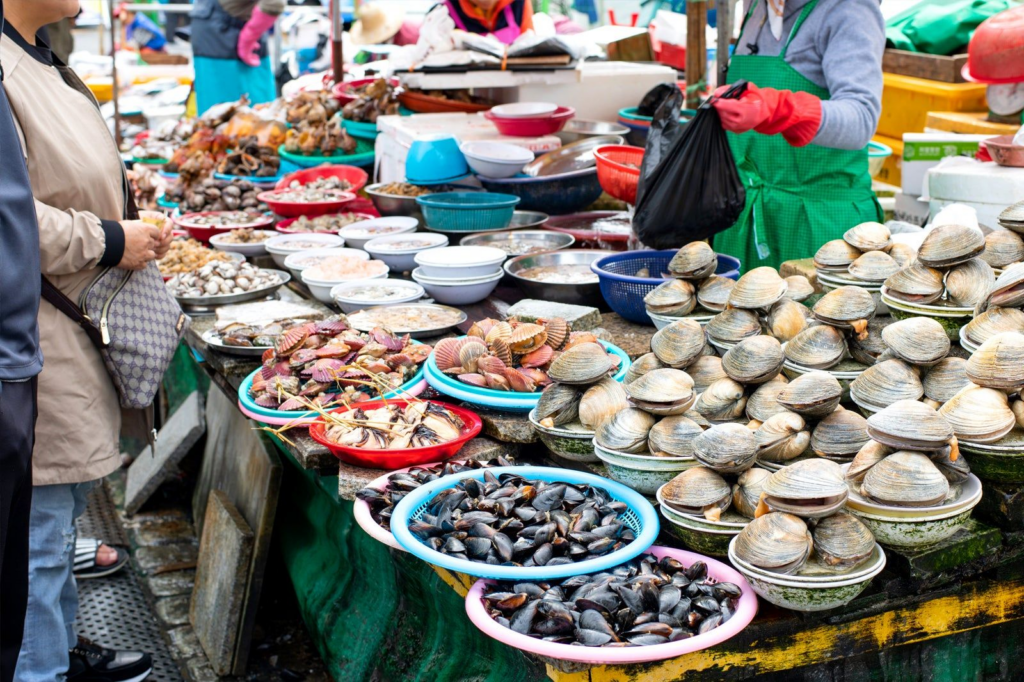
When visiting Busan, the areas around Jagalchi Market, Gukje Market, and Gwangan Bridge are must-see K-drama and film shooting spots. At Jagalchi Market, you can enjoy freshly prepared seafood, while Gukje Market — also featured in the movie ‘Ode to My Father’ — offers a traditional market vibe. The night view of Gwangan Bridge has long been a popular backdrop for romantic confession scenes in dramas. The city is easily accessible by public transportation and is perfect for enjoying coastal energy and local cuisine.

Jagalchi Market


3) Bukchon & Samcheong-dong: From ‘Goblin’ to ‘Crash Landing on You’

Dramatic Alleys in Central Seoul

While recent hit ‘Goblin’ is known for its Canadian locations, many key scenes were also filmed in the heart of Seoul. The traditional hanok houses and stone walls of Bukchon and Samcheong-dong perfectly captured tender conversations between the Goblin and his bride. ‘Crash Landing on You’ also features several Seoul cityscapes that fans could recognize instantly, creating moments of surprise and delight.

Travel Tips

Bukchon Hanok Village and Samcheong-dong café street pair nicely with a visit to the Gyeongbokgung Palace course. Some filming locations are hidden in quiet alleys, so searching online for “Goblin filming spots map” or “Crash Landing on You locations” can help — many fans have shared guides and travel blogs. Since some spots are on private property, it’s important to visit respectfully, take quick photos, and move along quietly.


4) Chuncheon & Gangwon-do: The Next-Generation Drama Sites After ‘Winter Sonata’

Gangwon-do’s Landscape as a K-Drama Backdrop

Gangwon-do is not only the home of ‘Winter Sonata’ — parts of ‘I’m Sorry, I Love You’, starring So Ji-sub and Im Soo-jung, were also filmed around Chuncheon and Gangchon. The region’s mix of lakes, rivers, and mountains creates a scene-stealing backdrop that attracts drama productions year-round. Located just one to two hours by car from Seoul, it’s a great destination for a day trip.

Even entertainment shows like ‘Begin Again Korea’ have showcased performances on Chuncheon’s romantic lakes. For K-drama fans, the postcard-perfect scenery and recreated photo zones offer a nostalgic and emotional experience.

Travel Tips

Near Chuncheon Station, you’ll find landmarks such as “Namchuncheon Rail Park,” “Kim You-jeong Literature Village,” and “Gangchon Leisure Area,” which still carry traces of past drama shoots. The area is easily accessible via the Gyeongchun subway line or ITX Cheongchun train within about an hour. On your trip, make sure to enjoy local specialties like Dakgalbi (spicy stir-fried chicken) and Makguksu (buckwheat noodles). In winter, you can even visit ski resorts such as Elysian Gangchon — perfect for combining cultural exploration and seasonal fun.


5) Naksan Park & Daehak-ro: Everyday Alley Charm from “Reply 1988”

Filming Along Seoul’s Naksan Area

‘Reply 1988’ captured the retro charm of Seoul’s city alleys. While the original sets were located elsewhere and some have been dismantled, the Naksan area often appeared in cameo-like scenes, evoking the same nostalgic feel. Located near Dongdaemun, Naksan Park is famous for its mural village and night views — ideal for a stroll with friends, just like a scene out of the drama.

Daehak-ro and Naksan Park are connected; a walk along the fortress trail leads to breathtaking panoramic views of Seoul. Though the 1980–90s ambiance may have faded, the charming cafés, street performances, and murals still embody the artisanal spirit of the era.

Travel Tips

From Hyehwa Station (Line 4), stroll through Daehak-ro and Maronie Park, where you’ll find small theaters and street performances. From there, walk uphill toward Naksan Park, where you’ll encounter numerous photo zones along the way. Visiting at sunset is highly recommended for a stunning night view. Though not full of massive drama sets, it’s a great place for fans to reminisce and relive the ‘Reply’ series charm amid the cityscape.


Tips for Enjoying Your K-Drama Filming Location Tour

1) Bring Drama Stills or Screenshots

If you have a favorite drama, save some still cuts or screenshots on your smartphone. At the filming site, compare the real view with the scene’s backdrop — it’s even more fun to recall the dialogue and imagine being part of the story. Try recreating a character’s pose or expression for photos and share them on social media — it’s a great way to connect with global K-drama fans.

2) Respect Local Communities

Some filming sites are actually residential neighborhoods or private properties. Being overly loud or taking photos right in front of homes can disturb residents. In many cases, “that famous wall” might belong to someone’s private house, and entering without permission can violate privacy. Always take photos quietly, express gratitude, and leave promptly.

3) Make Use of Travel Passes or Tour Packages

The Seoul city government and other municipalities sometimes provide “Hallyu Filming Site Tour Buses” or travel passes. These bundled deals include transportation and admission discounts, often with a guide sharing behind-the-scenes stories. It’s convenient for itinerary management and language support — highly recommended for K-drama enthusiasts.


Conclusion: Create Memories at the Heart of a K-Drama

If you’re a K-drama lover, there’s nothing more exciting than visiting the actual filming spots of your favorite shows. From Nami Island and Busan’s Jagalchi Market & Gwangan Bridge, to Bukchon & Samcheong-dong, Chuncheon & Gangwon-do, and Naksan Park & Daehak-ro — these destinations offer countless opportunities to relive cinematic moments. Fans can easily create their own personalized K-drama pilgrimage routes across Korea.

Remember that these filming sites are often local neighborhoods or natural areas — always be mindful and respectful of the environment and residents. The scenery also changes with the seasons, offering new beauty even if it looks different from the drama. A trip to explore K-drama filming spots in Korea is not just tourism — it’s a heartfelt journey into the stories you love, creating unforgettable memories of your own.

K-Drama Filming Location Tour

Webring Newsletter

K-Name Studio: Create your perfect Korean name based on your personality and style.
What’s My K-Beauty Personal Color?
WeBring Service : Provides personalized services to foreigners living in Korea
Exclusive offer: Introducing foreign car rental in Korea, WeBring-SoCar