
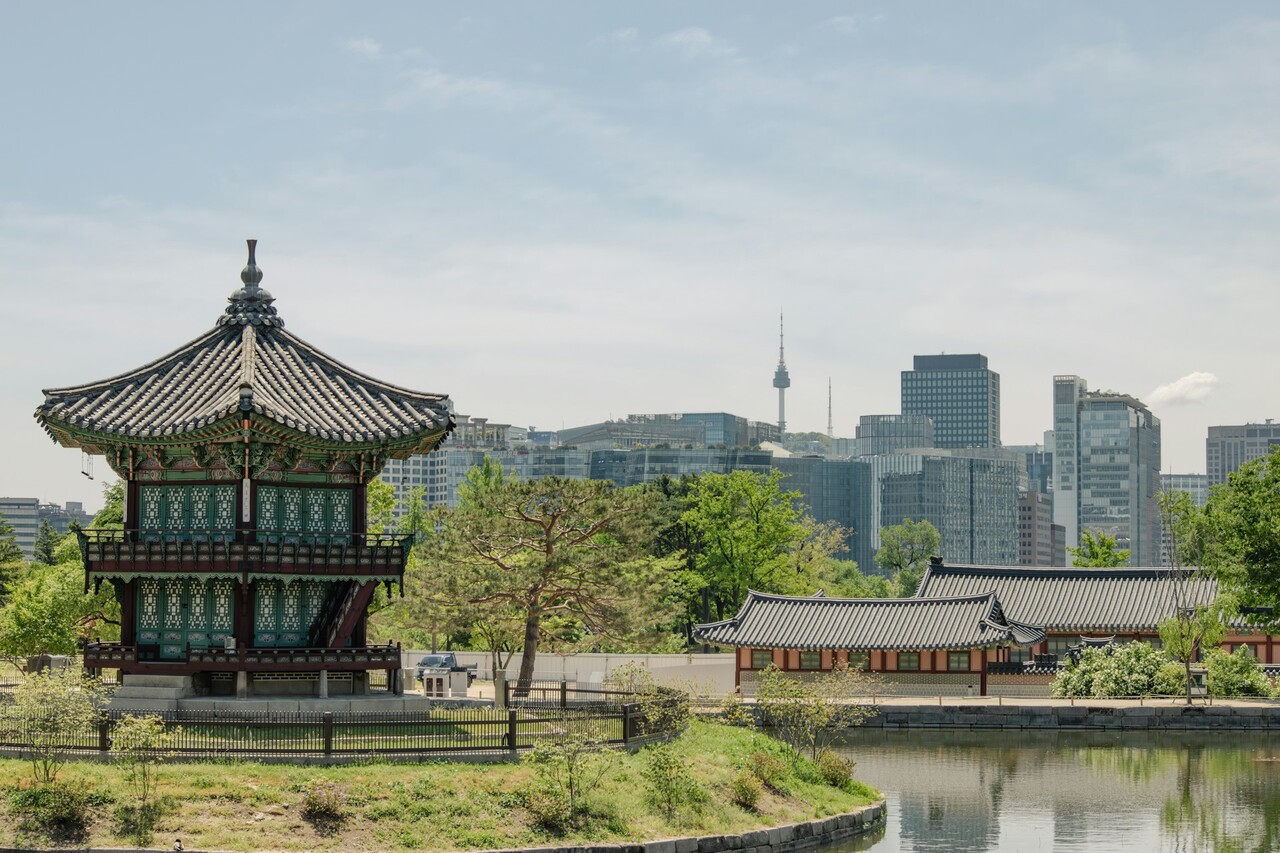
Seoul is a vibrant city where the past and present coexist harmoniously. On one side, you’ll find ancient palaces and traditional culture breathing with a thousand years of history; on the other, dazzling skyscrapers and neon lights shine day and night. This unique urban landscape captivates not only tourists but also inspires those who live in the city. If you’re visiting Seoul for the first time, you may wonder where to start. To help you plan your trip, here are the “Top 5 Must-Visit Landmarks in Seoul” you absolutely shouldn’t miss.
Through this guide, you’ll discover why each of these top attractions is so special and how to experience them to the fullest. Even if your travel schedule is tight, make sure to visit the locations below. They offer an unforgettable glimpse into the many faces of Seoul.
1) Gyeongbokgung Palace: Encounter the Grandeur of the Joseon Dynasty
Steeped in deep historical and cultural significance, Gyeongbokgung Palace is often considered the crown jewel of Seoul landmarks. Built in the late 14th century by King Taejo when he established Hanyang as the capital, it served as the main royal palace of the Joseon Dynasty and the residence of kings and their families. Although it suffered heavy damage during the Japanese invasions, it was later reconstructed during King Gojong’s reign. Today, it stands as a proud symbol of elegance and dignity in traditional Korean architecture.
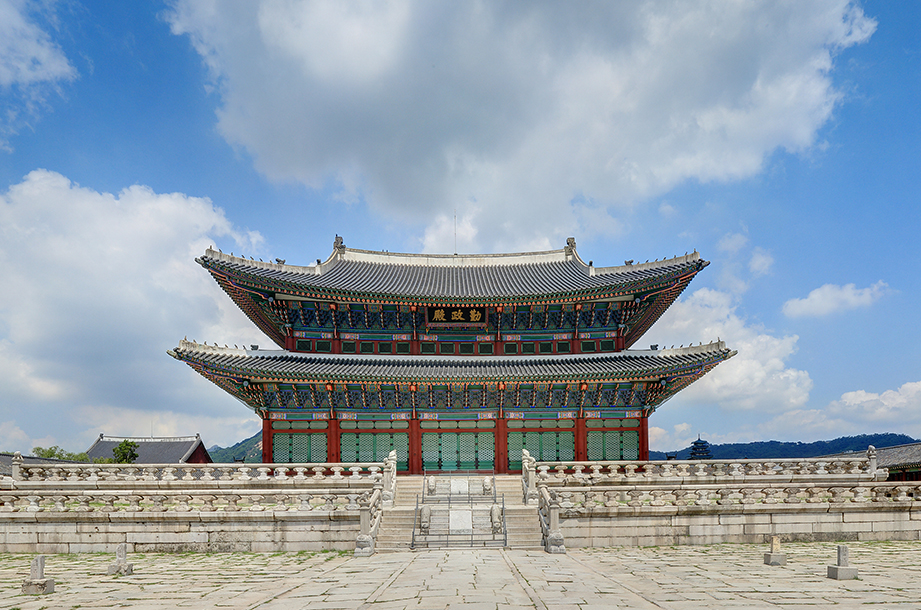
One highlight you must not miss is Geunjeongjeon Hall. With its imposing columns and royal throne, this hall served as the “face of the nation.” Inside, you’ll find vividly painted dancheong patterns and intricately decorated wooden beams—a glimpse into the refined aesthetics of the Joseon royal court. Strolling through the courtyard, you can almost imagine the path once taken by kings and visualize grand royal ceremonies that once took place here.
Another highlight is Gyeonghoeru Pavilion, an exquisite pondside structure that showcases a different charm in every season. In spring, budding leaves add a touch of freshness; in summer, the green lotus leaves and cool breeze create a tranquil atmosphere; in autumn, colorful foliage beautifully reflects on the water; and in winter, the snow-covered pavilion offers serene, poetic beauty.
Visitors wearing hanbok (Korean traditional clothing) can enter Gyeongbokgung free of charge, making it common to see both locals and foreign tourists in vibrant attire capturing memorable photos. If you have extra time, explore nearby Seochon and Bukchon Hanok Village. These neighborhoods, filled with traditional houses and charming cafés, offer a tranquil contrast to the modern cityscape of Seoul.
2) N Seoul Tower: A Panoramic Night View from the Heart of the City
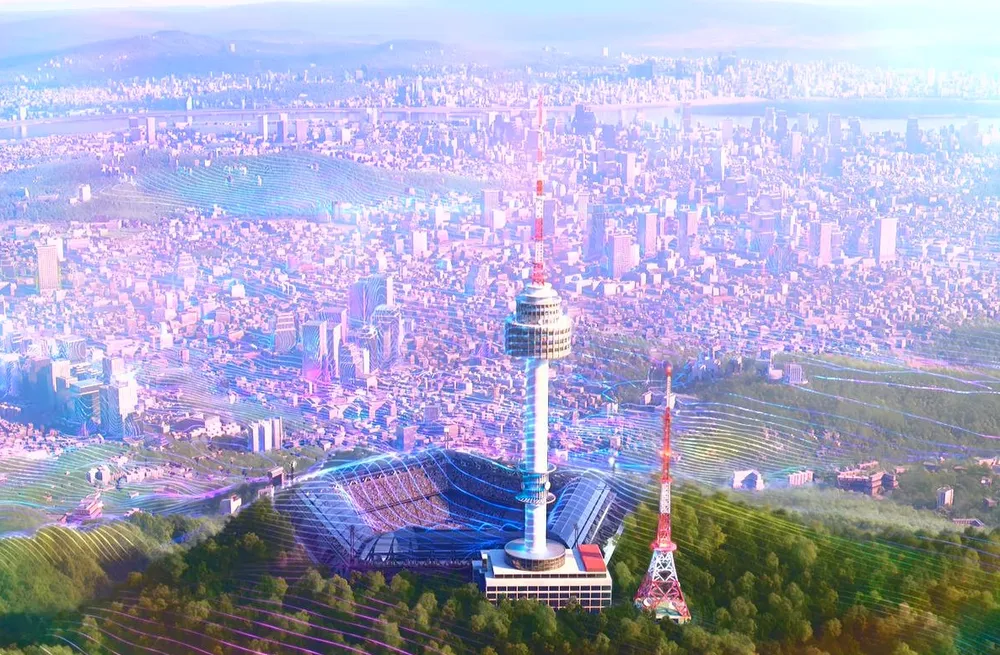
Rising prominently atop Namsan Mountain, N Seoul Tower (formerly Namsan Tower) is one of the most recognizable silhouettes of Seoul’s skyline. While the view is spectacular by day, it’s the nightscape that truly steals the show. Offering a 360-degree panorama of glittering city lights, it’s a favorite romantic destination for couples and a perfect photo spot for families and tourists alike.
Reaching the tower itself is part of the fun — you can take the cable car or the Namsan circular bus. The cable car ride offers a preview of Seoul’s cityscape as you ascend, building anticipation for the breathtaking view that awaits at the top. Once you arrive, purchase an observation deck ticket to enjoy the panoramic lookout and explore the tower’s restaurants, gift shops, and exhibition spaces at your own pace.
One of N Seoul Tower’s most iconic sights is the “Locks of Love.” Visitors from around the world leave padlocks inscribed with their names or messages on fences and rails symbolizing eternal love and friendship. Walking among these colorful locks, you can feel the collective dreams and emotions of countless travelers intertwined on this hillside.
Don’t miss the scenic Namsan Park walking trails surrounding the tower. Whether you stroll through the forest path or sit quietly on a bench, it’s an oasis of calm amid the busy capital. With changing seasonal foliage, it’s the perfect spot to unwind and reconnect with nature during your trip.
3) Myeongdong: The Paradise of Trendy Shopping and Street Food
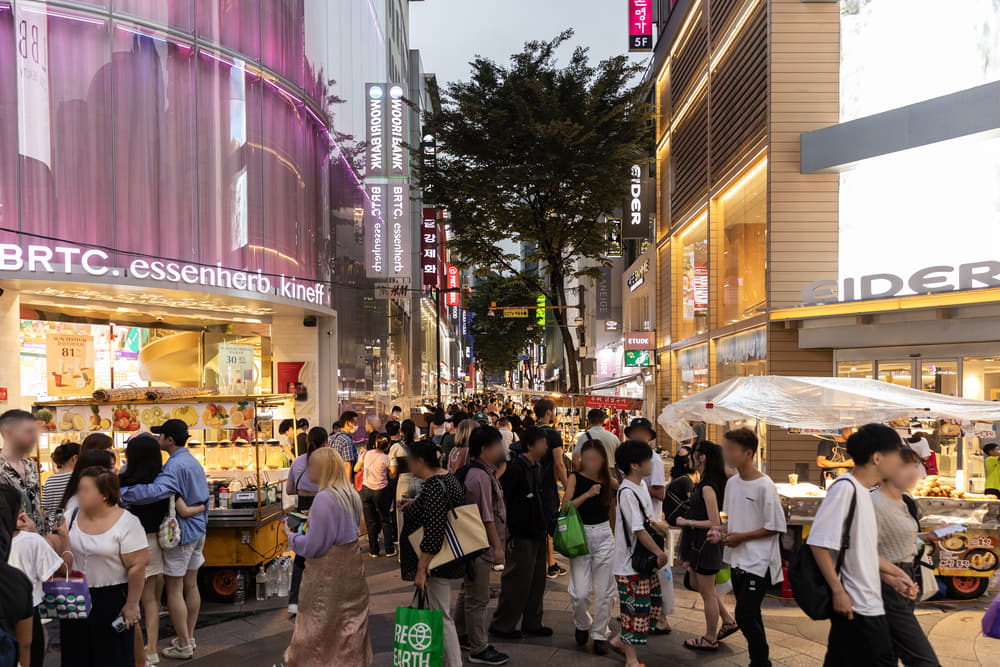
When it comes to shopping and food in Seoul, Myeongdong always tops the list. From international fashion brands to K-beauty stores and accessory shops, the streets are lined with endless options for every style and taste. It’s also one of the most popular destinations among overseas travelers looking to shop for authentic “K-beauty” products.
As soon as you enter Myeongdong, the vibrant signs and bustling crowds will catch your attention. Whether it’s a weekday or weekend, the area is always buzzing, with so many foreign-language signs that it often feels like a global shopping hub. Visitors love collecting free samples at cosmetics stores, hunting for buy-one-get-one deals, and enjoying the fast-paced retail energy unique to this district.
Food lovers will also find plenty to enjoy here. The streets are packed with Korean snacks such as hotteok (sweet pancakes), tteokbokki (spicy rice cakes), fish cakes, and dumplings. From trendy cafés to traditional tea houses and famous global restaurants, there’s something for every palate. For an authentic local experience, you might try Myeongdong Kyoja, a long-loved restaurant known for its handmade noodles and dumplings.
Myeongdong Cathedral, another local landmark, adds a historical charm to the area. Its gothic architecture contrasts beautifully with the surrounding modern shops, creating a unique cultural atmosphere. Combining shopping, dining, and sightseeing all in one place, Myeongdong is the perfect destination for short-term visitors looking to maximize their time in Seoul.
4) Bukchon Hanok Village: Traditional Beauty in the Heart of Seoul
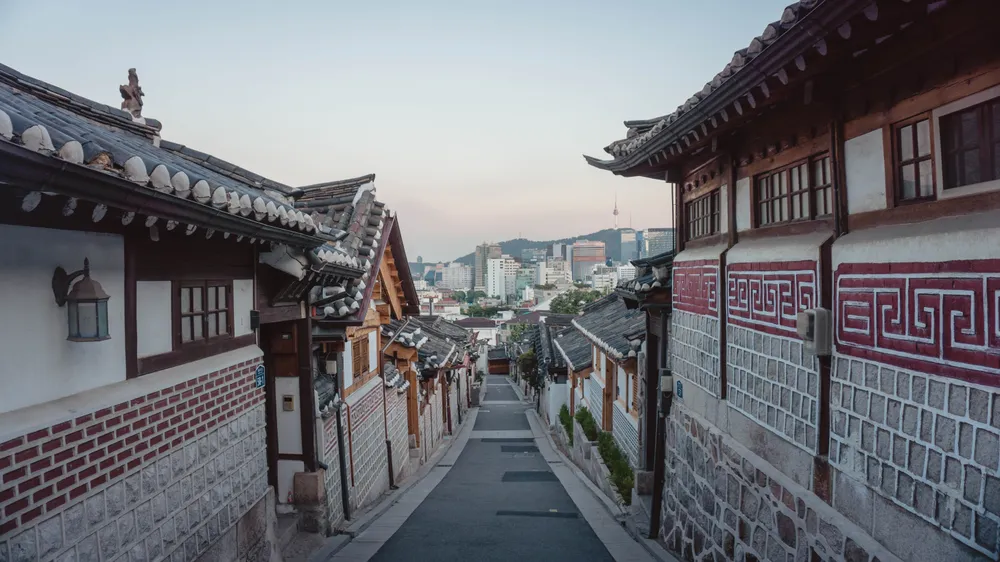
If you want to escape the city’s glittering skyline and immerse yourself in traditional charm, head to Bukchon Hanok Village. Nestled between Gyeongbokgung and Changdeokgung Palaces, Bukchon was once home to Joseon-era aristocrats. Many hanok (traditional houses) have been well preserved, allowing visitors to experience old Seoul as it once was.
Walking through its narrow alleys, you’ll be greeted by elegant wooden doors and tiled roofs that create a peaceful atmosphere. These alleyways are so picturesque that they’ve become one of Seoul’s most photographed spots. The visual contrast between traditional architecture and the modern skyline beyond makes it a powerful symbol of “the harmony between the old and the new.”
Bukchon also offers hands-on cultural experiences. From hanji paper crafts and pottery making to traditional tea ceremonies, local workshops and cafés provide opportunities to connect with Korean heritage. Some hanok even operate as guesthouses, allowing you to spend a night in an ondol (heated floor) room and truly immerse yourself in traditional living.
Since Bukchon is also a residential area, please be respectful when taking photos or exploring the alleys. Keep noise levels down, especially early in the morning or at night, and remember to respect the privacy of local residents—particularly on weekends when crowds are the largest.
5) Dongdaemun Design Plaza (DDP): An Icon of Futuristic Architecture
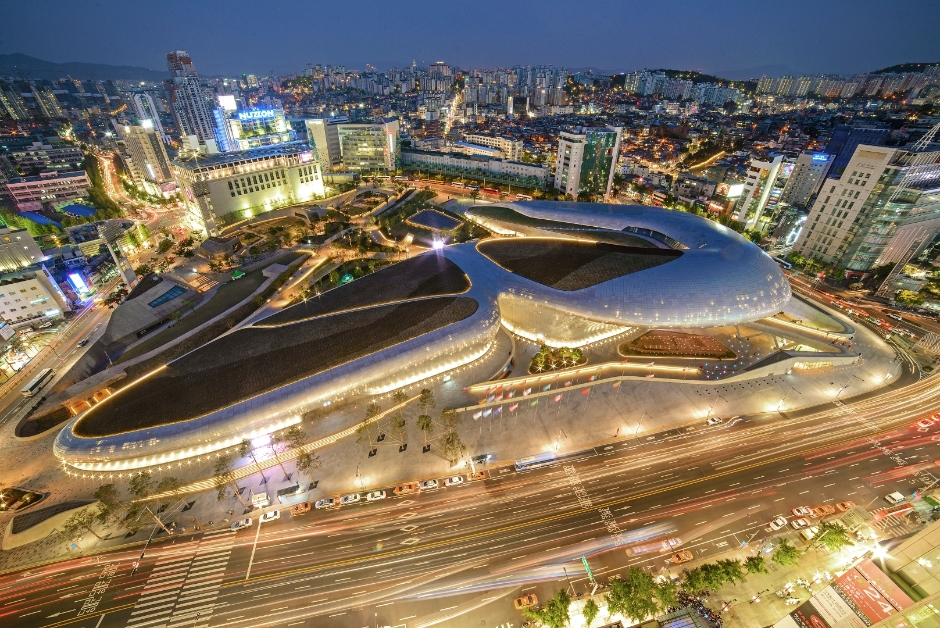
Dongdaemun Design Plaza (DDP) perfectly represents Seoul’s harmony between tradition and modernity. Designed by world-renowned architect Zaha Hadid, this futuristic building’s fluid, curved shape makes it an instant visual landmark. During the day, its metallic surface reflects sunlight with a silver shimmer, while at night, the LED lights create a dreamy, almost surreal aura.
The DDP serves as a major hub for exhibitions, conferences, fashion shows, and art events. During Seoul Fashion Week, designers, media, and fashion enthusiasts from around the world gather here to witness the latest trends. There are also frequent design and tech-themed exhibitions, so it’s worth checking the event schedule ahead of your visit.
The surrounding Dongdaemun area is just as lively, home to massive shopping complexes and wholesale markets that buzz with activity day and night. From fabrics and clothing to accessories, you’ll find every fashion item imaginable. Many stores stay open late into the night, making it a paradise for nocturnal shoppers. For young visitors passionate about style, Dongdaemun is a must-see for both affordability and variety.
Whether you’re exploring during the day or at night, take photos with the DDP as your backdrop—it’s a favorite spot for Instagram-worthy shots. The rooftop and nearby plazas also offer great night views of the city, so don’t forget to bring your camera or smartphone.
Wrapping Up: Seoul’s Landmark Highlights
Although we’ve focused on the “Top 5 Must-Visit Landmarks in Seoul,” there are countless other spots worth exploring. However, if you’re visiting on a short schedule, these five destinations will give you a rich and well-rounded experience of the city’s charm. From historic palaces to bustling shopping streets and breathtaking nighttime skylines, Seoul’s landmarks offer unforgettable memories to every visitor.
Traveling is one of the best ways to understand a city. We hope this guide helps you create meaningful memories and plan your perfect Seoul itinerary. Each location embodies a piece of Seoul’s culture and history, allowing you to connect more deeply with the city. We hope your time in Seoul leaves a lasting impression — and perhaps makes you wonder where your next journey will take you!

K-Name Studio: Create your perfect Korean name based on your personality and style.
What’s My K-Beauty Personal Color?
WeBring Service : Provides personalized services to foreigners living in Korea
Exclusive offer: Introducing foreign car rental in Korea, WeBring-SoCar